




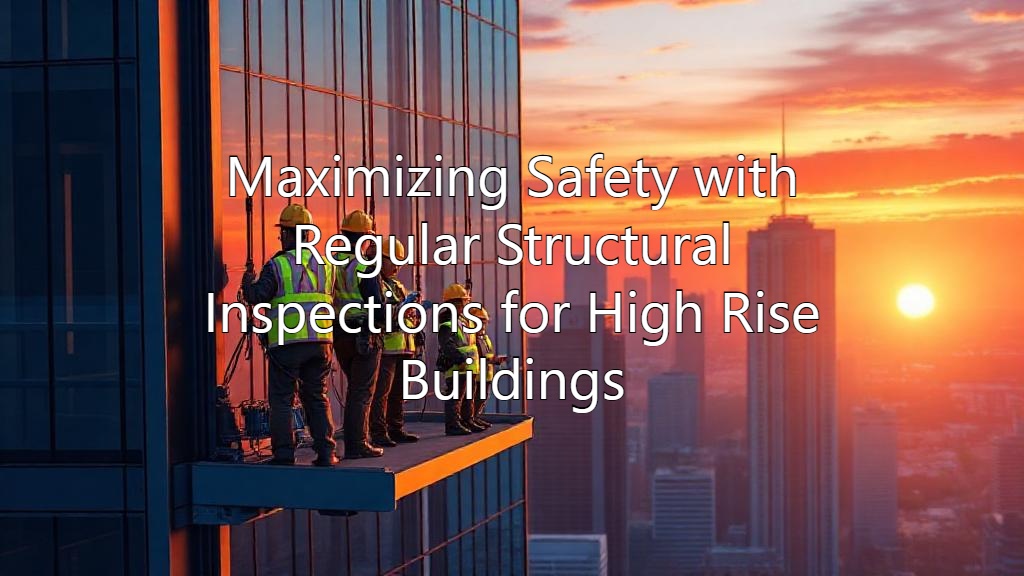
The skyscraper’s towering presence is a testament to human ingenuity.
Beneath its sleek facade, a complex network of steel and concrete beams works tirelessly to support the weight of thousands of occupants, begging the question: what happens when the foundations of these giants begin to weaken?
Like a masterfully crafted puzzle, high-rise buildings require precise maintenance to ensure the stability of their intricate structure, and regular structural inspections are the linchpin that holds it all together.
The consequences of neglecting these inspections can be catastrophic, as evidenced by the alarming statistic that nearly 80% of structural failures in high-rise buildings are attributed to inadequate maintenance.
As the population of cities continues to swell, the importance of maximizing safety in these towering edifices has never been more pressing, and it is only through diligent monitoring and inspection that the well-being of those who call them home can be guaranteed.
By adopting a proactive approach to structural inspections, builders and owners can safeguard against potential disasters, ultimately crafting a blueprint for a safer, more resilient urban landscape.
Preventing Foundational Stress and Load-Bearing Fatigue in High-Rise Buildings
High-rise buildings are prone to foundational stress and load-bearing fatigue due to their massive weight and height, which can lead to structural damage and compromisation of safety.
The soil beneath the foundation plays a crucial role in supporting the building’s weight, and any instability can have devastating consequences.
The very ground beneath a high-rise building can be its weakest link, threatening to topple the entire structure at any moment.
- Foundational flaws can be hidden from view, making them difficult to detect and repair before it’s too late.
- Soil settlement and consolidation can cause uneven distribution of weight, putting additional stress on the foundation.
- Regular maintenance and inspections are crucial to identifying and addressing potential issues before they escalate into major problems.
Regular Structural Evaluations for Seismic Activity and Extreme Weather Prone Areas
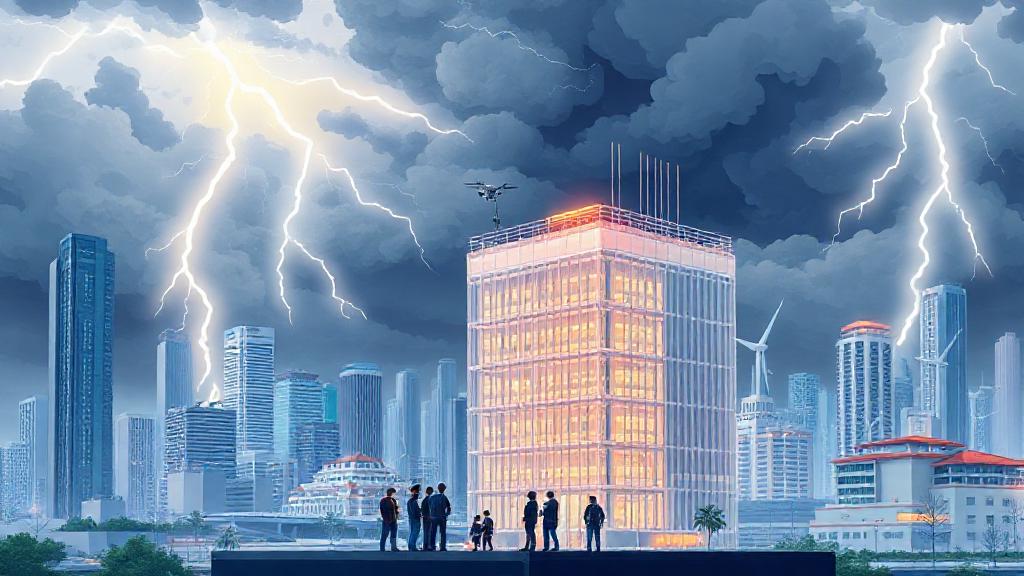
Regular structural evaluations can help identify potential vulnerabilities and weaknesses in a building’s design and construction, allowing for proactive measures to be taken to mitigate risks and ensure the safety of occupants.
By working with a team of experts, a building’s resilience can be assessed and a plan can be developed to address any issues that are found.
This might involve retrofitting the building with seismic-resistant materials or reinforcing its foundation to withstand high winds.
Many building owners and managers are taking proactive steps to protect their properties from the impacts of seismic activity and extreme weather.
Identifying Small Cracks and Material Deterioration in Concrete and Steel Components
A small, almost imperceptible crack in a critical steel beam of a newly constructed skyscraper can be a telltale sign of material deterioration, which could have catastrophic consequences if left unchecked.
Regular inspections and advanced technologies, such as acoustic emission testing and ultrasonic testing, can help detect early signs of material deterioration, allowing for timely repairs and preventing further damage.
The use of artificial intelligence and machine learning algorithms can also enhance the identification of small cracks and material deterioration, enabling engineers to analyze vast amounts of data and pinpoint potential issues before they become major problems.
By embracing these innovative solutions, the construction industry can shift from reactive to proactive maintenance, reducing risks and improving the overall resilience of buildings and infrastructure.
Creating Comprehensive Fire Safety Systems for High-Rise Buildings and Occupants
Creating a comprehensive fire safety system for high-rise buildings is akin to weaving a intricate tapestry, where every thread, from fire alarms and sprinkler systems to evacuation routes and emergency response plans, plays a crucial role in protecting the occupants from the ravages of fire.
A well-designed fire safety system combines cutting-edge technology, rigorous testing, and meticulous maintenance to create a recipe for safety, with regular fire drills and training serving as the secret ingredient that brings all the elements together.
Like a shield of protection, comprehensive fire safety systems safeguard high-rise buildings and occupants from fire’s destructive power.
Ensuring Regulatory Compliance with Thorough Documentation of Changes and Repairs
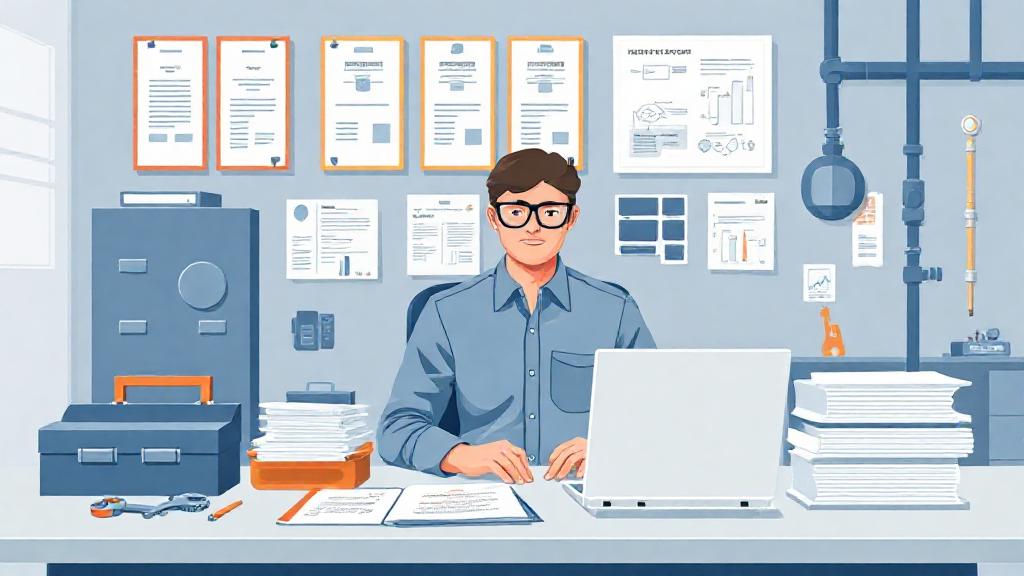
To maintain regulatory compliance, it is crucial to implement a robust system for documenting changes and repairs, as this helps to track modifications and ensure that all work is done in accordance with established standards.
A well-structured documentation process enables organizations to provide a clear audit trail, which is essential for demonstrating compliance with regulatory requirements.
Thorough documentation facilitates the identification of potential issues and enables prompt corrective action to be taken.
By prioritizing documentation, organizations can minimize the risk of non-compliance and associated penalties.
Implementing Quarterly Fire System Tests and Inspection Schedules for High-Rise Buildings
Regular testing is crucial for ensuring fire safety in high-rise buildings.
- Conducting visual inspections of fire alarms and sprinkler systems to identify potential issues
- Performing functional tests on fire pumps and hose reels to ensure proper operation
- Inspecting fire extinguishers and emergency lighting to guarantee accessibility and functionality
- Reviewing fire evacuation plans and conducting drills to prepare occupants
- Maintaining detailed records of tests and inspections to track compliance and identify areas for improvement
By prioritizing these quarterly tests and inspections, high-rise buildings can significantly reduce the risk of fire-related incidents and ensure a safe environment for occupants.
Addressing Elevator Safety Concerns with Regular Inspections and Maintenance Schedules
Elevator safety is a top priority.
Regular inspections can help identify potential issues — such as worn-out cables or faulty brakes: a well-maintained elevator is a safe one.
Regular maintenance schedules are essential to prevent accidents and ensure the safety of passengers.
The process involves checking various components, including doors, buttons, and brakes, to ensure they are functioning properly.
Elevator safety concerns can be mitigated with a combination of technology and human oversight — by investing in regular inspections and maintenance, building owners and managers can help prevent accidents and provide a safe environment for everyone.
Developing Effective Evacuation Frameworks and Emergency Procedures for High-Rise Buildings
Contrary to popular belief, traditional evacuation procedures may not be the most effective in high-rise buildings, as they often prioritize speed over safety and can lead to chaos and congestion in emergency situations.
In fact, research has shown that a more nuanced approach, taking into account the unique challenges of high-rise structures, is necessary to ensure occupant safety.
“The traditional approach to evacuation is no longer sufficient, and we need to adapt to the changing needs of high-rise buildings and their occupants, with a focus on flexibility, communication, and coordination”
Conducting Periodic Electrical and HVAC Audits to Prevent System Failures and Ensure Compliance
Conducting regular electrical and HVAC audits is crucial for identifying potential issues and ensuring compliance with regulatory standards.
These audits can help optimize energy consumption, reduce maintenance costs, and prevent downtime, ultimately contributing to a safer and more sustainable operating environment.
By incorporating periodic audits into their maintenance routine, organizations can proactively address potential problems, minimize risks, and ensure the reliable operation of their electrical and HVAC systems.
Regular audits can prevent system failures.
Proactive maintenance through periodic electrical and HVAC audits is essential for preventing system failures, reducing costs, and ensuring compliance with regulatory standards.
The safety of high-rise building occupants is inextricably linked to the integrity of their structures.
The importance of regular structural inspections cannot be overstated, as they serve as the guardian of these towering giants, ever vigilant for the slightest hint of weakness or decay.
Just as a single, misplaced brick can threaten the stability of an entire edifice, a single, overlooked defect can have catastrophic consequences, underscoring the necessity of meticulous, ongoing scrutiny.
As we move forward, embracing innovative technologies and methodologies to enhance the inspection process, we are reminded that the true cornerstone of safety lies not in the buildings themselves, but in the diligent, unrelenting pursuit of excellence that underpins their construction and maintenance.
Ultimately, it is this unwavering commitment to safety that will continue to inspire confidence in these marvels of modern engineering, allowing us to reach for the sky with reckless abandon, secure in the knowledge that the foundations beneath us are strong and unshakeable.