




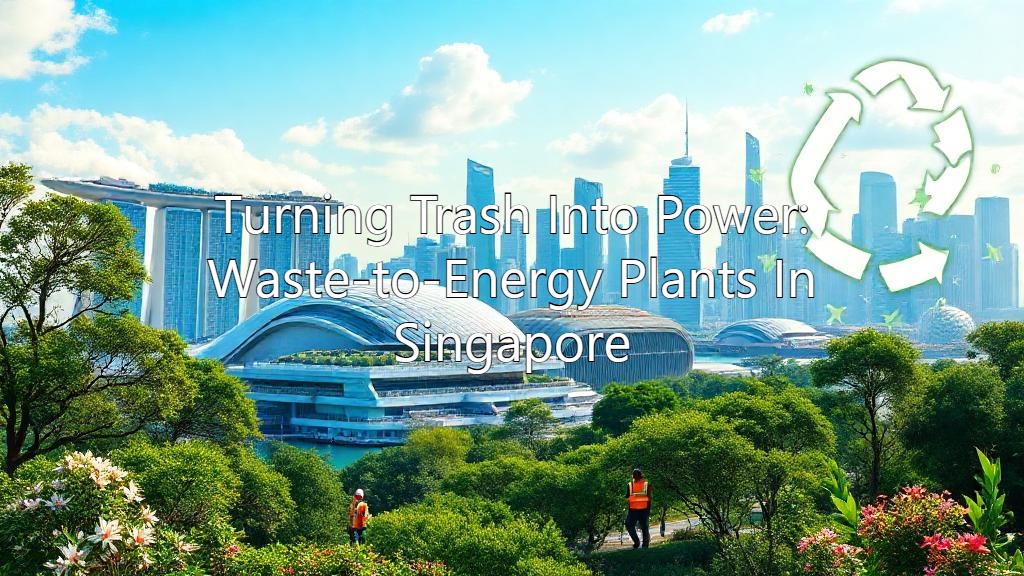
As the adage goes, “one man’s trash is another man’s treasure,” and in Singapore, this phrase takes on a whole new meaning, where waste is being transformed into a valuable resource – energy.
The city-state, known for its meticulous planning and innovative approach to sustainability, has been actively pursuing waste-to-energy solutions to tackle its mounting waste management challenges.
With a staggering 2.53 million tonnes of waste sent to landfills in 2020 alone, Singapore’s waste-to-energy plants have become a crucial component in the country’s quest to reduce, reuse, and recycle, mirroring the human body’s ability to convert food into energy, but instead, converting trash into power.
This remarkable process is not only helping to mitigate the environmental impacts of waste disposal but also generating electricity to power homes and businesses, making it a vital cog in Singapore’s sustainability machinery.
As the nation continues to urbanise and grow, the importance of waste-to-energy plants in turning trash into power cannot be overstated, serving as a beacon of hope for a cleaner, greener future.
Waste Management Issues In Singapore Require Alternative Solutions Immediately
Waste management in Singapore has become a pressing concern, with the country’s limited landfills and growing population putting a strain on existing infrastructure.
The government has implemented various initiatives to reduce waste and increase recycling rates, but more needs to be done to address the issue.
As the nation continues to urbanise and consume more resources, it is essential to explore innovative solutions to manage waste sustainably.
- Urgent action is needed to develop and implement effective waste reduction and recycling strategies.
- Sustainable practices must be adopted by individuals, businesses, and governments to minimise waste and promote a circular economy.
- Innovative technologies, such as waste-to-energy conversion, can play a crucial role in reducing waste and generating clean energy.
Reducing Solid Waste Volume By 90% Through Waste-To-Energy Plants
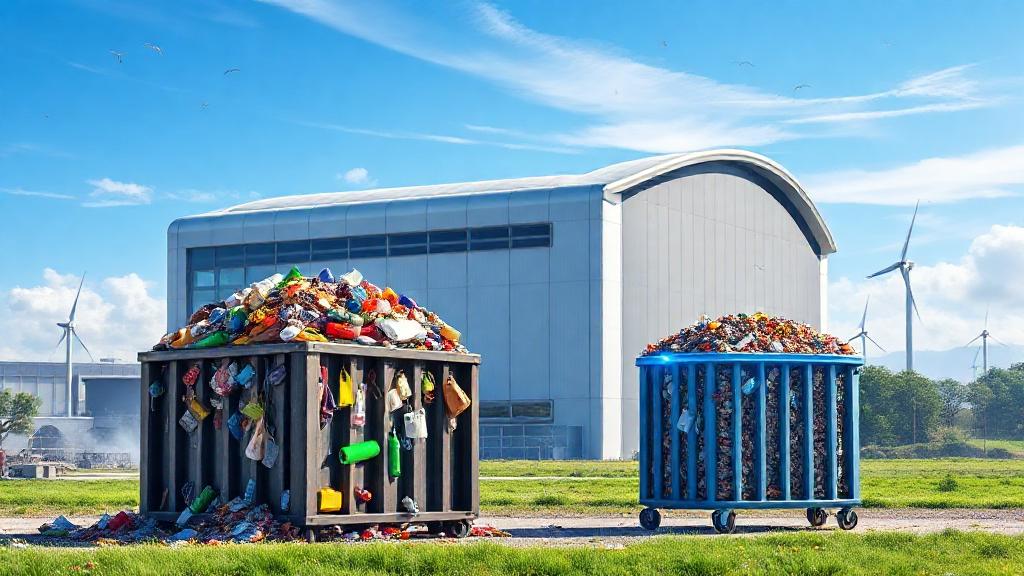
Imagine a park, only to be surrounded by piles of trash and debris, a stark reminder of the solid waste management issues plaguing the community.
The smell and sight of garbage can be overwhelming, making one question the current waste disposal methods.
As one delves deeper into the issue, they’ll find that traditional landfilling is no longer a viable solution, given its significant environmental drawbacks, including greenhouse gas emissions and leachate contamination.
Waste-to-energy plants offer a promising alternative, utilising advanced technologies to convert non-recyclable waste into energy, thereby reducing the volume of solid waste sent to landfills.
This approach not only minimises environmental harm but also generates electricity and heat, contributing to a more sustainable energy mix.
Converting Trash Into Electricity For Homes And Businesses In Singapore
In Singapore, a pioneering project has been initiated to convert trash into electricity, providing a sustainable solution for waste management and renewable energy.
For instance, the Senoko Waste-to-Energy Plant has been successfully generating electricity from waste, powering numerous homes and businesses.
This innovative approach has not only reduced the country’s reliance on fossil fuels but also minimised waste disposal in landfills.
As a result, the plant has become a model for other countries to follow in their quest for sustainable energy solutions.
The process of converting trash into electricity involves the combustion of waste materials, such as food waste and plastics, to produce steam, which then drives a turbine to generate electricity.
This technology has been gaining traction in Singapore, with several companies investing in waste-to-energy facilities to capitalise on the country’s push for sustainability.
Exploring Waste-To-Energy Technologies For Sustainable Waste Disposal Methods
Waste-to-energy technologies are revolutionising the way we approach waste disposal, converting waste into valuable energy sources, such as heat, electricity, or biofuels, thereby reducing greenhouse gas emissions and mitigating the environmental impacts of traditional landfilling methods.
These innovative technologies, including incineration, gasification, and anaerobic digestion, are being implemented worldwide to manage waste sustainably and efficiently.
The benefits of these technologies are numerous, ranging from reduced waste disposal costs to increased energy independence, making them an attractive solution for cities and countries seeking to minimise their environmental footprint.
Waste-To-Energy Plants In Singapore, Including TuasOne And Keppel Seghers Facilities

Waste-to-energy plants in Singapore play a crucial role in managing the city-state’s waste disposal, with facilities like TuasOne and Keppel Seghers being notable examples.
These plants utilise advanced technologies to convert waste into energy, reducing the need for landfills and minimising environmental impact.
The TuasOne facility, for instance, has a capacity to process 800 tons of waste per day, generating electricity for approximately 200,000 households.
By adopting such innovative approaches, Singapore aims to achieve a more sustainable and eco-friendly waste management system.
Incineration Process And Ash Residue Management In Waste-To-Energy Facilities
Incineration is a crucial step in waste management, producing energy while reducing waste volume.
- Generating heat from waste combustion to produce steam and electricity
- Processing ash residue through recycling or disposal methods
- Monitoring emissions to ensure compliance with environmental regulations
- Optimising incineration conditions to minimise ash production and maximise energy output
- Implementing safety measures to protect workers and the environment from ash residue
Incineration facilities must balance energy production with responsible ash management, making it a complex process that requires careful planning and execution.
New Waste-To-Energy Facility Construction By Mitsubishi Heavy Industries Underway
Mitsubishi Heavy Industries is building a new waste-to-energy facility, a massive project with a significant impact on the environment, reducing waste and generating electricity.
Construction is underway, and the facility is expected to be operational soon.
It will have a capacity to process large amounts of waste.
The new facility will provide a sustainable solution to waste management, reducing greenhouse gas emissions and promoting a cleaner environment.
Waste-to-energy technology is a game-changer in the way we think about waste disposal and how we can harness energy from it.
Improving Recycling Rates And Reducing Waste Generation In Singapore Communities
Despite common assumptions, increasing recycling facilities does not necessarily lead to higher recycling rates, as evidenced by the lack of significant improvement in recycling rates in areas with ample facilities.
In contrast, countries like Sweden have achieved high recycling rates through a combination of education, policy, and infrastructure, demonstrating that a multifaceted approach can be more effective.
Maximising Energy And Resource Recovery From Solid Waste Through Innovative Technologies
The integration of innovative technologies in solid waste management has revolutionised the way energy and resources are recovered, enabling a significant reduction in greenhouse gas emissions and promoting a more circular economy.
Through the implementation of advanced recycling methods, such as mechanical biological treatment and anaerobic digestion, municipalities can effectively extract valuable materials and energy from waste, thereby minimising the amount of waste sent to landfills.
Maximising energy and resource recovery from solid waste is crucial for a sustainable future.
As the sun sets over Singapore, the hum of waste-to-energy plants continues to power the city, a testament to the nation’s commitment to turning trash into treasure.
The innovative approach to waste management has not only reduced the country’s reliance on landfills but also generated a significant amount of electricity, powering homes and businesses alike.