




The skeletal framework of a building rises from the ground, and a crucial decision has already been made – one that will determine the strength, durability, and sustainability of the structure: the choice between steel and concrete.
Like a master chef selecting the finest ingredients for a signature dish, architects and engineers must carefully weigh the pros and cons of these two fundamental materials.
With steel accounting for around 10% of global carbon emissions, the environmental implications of this decision cannot be overlooked.
As the world grapples with the challenges of climate change, urbanisation, and population growth, the age-old debate between steel and concrete has taken on a new sense of urgency, prompting the question: which material will form the backbone of modern structures, and what are the key considerations driving this choice?
The answer, much like the structures themselves, is complex and multifaceted, requiring a deep dive into the properties, advantages, and limitations of both steel and concrete.
Understanding the Fundamentals of Steel and Concrete in Construction Projects
The construction industry relies heavily on steel and concrete, two materials that have been used for centuries to build structures that stand the test of time.
From skyscrapers to bridges, these materials are the backbone of modern infrastructure, providing strength, durability, and versatility.
The choice between steel and concrete depends on various factors, including the project’s requirements, budget, and environmental considerations.
As the world’s population continues to urbanise, the demand for steel and concrete is skyrocketing, with the global construction market expected to reach new heights in the coming years.
- Sustainability is a growing concern in the construction industry, with steel and concrete production accounting for a significant portion of greenhouse gas emissions.
- The use of recycled materials is becoming increasingly popular, with many construction companies opting for eco-friendly alternatives to traditional steel and concrete.
- Advances in technology are revolutionising the construction industry, enabling the development of stronger, more durable, and more sustainable steel and concrete products.
Evaluating the Advantages and Limitations of Concrete as a Building Material Option

Concrete is a composite material made from a mixture of cement, water, and aggregate, offering a unique combination of strength, flexibility, and affordability.
Its advantages include high compressive strength, resistance to weathering and erosion, and the ability to be moulded into various shapes and forms.
However, concrete also has some limitations, such as its potential for cracking, high embodied energy, and limited tensile strength.
Exploring the Benefits of Reinforced Concrete in Modern Structural Designs
Reinforced concrete offers numerous advantages in modern construction, including enhanced strength, durability, and resistance to environmental stresses.
By combining the compressive strength of concrete with the tensile strength of steel reinforcement, builders can create structures that are both robust and long-lasting, reducing the need for costly repairs and maintenance.
The use of reinforced concrete also enables greater design flexibility, allowing architects to create complex shapes and forms that would be impossible with other materials.
Delving into the Properties and Applications of Structural Steel in Construction
Structural steel is the backbone of modern construction, providing the framework for buildings, bridges, and other infrastructure.
Its unique combination of high strength, stiffness, and ductility makes it an ideal material for withstanding various loads and stresses.
The properties of structural steel, including its ability to be shaped and moulded into various forms, have led to its widespread adoption in the construction industry.
Assessing the Strength-to-Weight Ratio of Steel Compared to Concrete Materials
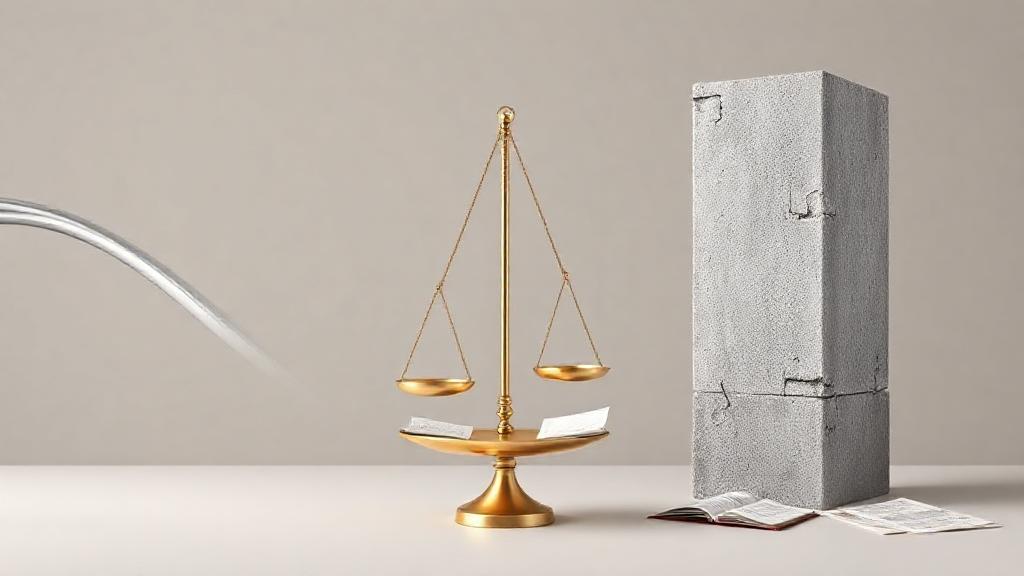
When evaluating the strength-to-weight ratio of steel versus concrete materials, it’s essential to consider the unique properties of each.
Steel is known for its high strength-to-weight ratio, making it an ideal choice for construction projects that require minimal weight while maintaining maximum strength.
In contrast, concrete has a lower strength-to-weight ratio, but its durability and resistance to compression make it a popular choice for foundations and structural elements.
Comparing the Construction Time and Space Requirements for Steel and Concrete
Construction projects often weigh the pros and cons of using steel versus concrete.
- Determining the foundation requirements for each material, with steel typically requiring less space
- Assessing the environmental impact, as steel is often more recyclable than concrete
- Evaluating the construction time, with steel buildings sometimes being erected faster than concrete ones
- Calculating the cost differences, as steel can be more expensive upfront, but may save money in the long run
- Comparing the durability and maintenance needs of each material, with steel often being more resistant to damage
Analysing the Durability and Sustainability of Steel and Concrete in Various Environments
Durability is key.
Steel and concrete, two of the most widely used construction materials, have distinct advantages — steel offers a high strength-to-weight ratio, while concrete provides excellent thermal mass.
A material’s ability to withstand environmental factors — like extreme temperatures, heavy rainfall, or exposure to saltwater — is crucial in determining its lifespan.
In terms of sustainability, concrete has a lower embodied energy compared to steel, making it a more environmentally friendly option.
Investigating the Role of Moisture Protection in Steel Construction and Maintenance
Moisture protection is not just an afterthought in steel construction, but rather a crucial step that can make or break the integrity of the structure.
In fact, neglecting moisture protection can lead to catastrophic consequences.
A well-designed moisture protection system can significantly extend the lifespan of a steel structure, saving millions of dollars in repair and maintenance costs.
Optimising the Choice Between Steel and Concrete Based on Project-Specific Needs
When it comes to selecting the most suitable material for a construction project, the choice between steel and concrete is often a critical decision that can significantly impact the overall cost, durability, and sustainability of the structure.
Both materials have their own set of advantages and disadvantages, and the optimal choice depends on various factors such as the project’s specific needs, environmental conditions, and aesthetic requirements.
The choice between steel and concrete ultimately depends on the project’s unique requirements.
As we weigh the merits of steel and concrete in modern structures, the choice between these two materials ultimately depends on the specific needs and goals of each project.
The decision to use steel or concrete can have a lasting impact on the environment, the building’s occupants, and the surrounding community.
Looking to the future, it is likely that advancements in technology and sustainable practices will continue to shape the way we think about and use these materials, potentially leading to innovative new applications and combinations of steel and concrete.
As architects, engineers, and builders, we must consider the complex interplay between aesthetics, functionality, and sustainability, and strive to create structures that not only stand the test of time but also inspire and uplift those who interact with them.
By doing so, we can create a built environment that is both functional and beautiful, with steel and concrete working together in harmony to support the needs of generations to come.