




As a spark ignites a flame, a single oversight in fire safety compliance can engulf an entire building project in Singapore, leaving a trail of destruction and devastation in its wake.
With the city-state’s dense urban landscape and high population density, the risk of fire spreading rapidly is a constant concern, making fire safety compliance a top priority for builders and developers.
But what drives this compliance, and how do stakeholders ensure that buildings are designed and constructed with safety in mind?
The answer lies in a complex interplay of factors, including regulatory frameworks, industry standards, and technological advancements, which collectively form a robust firewall against the threat of fire.
Understanding Fire Safety Regulations in Singapore for Building Compliance
Fire safety regulations in Singapore are crucial for ensuring the well-being of occupants and preventing devastating fires.
The Singapore Civil Defence Force (SCDF) plays a significant role in enforcing these regulations, which are outlined in the Fire Safety Act and its accompanying regulations.
Building owners and managers must comply with these regulations to avoid penalties and ensure a safe environment.
The consequences of non-compliance can be catastrophic, resulting in loss of life, property damage, and financial ruin.
- Strict enforcement of fire safety regulations is essential for preventing fires and saving lives.
- Regular inspections and maintenance of fire safety equipment are vital for ensuring compliance and preventing fires.
- Effective emergency planning is critical for minimising damage and ensuring safe evacuation in the event of a fire.
Navigating the Fire Safety Act and Its Impact on Building Projects
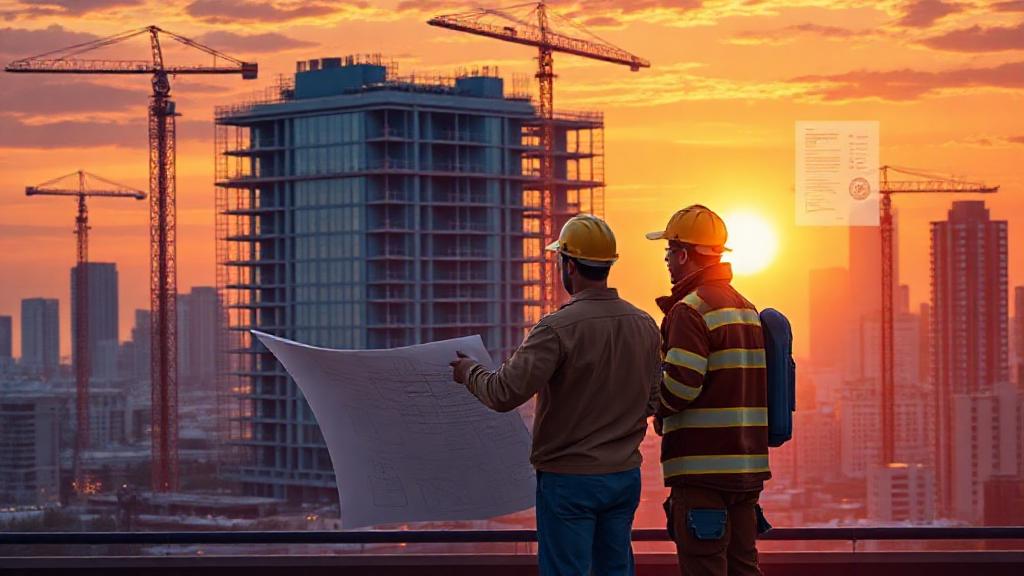
The Fire Safety Act is a comprehensive legislation that outlines the minimum fire safety standards for buildings, including those related to fire alarms, sprinkler systems, and emergency escape routes.
The Act is designed to prevent fires and minimize the risk of injury or loss of life in the event of a fire, and it’s essential to understand its provisions to avoid penalties and ensure a smooth project execution.
Building owners and managers must work closely with architects, engineers, and other stakeholders to ensure that their building project meets the Act’s requirements, which can be complex and time-consuming.
Role of the Singapore Civil Defence Force in Enforcing Fire Safety Laws
The Singapore Civil Defence Force (SCDF) plays a crucial role in enforcing fire safety laws, as seen in the case of a recent warehouse fire in Jurong, where the SCDF’s swift response and investigation led to the discovery of non-compliance with fire safety regulations, resulting in stern penalties for the building owners.
This incident highlights the importance of the SCDF’s enforcement efforts in preventing such tragedies.
The SCDF’s proactive approach to fire safety enforcement has contributed significantly to Singapore’s low fire fatality rate.
By conducting regular inspections and taking enforcement action against non-compliant buildings, the SCDF helps to protect lives and property.
Importance of Obtaining Fire Safety Certificates and Temporary Permits
Obtaining fire safety certificates and temporary permits is a crucial step in ensuring the safety and well-being of occupants in a building.
The process involves a thorough assessment of the building’s fire safety systems, including fire alarms, sprinkler systems, and emergency exits, to identify any potential risks or deficiencies.
This evaluation is typically conducted by a certified fire safety professional who will inspect the premises, review building plans and diagrams, and test fire safety equipment to ensure compliance with local regulations and standards.
The issuance of a fire safety certificate or temporary permit serves as a seal of approval, indicating that the building has met the required safety standards and is safe for occupation.
Fire Protection Systems and Products Required for Commercial Buildings
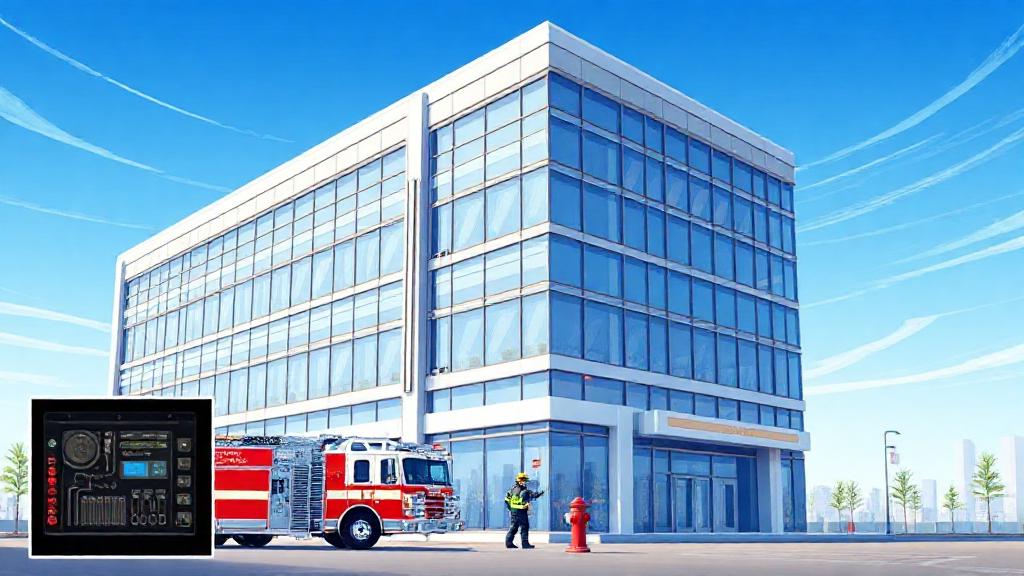
Commercial buildings require a range of fire protection systems and products to ensure the safety of occupants and prevent damage to property.
These systems and products include fire alarms, sprinkler systems, and fire extinguishers, which must be installed and maintained in accordance with local regulations and standards.
The type and complexity of fire protection systems and products required depend on the size and use of the building, as well as the types of hazards present.
Conducting Regular Fire Risk Assessments for Compliance and Safety
Regular fire risk assessments are crucial for ensuring a safe working environment.
- Identifying potential fire hazards and taking corrective action to mitigate risks
- Conducting thorough inspections of electrical equipment and wiring
- Developing emergency evacuation plans and procedures
- Implementing fire safety training programs for employees
- Reviewing and updating fire risk assessment reports regularly
By prioritising fire safety and conducting regular assessments, businesses can reduce the risk of fires and ensure compliance with regulations, ultimately protecting people and property.
Maintaining Fire Safety Equipment and Evacuation Routes in Buildings
Regular inspections are crucial — they help identify potential hazards and prevent accidents.
A well-maintained fire alarm system can be the difference between life and death.
Proper training of building occupants is essential to ensure everyone knows what to do in case of a fire.
Fire safety equipment, such as fire extinguishers and sprinkler systems, should be inspected monthly to ensure they are functioning properly.
In the event of a fire, evacuation routes must be clear and easily accessible — every second counts.
Engaging Certified Fire Safety Contractors for Installation and Servicing
Hiring uncertified fire safety contractors can be more costly in the long run due to potential risks and liabilities.
Certified fire safety contractors have the necessary training and experience to install and service fire safety systems effectively, reducing the risk of accidents and ensuring compliance with regulations.
“A single fire incident can result in losses of up to $100,000 or more, emphasizing the importance of investing in proper fire safety measures and certified contractors.”
Ensuring Compliance with Fire Safety Inspections and Avoiding Penalties
Ensuring compliance with fire safety inspections is crucial for businesses and organisations to avoid penalties and fines, as well as to protect the safety and well-being of employees, customers, and the general public.
Compliance with fire safety regulations can also help to reduce the risk of fires occurring in the first place by identifying and mitigating potential fire hazards.
Regular fire safety inspections and compliance with regulations can help businesses avoid costly penalties and fines, while also protecting the safety and well-being of employees, customers, and the general public.
As the city-state continues to evolve, it is reassuring to know that the foundations of fire safety are being continually reinforced, safeguarding the well-being of future generations.
The pursuit of fire safety compliance in Singapore’s building projects is a testament to the power of human ingenuity and the unrelenting quest for a safer, more sustainable future.
Looking ahead, it is likely that Singapore will continue to push the boundaries of innovation in fire safety, leveraging cutting-edge technologies to create even more resilient and secure buildings.