




Imagine a giant, towering dancer, swaying gently to the rhythm of the wind, its movements a testament to the delicate balance between structural integrity and aerodynamic forces.
As skyscrapers pierce the sky, they are constantly engaged in a subtle ballet with the air around them, their stability threatened by the unpredictable gusts and eddies that can turn a gentle breeze into a destructive force.
But what happens when the music gets too loud, and the winds howl with a ferocity that can topple even the sturdiest of structures?
Engineers have developed a range of innovative solutions to mitigate the effects of wind on skyscrapers, from carefully designing the building’s shape and orientation to incorporating advanced damping systems that can absorb and redirect the energy of the wind.
By understanding the complex interplay between wind, structure, and motion, engineers can create buildings that not only withstand the forces of nature but also provide a safe and comfortable environment for their occupants.
Reducing Wind Loads On Tall Buildings With Corner Softening Techniques
The concept of corner softening has gained significant attention in recent years as a means to reduce wind loads on tall buildings, thereby enhancing their structural integrity and durability.
By incorporating rounded or chamfered corners, architects and engineers can effectively mitigate the adverse effects of wind forces on these structures.
This innovative approach has the potential to revolutionise the design of high-rise buildings, enabling them to withstand extreme weather conditions with greater resilience.
The fate of a skyscraper can be decided by a single, devastating gust of wind that exploits its sharp corners and rectangular silhouette.
- Rounded corners can reduce wind loads by up to 20% compared to traditional rectangular designs.
- Chamfered edges can also help to decrease the wind-induced stresses on a building’s framework.
- Implementing aerodynamic shapes can lead to significant reductions in wind-induced vibrations and structural damage.
Understanding How Setbacks And Tapering Mitigate High Wind Effects On Skyscrapers
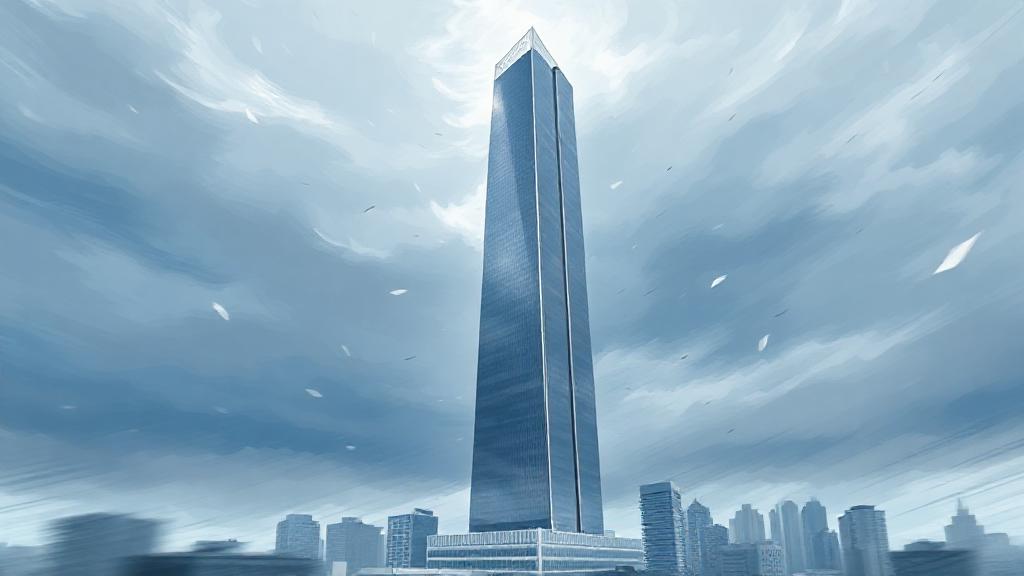
Imagine standing at the base of a towering skyscraper on a windy day, feeling the rush of air as it whips around the building.
You might wonder how these structures withstand such intense forces, especially in cities where typhoons can occur.
As you gaze up at the skyscraper’s sleek design, you notice the way it tapers inward as it rises.
The secret to its stability lies in the combination of setbacks and tapering, clever design elements that help reduce the impact of high winds.
Setbacks, which involve stepping the building at certain heights, disrupt the flow of wind and reduce the pressure on the structure.
Tapering, on the other hand, involves narrowing the building’s shape as it rises, further decreasing the wind’s force.
By incorporating these features, architects can create skyscrapers that are not only visually striking but also remarkably resilient.
Designing Skyscrapers With Porosity To Reduce Wind Resistance And Swaying Motions
The Shanghai Tower, a 632-meter-tall skyscraper in China, is a prime example of a building designed with porosity in mind, featuring a spiral design that reduces wind loads by 24%.
This unique design allows the building to withstand strong winds and reduce the likelihood of swaying motions, making it a more comfortable and safe space for occupants.
The tower’s porous design also provides ample natural ventilation, reducing the need for mechanical cooling systems.
By incorporating porosity into its design, the Shanghai Tower has set a new standard for sustainable and resilient skyscraper design.
The concept of porosity in skyscraper design is centred around creating openings and gaps in the building’s facade to reduce wind resistance and allow for natural ventilation.
By doing so, architects can create a more efficient and sustainable building that not only reduces energy consumption but also provides a more comfortable indoor environment for occupants.
Using Tuned Mass Dampers To Counteract Motion And Create Stable Environments
Tuned mass dampers are ingenious devices that work like a skilled ballerina, gracefully countering unwanted motions with precise, subtle movements.
These clever contraptions are designed to mitigate the effects of external forces, such as earthquakes, strong winds, or vibrations, by using a secondary mass that oscillates in opposition to the primary mass, thereby reducing the overall motion of the system.
The process is akin to a symphony orchestra, where each instrument plays a unique role, working in harmony to create a beautiful, cohesive sound, with the tuned mass damper serving as the master conductor, expertly guiding the movement of the system to achieve perfect harmony.
By carefully calibrating the mass, stiffness, and damping of the system, engineers can create a stable environment that is resistant to external disturbances.
Impact Of Height-to-Width Ratio On Skyscraper Swaying And Wind Resistance Issues
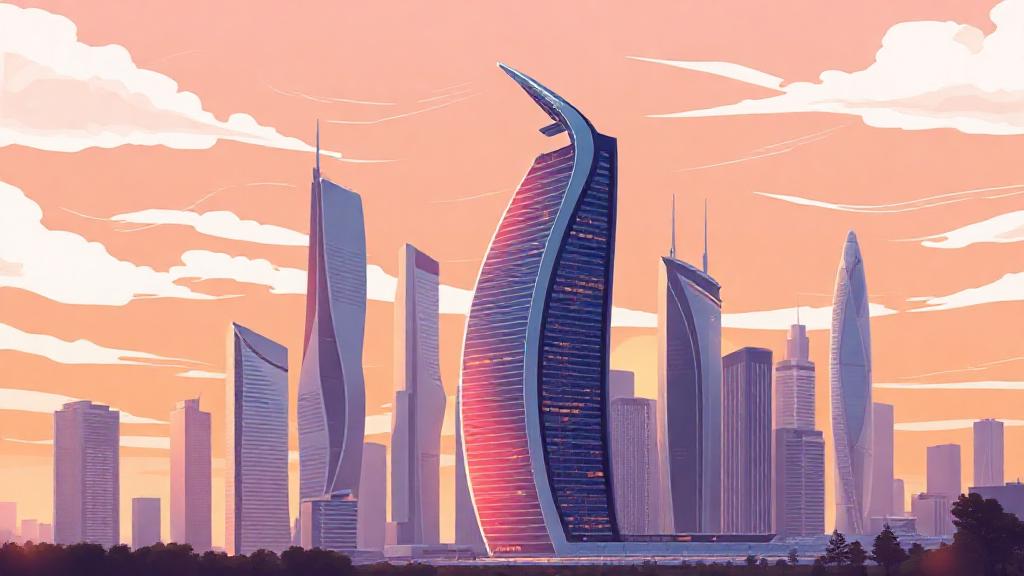
The height-to-width ratio of a skyscraper plays a crucial role in determining its susceptibility to swaying and wind resistance issues.
A higher height-to-width ratio can lead to increased wind loads, causing the building to sway more violently, which can be uncomfortable for occupants and potentially damaging to the structure.
Furthermore, a taller and narrower building is more prone to vortex shedding, a phenomenon where wind flows around the building, creating rotating air masses that can exert significant forces on the structure.
Architectural Tricks For Reducing Wind Resistance On Modern Skyscrapers And High-Rises
Implementing innovative designs can significantly minimise wind resistance on tall buildings.
- Utilising aerodynamic shapes to reduce drag and vortex shedding.
- Incorporating tuned mass dampers to counteract wind-induced vibrations.
- Designing irregular building shapes to disrupt wind flow patterns.
- Installing wind turbines or solar panels to harness energy and reduce loads.
- Employing advanced materials and structural systems to optimise building performance.
By applying these strategies, architects can create more efficient, sustainable, and resilient skyscrapers that withstand strong winds and reduce their environmental impact.
Effects Of Twisted Sides And Tapered Pointy Tips On Wind Reduction And Swaying Motions
Twisted sides and tapered pointy tips can significantly reduce wind resistance.
Aerodynamic performance — the key to minimising sway: it’s all about the shape.
Reducing wind loads is crucial for structures to withstand extreme weather conditions.
Tapered pointy tips disrupt airflow, creating turbulence — and that’s a good thing: it helps to break up the flow.
In the context of wind reduction and swaying motions, researchers have found that twisted sides can decrease vortex shedding, leading to a more stable structure.
Role Of Dampers In Reducing Peak Acceleration And Decay Time In Tall Buildings
Contrary to popular belief, dampers are not just an added luxury in tall buildings, but a crucial component in reducing peak acceleration and decay time.
In fact, they can be the difference between a building withstanding an earthquake and one that succumbs to the forces of nature.
The traditional view that dampers are only necessary for exceptionally tall or uniquely designed buildings is misguided.
However, a closer look at the data reveals that dampers can significantly improve the seismic resilience of buildings of all heights.
Minimising Swaying And Vibrations In Skyscrapers With Advanced Damper Design And Technology
The incorporation of advanced damper systems in skyscraper design has revolutionised the way architects and engineers approach minimising swaying and vibrations.
As the demand for taller and more sustainable skyscrapers continues to grow, it is essential for engineers and architects to prioritise wind resistance and swaying issues in their designs and to explore new and innovative solutions to these challenges.
The effective use of advanced damper systems is crucial for minimising swaying and vibrations in skyscrapers, and can significantly enhance the comfort, safety, and durability of these structures.
As we gaze up at the towering skyscrapers that pierce the city skyline, it’s easy to forget the intricate dance of forces at play, with winds whipping and buffeting these giant structures.
The innovative solutions that engineers have devised to mitigate the effects of strong winds are a testament to human ingenuity and the relentless pursuit of stability in an unpredictable world.
Looking to the future, as urban landscapes continue to evolve and skyscrapers reach for even greater heights, the challenge of balancing architectural ambition with safety and structural integrity will only continue to grow, prompting engineers to push the boundaries of what is possible.
Ultimately, the delicate balance between wind, steel, and stone will remain an enduring puzzle, with the most skilled engineers working tirelessly to ensure that these towering giants remain steadfast, even in the face of nature’s fury.