




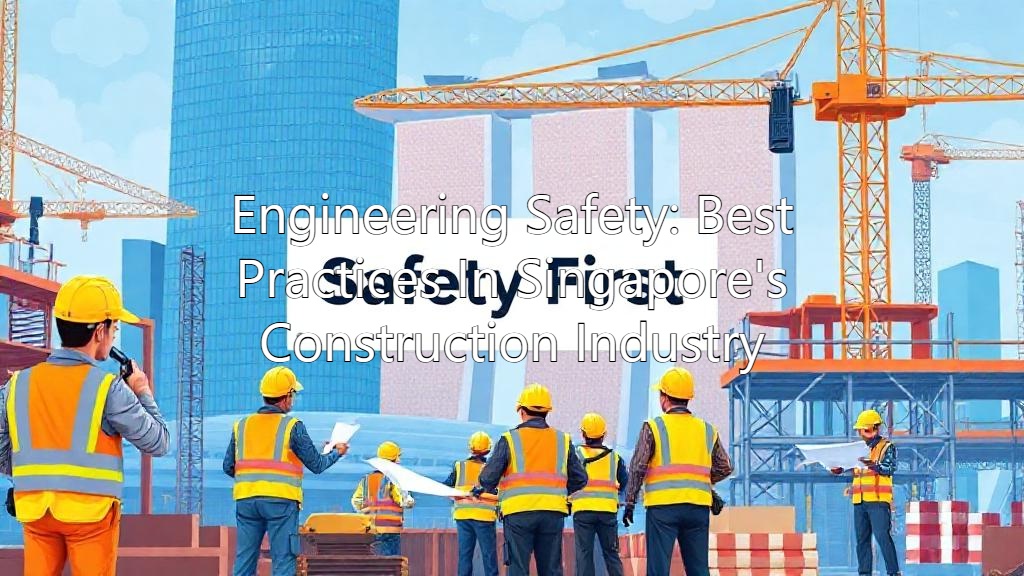
As the skyscrapers of Singapore’s cityscape continue to pierce the clouds, the construction industry’s foundation is built on a delicate balance of innovation and safety.
The city-state’s building sector accounts for nearly a quarter of its workforce, and the stakes are high, with the margin for error being razor-thin.
The construction industry in Singapore can strike a perfect harmony between progress and protection by embracing a culture of engineering safety, where best practices are woven into the fabric of every project, from the initial blueprint to the final inspection.
By prioritising safety, Singapore’s construction industry can ensure that its towering achievements are built on a foundation of resilience, responsibility, and respect for human life.
Workplace Safety Regulations in Singapore’s Construction Industry Explained
Workplace safety regulations are crucial in Singapore’s construction industry, where accidents can have devastating consequences.
The government has implemented various measures to ensure a safe working environment, including the Workplace Safety and Health Act.
By understanding these regulations, construction companies can minimise risks and protect their employees.
Stringent laws are in place to hold employers accountable for workplace safety.
Regular inspections are conducted to identify and mitigate potential hazards.
Implementing safety training programs can significantly reduce the risk of accidents and injuries.
Understanding Part II Safety and Health Management Arrangement Requirements
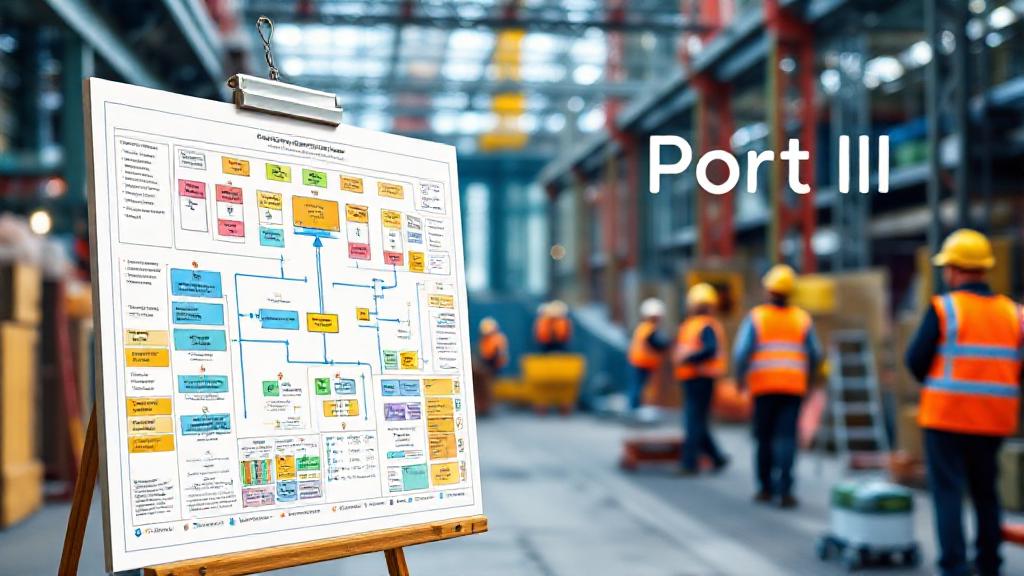
To establish a robust Safety and Health Management System (SHMS) that meets Part II requirements, a systematic approach to managing workplace hazards and risks must be implemented.
This involves identifying potential dangers, assessing risks, and developing strategies to mitigate or eliminate them.
By doing so, a safer and healthier work environment can be created, benefiting everyone involved.
Importance of Permit-to-Work Systems in Preventing Unauthorised Construction Work
A permit-to-work system plays a crucial role in preventing unauthorised construction work by ensuring that all work is properly planned, authorised, and monitored.
This system helps to identify potential hazards and risks associated with the work, allowing for necessary precautions to be taken to prevent accidents and injuries.
The implementation of a permit-to-work system also helps to improve communication and coordination among workers, contractors, and project managers, reducing the risk of misunderstandings and errors.
Electrical Safety Measures in Construction Sites to Prevent Accidents and Injuries
Implementing electrical safety measures on construction sites is crucial to mitigate the risks of electrical hazards.
Contractors and site managers must ensure that all electrical equipment is regularly inspected and maintained.
Verifying that tools and machinery are properly grounded and that workers are equipped with personal protective equipment (PPE) such as insulated gloves and hard hats is essential.
Training programs should be instituted to educate workers on the dangers of electrical hazards and the procedures for safely handling electrical equipment.
Role of Cranes and Material Handling Machinery in Construction Site Safety Management
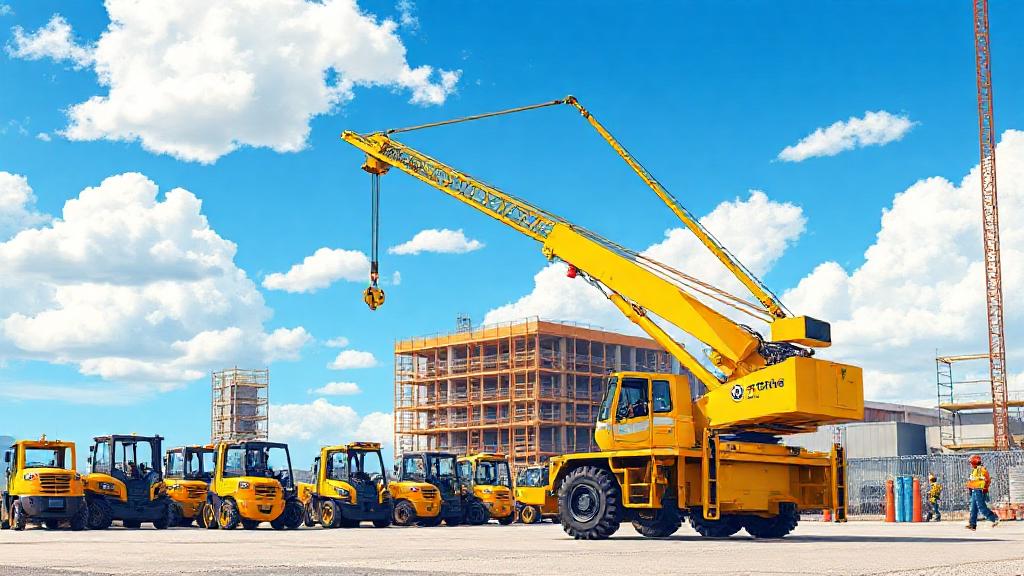
The effective management of construction site safety is heavily reliant on the proper use and maintenance of cranes and material handling machinery.
These machines play a critical role in ensuring the smooth operation of construction projects, and their safe operation is essential to preventing accidents and injuries.
Construction site managers must implement robust safety protocols and procedures for the operation and maintenance of these machines.
Environmental Management and Sustainability in Construction Projects: Best Practices
Implementing sustainable practices is crucial in modern construction projects.
Conducting thorough environmental impact assessments to minimise harm is essential.
Developing green building designs that prioritise energy efficiency is also important.
Implementing waste reduction and recycling strategies on-site can significantly reduce the environmental footprint of construction projects.
Regularly monitoring and reporting environmental performance is necessary to ensure compliance with regulatory requirements.
Collaborating with stakeholders to promote sustainable practices can help construction projects contribute to a more sustainable future.
Implementing Corporate Safety and Health Policy Statements in Construction Companies
A well-crafted safety policy is essential for construction companies to ensure a safe working environment for all employees.
Implementing a comprehensive safety policy can significantly reduce the risk of accidents and injuries on construction sites.
Construction companies must prioritise safety and conduct regular safety audits, provide employees with training, and ensure that all safety equipment is in good working condition.
By prioritising safety, construction companies can reduce the risk of accidents, improve employee morale, and enhance their reputation.
Near Miss Reporting Systems and Zero Accident Movement Goals in Construction Safety
The notion that achieving zero accidents is a realistic goal in construction safety is misleading, as it can create a culture of underreporting incidents.
A more effective strategy focuses on encouraging near-miss reporting to foster a safety-oriented culture.
Many construction companies have successfully implemented near-miss reporting systems, which have led to significant reductions in accident rates and improved overall safety.
Effective Vendor Requirements and Compliance with Construction Safety Regulations
Ensuring compliance with construction safety regulations is crucial for vendors to minimise risks and avoid potential liabilities.
Implementing a robust vendor management system that includes regular audits and assessments to verify adherence to safety protocols and standards is necessary.
Effective vendor requirements should also include clear communication of safety expectations and consequences of non-compliance, as well as providing vendors with the necessary training and resources to ensure they can meet the required safety standards.
As we look to the future of Singapore’s construction industry, it is clear that engineering safety will remain a top priority, with the city-state’s bustling skyline and innovative infrastructure projects continuing to push the boundaries of what is possible.
The implementation of best practices, such as regular risk assessments and employee training programs, will be crucial in minimising hazards and ensuring a safe working environment for all.
With the Singaporean government’s commitment to workplace safety and the industry’s growing emphasis on technological advancements, the potential for a safer and more efficient construction sector is vast.
The fusion of innovation and vigilance will be the key to unlocking a future where construction and safety go hand in hand, shaping the very fabric of Singapore’s built environment.