




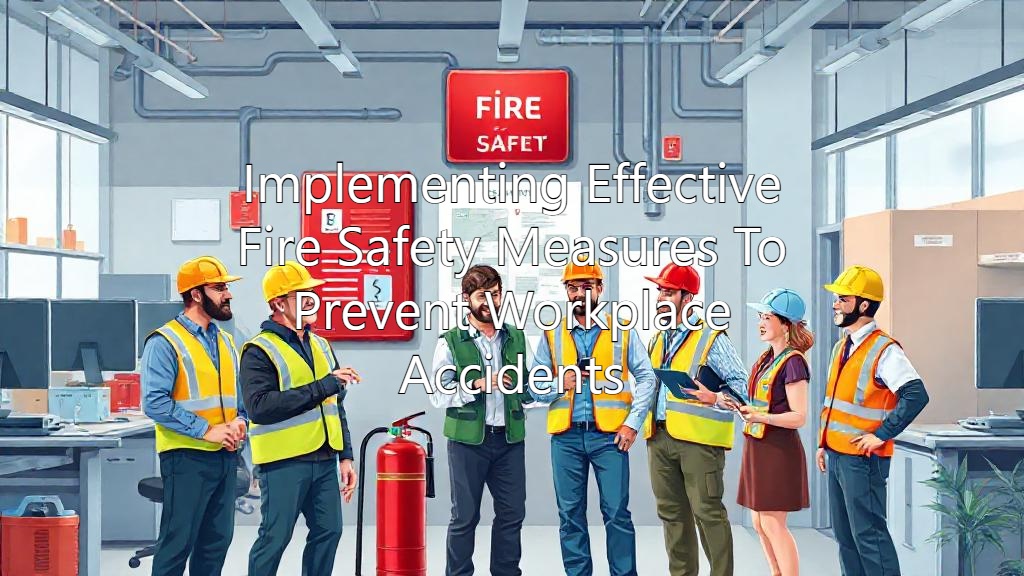
Fire safety is crucial for protecting employees, equipment, and facilities from the ravages of fire.
It requires a multifaceted approach that encompasses prevention, preparedness, and prompt response.
Employers must strike a delicate balance between safety protocols, employee training, and emergency procedures to create a fire-safe work environment.
By doing so, they can significantly reduce the risk of workplace accidents and ensure a safe and healthy work environment for everyone.
Understanding Industry-Specific Fire Risks To Maintain A Safe Work Environment Effectively
Understanding the unique fire risks associated with various industries is crucial for maintaining a safe work environment.
Different sectors have distinct hazards that can lead to devastating consequences.
The importance of industry-specific fire risk assessments cannot be overstated, as they help identify potential dangers and implement targeted mitigation strategies.
By acknowledging these risks, businesses can take proactive measures to protect their employees, assets, and reputation.
- Identifying potential fire hazards is the first step towards creating a safer work environment.
- Assessing the likelihood and potential impact of fires is essential for developing effective mitigation strategies.
- Implementing industry-specific fire safety protocols can significantly reduce the risk of fires and minimise damage.
Assigning A Fire Safety Role To Oversee Workplace Fire Prevention And Emergency Response

Assigning a fire safety role to a competent individual is crucial in preventing fires, responding to emergencies, and minimising damage.
This role involves conducting regular fire risk assessments, developing emergency response plans, and providing training to employees.
The person in charge of assigning roles plays a crucial part in ensuring the workplace is prepared for any fire-related emergencies.
Regularly Inspecting And Maintaining Fire Equipment To Prevent Small Fires From Spreading
Regular inspections of fire equipment can help identify potential issues before they become major problems, allowing for prompt repairs and maintenance.
By staying on top of fire equipment maintenance, businesses and individuals can reduce the risk of small fires spreading and causing significant damage or harm.
Effective fire equipment maintenance requires a proactive approach, including regular checks of fire extinguishers, smoke detectors, and other critical systems.
Educating Employees On Fire Safety Guidelines And Emergency Evacuation Procedures
Educating employees on fire safety guidelines and emergency evacuation procedures is a crucial aspect of workplace safety.
A well-structured fire safety training program empowers employees with the knowledge and skills to respond promptly and effectively in the event of a fire emergency.
Regular fire drills and training sessions are essential to reinforce fire safety knowledge and identify areas for improvement.
Identifying Potential Fire Hazards In The Workplace Through Thorough Walkthroughs And Assessments

To minimise the risk of fires in the workplace, it is essential to conduct regular walkthroughs and assessments to identify potential hazards.
These walkthroughs should be thorough and systematic, covering all areas of the workplace, including storage rooms, kitchens, and electrical rooms.
By doing so, employers can pinpoint potential fire hazards, such as faulty electrical equipment, flammable materials, and inadequate fire suppression systems.
Ensuring Clear Evacuation Routes And Accessible Emergency Exits In The Workplace Setting
Maintaining a safe work environment is crucial for employee well-being.
- Identify potential hazards and obstacles in evacuation routes.
- Develop a comprehensive emergency exit plan with regular drills.
- Install clear signage and markings to guide employees to exits.
- Conduct regular inspections to ensure compliance with safety regulations.
- Train employees on emergency procedures and evacuation protocols.
Conducting Fire Risk Assessments To Mitigate Hazards And Prevent Workplace Fires And Accidents
Conducting thorough fire risk assessments is crucial for any organisation.
A key component of a comprehensive fire safety strategy is identifying potential hazards and taking proactive measures to mitigate them.
Fire can spread quickly, and it’s a matter of minutes before the entire workplace is engulfed in flames.
Effective fire risk assessments can help prevent devastating consequences, including loss of life and property damage.
Implementing Effective Fire Safety Measures To Reduce The Risk Of Workplace Accidents And Injuries
Many believe that fire safety measures are a one-time implementation, but the reality is that they require constant monitoring and updates.
A well-planned and regularly updated fire safety strategy can significantly reduce the risk of workplace accidents and injuries.
In fact, fire safety is an ongoing process that demands regular assessments and improvements.
Developing A Comprehensive Fire Safety Plan To Protect Employees And Prevent Property Damage Losses
A well-structured fire safety plan is crucial for minimising the risk of injuries and fatalities, as well as reducing potential property damage and financial losses.
The plan should include a thorough risk assessment, which involves identifying potential fire hazards and implementing control measures to mitigate these risks.
A comprehensive fire safety plan should also include procedures for emergency evacuation, fire extinguishment, and first aid, as well as a system for reporting and investigating fires.
By developing and implementing a comprehensive fire safety plan, organisations can significantly reduce the risk of fire-related incidents and ensure a safe working environment for their employees.
As we consider the importance of implementing effective fire safety measures to prevent workplace accidents, it becomes clear that a proactive approach is essential in safeguarding lives and property.
By prioritising fire safety, organisations can significantly reduce the risk of accidents, ensuring a secure environment for employees to thrive.
Looking ahead, businesses must stay vigilant and adapt to evolving fire safety standards, leveraging advancements in technology and expertise to mitigate potential hazards.
Ultimately, the implementation of robust fire safety measures serves as a powerful testament to an organisation’s commitment to the well-being of its workforce, fostering a culture of safety and responsibility that resonates throughout every aspect of the workplace.