




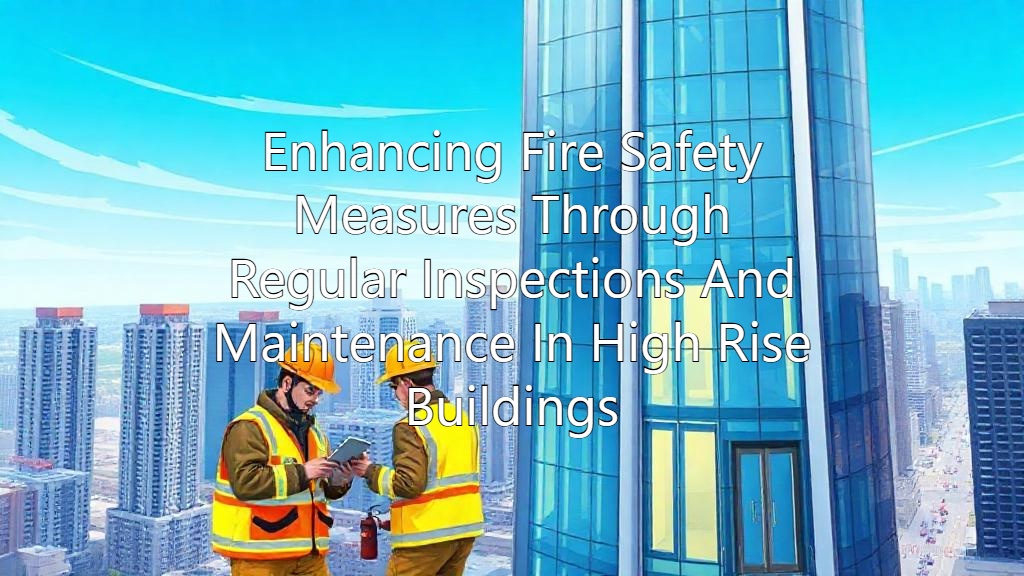
High-rise buildings pose unique challenges due to their vertical layout and dense occupancy, where a fire can spread with alarming rapidity, entrapping occupants and overwhelming emergency responders.
In Singapore, where urban density is a defining characteristic, the risk of high-rise fires is especially pronounced, with the country’s Building and Construction Authority (BCA) emphasising the need for vigilant maintenance and inspections to prevent such disasters.
Regular inspections and maintenance are the linchpins of a comprehensive fire safety strategy, enabling building managers to identify and rectify potential hazards before they escalate into full-blown emergencies.
Enhancing High-Rise Building Fire Safety Through Proactive Inspection And Maintenance Strategies
High-rise buildings pose unique fire safety challenges due to their complex infrastructure and high occupancy rates, making regular inspection and maintenance crucial to prevent devastating fires.
Effective fire safety strategies involve a combination of proactive measures, including regular inspections, maintenance of fire suppression systems, and employee training.
The consequences of neglecting fire safety in high-rise buildings can be catastrophic, resulting in loss of life, property damage, and long-term emotional trauma.
- Identifying potential fire hazards is the first step in developing a comprehensive fire safety plan.
- Regular inspection of fire alarms, sprinkler systems, and emergency exits is essential to ensure they are functioning properly.
- Implementing employee training programs can help prevent fires and improve emergency response times.
Implementing Comprehensive Fire Safety Systems In High-Rise Buildings With Vertical Structure
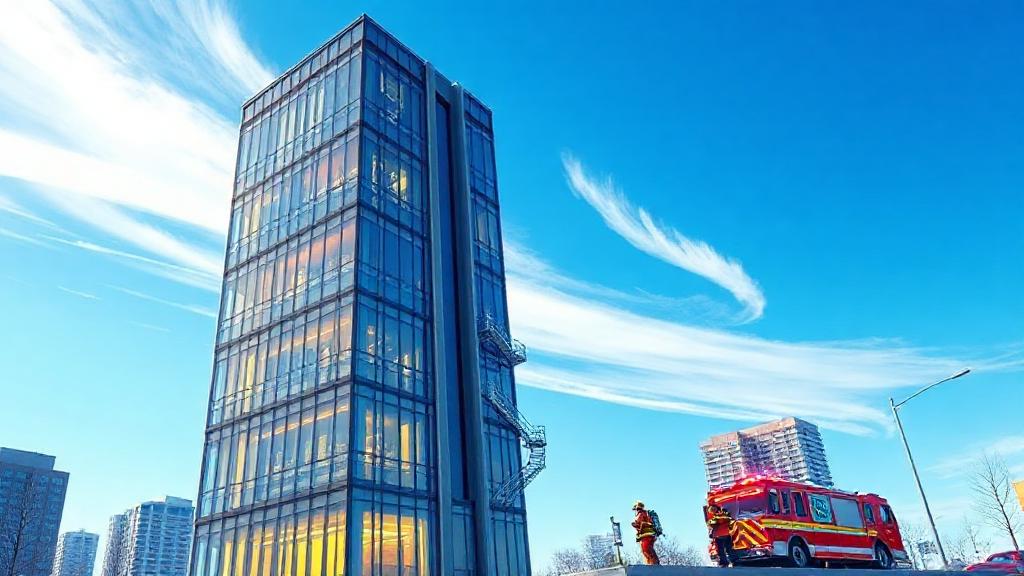
Implementing comprehensive fire safety systems in high-rise buildings is crucial to mitigate the risks associated with their vertical structure.
A well-designed fire safety system can detect potential fires early, alert occupants, and provide a safe evacuation route.
It’s essential to consider factors like building design, occupancy, and local regulations when developing a fire safety plan.
Conducting Thorough Structural Evaluations To Ensure High-Rise Building Structural Integrity
The importance of regular structural evaluations in high-rise buildings cannot be overstated, as they provide building owners and managers with a clear understanding of the building’s condition and help identify potential issues before they become major problems.
Regular structural evaluations involve a comprehensive assessment of a building’s foundation, columns, beams, and other critical components to identify any signs of damage, deterioration, or distress.
By leveraging advanced technologies such as drones, sensors, and artificial intelligence, engineers and inspectors can conduct more efficient and accurate evaluations, reducing the risk of human error and improving the overall safety of the building.
Regular Inspections And Maintenance Of Elevator Systems To Prevent Entrapment And Mechanical Failure
Regular inspections and maintenance of elevator systems are crucial to prevent entrapment and mechanical failure.
A well-maintained elevator system is like a finely tuned orchestra, with each component working in harmony to provide a safe and efficient ride.
The importance of regular inspections and maintenance cannot be overstated, as it helps to identify potential issues before they become major problems.
Mitigating Rapid Fire And Smoke Spread In High-Rise Buildings Through Fire-Resistant Design

To mitigate the spread of fire and smoke in high-rise buildings, it is essential to incorporate fire-resistant design elements, such as fire-resistant materials, compartmentalization, and pressurization systems.
These design elements can help to slow down the spread of fire and smoke, allowing occupants to evacuate safely and reducing the risk of damage to the building.
Optimising Exit Stairways And Emergency Voice Alarm Communication Systems For Safe Evacuation
Ensuring safe evacuation routes is crucial in emergencies.
- Implementing clear exit signage and lighting to guide occupants
- Conducting regular fire drills to familiarise users with evacuation procedures
- Installing emergency voice alarm communication systems for clear instructions
- Maintaining exit stairways to prevent obstacles and ensure accessibility
- Upgrading emergency lighting to meet current safety standards
Utilising Non-Combustible Materials And Fire-Resistant Compartmentation In High-Rise Construction
Incorporating non-combustible materials in high-rise construction is crucial.
Fire-resistant compartmentation — a system designed to prevent the spread of fire — can be achieved through various methods: installing fire-resistant walls, floors, and ceilings.
Conducting Periodic Fire Safety Inspections And Coordinating Fire Safety Drills For Occupants
Conventional wisdom suggests that fire safety inspections are a one-time task, but this couldn’t be further from the truth.
In reality, fire safety is an ongoing process that requires regular checks and updates.
Ensuring Sufficient Water Pressure And Fire Pump Systems To Support Effective Firefighting Efforts
The implementation of a well-designed fire pump system is crucial in ensuring sufficient water pressure to support effective firefighting efforts.
A reliable fire pump system must be able to provide a consistent flow rate and pressure to meet the demands of firefighting operations.
The key to effective firefighting is sufficient water pressure.
As we look to the future of high-rise building safety, it’s clear that regular inspections and maintenance will play a vital role in preventing fires and ensuring the well-being of occupants.
By prioritising these measures, building owners and managers can help create a safer, more secure environment for everyone.
The image of a high-rise building standing tall and proud, its occupants safe and secure, is a powerful reminder of the importance of proactive fire safety measures.