




The skyscraper pierces the Singaporean skyline, its towering presence a testament to human ingenuity.
Beneath its gleaming facade lies a complex web of regulations that demand meticulous attention, much like the intricate threads of a spider’s web.
The Building and Construction Authority (BCA) is the master weaver of these regulations, ensuring that high-rise buildings are not only marvels of engineering but also safe havens for their occupants.
With the ever-present risk of devastating consequences from non-compliance, such as structural collapses or fires, adhering to BCA regulations is not merely a bureaucratic exercise but a matter of life and death.
Understanding BCA Regulations for High Rise Building Construction Projects
The Building and Construction Authority (BCA) of Singapore plays a crucial role in ensuring the safety and sustainability of high-rise building construction projects.
Compliance with BCA regulations is essential for developers and contractors to avoid penalties and ensure public safety.
The BCA regulations cover various aspects, including structural integrity, fire safety, and environmental sustainability.
The construction of high-rise buildings without adherence to BCA regulations can have catastrophic consequences, putting thousands of lives at risk.
Key insights include:
- Structural integrity is a critical aspect of BCA regulations, ensuring that high-rise buildings can withstand various natural and man-made forces.
- Fire safety measures, such as fire alarms and sprinkler systems, are mandatory for all high-rise buildings to prevent and respond to fires effectively.
- Compliance with BCA regulations can also enhance the environmental sustainability of high-rise buildings, reducing their carbon footprint and minimizing their impact on the environment.
Navigating Accessibility Standards for People with Disabilities in High Rise Buildings
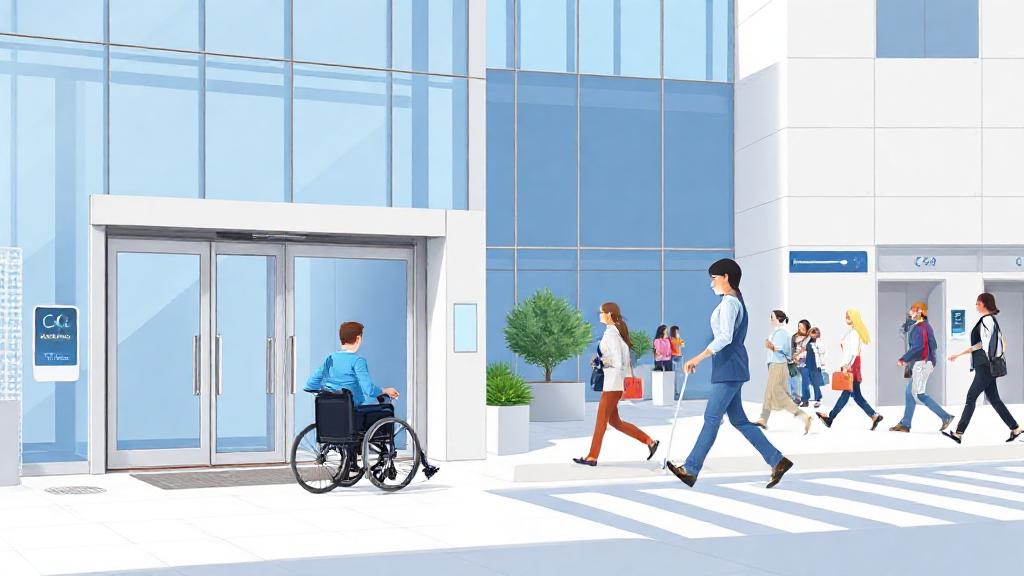
Imagine stepping into a sleek, modern high-rise building, only to find that the sleek design doesn’t account for accessibility needs.
You might face obstacles like narrow doorways, inadequate braille signage, or insufficient elevator access.
This dilemma is all too familiar for many individuals with disabilities.
As you explore the building, you might wonder what standards are in place to ensure equal access for all users.
The good news is that many countries have implemented regulations and guidelines to promote accessibility in high-rise buildings, such as the Americans with Disabilities Act (ADA) in the United States or the Building and Construction Authority (BCA) Accessibility Standards in Singapore.
These standards cover various aspects, including wheelchair ramps, accessible restrooms, and clear navigation signage.
Importance of Fire Safety Measures in High Rise Buildings Under BCA Regulations
A notable example of the importance of fire safety measures is the 2019 London Grenfell Tower fire, which resulted in significant loss of life and highlighted the need for stringent fire safety regulations.
This tragedy led to a global rethink of fire safety protocols in high-rise buildings, with many countries, including Singapore, implementing stricter Building and Construction Authority (BCA) regulations.
The implementation of fire safety measures in high-rise buildings is crucial to prevent fires from spreading quickly and to ensure the safe evacuation of occupants.
Regular maintenance of fire safety equipment, such as fire extinguishers and smoke detectors, is also essential to prevent equipment failure during emergencies.
Roles and Responsibilities of Building Owners and Managers in Compliance
Building owners and managers play a crucial role in ensuring compliance with various regulations and standards.
They are responsible for maintaining the physical structure, implementing safety measures, and adhering to environmental and health regulations.
This intricate dance requires careful planning, execution, and monitoring, as well as a deep understanding of the complex web of laws, codes, and standards that govern the built environment.
From ensuring accessibility and fire safety to managing waste and reducing energy consumption, the responsibilities of building owners and managers are multifaceted and far-reaching.
Conducting Regular Building Inspections to Ensure BCA Compliance Standards
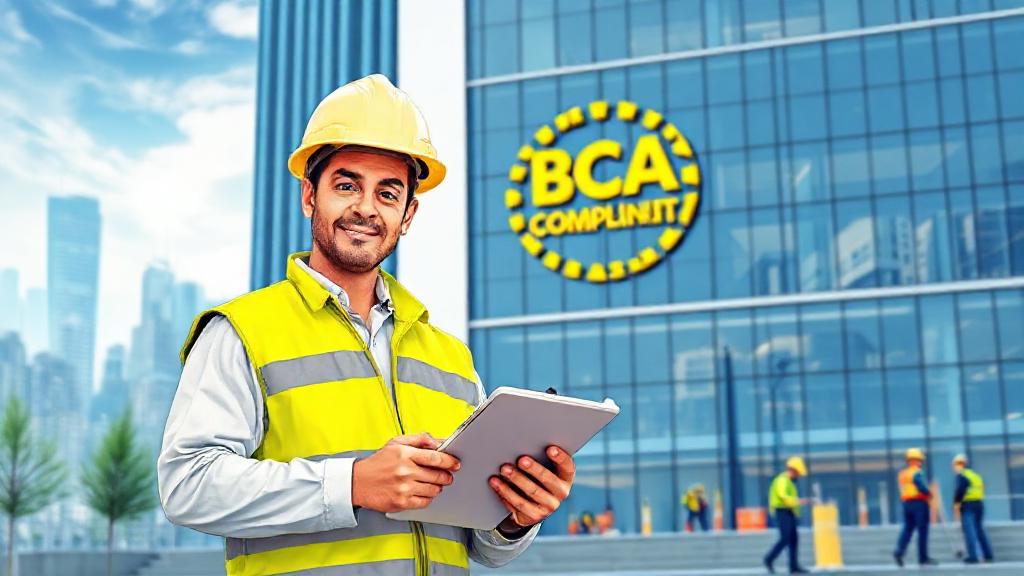
Conducting regular building inspections is crucial for ensuring compliance with the Building and Construction Authority (BCA) standards in Singapore.
These inspections help identify potential hazards and defects, allowing for prompt remedial actions to be taken.
By doing so, building owners and managers can prevent accidents, reduce liabilities, and maintain a safe and healthy environment for occupants.
Ensuring Compliance with Structural Integrity and Stability Requirements
Meeting building codes is crucial for safety and durability.
- Conducting regular inspections to identify potential hazards
- Assessing structural integrity through advanced simulations and modeling
- Implementing corrective measures to prevent collapse or damage
- Monitoring environmental factors that may impact stability
- Maintaining accurate records of inspections and repairs
By prioritizing these steps, builders can ensure compliance and prevent disasters, ultimately saving lives and reducing costs.
Implementing Effective Emergency Evacuation Procedures in High Rise Buildings
In an emergency, every second counts — and having a well-planned evacuation procedure can mean the difference between life and death.
Adequate training and regular drills are essential for building occupants to know what to do in case of an emergency.
Safety protocols — including evacuation routes and assembly points — must be clearly communicated to all occupants.
Effective communication is key to a successful evacuation: it helps to prevent panic and ensure that everyone is accounted for.
Meeting Sustainability and Environmental Requirements for High Rise Developments
High rise developments are often misconceived as being inherently unsustainable due to their large carbon footprint and resource consumption.
However, with proper planning and design, they can actually reduce their environmental impact.
“The greenest building is the one that is already built”
is a common phrase that highlights the importance of considering the environmental impact of new developments, and high rise developments are no exception.
Maintaining Accurate Records and Documentation for BCA Audit Purposes
To ensure a smooth BCA audit process, it is crucial for companies in Singapore to maintain accurate and detailed records of their construction projects.
Effective record-keeping practices involve implementing a systematic and organized approach to storing and retrieving documents.
Accurate and detailed record-keeping is essential for a successful BCA audit and for demonstrating compliance with regulatory requirements.
As the city-state continues to ascend, both literally and figuratively, the interplay between compliance and creativity will shape the very fabric of its urban identity.
Ultimately, the true measure of success will lie in the harmony between safety, sustainability, and the unrelenting pursuit of excellence that defines Singapore’s approach to high-rise building development.