




Imagine your commercial building as a bustling ship, navigating through the choppy waters of regulations and safety standards, with fire safety being the anchor that keeps it grounded and secure.
Just as a ship requires regular inspection and certification to ensure it’s seaworthy, your commercial building needs a fire safety certificate to demonstrate its compliance with fire safety regulations.
In Singapore, where fire safety is taken extremely seriously, obtaining this certificate can seem like a daunting task, with numerous guidelines and protocols to follow.
However, with the right guidance and support, getting a fire safety certificate for your commercial building can be a straightforward and efficient process, allowing you to focus on the smooth sailing of your business operations.
Obtaining a Fire Safety Certificate for Commercial Buildings Made Easy and Efficient
Obtaining a fire safety certificate is a crucial step for commercial building owners in Singapore, as it ensures compliance with the Fire Safety Act and provides a safe environment for occupants.
The process involves conducting a fire safety survey, identifying potential hazards, and implementing necessary measures to mitigate risks.
By streamlining this process, building owners can avoid penalties and reputational damage.
The consequences of non-compliance can be devastating, resulting in hefty fines and even building closure.
- Streamlined applications can reduce processing time and minimize disruptions to business operations.
- Compliance experts can guide building owners through the complexities of fire safety regulations.
- Implementing proactive fire safety measures can significantly reduce the risk of accidents and injuries.
Understanding the Importance of Fire Safety Regulations for Commercial Properties Nationwide
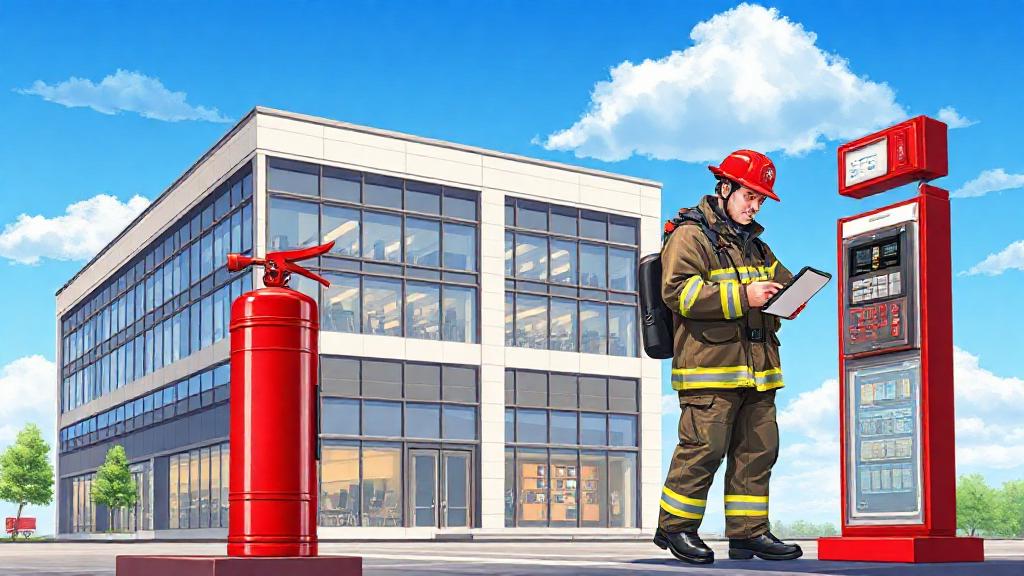
As you step into your office building or store, you probably don’t think twice about the fire safety measures in place, but what if a fire were to break out suddenly?
You might be surprised at how quickly a small spark can turn into a devastating blaze, affecting not just your property but also the people inside.
Your business and employees’ safety rely heavily on fire safety regulations.
Fire safety regulations are put in place to protect you, your employees, and your customers from the risks of fire, ensuring that your commercial property is equipped with the necessary precautions and equipment to prevent and respond to fires effectively.
These regulations cover a wide range of aspects, from fire alarms and sprinkler systems to emergency exits and fire extinguishers.
By complying with these regulations, you can significantly reduce the risk of fire-related accidents and injuries.
You’re not alone in prioritizing fire safety, as countless businesses nationwide are taking proactive steps to protect their properties and occupants.
Comprehensive Fire Safety Inspections for Commercial Buildings to Ensure Compliance
A devastating fire broke out in a commercial building in Singapore, causing extensive damage and disruptions to businesses.
Fortunately, no lives were lost, but the incident highlighted the importance of regular fire safety inspections.
The building’s management later revealed that they had neglected to conduct annual fire safety inspections, which could have prevented the fire.
This incident serves as a stark reminder of the need for comprehensive fire safety inspections in commercial buildings.
Regular fire safety inspections are crucial to identify potential fire hazards and ensure compliance with regulatory requirements.
By conducting thorough inspections, businesses can prevent fires, reduce risks, and protect their assets and employees.
Comprehensive fire safety inspections involve assessing various aspects of a commercial building, including fire alarms, sprinkler systems, and emergency exits.
These inspections help businesses to identify and address potential fire hazards, ensuring a safe working environment for employees and compliance with regulatory requirements.
In conclusion, comprehensive fire safety inspections are essential to ensure compliance, prevent fires, and protect lives.
Installing and Maintaining Fire Safety Equipment to Meet Local Regulations and Codes
Installing and maintaining fire safety equipment is a crucial aspect of ensuring the safety of occupants in buildings.
In Singapore, for instance, the Singapore Civil Defence Force (SCDF) outlines specific guidelines for fire safety equipment, including fire alarms, sprinkler systems, and escape routes.
The process of installation involves a series of meticulous steps, from conducting risk assessments to selecting the appropriate equipment, and finally, to testing and commissioning the systems to ensure they are functioning as intended.
Regular maintenance is also essential to prevent equipment failure.
Building owners and managers must stay up-to-date with the latest regulations and codes, such as the Fire Safety Act, to avoid penalties and fines.
By prioritizing fire safety equipment installation and maintenance, building occupants can rest assured that they are protected from the ravages of fire.
Navigating the Fire Safety Certification Process for Commercial Buildings Step-by-Step

To ensure a commercial building meets the necessary fire safety standards, obtaining a fire safety certification is crucial.
This involves a thorough assessment of the building’s fire protection systems, emergency evacuation plans, and compliance with local regulations.
The certification process typically begins with a pre-assessment survey to identify potential fire hazards and weaknesses in the building’s design or operations.
By addressing these issues, building owners can reduce the risk of fire-related incidents and ensure a safe environment for occupants.
Beyond that, the fire safety certification process requires a detailed evaluation of the building’s fire suppression systems, including sprinkler systems, fire alarms, and smoke detectors.
This evaluation is typically conducted by a certified fire safety professional who will identify any deficiencies or areas for improvement.
The results of this evaluation will inform the development of a corrective action plan to address any identified issues and ensure the building meets the required fire safety standards.
Regular fire safety inspections and maintenance are essential to prevent fire hazards and ensure the building remains compliant with local regulations.
Surprisingly, many commercial building owners are unaware of the specific fire safety requirements that apply to their property, which can lead to costly fines and penalties.
To avoid this, it is essential to work with a qualified fire safety expert who can guide you through the certification process and ensure your building meets all the necessary standards.
By taking a proactive approach to fire safety, building owners can protect their investment, reduce liability, and provide a safe working environment for their employees and visitors.
Consequences of Non-Compliance with Fire Safety Regulations for Commercial Property Owners
Non-compliance with fire safety regulations can have severe repercussions for commercial property owners.
- Facing fines and penalties for non-compliance with fire safety regulations
- Enduring legal action and potential lawsuits from employees or customers
- Suffering damage to reputation and loss of business due to non-compliance
- Paying increased insurance premiums for non-compliant commercial properties
- Undergoing mandatory repairs and upgrades to meet fire safety standards
Non-compliance with fire safety regulations can lead to devastating consequences, making it crucial for commercial property owners to prioritize fire safety and comply with regulations to avoid these repercussions and ensure a safe environment for occupants.
By taking proactive measures, property owners can mitigate risks and protect their investments.
Ultimately, fire safety compliance is not just a necessity, but a responsibility.
Best Practices for Fire Safety Management in Commercial Buildings to Prevent Accidents
To prevent accidents and ensure a safe working environment, a well-planned fire safety management system is crucial.
Implementing regular fire drills and training programs for employees is essential.
Effective communication and a clear emergency evacuation plan can save lives.
Fire safety equipment — such as fire extinguishers, smoke detectors, and sprinkler systems — must be installed, inspected, and maintained regularly to prevent accidents.
A comprehensive fire risk assessment can help identify potential hazards and mitigate risks.
Regular inspections and maintenance of electrical equipment, wiring, and appliances can also help prevent fires.
It’s a good idea to keep flammable materials, such as paper, wood, and chemicals, away from heat sources and open flames.
Local and National Resources for Fire Safety Certification and Training for Commercial Properties
Contrary to popular belief, fire safety certification is not a one-time achievement, but rather an ongoing process that requires regular training and updates.
Many commercial property owners assume that fire safety measures are solely the responsibility of the local authorities.
However, this mindset can lead to complacency and inadequate preparedness.
In reality, commercial properties have a significant role to play in ensuring fire safety, and there are numerous local and national resources available to support them.
For instance, the National Fire Protection Association (NFPA) provides comprehensive guidelines and training programs for commercial properties.
“Fire safety is everyone’s responsibility, and a well-trained staff is the best insurance against fire hazards”.
Streamlining the Fire Safety Certificate Application Process for Commercial Buildings with Expert Guidance
The fire safety certificate application process for commercial buildings in Singapore can be complex and time-consuming, requiring careful navigation of regulations and compliance with stringent safety standards.
Expert guidance is crucial to ensure a smooth and efficient process, minimizing the risk of delays or non-compliance, and ultimately reducing the financial and reputational risks associated with inadequate fire safety measures.
Effective streamlining of the application process involves a thorough understanding of the relevant laws and regulations, such as the Fire Safety Act and the Singapore Standard for Fire Safety.
By leveraging the expertise of seasoned professionals, commercial building owners and managers can ensure that their properties meet the required safety standards, while also optimizing their fire safety systems and procedures to reduce costs and improve overall efficiency.
Furthermore, expert guidance can help identify potential vulnerabilities and areas for improvement, enabling proactive measures to be taken to mitigate risks and prevent accidents.
The key to a successful fire safety certificate application lies in careful planning and expertise.
Expert guidance is essential to navigate the complex fire safety certificate application process and ensure compliance with regulations, minimizing risks and costs for commercial building owners and managers.
As we look to the future of commercial building safety, it’s clear that obtaining a fire safety certificate is no longer a cumbersome task, but rather a straightforward process that can be navigated with ease.
With the right guidance and resources, building owners and managers can ensure their properties meet the necessary standards, providing a safe and secure environment for occupants.
The image of a building with a valid fire safety certificate is one of reassurance, where occupants can go about their daily activities without worrying about the risk of fire hazards.
As we move forward, the emphasis on fire safety will only continue to grow, and it’s essential to stay ahead of the curve, prioritizing the well-being of people and property, and making fire safety a top priority, just as it was from the initial concern of getting a fire safety certificate for your commercial building.