


Category Archives: All

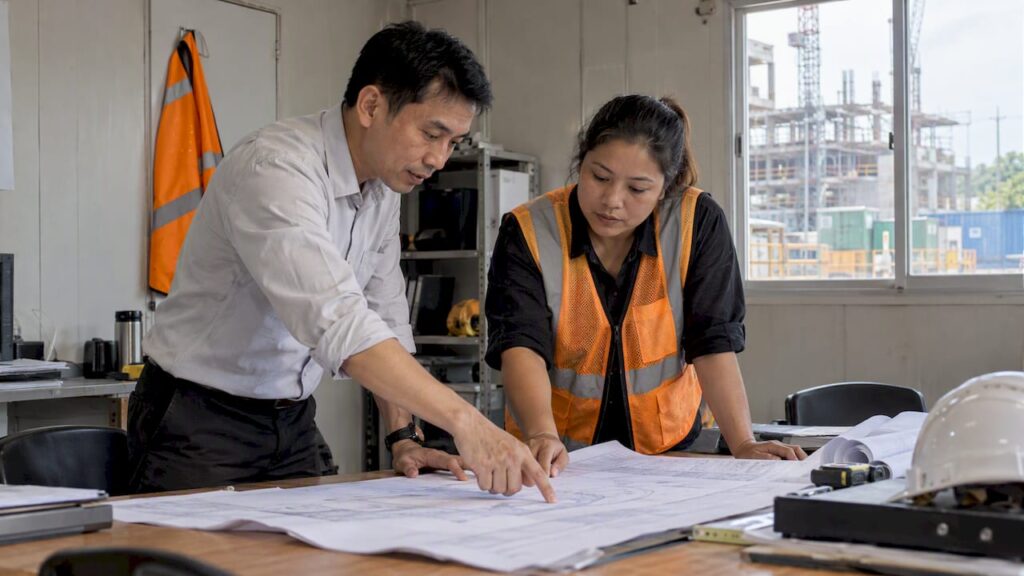
Building Information Modeling (BIM): Complete Guide for 2025

Introduction Building Information Modeling (BIM) is a collaborative process that creates and manages a digital representation of the physical and functional characteristics of a building or infrastructure asset. Rather than producing static drawings, building information modeling BIM generates intelligent 3D models embedded with structured data-material properties, cost analysis, performance metrics, and lifecycle information-that serve as […]

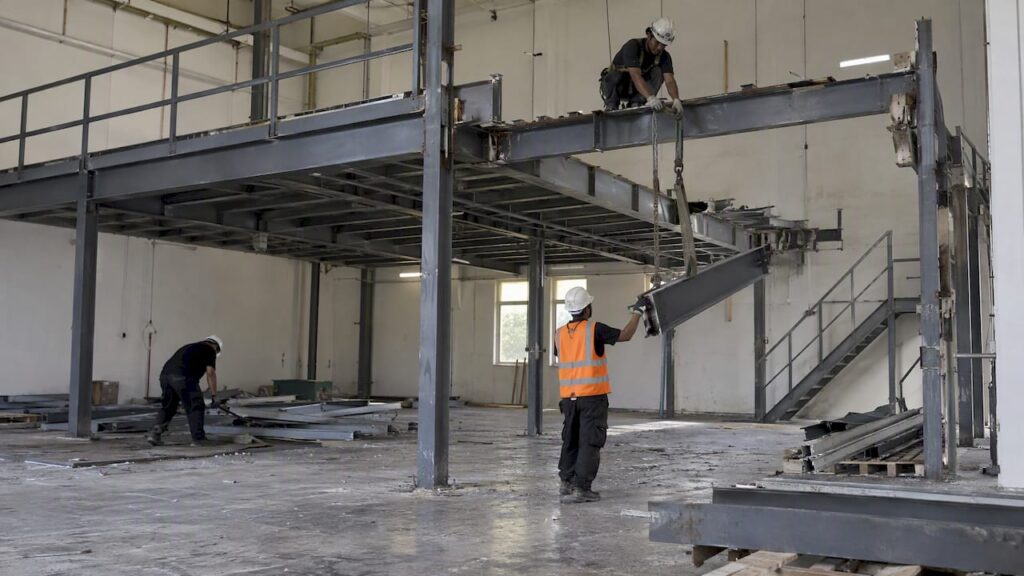
The Complete Guide to Slabs: Types, Applications, and Selection

Introduction A slab is a flat, thick piece of material-concrete, stone, or engineered composite-used as a horizontal structural element or surface finish in construction, architecture, and landscaping. Whether you’re pouring a foundation, laying garden paving slabs, or selecting a granite countertop, understanding slab systems is fundamental to building projects that last. This guide covers the […]

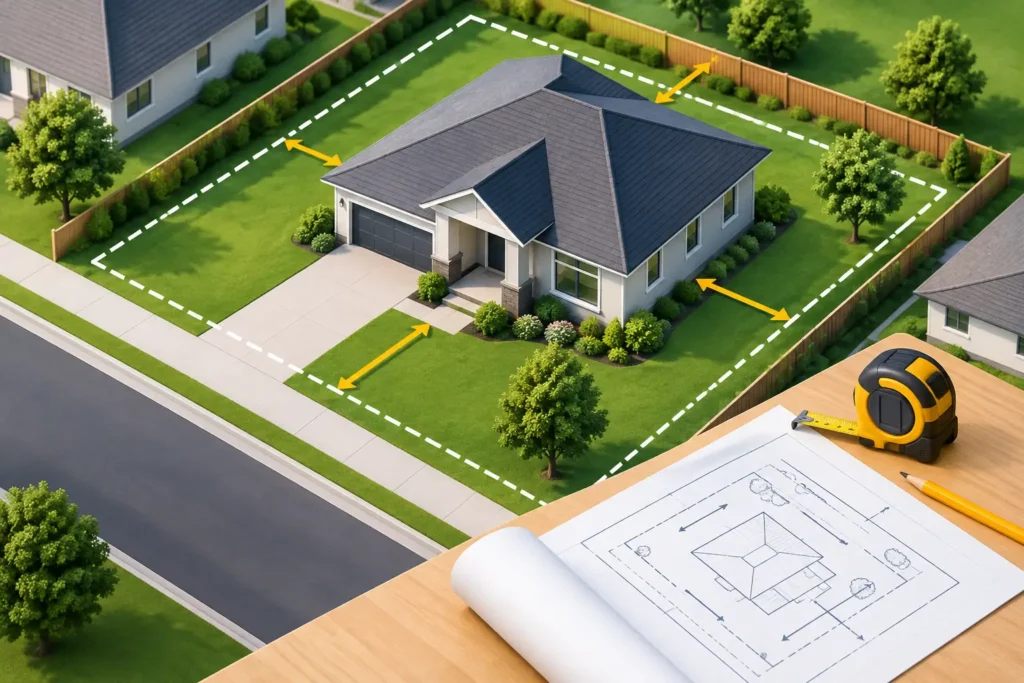
How to Conduct a Structural Feasibility Study Before Buying or Leasing an Industrial Property

Introduction A structural feasibility study is the single most important piece of technical due diligence you can perform before committing capital to an industrial property. Whether you are buying commercial property outright or negotiating lease agreements for a warehouse, factory, or logistics hub, this assessment determines whether the building can safely and efficiently support your […]

The Role of Geotechnical Engineering in Industrial Land Reclamation Projects in Singapore

Introduction Geotechnical engineering is the critical discipline that determines whether industrial land reclamation projects in Singapore succeed or fail. Every reclaimed industrial site-whether destined for petrochemical storage, port operations, or wide span warehouse construction-sits atop layers of soft marine clay, loose hydraulic fill, and variable bedrock. Without rigorous soil investigation, ground improvement, and foundation design, […]

Seismic and Wind Load Considerations for Industrial Superstructures in Singapore

Introduction Industrial superstructures in Singapore-factories, warehouses, processing plants, and heavy manufacturing facilities-face a dual challenge from environmental loads that many facility owners underestimate. While Singapore’s seismicity is classified as low due to no active local faults, far-field seismic energy from the Sumatran subduction zone can amplify through soft soils and reclaimed land to produce damaging […]

Floor Flatness and Levelness FF FL Requirements in Automated Logistics Warehouses: Complete Specification Guide

Introduction Floor flatness (FF) and floor levelness (FL) are quantitative measurements that define how smooth and how consistently level a warehouse floor surface is-two metrics that directly determine whether automated guided vehicles, turret trucks, and robotic systems can operate safely and efficiently. In automated logistics warehouses, including high-throughput fulfillment facilities and automation-heavy in-house operations, where […]

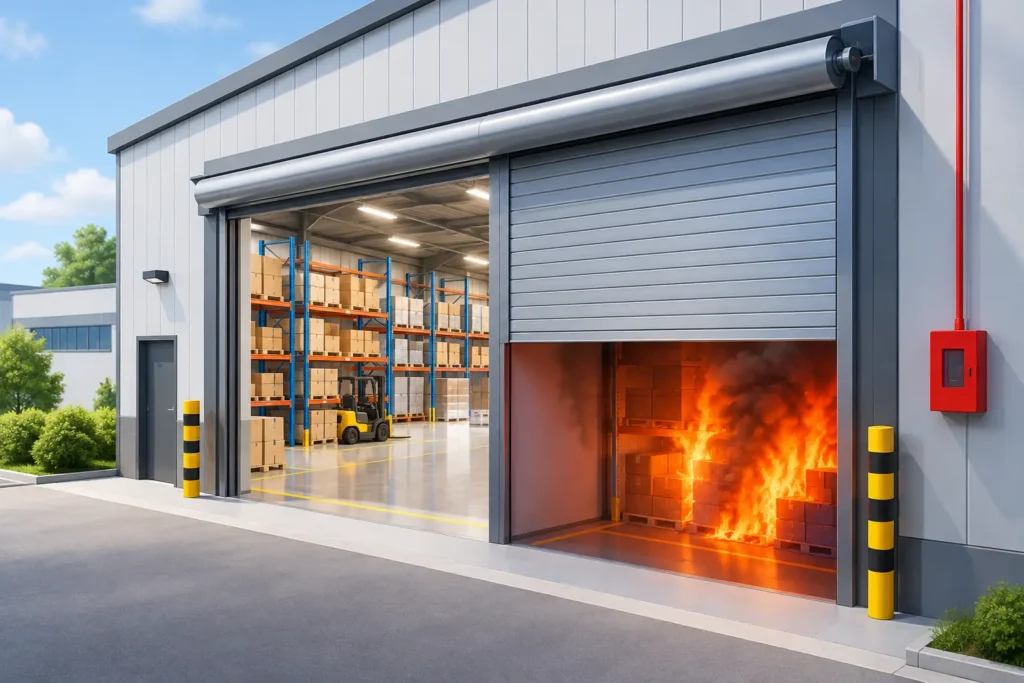
Designing Industrial Structures for High Thermal Loads and Cold Storage Facilities: A Complete Engineering Guide

Introduction Industrial structures operating under extreme temperatures-from blast furnaces generating process heat above 1,500 °C to frozen storage environments reaching −35 °C-demand structural and civil engineering approaches fundamentally different from conventional building design. Thermal loads alter material behavior, compromise joint integrity, destabilize foundations, and impose massive demands on the building envelope and refrigeration systems. Getting […]