




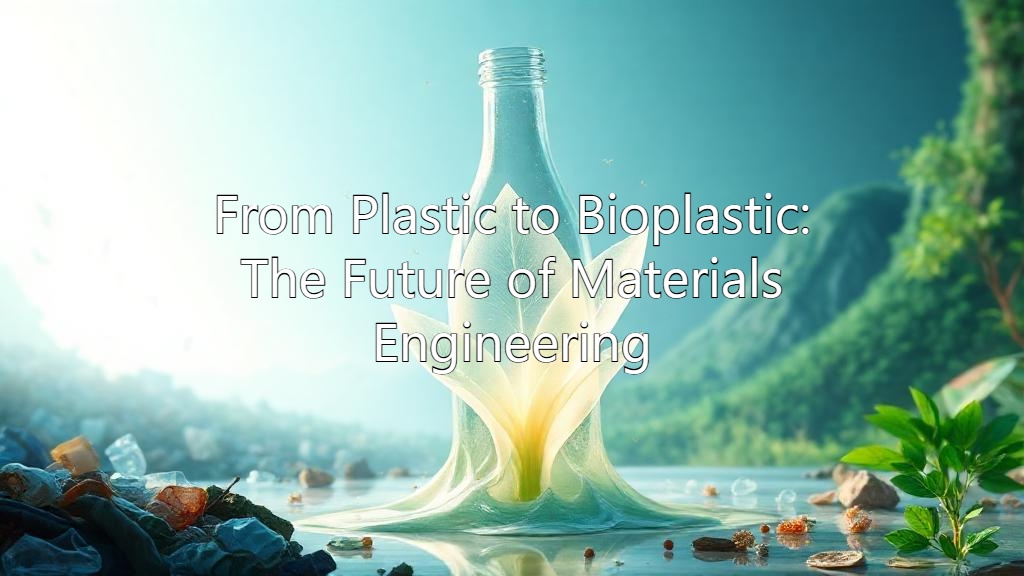
The world is grappling with the plastic pollution crisis, and it seems like the harder we try to solve it, the more it slips away.
However, what if we could transform the very material that’s causing the problem into a solution?
Imagine a future where plastics are not only biodegradable but also derived from renewable biomass sources, such as plants and microorganisms.
This is the promise of bioplastics, a revolutionary field of materials engineering that’s gaining momentum as researchers and companies scramble to develop sustainable alternatives to traditional plastics.
Breaking Down Traditional Plastic Production Methods and Environmental Impact
Traditional plastic production methods have been a significant contributor to environmental pollution, with millions of tons of plastic waste accumulating in oceans and landfills each year, harming marine life and contaminating the food chain.
The production process itself is also highly energy-intensive and reliant on non-renewable resources, exacerbating climate change.
The very foundation of our modern lifestyle is being threatened by the devastating consequences of plastic pollution, which is choking our planet and destroying entire ecosystems.
- Plastic production is projected to triple by 2050, further straining the environment and depleting natural resources.
- The average person consumes approximately 5 grams of microplastics per week, underscoring the alarming rate of plastic ingestion and its potential health implications.
- Traditional plastic production methods account for around 3.8% of global greenhouse gas emissions, making it a significant contributor to climate change.
Understanding the Role of Biodegradable Materials in Sustainable Development

The concept of biodegradable materials plays a significant role in sustainable development, as it offers a more environmentally friendly alternative to traditional plastics.
Biodegradable materials are designed to break down naturally in the environment, reducing the amount of waste and pollution.
This approach can help minimise the harmful effects of human activities on the ecosystem, promoting a healthier and more sustainable future.
Exploring Renewable Resources for Bioplastic Manufacturing and Production
In Singapore, a local company has successfully developed a bioplastic made from renewable resources such as corn starch and sugarcane, reducing carbon footprint by 75%.
This innovative approach has inspired other manufacturers to explore sustainable alternatives to traditional plastics.
The use of bioplastics has also gained traction in the packaging industry, with several companies adopting eco-friendly packaging solutions.
As a result, the demand for bioplastics has increased, driving further research and development in this field.
Investigating the Benefits of Polylactic Acid in Bioplastic Materials Engineering
The use of polylactic acid (PLA) in bioplastic materials engineering has been gaining significant attention in recent years, as it offers a sustainable and renewable alternative to traditional plastics.
PLA is a biodegradable thermoplastic derived from corn starch, sugarcane, or potato starch, which can be easily moulded and shaped into various forms, making it an ideal material for packaging, textiles, and biomedical applications.
The benefits of PLA are numerous, including its ability to reduce greenhouse gas emissions, minimise waste, and promote a circular economy.
Comparing Thermoplastic and Thermoset Bioplastics for Industrial Applications
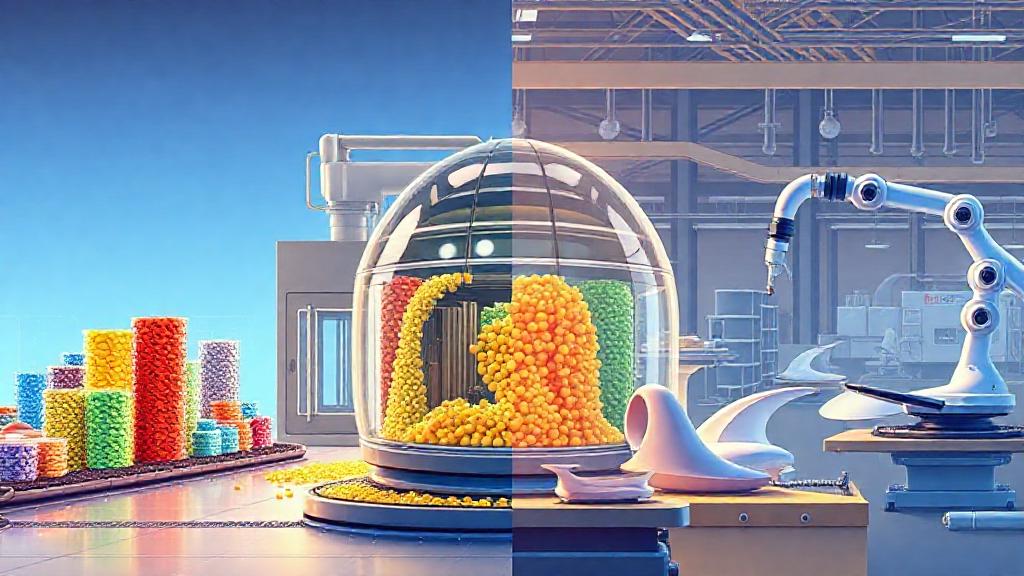
Thermoplastic and thermoset bioplastics are two distinct types of biodegradable materials that have gained significant attention in recent years due to their potential to replace traditional plastics.
Thermoplastic bioplastics, such as polylactic acid (PLA) and polyhydroxyalkanoates (PHA), can be melted and reformed multiple times without undergoing significant chemical change.
This property makes them ideal for applications where flexibility and recyclability are essential.
Developing Bioplastics from Bacterial Cellulose and Microbial Fermentation
Bioplastics are revolutionising the way we think about plastic production.
- Harnessing microbial fermentation to produce biodegradable polymers
- Utilising bacterial cellulose to create sustainable packaging materials
- Creating novel bioplastics with enhanced mechanical properties
- Investigating the potential of genetic engineering to improve bioplastic production
- Developing bioplastics that can replace traditional plastics in various industries
Assessing the Economic Viability of Bioplastic Production on a Large Scale
The production of bioplastics is a complex process involving the fermentation of biomass, such as corn starch or sugarcane, to produce biodegradable plastics — a crucial step in reducing greenhouse gas emissions and dependence on fossil fuels.
The economic viability of bioplastic production on a large scale is a multifaceted issue, requiring careful analysis of various factors, including raw material costs, production efficiency, and market demand.
Overcoming Challenges in Bioplastic Recycling and Waste Management Systems
Bioplastics are not always easily biodegradable and can persist in the environment for years.
In fact, many bioplastics require specific conditions to break down, which can be difficult to replicate in natural settings.
This misconception has led to a lack of effective waste management systems for bioplastics.
Implementing Bioplastics in Packaging Design and Consumer Product Development
The integration of bioplastics in packaging design and consumer product development has become a crucial aspect of reducing environmental footprint, with bioplastics offering a viable alternative to traditional plastics derived from fossil fuels.
The use of bioplastics also enables companies to cater to the growing demand for eco-friendly products, thereby enhancing their brand reputation and appealing to the increasingly environmentally conscious consumer base.
The shift from plastic to bioplastic is poised to redefine the way we interact with the world around us.
With the potential to significantly reduce plastic waste and mitigate environmental harm, bioplastics are set to play a crucial role in shaping a more sustainable future.
The journey ahead will undoubtedly be marked by innovation and experimentation, as scientists and engineers continue to push the boundaries of what is possible with biodegradable materials.