




As a building stands tall in Singapore, its foundation and structure can be likened to a human body, with each component working together in harmony to ensure stability and safety.
The Building and Construction Authority (BCA) Periodic Structural Inspection (PSI) plays a vital role in identifying any defects or deterioration in a building’s structure, allowing for prompt repairs and maintenance.
With the constant threat of natural disasters and aging infrastructure, the importance of PSI cannot be overstated, as it helps to prevent catastrophic failures and ensures the well-being of occupants.
The BCA has made PSI a mandatory requirement for buildings in Singapore that are over 10 years old, highlighting the significance of this process in maintaining the structural integrity of buildings.
Understanding the Role of BCA in Ensuring Building Structural Safety Through PSI
The Building and Construction Authority (BCA) plays a crucial role in ensuring the structural safety of buildings in Singapore through the Implementation of Professional Statements and Instructions (PSI).
This involves setting and enforcing strict building codes and regulations to prevent accidents and injuries.
By doing so, BCA aims to protect the public and maintain the integrity of the built environment.
The collapse of a single building can have devastating and far-reaching consequences, affecting countless lives and livelihoods.
Here are some key insights:
- BCA’s PSI provides a framework for professionals to follow in ensuring building safety.
- Regular inspections and audits are essential in identifying potential structural weaknesses.
- Effective enforcement of regulations is critical in preventing building accidents and ensuring public safety.
Importance of Regular Periodic Structural Inspection for Singapore Building Owners
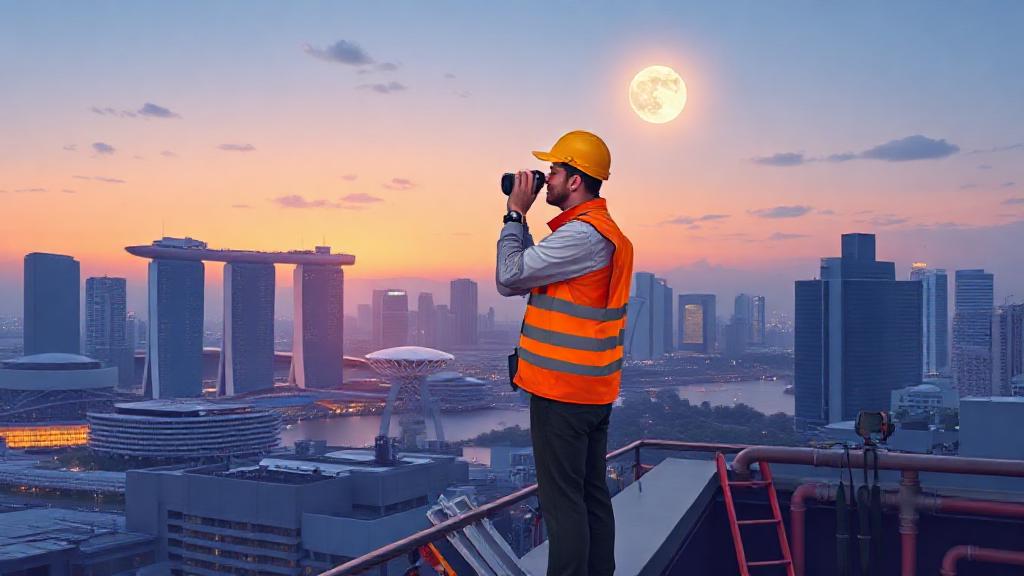
A regular periodic structural inspection can help identify potential issues before they become major problems, giving building owners peace of mind and helping them avoid costly repairs down the line.
This process involves a thorough examination of the building’s foundation, walls, roofs, and other critical components to detect any signs of damage or deterioration.
By catching these issues early, building owners can ensure their building remains safe and secure for years to come.
Benefits of Hiring Professional Engineers for BCA Approved PSI Services in Singapore
Hiring professional engineers for BCA approved PSI services can bring numerous benefits, including access to cutting-edge technology and expertise, enabling contractors to navigate complex regulatory requirements with ease.
By leveraging the engineers’ knowledge, contractors can ensure compliance with the Building and Construction Authority’s (BCA) standards, minimizing the risk of non-compliance and associated penalties.
Professional engineers can also provide valuable insights into site-specific conditions, identifying potential hazards and developing strategies to mitigate risks, ultimately leading to safer construction sites and reduced liability.
Frequency and Requirements of Periodic Structural Inspection for Different Building Types
The frequency and requirements of periodic structural inspections vary greatly depending on the type of building, its age, and the materials used in its construction, with older buildings and those in areas prone to natural disasters requiring more frequent and rigorous inspections.
For instance, buildings in earthquake-prone areas may require annual inspections, while those in areas with low seismic activity may only need inspections every 5-10 years.
The inspection requirements also depend on the building’s occupancy and usage, with public buildings, hospitals, and schools requiring more frequent inspections than private residential buildings.
How BCA’s Guidelines and Resources Support Building Owners in PSI Compliance and Safety

The Building and Construction Authority (BCA) of Singapore provides comprehensive guidelines and resources to support building owners in ensuring compliance with the Protection from Hazards (PSI) regulations.
These guidelines outline the necessary measures to prevent and mitigate the risks associated with poor indoor air quality, including the installation of adequate ventilation systems and regular maintenance.
By following these guidelines, building owners can create a safer and healthier environment for occupants.
Consequences of Non-Compliance with BCA’s Periodic Structural Inspection Requirements and Regulations
Non-compliance with BCA’s periodic structural inspection requirements can have severe consequences, including financial losses and safety risks.
Building owners who fail to comply may face financial losses due to repair costs and potential lawsuits, incur additional expenses for rebuilding or renovating the structure, invite safety risks and potential accidents for occupants and pedestrians, undergo mandatory repairs and inspections, leading to business disruptions, and pay fines and penalties for non-compliance with BCA regulations.
Role of Professional Engineers in Conducting Thorough PSI to Identify Potential Structural Issues
Conducting a thorough Property Survey Inspection (PSI) is crucial, and engineering expertise is essential in identifying structural problems that could lead to safety hazards or costly repairs.
Professional engineers play a vital role in assessing the property’s condition, identifying potential issues, and providing recommendations for repairs or maintenance.
Factors Influencing the Frequency of Periodic Structural Inspection for Buildings in Singapore
The frequency of periodic structural inspections for buildings in Singapore is not solely determined by the age of the building, but also by factors such as building type, usage, and environmental conditions.
A closer look at the regulations reveals that a risk-based approach should be taken, considering factors such as the building’s design, construction, and maintenance history, as well as its exposure to environmental hazards like earthquakes and typhoons.
Ensuring Longevity and Safety of Buildings Through Proactive BCA Periodic Structural Inspection Measures
The Building and Construction Authority (BCA) in Singapore plays a crucial role in ensuring the longevity and safety of buildings through its periodic structural inspection measures, which help identify potential defects and hazards, allowing for timely repairs and maintenance to be carried out.
Regular structural inspections are essential for preventing accidents and minimizing risks to occupants and the general public.
By conducting regular structural inspections, buildings can be maintained in a safe and functional condition, and their lifespan can be extended, reducing the need for costly repairs and rebuilds.
As the Singapore skyline continues to evolve, the importance of BCA Periodic Structural Inspection (PSI) remains a vital cornerstone in ensuring the safety and integrity of its buildings.