




Imagine a master builder meticulously crafting an intricate puzzle, where every piece fits seamlessly into place, and not a single fragment is wasted – this is the essence of Lean Construction.
Just as a skilled chef minimises food waste in the kitchen by optimising ingredient usage, Lean Construction aims to eliminate unnecessary waste in mega projects, streamlining the building process to achieve maximum efficiency.
With the global construction industry accounting for nearly 30% of total global waste, the need for a more sustainable approach has never been more pressing.
By adopting Lean principles, construction teams can reduce waste, improve productivity, and deliver projects on time and within budget, much like a well-conducted orchestra where every player works in harmony to create a masterpiece.
Reducing Waste In Construction Projects Through Lean Methodologies And Principles
The construction industry is notorious for generating massive amounts of waste, with a significant portion of materials and resources being underutilised or discarded.
By adopting lean methodologies and principles, construction projects can minimise waste and maximise efficiency, leading to cost savings and improved sustainability.
This approach focuses on streamlining processes, eliminating unnecessary steps, and optimising resource allocation to reduce waste and improve overall project performance.
The implementation of lean principles in construction can have a profound impact on reducing waste and promoting sustainability, with some studies suggesting that it can lead to a reduction of up to 50% in waste generation.
- Reducing waste through lean construction can lead to significant cost savings and improved project profitability.
- Streamlining processes and eliminating unnecessary steps can help minimise waste and improve overall efficiency.
- By optimising resource allocation, construction projects can reduce waste and improve their environmental sustainability.
Improving Construction Labour Efficiency And Productivity With Lean Construction Techniques
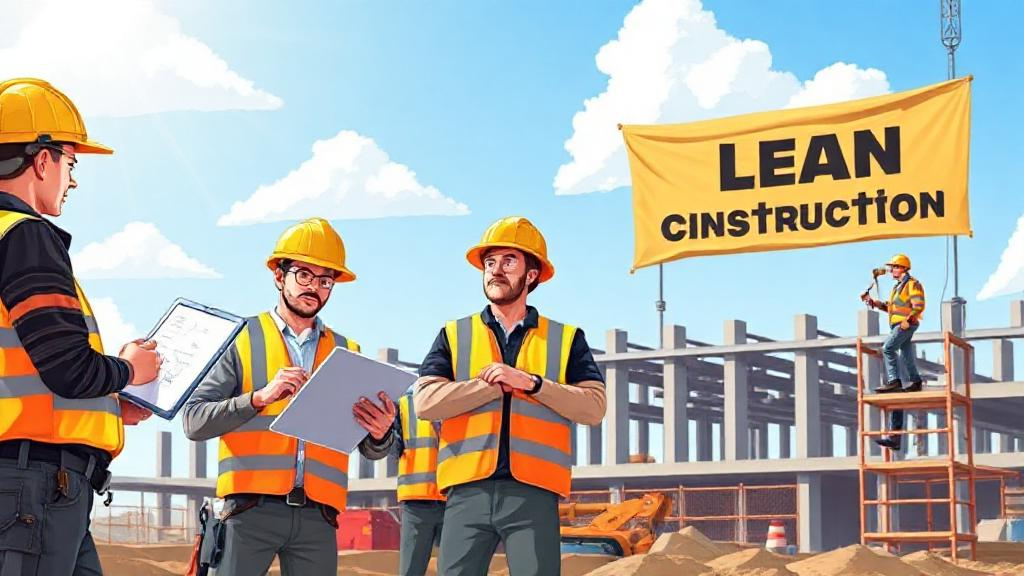
Construction projects often face challenges in meeting deadlines and labour efficiency, but lean construction techniques can be a game-changer for project outcomes.
By adopting lean principles, construction teams can identify and eliminate waste, optimise workflows, and improve communication among team members.
This approach focuses on creating value for clients while minimising unnecessary activities and reducing costs.
With lean construction, construction teams can streamline their operations and make data-driven decisions to drive productivity and efficiency.
Minimising Over Budget And Late Deliveries In Mega Projects Using Lean Strategies
The Singapore Sports Hub project is a prime example of how lean strategies can be applied to minimise over-budget and late deliveries.
By implementing lean principles, the project team was able to reduce waste, optimise resources, and improve communication among stakeholders, resulting in a successful project delivery.
The core idea of using lean strategies in mega projects is to focus on delivering value to customers while minimising waste and maximising efficiency.
By applying lean principles, project teams can identify and eliminate non-value-added activities, streamline processes, and improve communication among stakeholders, resulting in reduced costs and improved project timelines.
Breaking Down Silos In Construction Through Collaborative Lean Project Delivery Approaches
The construction industry requires harmony and coordination among its various components to produce a symphony of success, and this is where collaborative lean project delivery approaches come into play.
By breaking down the silos that have long plagued the industry, collaborative lean project delivery approaches allow for a more streamlined and efficient process, where architects, engineers, contractors, and owners work together in perfect synchrony.
This approach fosters innovation, creativity, and continuous improvement, leading to increased client satisfaction, improved reputation, and a competitive edge in the market.
Fostering A Culture Of Continuous Improvement And Trust In Construction Teams Using Lean
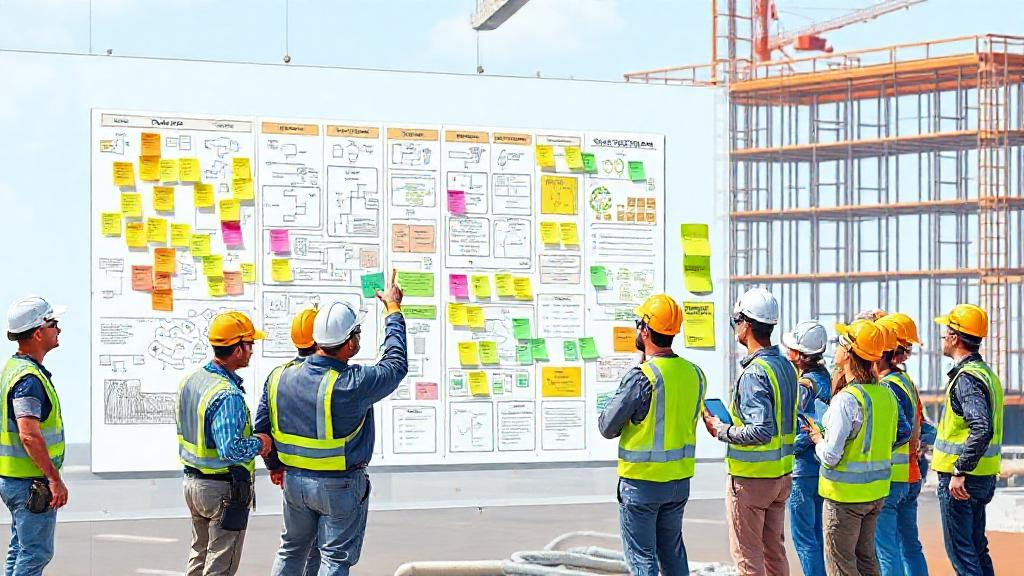
To create a culture of continuous improvement and trust in construction teams, it is essential to implement Lean principles, which focus on eliminating waste, optimising processes, and promoting collaboration.
This can be achieved by providing training and workshops that educate team members on the benefits of Lean and how to apply its principles in their daily work.
By doing so, teams can identify areas for improvement and develop strategies to address them, leading to increased efficiency and productivity.
Implementing Integrated Project Delivery And Tri-Party Contracts For Lean Construction Success
Streamlining construction processes is crucial for project efficiency and cost-effectiveness.
- Managing risks and expectations through clear communication channels
- Creating a collaborative environment among stakeholders, owners, and contractors
- Developing mutually beneficial tri-party contracts to ensure lean construction principles
- Implementing integrated project delivery methods to reduce waste and errors
- Monitoring progress and performance metrics to ensure successful project outcomes
By incorporating these strategies, construction projects can achieve significant reductions in costs and timelines, ultimately leading to lean construction success and increased client satisfaction.
Streamlining Construction Logistics And Eliminating Waste With Lean Principles And Tools
Lean principles can help construction companies reduce waste and increase efficiency.
By implementing lean tools, construction companies can improve their bottom line and stay competitive in the industry.
Incorporating lean principles into construction logistics can have a major impact on a company’s overall performance and profitability.
This is because lean principles focus on eliminating waste and maximising value for the customer, which is essential in today’s competitive construction market.
Maximizing Efficiency And Minimizing Waste In Large-Scale Construction Projects With Lean
Traditional construction methods are not the most efficient way to complete large-scale projects, as they often result in significant waste and delays.
By adopting Lean principles, construction companies can streamline their processes, reduce waste, and improve overall efficiency.
For instance, a study by the Lean Construction Institute found that Lean methods can reduce construction costs by up to 20% and increase productivity by up to 30%.
Optimising Construction Project Outcomes Through Lean Construction Practices And Value Stream Mapping
The implementation of lean construction practices and value stream mapping can significantly enhance construction project outcomes by minimising waste, reducing costs, and improving overall efficiency.
By adopting a lean approach, construction companies can streamline their processes, eliminate unnecessary steps, and focus on delivering value to clients.
This, in turn, can lead to increased customer satisfaction, improved project timelines, and enhanced reputation for the construction company.
The integration of value stream mapping enables construction teams to visualise and analyse the entire project workflow, identifying areas for improvement and optimising the production process.
As the construction industry continues to evolve, incorporating Lean Construction methods is crucial for reducing waste and creating a more sustainable future for mega projects.
By embracing this methodology, project managers can significantly reduce waste, optimise resources, and improve overall quality.
The successful implementation of Lean Construction can be likened to a well-oiled machine, where every cog works in harmony to produce a masterpiece of engineering.
With its focus on continuous improvement and waste reduction, Lean Construction is poised to play a vital role in shaping the built environment of tomorrow.