




The stakes are high, with lives, property, and livelihoods hanging in the balance.
Like a complex system, fire risk assessors must expertly juggle a complex array of ingredients – from building design and materials to occupant behaviour and emergency procedures – to create a recipe for safety.
In the concrete jungle of Singapore, where skyscrapers pierce the sky and density is a defining characteristic, the art of fire risk assessment and mitigation is a critical lifeline, one that requires precision, vigilance, and a deep understanding of the unique challenges posed by high-rise structures.
Identifying Potential Fire Hazards In High-Rise Structures Through Risk Assessment
Identifying potential fire hazards in high-rise structures is crucial to ensure the safety of occupants and prevent devastating consequences.
A thorough risk assessment can help pinpoint vulnerabilities and implement effective mitigation strategies.
By prioritising fire safety, building managers and owners can protect lives and assets.
The clock is ticking, and every minute counts in preventing a high-rise fire catastrophe that can change lives forever.
- Human error is a significant contributor to high-rise fires, emphasising the need for rigorous training and education.
- Electrical malfunctions are a common cause of high-rise fires, highlighting the importance of regular maintenance and inspections.
- Implementing robust fire safety protocols can significantly reduce the risk of fire outbreaks and minimise damage.
Understanding The Importance Of Fire Models And Simulations In Predicting Fire Behaviour
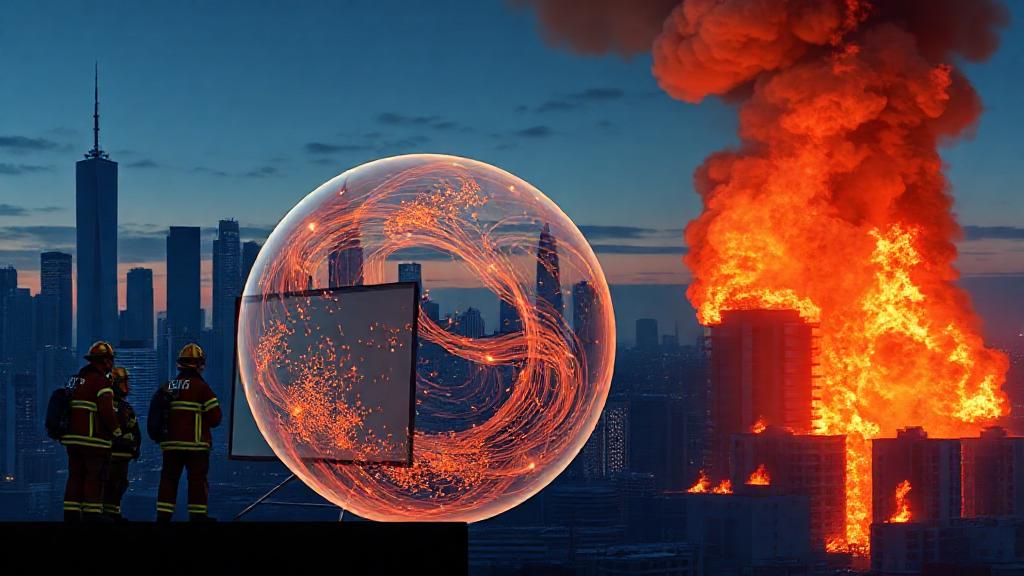
Imagine a building manager, responsible for ensuring the safety of occupants in a high-rise office, taking every precaution, but a fire breaks out, and they need to act fast.
In this critical moment, understanding fire behaviour is crucial to making informed decisions.
Fire models and simulations play a vital role in predicting how fires will spread and behave in different scenarios, allowing for the development of effective evacuation plans and emergency response strategies.
By analyzing data and simulating various fire scenarios, potential risks can be identified and proactive measures can be taken to mitigate them.
This knowledge can also inform the design and construction of buildings, helping to create safer spaces for everyone.
Implementing Effective Fire Suppression Systems In High-Rise Buildings And Structures
A notable example of effective fire suppression can be seen in the Petronas Twin Towers in Kuala Lumpur, where a robust fire protection system was integrated into the building’s design, ensuring the safety of occupants.
This system included a combination of sprinkler systems, smoke detectors, and emergency response plans, demonstrating the importance of a multifaceted approach to fire safety.
The successful implementation of this system has saved countless lives and prevented significant damage to the property.
In the event of a fire, the system’s ability to quickly detect and respond to the threat has been instrumental in minimising its impact.
The key to implementing effective fire suppression systems in high-rise buildings lies in the careful planning and design of the system, taking into account the unique characteristics of the building and its occupants.
This includes conducting regular risk assessments, installing appropriate fire protection equipment, and providing comprehensive training to building staff and emergency responders.
The importance of regular maintenance and testing of fire suppression systems cannot be overstated, as it ensures that the system is functioning correctly and is ready to respond in the event of a fire.
By prioritizing fire safety and investing in effective fire suppression systems, building owners and managers can help prevent fires, reduce damage, and most importantly, save lives.
Using Fire-Resistant Materials And Design Features To Mitigate Fire Risks And Hazards
Incorporating fire-resistant materials and design features into buildings is like wrapping them in a protective blanket, shielding them from the devastating effects of fires that can ravage structures and claim lives in a matter of minutes.
Fire-resistant materials, such as cement, brick, and gypsum, can be used to construct walls, floors, and roofs that can withstand extremely high temperatures, giving occupants precious time to escape and firefighters a chance to extinguish the blaze.
Design features, such as firewalls, fire-resistant glazing, and smoke vents, can also be used to contain fires, reduce the spread of smoke and heat, and provide a safe means of egress.
Additionally, fire-suppression systems, like sprinklers and clean agent systems, can be installed to detect and extinguish fires quickly, minimising damage and preventing the loss of life.
By combining these materials and design features, buildings can be made to be as resilient as a fortress, able to withstand the fury of a fire and emerge unscathed.
The use of fire-resistant materials and design features is not just a matter of safety, but also a sound investment, as it can reduce the risk of property damage, business interruption, and liability, ultimately saving building owners and occupants a small fortune in the long run.
Developing And Implementing Fire Safety Codes And Regulations For High-Rise Buildings
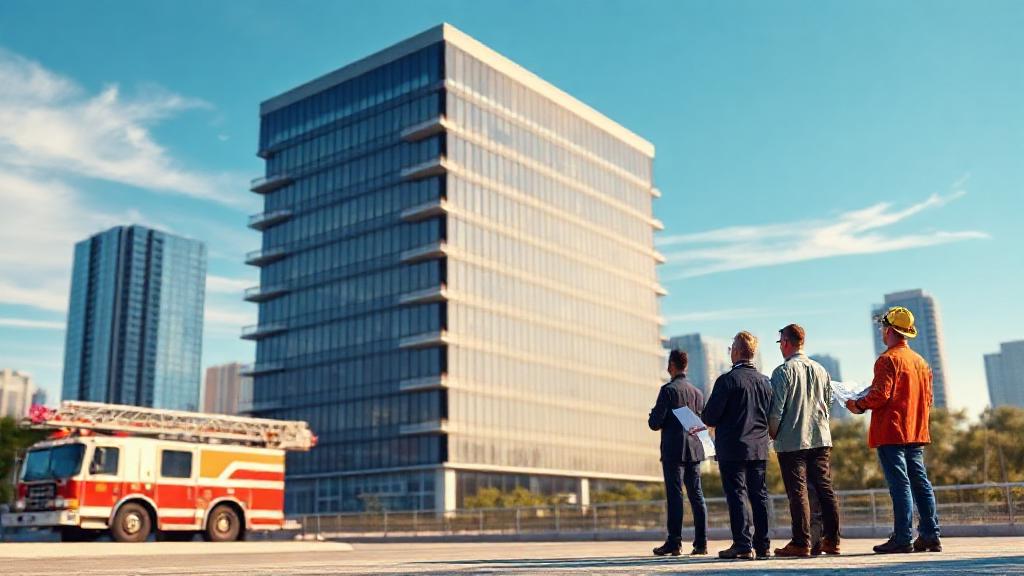
To ensure the safety of occupants, it is crucial to develop and implement comprehensive fire safety codes and regulations for high-rise buildings.
These codes should include guidelines for fire-resistant materials, emergency evacuation procedures, and regular fire safety inspections.
Moreover, building owners and managers must be held accountable for adhering to these regulations, with penalties for non-compliance.
By doing so, the risk of fire-related accidents and injuries can be significantly reduced.
Beyond that, fire safety codes and regulations should also take into account the unique challenges posed by high-rise buildings, such as limited access for emergency responders and the potential for rapid fire spread.
Therefore, it is essential to incorporate advanced fire suppression systems, smoke detection technologies, and emergency communication systems into the design and construction of these buildings.
Additionally, regular fire drills and training programs should be conducted to educate occupants on emergency procedures and evacuation routes.
Conducting Thorough Fire Risk Assessments Using Fuzzy Centralisation Theory And Unascertained Measure
Conducting thorough fire risk assessments is crucial for ensuring safety and preventing disasters.
- Identifying potential fire hazards and evaluating their likelihood and impact
- Assessing the effectiveness of existing fire safety measures and procedures
- Developing strategies to mitigate or eliminate identified risks
- Implementing measures to prevent fires and minimise damage
- Monitoring and reviewing fire risk assessments regularly to ensure ongoing safety
By following these steps and utilising fuzzy centralisation theory and unascertained measure, individuals can ensure a comprehensive fire risk assessment is conducted, ultimately saving lives and reducing property damage.
Creating A Fire Risk Assessment Index System For High-Rise Buildings Under Construction And Development
A fire risk assessment index system is crucial for high-rise buildings.
Safety of occupants and workers — a top priority: ensuring that all necessary measures are in place to prevent and respond to fires.
The development of such a system requires a comprehensive approach, taking into account various factors, including building design, materials, and construction practices.
Fire risk assessment: a complex process — involving multiple stakeholders, and requiring significant resources.
A system to evaluate and mitigate fire risks — for high-rise buildings under construction and development, this is what’s needed: a framework, a set of guidelines, something to follow, to ensure that.
In order to create an effective fire risk assessment index system, it is essential to identify and analyse potential fire hazards and develop strategies to mitigate them.
This includes: conducting regular inspections, implementing safety protocols, and providing training to workers and occupants, all of which are critical components of a comprehensive fire risk management plan.
The benefits of having a fire risk assessment index system in place are numerous, including: reduced risk of fire-related accidents, minimised property damage, and enhanced safety and well-being of occupants and workers.
A well-designed fire risk assessment index system can help to identify potential fire hazards and provide a framework for mitigating them, thereby reducing the risk of fire-related accidents and promoting a safer working and living environment.
Assessing And Managing Fire Risks In High-Rise Buildings Using Analytic Hierarchy Process And Neural Networks
Contrary to popular belief, traditional fire risk assessment methods are not sufficient for high-rise buildings, as they often overlook critical factors such as occupant behaviour and complex building designs.
In fact, many high-rise buildings still rely on outdated fire safety protocols.
This approach can be detrimental, especially in densely populated cities.
In contrast, cities like Singapore have implemented advanced fire safety measures, including regular inspections and mandatory fire drills, to minimise the risk of fire-related accidents.
Optimising Fire Safety And Mitigation Strategies In High-Rise Structures Through Research And Expert Experience
The implementation of effective fire safety and mitigation strategies in high-rise structures is a complex issue that requires careful consideration of various factors, including building design, materials, and occupant behaviour, as well as the incorporation of advanced technologies and expert knowledge to minimise the risk of fires and ensure timely evacuation in the event of an emergency.
Research has shown that a combination of passive and active fire protection measures, such as fire-resistant materials, sprinkler systems, and smoke detectors, can significantly reduce the risk of fire spread and damage.
Furthermore, the development of comprehensive emergency response plans and regular training exercises is crucial for preparing occupants and emergency responders to respond quickly and effectively in the event of a fire.
By leveraging the expertise of fire safety professionals and staying up-to-date with the latest research and technologies, building owners and managers can optimise their fire safety and mitigation strategies to protect people and property.
The key to effective fire safety lies in a multi-faceted approach.
As we consider the complexities of fire risk assessment and mitigation in high-rise structures, the importance of proactive planning and innovative strategies becomes increasingly clear.
With the ever-present threat of fire looming over these towering buildings, we must continue to push the boundaries of safety and technology to protect both the occupants and the structures themselves.
Looking to the future, it is likely that advancements in materials science, artificial intelligence, and data analysis will play a significant role in shaping the landscape of fire risk assessment and mitigation, enabling us to create safer, more resilient high-rise environments.
Ultimately, the art of mastering fire risk assessment and mitigation in these structures will require a perpetual commitment to innovation and vigilance, as we strive to stay one step ahead of the dangers that lurk in the shadows of these urban giants.
By doing so, we can ensure that these towering marvels of engineering remain beacons of safety and security, rather than potential tinderboxes waiting to be ignited.