




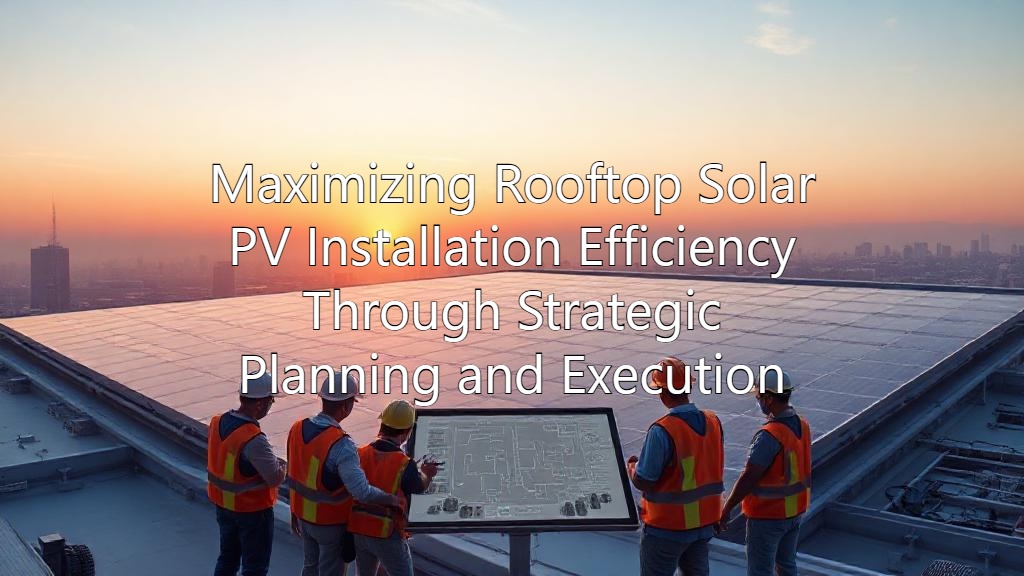
Rooftop solar PV installations have emerged as a beacon of hope for a sustainable future, with the global solar market expected to reach 1,584 GW by 2025.
The importance of maximising rooftop solar PV installation efficiency cannot be overstated, as it can help reduce reliance on non-renewable energy sources and lower carbon footprint.
Strategic planning and execution are crucial to unlocking the full potential of rooftop solar, and this requires a symphony of technical expertise, logistical precision, and innovative thinking.
Optimising Rooftop Solar PV System Design for Maximum Energy Production Efficiency
Rooftop solar PV systems have become an increasingly popular choice for homeowners and businesses, offering a clean and renewable source of energy.
To maximise energy production efficiency, it is crucial to optimise the design of these systems, taking into account factors such as roof size, orientation, and shading.
- Maximising energy production is key to making rooftop solar PV systems a viable alternative to traditional energy sources.
- Optimising system design can increase energy output by up to 20%, making it a crucial step in the installation process.
- By reducing energy losses, individuals can ensure that their rooftop solar PV systems are operating at peak efficiency, minimising their environmental impact.
Strategic Planning and Execution Techniques for Rooftop Solar PV Installation Success
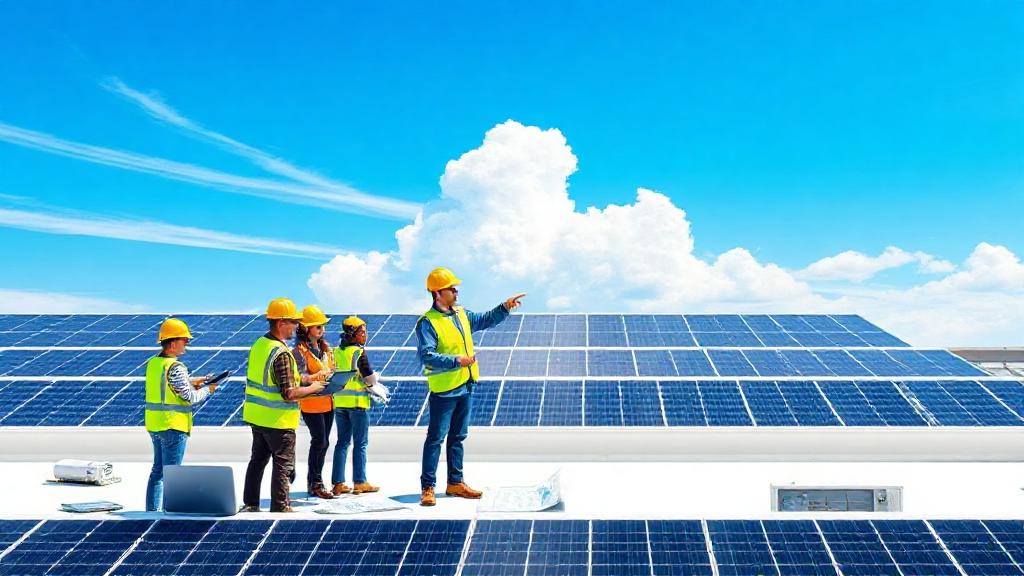
Installing a rooftop solar PV system requires careful planning and execution to ensure maximum energy output and minimal maintenance.
It’s essential to assess the roof’s condition, orientation, and shading to determine the optimal placement of solar panels.
Factors like energy storage, grid connection, and local regulations must also be considered.
Building-Integrated Photovoltaics (BIPV) for Enhanced Energy Generation and Cost Savings
Building-Integrated Photovoltaics (BIPV) have successfully integrated into various buildings, generating clean energy while reducing costs.
The integration of BIPV systems into building design has numerous benefits, including reduced energy consumption and lower utility bills.
By incorporating photovoltaic cells into building facades, roofs, and windows, buildings can generate their own clean energy, reducing their reliance on non-renewable energy sources and minimizing their carbon footprint.
Hybrid PV/Wind Systems for Optimised Energy Production and Reduced Electricity Costs
Hybrid PV/wind systems are revolutionising the way we think about renewable energy, blending the benefits of photovoltaic (PV) panels and wind turbines to create a harmonious balance of energy production.
This synergy allows for a more consistent and reliable energy output, as the PV panels can produce energy during the day, while the wind turbines can take over at night or during periods of low sunlight.
Off-Grid Solar PV System Design and Installation for Remote or Rural Areas
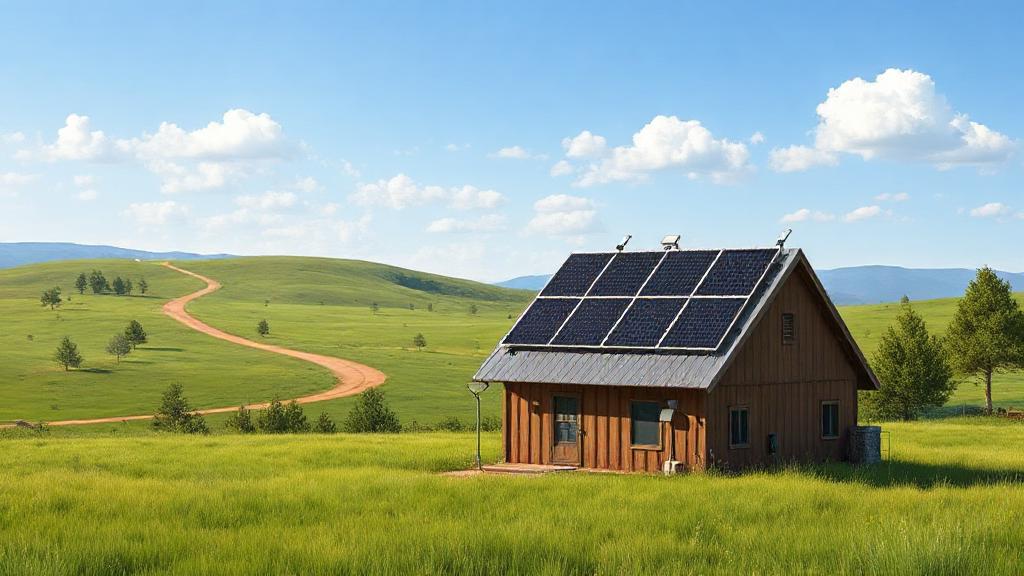
When designing an off-grid solar PV system for remote or rural areas, it’s essential to consider the energy requirements of the location, as well as the available solar resources.
A thorough assessment of the site’s solar irradiance, temperature, and shading conditions is necessary to determine the optimal system size and configuration.
Performance Analysis and Evaluation of Different Photovoltaic (PV) Technologies and Panels
Evaluating photovoltaic panels is crucial for optimal energy harnessing.
- Assessing monocrystalline silicon panels for their high efficiency rates
- Comparing polycrystalline silicon panels for their cost-effectiveness
- Investigating thin-film panels for their flexibility and durability
- Developing bifacial panels for their ability to harness energy from both sides
- Testing perovskite panels for their potential to surpass traditional silicon-based panels
Machine Learning Algorithms for Predicting PV Power Generation and Optimising System Performance
Predicting PV power generation is crucial for optimising system performance, and machine learning algorithms can be used to analyse factors like weather conditions, temperature, and solar panel quality.
The goal is to create a system that can learn from historical data and make accurate predictions about future energy production.
Outdoor Environmental Factors Affecting PV Efficiency and Strategies for Mitigation
Solar panels are not completely immune to environmental factors, and their efficiency can be significantly impacted by external conditions.
Factors like temperature, humidity, and pollution can greatly affect their performance.
Techno-Economic Optimisation of Solar PV Systems for Reduced Costs and Increased Energy Yield
The techno-economic optimisation of solar photovoltaic (PV) systems is a multifaceted approach that involves the careful evaluation of various technical and economic factors to minimise costs and maximise energy yield.
This optimisation process requires a deep understanding of the underlying technical and economic principles, as well as the ability to analyse and simulate the behaviour of different system configurations under various operating conditions.
As we look to the future of renewable energy, the importance of maximising rooftop solar PV installation efficiency cannot be overstated.
By prioritising strategic planning and execution, we can unlock the full potential of rooftop solar, reducing our reliance on non-renewable energy sources and creating a more sustainable future for generations to come.
The image of a cityscape transformed, with rooftops harnessing the power of the sun to energise homes, businesses, and communities, is a powerful one, and it is an image that is increasingly within our grasp.