




The handling of flammable materials can be a ticking time bomb, waiting to unleash a catastrophic blaze that can ravage lives and properties.
In Singapore, the Singapore Civil Defence Force (SCDF) plays a crucial role in mitigating such risks through the Petrol and Flammable Materials (P&FM) permit submission process.
The process is akin to a meticulous puzzle solver, where each piece – from risk assessment to safety protocols – must be carefully fitted together to ensure a safe and secure environment.
Checking Eligibility Requirements for P&FM Storage Licence Application Process
Applicants must meet specific criteria, including compliance with regulatory requirements and adherence to safety standards.
The application process involves a thorough review of the applicant’s qualifications, experience, and facilities.
- Timely preparation is crucial to avoid last-minute hurdles and ensure a seamless application process.
- In-depth knowledge of regulatory requirements and safety standards is essential for a successful P&FM storage licence application.
- Thorough documentation of facilities, qualifications, and experience is vital to demonstrate eligibility and compliance with regulatory requirements.
Understanding Exemption Quantities for Petroleum and Flammable Materials in Singapore

Understanding exemption quantities is crucial to avoid any potential risks or penalties.
In Singapore, the National Environment Agency (NEA) and the Singapore Civil Defence Force (SCDF) regulate the storage and handling of hazardous materials, including petroleum and flammable substances.
The exemption quantities vary depending on the type and classification of the material, and it’s essential to familiarize yourself with these regulations to ensure a safe and compliant environment.
Gathering Necessary Documents for P&FM Storage Licence Application Submission
To initiate the application process, it is essential to collect all necessary documents, such as certificates of incorporation, facility diagrams, and safety protocols, which must be accurately completed and submitted to the relevant authorities.
The requirements for these documents may vary depending on the type of storage facility and the materials being stored, so it is crucial to verify the specific needs with the relevant regulatory bodies.
Engaging a Qualified Person to Prepare and Submit P&FM Storage Plans to SCDF
Engaging a qualified person to prepare and submit Plans for Petroleum and Flammable Materials (P&FM) storage to the Singapore Civil Defence Force (SCDF) is a crucial step in ensuring compliance with regulations and safety standards in Singapore.
A qualified person will be able to assess the storage facility, identify potential hazards, and develop a comprehensive plan that meets the SCDF’s requirements.
Complying with Fire Safety Requirements for Storing Scheduled Chemicals and P&FM
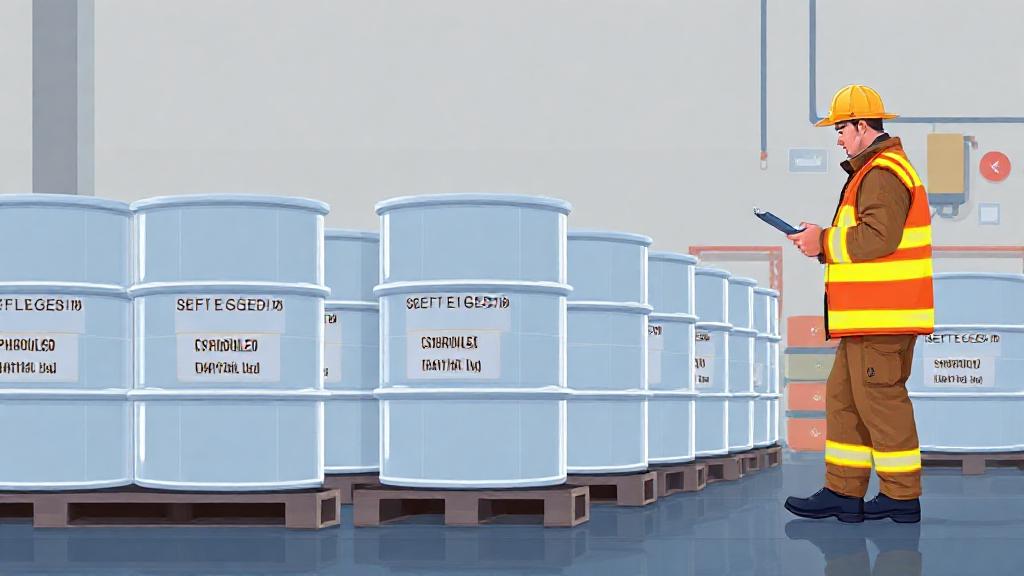
To ensure a safe working environment, it is crucial to comply with fire safety requirements when storing scheduled chemicals and petroleum, flammable, and combustible materials (P&FM).
This can be achieved by implementing proper storage procedures, such as using suitable containers, labeling them correctly, and storing them in well-ventilated areas.
Calculating Fees for P&FM Storage Licence and Understanding Payment Methods Available
Determining the correct fees is crucial for licence holders in Singapore.
- Managing monthly payments through GIRO or online banking services
- Calculating storage capacity to determine the applicable fee tier
- Understanding the payment terms and conditions to avoid late fees
- Reviewing the licence agreement to ensure compliance with regulations
- Comparing different payment methods to find the most convenient option
Submitting P&FM Storage Licence Application with Supporting Documents and Safety Plans
The submission of a comprehensive and well-structured application is crucial to a successful licence approval.
A series of forms and certifications… needing to be filled out correctly.
In order to increase the chances of a successful application, it is essential to ensure that all required documents are submitted, including a detailed safety plan, site plan, and certificates of insurance.
Conducting Regular Inspections and Audits to Ensure Compliance with P&FM Regulations
Regular inspections and audits are not a mere formality, but a crucial aspect of maintaining compliance with P&FM regulations.
“71% of organizations that prioritized compliance and risk management reported improved financial performance”
This statistic highlights the importance of regular inspections and audits in driving business success, and underscores the need for companies to prioritize compliance and risk management in order to stay ahead of the curve.
Maintaining a Safe and Secure Environment for Handling and Storing Petroleum and Flammable Materials
To ensure a safe and secure environment for handling and storing petroleum and flammable materials, it is crucial to implement and adhere to stringent safety protocols, including proper labeling, storage, and disposal procedures, as well as providing regular training to personnel handling these substances.
The handling and storage of petroleum and flammable materials pose significant risks, including fires, explosions, and environmental contamination, emphasizing the need for a comprehensive safety plan.
The submission process for flammable materials comes full circle, and it is evident that the meticulous approach undertaken by P&FM SCDF has been instrumental in ensuring the safe handling and storage of these hazardous substances in Singapore.
The thorough evaluation and stringent guidelines in place serve as a beacon of assurance, protecting the community from potential risks associated with flammable materials.
Looking ahead, it is crucial for industries and individuals to continue adhering to these guidelines, fostering a culture of safety and responsibility that permeates every aspect of their operations.
Ultimately, the success of this process hinges on the collective efforts of all stakeholders, and as we move forward, it is imperative to remain vigilant and proactive in mitigating the dangers posed by flammable materials, ensuring a safer tomorrow for generations to come.