




As the backbone of modern industry, diesel tanks stand like silent sentinels, storing the lifeblood of commerce and transportation, yet their importance often remains overlooked, much like the unsung heroes of our time.
Like a masterfully conducted orchestra, the process of handling and maintaining these tanks requires precision, harmony, and a deep understanding of the intricate dance between safety, efficiency, and environmental responsibility.
But have you ever wondered what goes on behind the scenes to ensure these tanks are filled, monitored, and managed with the utmost care?
The process of diesel tank management is akin to navigating a complex maze, where each turn and decision impacts not only the tank’s performance but also the surrounding ecosystem.
Understanding P&FM Submission Requirements for Diesel Tanks in Singapore
The Petroleum and Flammable Materials (P&FM) submission requirements are crucial for ensuring the safe storage and handling of diesel tanks in Singapore, with the goal of preventing accidents and protecting the environment.
The requirements involve a thorough evaluation of the tank’s design, installation, and maintenance to guarantee compliance with regulatory standards.
By understanding these requirements, diesel tank owners and operators can minimize risks and avoid costly penalties.
- Non-compliance can result in severe fines and even business closure, making it essential to prioritize P&FM submission.
- Regular inspections and maintenance are vital to identify potential hazards and ensure the tank’s integrity.
- Timely submission of P&FM documents is critical to avoid delays and potential shutdowns.
Complying with SCDF Regulations for Petroleum and Flammable Materials Storage
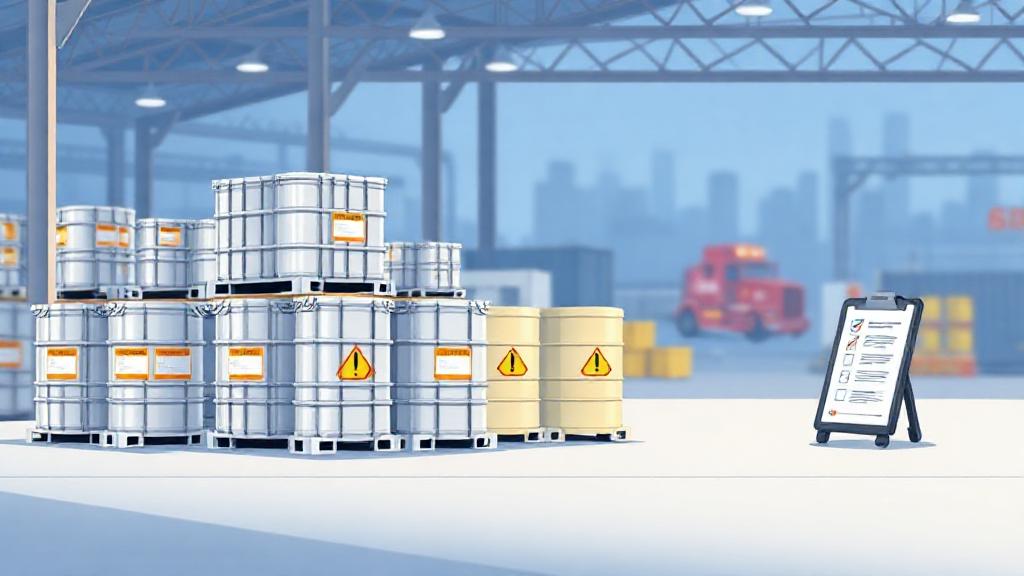
As facilities oversee the storage of petroleum and flammable materials in their Singapore-based facilities, ensuring compliance with regulations is crucial for safety and legal reasons.
Understanding the regulations set by the Singapore Civil Defence Force (SCDF) is the first step towards creating a safe and compliant storage environment.
The SCDF regulations outline specific requirements for the storage, handling, and transportation of these materials to prevent accidents and protect both people and the environment.
Preparing Necessary Documents for a Successful P&FM Submission Process
A local Singaporean business successfully submitted their P&FM application after carefully preparing all necessary documents, including financial statements and product descriptions.
This meticulous preparation allowed them to stand out from competitors and showcase their unique selling points.
To ensure a smooth submission process, it is essential to gather and organize all required documents in advance, including certificates of incorporation, tax clearance certificates, and product certifications.
Obtaining Mandatory Fire Safety Certificates for Diesel Tanks and Facilities
Obtaining mandatory fire safety certificates for diesel tanks and facilities is a crucial step in ensuring the safety and compliance of these installations, as it involves a thorough assessment of the facility’s design, construction, and operational procedures to identify potential fire hazards and implement measures to mitigate them.
The process typically begins with a thorough risk assessment, where qualified professionals evaluate the facility’s layout, equipment, and procedures to identify potential fire risks.
Paying Relevant Fees and Charges for P&FM Licence Applications

When applying for a P&FM licence, it is essential to understand the associated fees and charges to avoid any unexpected costs.
The fees for P&FM licence applications vary depending on the type of licence and the duration of the licence.
Conducting Regular Site Inspections to Ensure Compliance with SCDF Standards
Ensuring compliance with SCDF standards is crucial for site safety in Singapore.
- Conducting thorough risk assessments to identify potential hazards
- Implementing safety measures to mitigate risks and prevent accidents
- Maintaining accurate records of inspections and corrective actions
- Training personnel on emergency procedures and response plans
- Monitoring compliance with SCDF regulations and guidelines
Maintaining High Fire Safety and Security Levels in Diesel Storage Facilities
Safety protocols are crucial in diesel storage facilities.
A well-designed fire suppression system — with regular maintenance checks: to prevent equipment failure, and ensure compliance with regulations, effective training of personnel is essential to prevent accidents and minimize damage.
Implementing Emergency Preparedness Plans for Diesel Tank Facilities
Contrary to popular belief, diesel tank facilities are not inherently disaster-proof, and emergencies can still occur despite stringent regulations.
However, a well-planned emergency response can significantly mitigate the impact of an incident, as seen in the case of a diesel tank facility in Singapore that successfully contained a spill due to its effective emergency preparedness plan.
“A single gallon of diesel fuel can contaminate up to 1 million gallons of water, emphasizing the importance of emergency preparedness in diesel tank facilities”
Ensuring Public Safety through Adherence to SCDF Guidelines and Regulations
Adhering to the guidelines and regulations set forth by the Singapore Civil Defence Force (SCDF) is crucial for ensuring public safety, as it helps to mitigate risks and prevent accidents, while also promoting a culture of safety and responsibility among individuals and organizations in Singapore.
The SCDF guidelines and regulations provide a framework for emergency preparedness and response, outlining the necessary procedures and protocols for handling various types of emergencies.
As the submission process for diesel tanks comes full circle, the intricacies of Petrol and Fuel Management (P&FM) echo through the journey, highlighting the delicate balance between regulatory compliance and operational efficiency.
The meticulous planning, precise calculations, and thorough documentation that underscore this process serve as a testament to the complexity of managing fuel storage facilities.
Looking ahead, the effective implementation of P&FM strategies will likely play a pivotal role in shaping the future of diesel tank operations, prompting the question: what innovative solutions will emerge to address the evolving needs of this critical infrastructure?
In the end, it is the harmony between technology, regulation, and the relentless pursuit of efficiency that will ultimately dictate the success of P&FM submissions for diesel tanks.