




The handling of petroleum and flammable materials in Singapore can be a double-edged sword – while they fuel the nation’s economic growth, they also pose a significant risk to the safety of its citizens and the environment.
With the city-state’s dense population and thriving industrial sector, the potential for devastating fires and explosions is ever-present, much like a ticking time bomb waiting to unleash its fury.
The Singapore Civil Defence Force (SCDF) plays a crucial role in mitigating this risk, and their P&FM submission for petroleum and flammable materials is a vital component of this effort.
By navigating the complex web of regulations and guidelines, the SCDF ensures that these hazardous substances are handled, stored, and transported with the utmost care, preventing a spark from turning into a raging inferno.
Understanding SCDF Licensing Control for Petroleum and Flammable Materials in Singapore
The Singapore Civil Defence Force (SCDF) plays a crucial role in regulating the storage and handling of petroleum and flammable materials in Singapore, ensuring public safety and preventing potential hazards.
The SCDF licensing control framework is designed to mitigate risks associated with these materials, and it is essential for businesses and individuals to comply with the regulations.
By understanding the SCDF licensing control, stakeholders can ensure a safe and secure environment for their operations.
The consequences of non-compliance can be devastating, resulting in catastrophic accidents and loss of life.
Here are some key insights:
- Stringent regulations are in place to govern the storage and handling of petroleum and flammable materials.
- Regular inspections are conducted by the SCDF to ensure compliance with the licensing control framework.
- Businesses must obtain the necessary licenses and permits to store and handle these materials safely and legally.
Requirements for Obtaining a Licence from SCDF for Petroleum and Flammable Materials
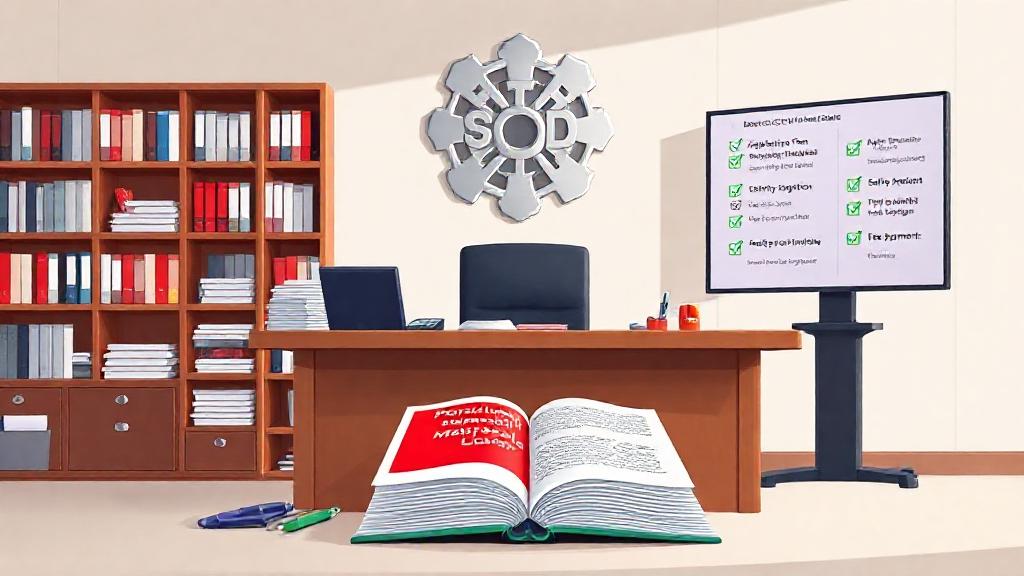
Handling hazardous materials can be a complex and daunting task, but understanding the requirements is the first step towards a safe and successful operation.
The SCDF has established guidelines to ensure the safe storage and handling of petroleum and flammable materials, and obtaining a licence is a crucial part of this process.
A licence application must be submitted with supporting documents, such as a site plan and a safety plan, to demonstrate the ability to store and handle these materials safely.
The licence application process may seem overwhelming, but it is designed to protect individuals, businesses, and the community from potential hazards.
Exemption Quantities for Import Transport or Storage of Petroleum and Flammable Materials
The exemption quantities for import, transport, or storage of petroleum and flammable materials are strictly regulated to ensure public safety and prevent environmental hazards.
Companies must carefully track and monitor their inventory levels to ensure they do not exceed the allowed exemption quantities, and obtain the necessary licenses and permits to operate legally.
The regulations governing exemption quantities are complex and require careful planning and management to ensure compliance.
Companies must also invest in training and education for their staff to ensure they are aware of the regulations and can implement them effectively.
Fire Safety Regulations 2020 for Handling Petroleum and Flammable Materials in Singapore
The fire safety regulations in Singapore for handling petroleum and flammable materials are a complex web of guidelines, designed to prevent fires, explosions, and other accidents that could have devastating consequences.
The Singapore Civil Defence Force (SCDF) and the National Environment Agency (NEA) are the primary authorities responsible for overseeing the implementation of these regulations.
The regulations cover a wide range of aspects, including the storage, handling, and transportation of petroleum and flammable materials, as well as the requirements for fire safety equipment, emergency response plans, and training for personnel handling these substances.
Stringent Measures for Ensuring Safety During Storage Distribution and Handling of P&FM
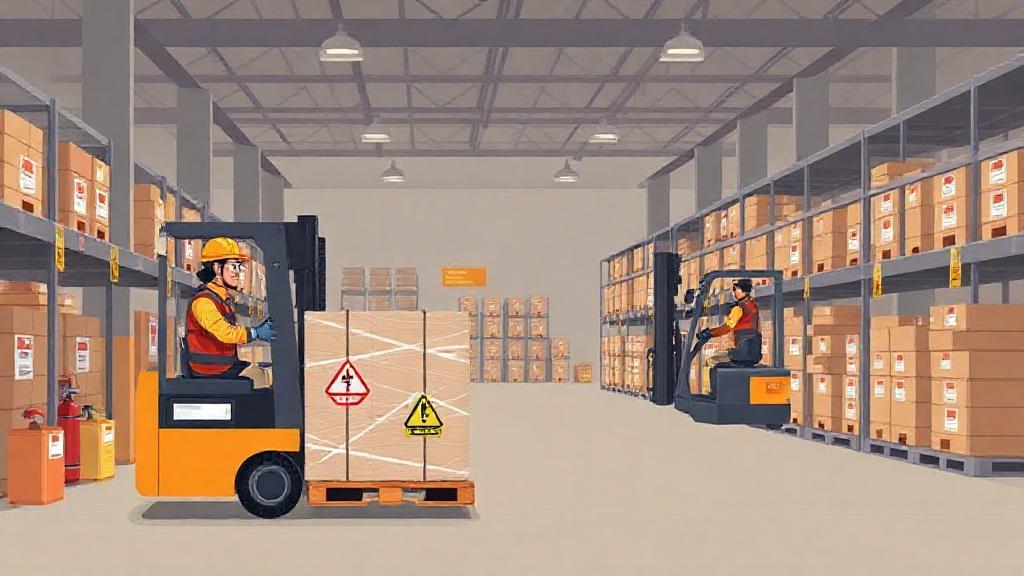
To ensure the safe handling and storage of petroleum and flammable materials, it is crucial to implement stringent measures that prevent contamination and spoilage.
This can be achieved by maintaining a clean and sanitized environment, using proper packaging materials, and adhering to strict temperature control guidelines.
Regular inspections and audits should be conducted to identify potential hazards and address them promptly.
By doing so, the risk of accidents and environmental hazards can be significantly reduced.
Types of Petroleum and Flammable Materials Licenses Available in Singapore SCDF
The Singapore Civil Defence Force (SCDF) offers various licenses for handling petroleum and flammable materials.
- Regulate storage and handling of petroleum and flammable materials with a Storage Licence
- Manage transportation of petroleum and flammable materials with a Transportation Licence
- Operate businesses involving petroleum and flammable materials with a Petroleum and Flammable Materials Licence
- Handle hazardous materials with a Hazardous Materials Licence
- Comply with safety regulations using a Fire Safety Certificate
Application Procedures and Requirements for Petroleum and Flammable Materials Licenses
To obtain a license for petroleum and flammable materials in Singapore, a comprehensive application process must be followed.
Licenses are typically required for businesses that handle or store these materials.
A company’s safety record and compliance with regulations are crucial factors in the approval process.
The application must be submitted through the relevant authorities, with all required documents and fees.
Safety protocols, emergency response plans, and staff training programs all play a critical role.
Documentation and Fees for P&FM Licenses and Permits Submission to SCDF Electronically
Submitting documentation and fees for P&FM licenses and permits to the Singapore Civil Defence Force (SCDF) electronically is not a cumbersome process.
The SCDF has streamlined the process to make it more efficient.
A quick look at the SCDF’s website reveals a user-friendly interface that guides applicants through the submission process, making it easier to navigate and reducing the likelihood of errors.
Petroleum and Flammable Materials Storage Licence Purpose and Safe Storage Practices Requirements
The storage of petroleum and flammable materials requires a licence to ensure that these hazardous substances are handled and stored safely, thereby preventing accidents and minimizing risks to people and the environment.
The purpose of the licence is to regulate the storage of these materials and to ensure that storage facilities comply with safety standards and regulations.
The safe storage practices requirements for petroleum and flammable materials include the use of approved containers, labeling, and signage, as well as regular inspections and maintenance to prevent leaks and other hazards.
As the SCDF continues to refine its P&FM submission, it is essential to examine the intricacies of this process and the measures in place to safeguard the nation against the dangers of petroleum and flammable materials.
The success of these efforts will depend on the collective responsibility of individuals and organizations to prioritize safety and compliance, fostering a culture of responsibility that will serve as the foundation for a safer, more resilient Singapore.
By doing so, the nation can continue to thrive, its progress fueled by the careful management of the very substances that power its growth.