




As the tiny red dot on the world map, Singapore is a droplet of water in the vast ocean, yet it faces a tsunami of challenges in managing its water resources.
With a growing population and limited land, the city-state is under pressure to innovate and find sustainable solutions to meet its water needs.
Imagine a futuristic city where water is harnessed like a symphony, with every drop being carefully managed and optimised, much like a skilled conductor leading an orchestra.
As Singapore strives to become a model for smart water management, engineering solutions are being crafted to address the complex issues of water scarcity, quality, and resilience, ensuring a harmonious balance between economic growth, environmental sustainability, and social well-being.
By embracing cutting-edge technologies and innovative approaches, Singapore can turn its water challenges into opportunities, creating a brighter future for its citizens and setting a shining example for the world to follow.
Optimising Urban Water Systems with Intelligent Sensor Technologies
The integration of intelligent sensor technologies in urban water systems is revolutionising the way cities manage their water resources, enabling real-time monitoring and predictive maintenance to prevent water losses and reduce energy consumption.
This innovative approach is transforming the traditional urban water infrastructure into a smart, efficient, and sustainable system.
By leveraging advanced sensors and data analytics, cities can optimise their water distribution networks and improve the overall quality of life for their citizens.
As the world’s urban population continues to grow, the pressure on ageing water infrastructure is reaching a boiling point, threatening the very foundation of modern society.
- Real-time monitoring enables swift detection of leaks and anomalies, reducing water waste and minimising the risk of waterborne diseases.
- Intelligent sensor technologies can predict and prevent pipe bursts, saving cities millions of dollars in repair costs and minimising disruptions to services.
- The use of data analytics and machine learning algorithms can optimise water treatment processes, ensuring that water quality meets or exceeds regulatory standards.
Implementing Advanced Rainwater Harvesting Methods in High-Density Cities
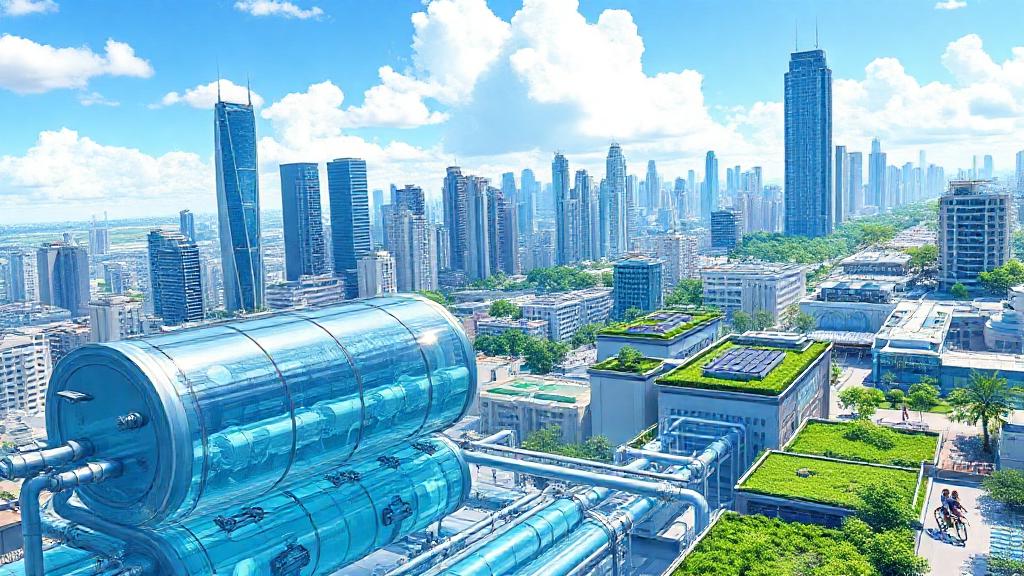
Implementing advanced rainwater harvesting methods can be a great way to reduce reliance on the municipal water supply and decrease the amount of stormwater runoff that can pollute nearby waterways.
This can be achieved by collecting and storing rainwater for uses such as flushing toilets or irrigating plants.
The implementation of advanced rainwater harvesting methods can help reduce the amount of stormwater runoff that enters nearby waterways, mitigating the risk of water pollution and protecting the environment.
Water Conservation Strategies for Reducing Non-Revenue Water Losses
The national water agency, PUB, has implemented a water conservation strategy that includes a water-saving campaign and a leak detection system, which has helped reduce non-revenue water losses by 10%.
This initiative is a great example of how a comprehensive approach to water conservation can make a significant impact.
The campaign encouraged residents to report leaks and take steps to reduce their water usage, resulting in a significant reduction in water waste.
By working together, the community was able to conserve water and reduce losses.
Designing Green Infrastructure to Mitigate Urban Flood Risks Effectively
Designing green infrastructure is crucial in mitigating urban flood risks, and can be achieved by creating a resilient and sustainable fabric that can withstand the torrential rains and storm surges that threaten to engulf cities.
This can be done by integrating vegetation, water management systems, and urban planning to create a complex system that absorbs and filters the water, slowly releasing it back into the environment.
The government has implemented various initiatives to promote the use of green infrastructure in urban planning, such as the creation of green corridors and parks, which not only help to alleviate flood risks but also provide a peaceful oasis for residents to escape the hustle and bustle of city life.
Developing Smart Water Grids with Real-Time Monitoring Capabilities
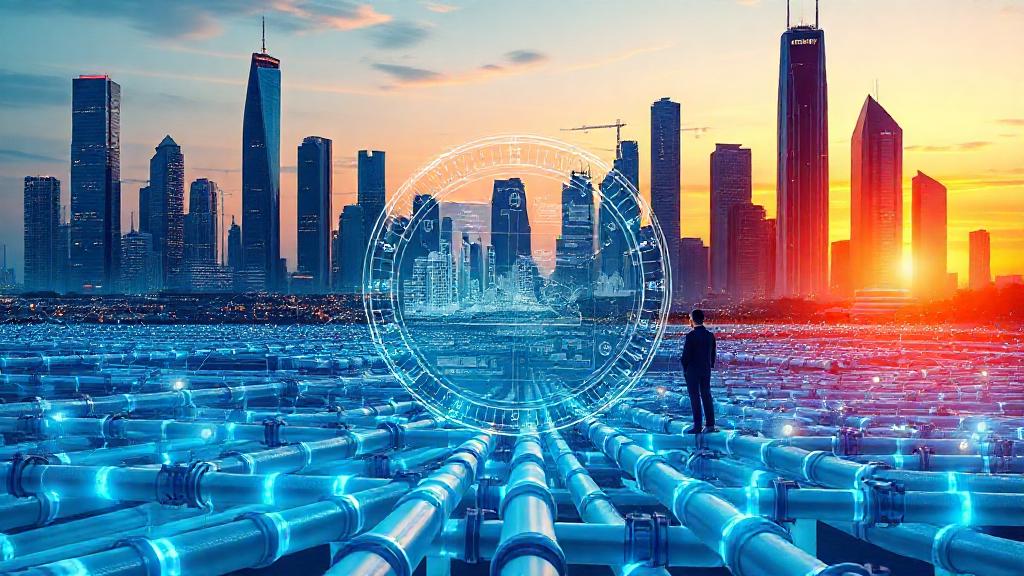
To create efficient and sustainable water management systems, it is essential to develop smart water grids with real-time monitoring capabilities.
This can be achieved by integrating advanced technologies such as IoT sensors, data analytics, and artificial intelligence.
By doing so, water utilities can detect leaks, predict water demand, and optimise water distribution in real-time.
Additionally, smart water grids can help reduce water waste, improve water quality, and enhance customer engagement.
Integrating IoT Devices for Efficient Water Distribution Network Management
Leveraging technology for smarter water systems is crucial in Singapore.
- Monitoring real-time water usage and pressure levels to prevent leaks
- Implementing smart valves and pumps for efficient water distribution
- Analysing data from IoT devices to predict and prevent pipe bursts
- Optimising water treatment processes with machine learning algorithms
- Maintaining a secure and reliable network infrastructure for IoT devices
By integrating IoT devices, water distribution networks can become more efficient, reducing waste and saving resources, which is essential for a sustainable future.
Assessing the Role of Artificial Intelligence in Predictive Water Maintenance
Artificial intelligence is changing the game in predictive water maintenance, involving various factors, including pipe materials, water pressure, and environmental conditions, all of which can be analysed and optimised using AI algorithms.
With the help of AI, water utilities can reduce maintenance costs and improve water quality.
The use of machine learning and data analytics in water maintenance enables utilities to detect potential issues before they become major problems and to develop proactive maintenance strategies.
Enhancing Water Treatment Processes with Innovative Membrane Technologies
Conventional water treatment methods are often deemed sufficient, but they can be inefficient and ineffective in removing certain contaminants.
Innovative membrane technologies are highly effective in removing a wide range of contaminants, including heavy metals, bacteria, and viruses, making them a game-changer in the water treatment industry.
The global membrane bioreactor market is expected to reach $2.8 billion by 2025, growing at a CAGR of 10.1% from 2020 to 2025.
Creating Sustainable Water Ecosystems through Collaborative Stakeholder Engagement
The development of sustainable water ecosystems relies heavily on the implementation of collaborative stakeholder engagement strategies, which facilitate open communication and coordination among various groups, including government agencies, local communities, and private sector organisations.
This approach is crucial for ensuring the long-term health and resilience of water ecosystems.
Collaborative stakeholder engagement can help to build trust and credibility among stakeholders, and ensure that the needs and concerns of all parties are taken into account, leading to more equitable and sustainable outcomes.
As Singapore continues to pave the way for innovative smart water management solutions, the city-state’s vision for a sustainable and resilient water future is becoming increasingly tangible.
With the integration of cutting-edge technologies and engineering expertise, the prospects for a water-secure tomorrow are looking brighter than ever.
The nation’s unwavering commitment to smart water management serves as a beacon of hope for other cities grappling with similar challenges, inviting them to embark on their own journeys of water sustainability.
The sound of gently flowing water and the glow of smart sensors whisper a promising melody – one that echoes the infinite possibilities that await a city that dares to reimagine its relationship with water.