




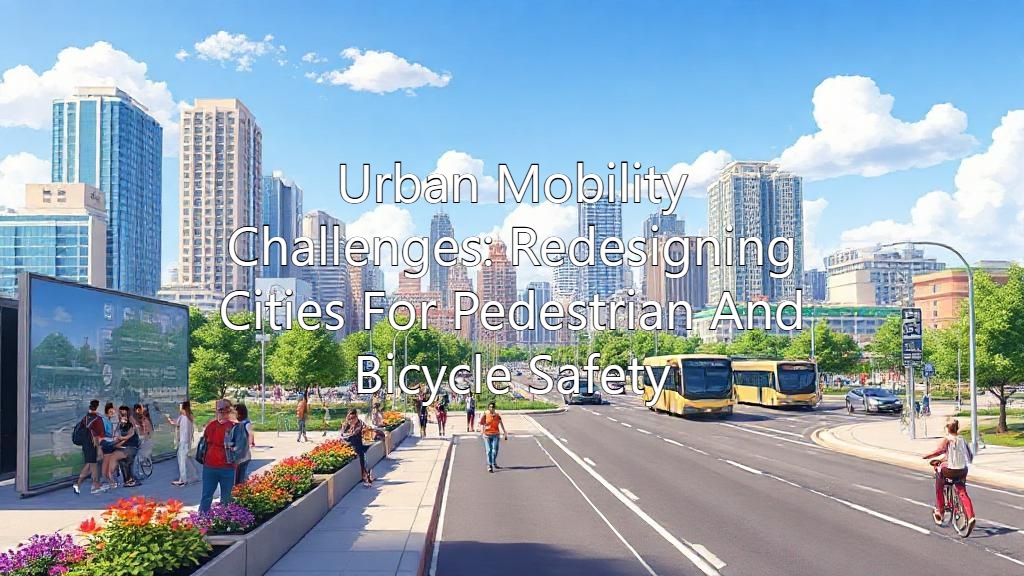
As the world’s cities continue to sprawl and swell, like a living, breathing organism, the streets that once connected us now often divide us, prioritising the speed of cars over the safety of pedestrians and cyclists.
Can we redesign our urban landscapes to put people, not vehicles, at the heart of the city?
The statistics are stark: according to the World Health Organisation, more than 1.35 million people die every year as a result of road traffic accidents, with pedestrians and cyclists accounting for a disproportionate number of these fatalities.
Like a master puzzle, urban planners must balance the competing demands of mobility, sustainability, and safety, all while creating vibrant, thriving public spaces that foster community and connection.
As we navigate the complexities of urban mobility, one thing is clear: the future of our cities depends on our ability to reimagine the streets and create a more equitable, people-centric transportation system.
Prioritising Pedestrian Safety In Urban Planning Through Infrastructure Redesign
Effective urban planning is crucial for ensuring the safety and well-being of pedestrians, and this can be achieved through the redesign of infrastructure, such as roads and public spaces, to prioritize pedestrian-friendly features.
By doing so, cities can reduce the risk of accidents and create a more livable environment for residents and visitors alike.
This approach not only saves lives but also fosters a sense of community and promotes sustainable transportation methods.
- Pedestrianised zones can significantly reduce traffic-related accidents and promote a culture of walking and cycling.
- Smart traffic management systems can optimise traffic flow and minimise congestion, making roads safer for pedestrians.
- Implementing dedicated pedestrian crossings and intelligent speed adaptation technologies can also greatly enhance pedestrian safety.
Implementing Speed Management Interventions For Reduced Traffic Collisions
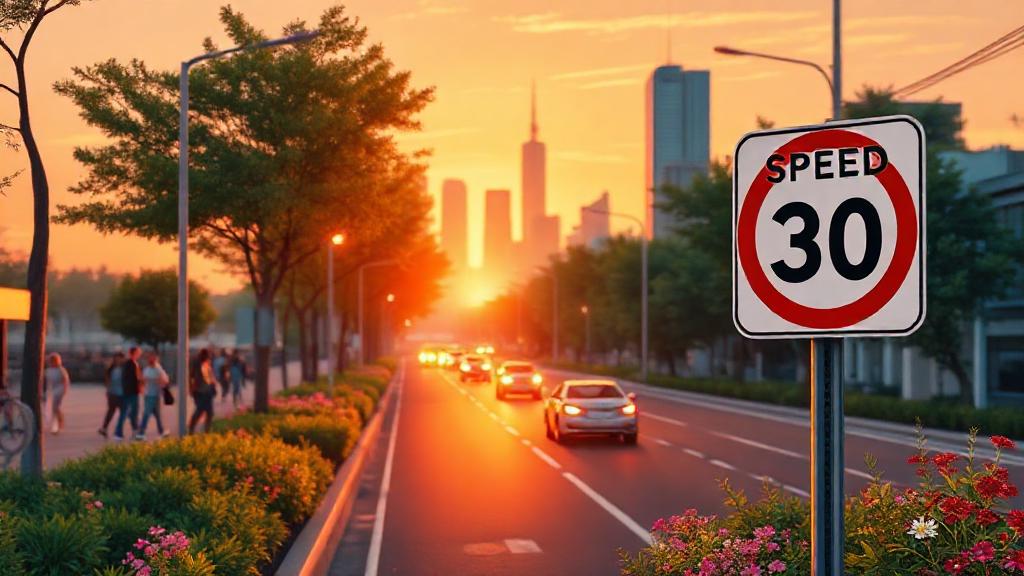
Understanding the importance of speed management is crucial in reducing traffic collisions, and it’s essential to recognise the role that speed management interventions play in promoting road safety.
By implementing effective speed management interventions, such as speed limits, traffic calming measures, and public awareness campaigns, cities can contribute to creating a safer driving environment.
These interventions can significantly reduce the risk of accidents and fatalities on the road.
Many cities and countries are working together to implement speed management strategies and make their roads safer for everyone.
Designing Green Infrastructure To Enhance Pedestrian Experience And Safety
In cities, the introduction of green roofs and walls along pedestrian pathways has significantly improved air quality and reduced urban heat island effects, creating a more pleasant walking experience for residents.
For instance, the green infrastructure integrated into the design of urban areas has not only enhanced the aesthetic appeal of the area but also provided a natural habitat for local wildlife.
This approach has been particularly effective in promoting a sense of community and well-being among pedestrians.
By incorporating green spaces into urban planning, cities can mitigate the negative impacts of urbanisation and create more sustainable environments.
Creating Segregated Cycling Lanes To Promote Sustainable Urban Mobility Systems
Creating segregated cycling lanes is a crucial step in promoting sustainable urban mobility systems, as it provides a safe and efficient way for cyclists to navigate through the city.
By separating cycling lanes from other vehicular traffic, cities can reduce the risk of accidents and injuries, making cycling a more appealing and viable option for commuters.
Moreover, segregated cycling lanes can also help to reduce traffic congestion, decrease air pollution, and increase physical activity among residents, ultimately contributing to a healthier and more sustainable urban environment.
Improving Public Transit Infrastructure For Enhanced Pedestrian Accessibility
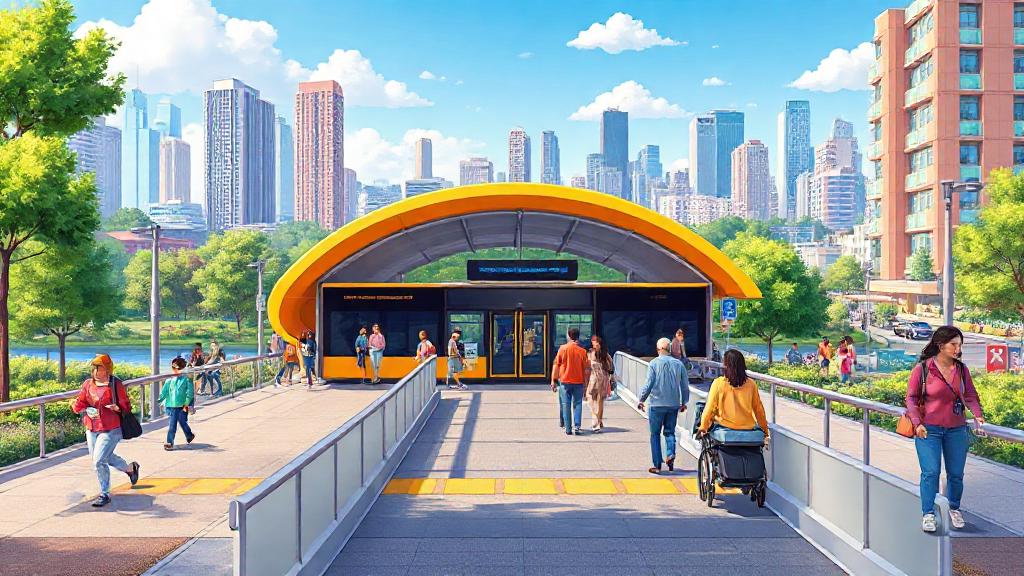
To enhance pedestrian accessibility, cities can implement various strategies, including the installation of pedestrian-friendly infrastructure such as sidewalks, crosswalks, and pedestrian signals.
Additionally, public transportation systems can be designed to prioritise accessibility, with features like wheelchair ramps and audio announcements.
By incorporating these elements, cities can create a more inclusive and navigable environment for pedestrians of all abilities.
Incorporating Traffic Calming Measures To Reduce Speeds And Enhance Safety
Implementing traffic calming measures is crucial for urban road safety.
- Designing speed tables and cushions to slow down vehicles
- Installing pedestrian-friendly crossings and refuge islands
- Constructing chicanes and narrowings to reduce traffic speed
- Implementing speed cameras and radar guns for enforcement
- Creating bike-friendly lanes and pedestrianised zones
By incorporating these measures, cities can significantly reduce traffic accidents and enhance overall safety, making urban areas more livable and sustainable for residents.
Addressing Gender Accessibility In Urban Design For Inclusive Mobility Solutions
Creating inclusive mobility solutions requires a deep understanding of the needs of all users.
Incorporating gender-sensitive design principles is crucial for promoting equal access to mobility options.
As we strive to create more inclusive urban environments, we must consider how design can impact daily life: from the location of public toilets to the safety of walking routes at night — it’s a complex issue, and one that requires a nuanced approach.
Redesigning Existing Streets To Prioritise Pedestrian And Bicycle Safety Features
Contrary to popular belief, widening roads does not necessarily reduce traffic congestion or improve safety.
In fact, it can often have the opposite effect, encouraging faster speeds and increasing the risk of accidents.
A notable example of a city that has successfully redesigned its streets to prioritise pedestrian and bicycle safety is Copenhagen, which has implemented extensive bike lanes and pedestrianised zones, resulting in a significant reduction in traffic accidents and fatalities.
Optimizing Urban Mobility Systems Through Integrated Infrastructure Interventions
As cities continue to grow and evolve, the need for efficient and sustainable urban mobility systems has become increasingly pressing, with integrated infrastructure interventions offering a promising solution to mitigate congestion, reduce emissions, and enhance the overall quality of life for citizens.
The implementation of such interventions requires a thorough understanding of the complex interplay between urban form, transportation systems, and land use patterns, as well as a willingness to adopt innovative and adaptive strategies that can respond to the unique challenges and opportunities of each city.
By leveraging advances in data analytics, IoT technologies, and collaborative governance models, cities can create more resilient, responsive, and sustainable mobility systems that support the well-being of their inhabitants and contribute to a more livable and prosperous urban future.
As we envision the future of urban mobility, the image of a bustling city street transformed into a vibrant public space comes to mind, where pedestrians and cyclists can move freely and safely, surrounded by greenery and innovative design.
The journey towards redesigning cities for pedestrian and bicycle safety is ongoing, with many lessons still to be learned and challenges to be overcome.
Looking ahead, the prospect of harnessing technology and community engagement to create more sustainable and equitable urban environments is a promising one, with the potential to improve the lives of millions of city dwellers.
Ultimately, the success of these efforts will depend on our ability to reimagine the urban landscape as a dynamic, interconnected system that prioritises the well-being of all its users, and to create a future where every street is a safe and inviting space for everyone to thrive.
By doing so, we can unlock the full potential of our cities and create a brighter, more sustainable future for generations to come.