




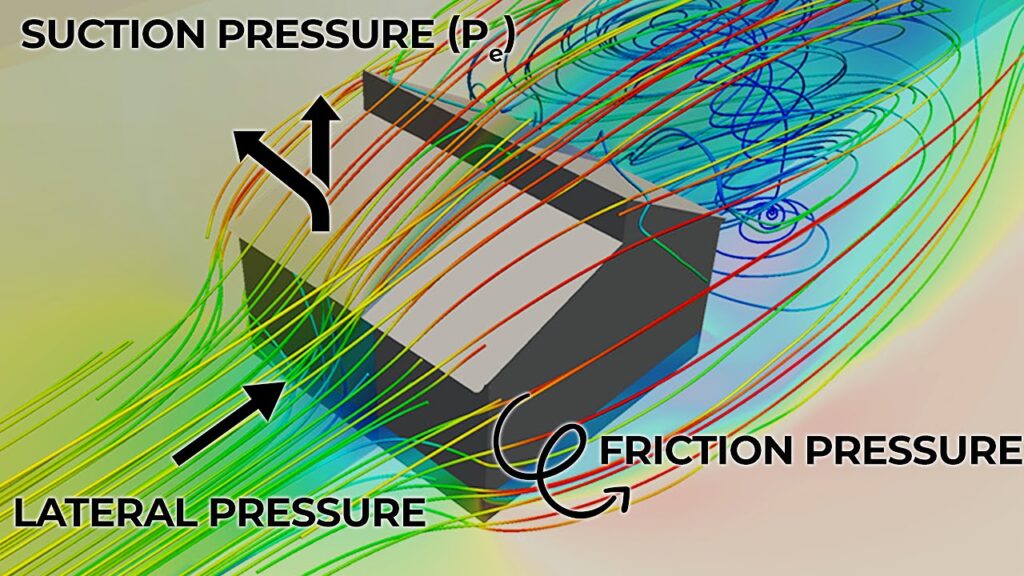
Wind is one of the most critical environmental forces that impact the design and performance of structures. In a high-rise city like Singapore, where buildings are constantly exposed to strong winds, ensuring structural safety and resilience is paramount. At Stellar Structures, we specialize in wind design for buildings and infrastructure, adhering to Eurocode standards with the Singapore Annex to deliver safe, efficient, and sustainable solutions.
Why Is Wind Design Important?
Wind loads can significantly affect a structure’s stability, safety, and functionality. Poorly designed buildings may experience:
- Excessive swaying, causing discomfort to occupants.
- Structural damage, such as cracks or deformations.
- Catastrophic failure, in extreme cases, risking lives and property.
Wind design ensures structures can withstand wind forces while maintaining their integrity and performance. It is especially critical in Singapore, where tropical storms and monsoon winds are common.
Key Principles of Wind Design
Wind design involves analyzing the effects of wind on a structure and incorporating measures to mitigate its impact. The process includes:
- Wind Load Calculation
Wind loads are calculated based on wind speed, building height, shape, and location. The Eurocode standard EN 1991-1-4 (Actions on Structures – Wind Actions) provides a framework for determining wind loads, while the Singapore Annex tailors these guidelines to local conditions.
Key parameters include:
- Basic Wind Speed (Vb): Derived from meteorological data specific to Singapore.
- Terrain Category: Determines the roughness of the surrounding area (e.g., urban, suburban, open terrain).
- Topography Factor: Accounts for local terrain features such as hills or valleys.
- Pressure Coefficients: Reflect the wind pressure distribution on the building’s surfaces.
- Structural Response Analysis
Once wind loads are determined, engineers analyze how the structure responds to these forces. It includes:
- Static Analysis: For low-rise buildings, where wind loads are treated as static forces.
- Dynamic Analysis: Wind-induced vibrations and oscillations must be considered for tall or flexible structures.
- Aerodynamic Considerations
The shape and orientation of a building significantly influence its wind resistance. Aerodynamic design techniques, such as:
- Tapered or Stepped Profiles: Reduce wind pressure by allowing air to flow smoothly around the building.
- Rounded Corners: Minimize turbulence and wind-induced vibrations.
- Wind Tunnels and CFD Simulations: Used to test and optimize building designs for wind resistance.
Eurocode Standards and Singapore Annex
The Eurocode (EN 1991-1-4) is a widely recognized standard for wind design, providing a comprehensive framework for calculating wind loads and assessing structural performance. However, Singapore’s unique climatic conditions necessitate using the Singapore Annex, which adapts the Eurocode to local requirements.
Key adaptations include:
- Higher Basic Wind Speeds: It reflects Singapore’s exposure to tropical storms and monsoon winds.
- Terrain-Specific Factors: Accounting for Singapore’s urban density and coastal geography.
- Seismic-Wind Interaction: Considering the combined effects of wind and seismic loads in high-rise structures.
Methodologies for Wind Design
At Stellar Structures, we employ advanced methodologies to ensure accurate and reliable wind design:
- Wind Tunnel Testing
Wind tunnel testing involves creating a scaled model of the structure and subjecting it to simulated wind conditions. It provides valuable insights into:
- Wind pressure distribution.
- Vortex shedding and dynamic responses.
- Pedestrian-level wind comfort and safety.
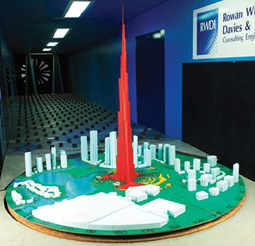
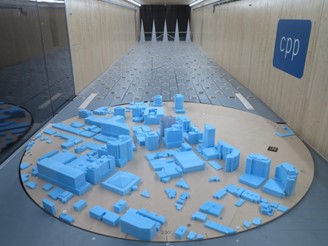
Wind tunnel testing of buildings
- Computational Fluid Dynamics (CFD)
CFD simulations use numerical methods to analyze wind flow around the structure. It allows us to:
- Optimize building shapes for reduced wind loads.
- Identify areas of high wind pressure or turbulence.
- Enhance pedestrian comfort in the surrounding regions.
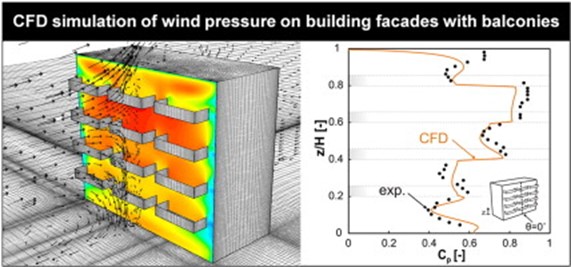
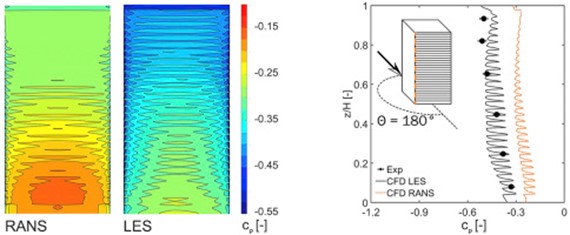
CFD analysis of wind pressure distribution on a building
- Structural Analysis Software
We use advanced software tools such as ETABS, SAP2000, and STAAD.Pro to model and analyze the structural response to wind loads. These tools enable us to:
- Perform static and dynamic analyses.
- Assess the impact of wind-induced vibrations.
- Ensure compliance with Eurocode and Singapore Annex requirements.
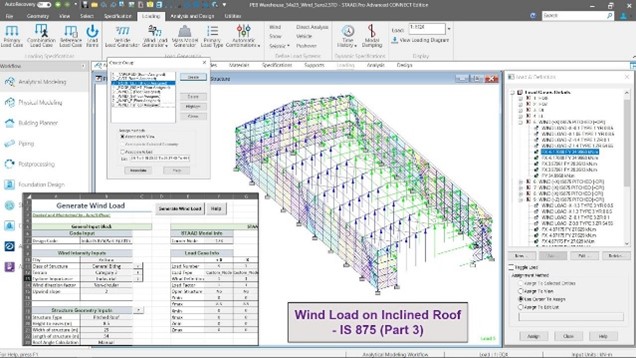
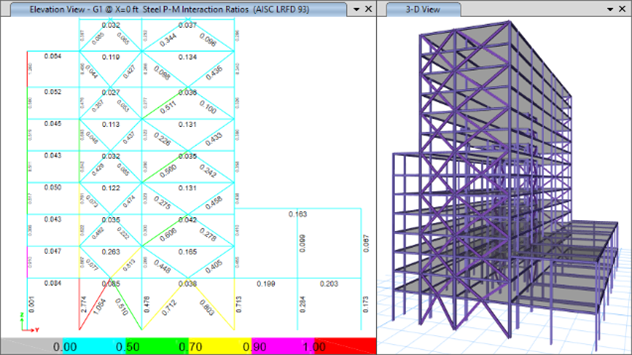
Use of tools like ETABS or STAAD.Pro in wind load analysis
Benefits of Professional Wind Design
- Enhanced Safety: Protects the structure and its occupants from wind-related hazards.
- Improved Comfort: Reduces building sway and vibrations, ensuring occupant comfort.
- Cost Efficiency: Optimizes material usage and reduces the risk of costly repairs.
- Regulatory Compliance: Ensures adherence to Eurocode and Singapore Annex standards.
- Sustainability: Promotes resilient and durable structures with a lower environmental impact.
Why Choose Stellar Structures?
At Stellar Structures, we combine technical expertise, advanced tools, and a deep understanding of local conditions to deliver world-class wind design solutions. Our approach includes:
- Comprehensive Analysis: We leave no stone unturned, from wind load calculations to dynamic response assessments.
- Advanced Tools: We leverage cutting-edge software and testing methods for accurate and reliable results.
- Tailored Solutions: Our designs are tailored to align with the specific requirements of every project.
- Regulatory Expertise: We ensure full compliance with Eurocode and Singapore Annex standards.
- End-to-End Support: We provide seamless support for your project from concept to completion.
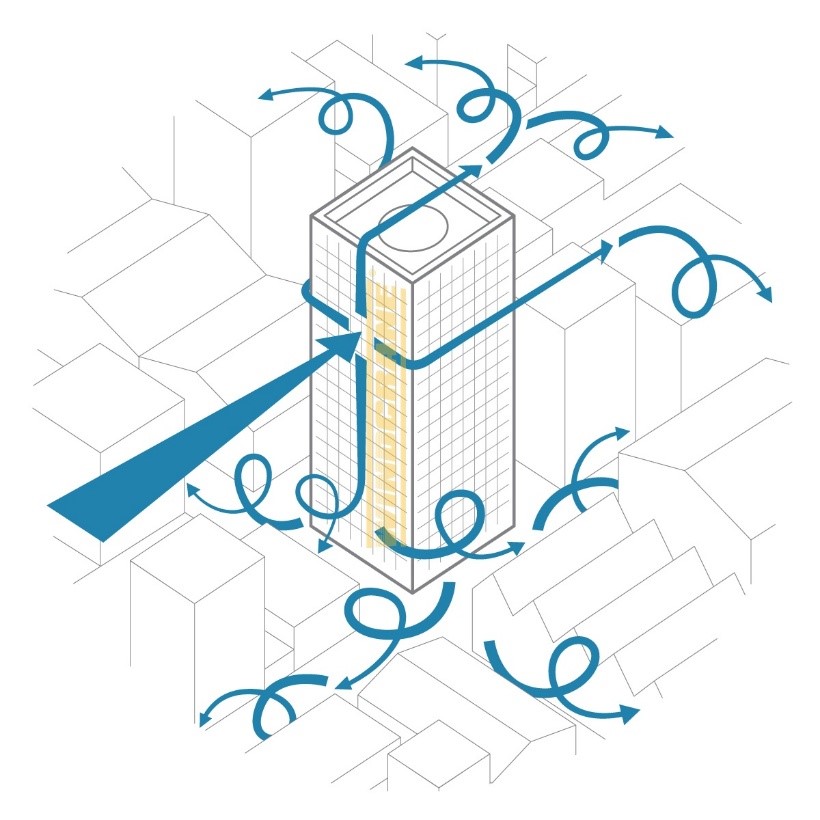
Wind speed pattern with buildings in the city
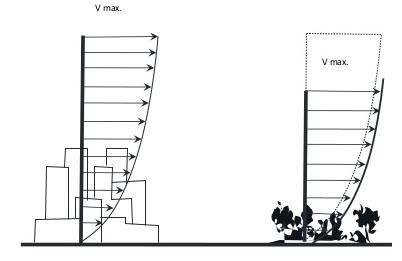
Effect of wind on tall buildings
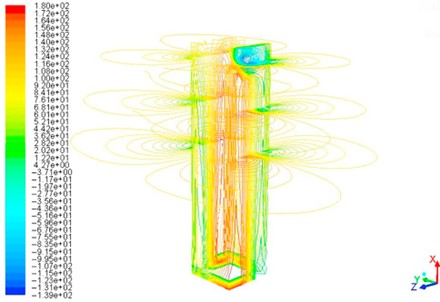
Effects of wind-induced vibrations on a tall structure
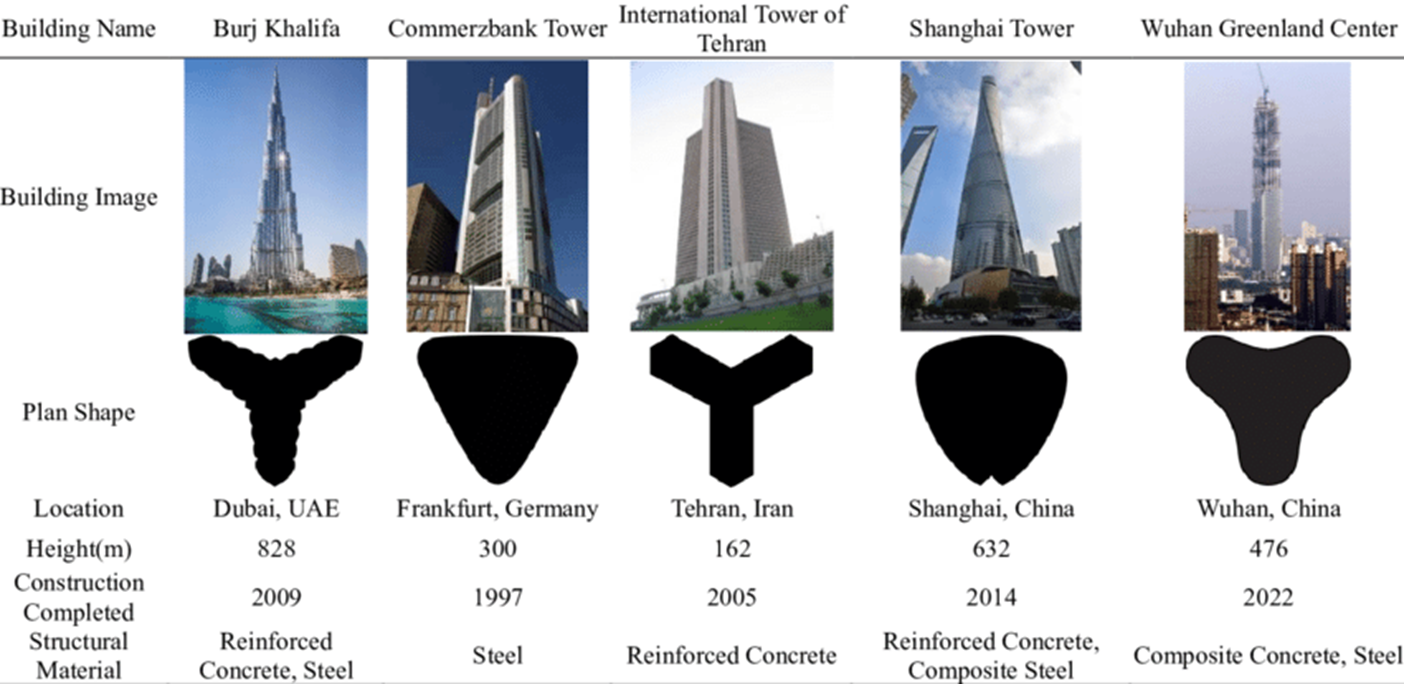
The aerodynamic shape of structures
Wind design is a critical aspect of structural engineering, ensuring that buildings can withstand the forces of nature while providing safety, comfort, and durability. In a dynamic city like Singapore, where high-rise structures dominate the skyline, professional wind design is not just a requirement—it’s a necessity.
At Stellar Structures, we are committed to delivering innovative and resilient wind design solutions that stand the test of time. Reach out to us today to discover how our expertise in wind design and structural engineering can support you in realizing your project objectives.