




Like a master weaver, civil engineering intricately threads together the complex fabric of Singapore’s transport infrastructure, creating a seamless and efficient network that underpins the city-state’s economic and social vitality.
As a tiny island nation with limited land and a burgeoning population, Singapore’s transport system is a testament to human ingenuity, with over 12,000 kilometres of roads, more than 200 kilometres of rail network, and one of the world’s busiest airports.
But have you ever wondered what lies beneath the surface of this impressive infrastructure, and how civil engineers design, build, and maintain the roads, bridges, tunnels, and airports that keep Singapore moving?
From the majestic Marina Coastal Expressway to the sleek and modern Changi Airport, civil engineering plays a crucial role in shaping the transport infrastructure of Singapore, balancing functionality, sustainability, and aesthetics to create a world-class transportation system.
As we delve into the world of civil engineering, we’ll explore how this fascinating field continues to evolve and innovate, driving Singapore’s growth and development into the future.
Designing and Constructing Singapore’s Transport Infrastructure with Civil Engineering Expertise
The development of Singapore’s transport infrastructure is a complex task that requires careful planning and execution, involving various stakeholders and experts in the field of civil engineering.
Effective design and construction are crucial to ensure the safety, efficiency, and sustainability of the transport system, which is vital for the country’s economic growth and social development.
By leveraging cutting-edge technology and innovative solutions, civil engineers can create a seamless and integrated transport network that meets the needs of Singapore’s rapidly growing population.
As the city-state continues to evolve and expand, its transport infrastructure must be designed to withstand the test of time, adapting to emerging trends and challenges while minimising its environmental footprint.
- Innovative materials and construction techniques are being explored to reduce the carbon footprint of transport infrastructure projects.
- Sustainable design principles are being integrated into the development of transport systems to minimise environmental impact.
- Smart traffic management systems are being implemented to optimise traffic flow and reduce congestion.
Underground Civil Engineering Plays a Crucial Role in Developing Transport Systems
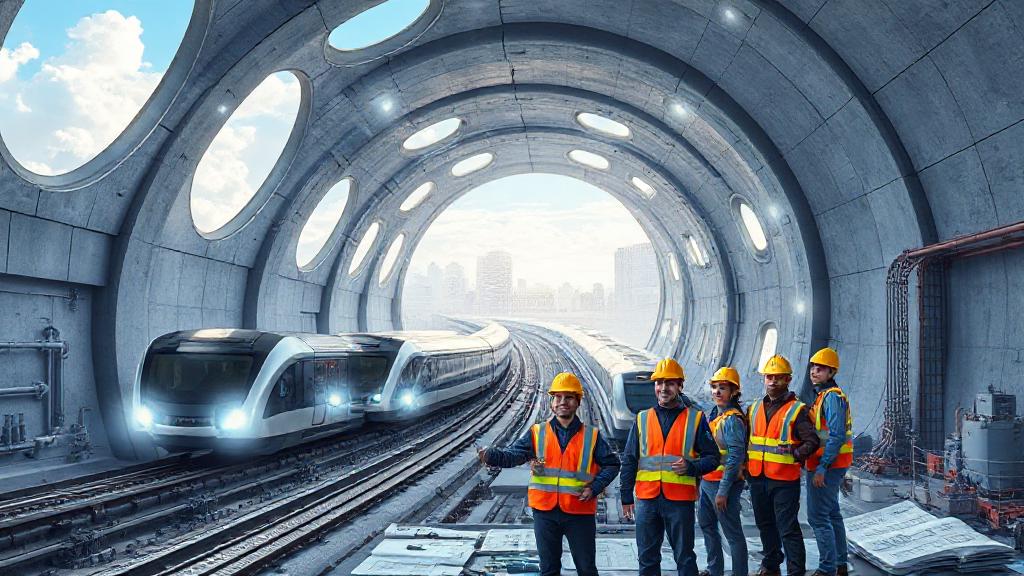
As you navigate through the bustling streets of Singapore, you might have wondered what lies beneath your feet, enabling the smooth flow of traffic and transportation.
You could be standing above a complex network of tunnels and stations, carefully designed and constructed by underground civil engineers.
The hum of the metro, the flow of traffic, all rely on this hidden infrastructure.
Underground civil engineering is a field that requires meticulous planning, precise execution, and a deep understanding of geological and structural dynamics.
It involves the design and construction of tunnels, subways, and other underground facilities that are crucial for modern transportation systems.
From the initial planning stages to the final construction phases, underground civil engineers play a vital role in ensuring the safety, efficiency, and sustainability of these systems.
Maximising Land Use and Increasing Connectivity through Thomson-East Coast Line Projects
The Thomson-East Coast Line (TEL) in Singapore is a prime example of how strategic land use planning can transform urban landscapes, with the upcoming completion of the line set to revolutionise commute times and connectivity for residents.
For instance, the TEL’s Orchard station is expected to become a major hub, with nearby developments such as the Orchard Boulevard and Orchard Central malls poised to benefit from increased foot traffic.
The TEL’s impact will be felt across the city-state, with enhanced connectivity and accessibility set to spur economic growth and urban renewal.
As the TEL continues to take shape, it is clear that this project will be a game-changer for Singapore’s transportation network.
The TEL’s stations are being designed with a focus on seamless integration with surrounding developments, incorporating features such as pedestrianised zones and cycling paths to promote sustainable transportation options.
By prioritising mixed-use development and transit-oriented design, the TEL is set to become a model for efficient and sustainable urban planning, with the potential to inspire similar projects in other cities.
Ensuring Safety and Reliability of Transport Infrastructure through Regular Maintenance Works
Regular maintenance of transport infrastructure is akin to a master clockmaker fine-tuning the intricate mechanisms of a grand clock, where every gear, spring, and cog must work in harmony to keep the entire system ticking smoothly.
In the context of transport infrastructure, this means ensuring that roads, bridges, tunnels, and railways are constantly inspected and repaired to prevent accidents and minimise disruptions.
By using advanced technologies such as drones, sensors, and data analytics to monitor and predict potential failures, transport authorities can take proactive measures to prevent catastrophic events.
Regular maintenance is the rhythm that keeps transport infrastructure harmonious and safe.
Upgrading the MRT System to Meet Travel Demands with Better Fault Detection and Recovery
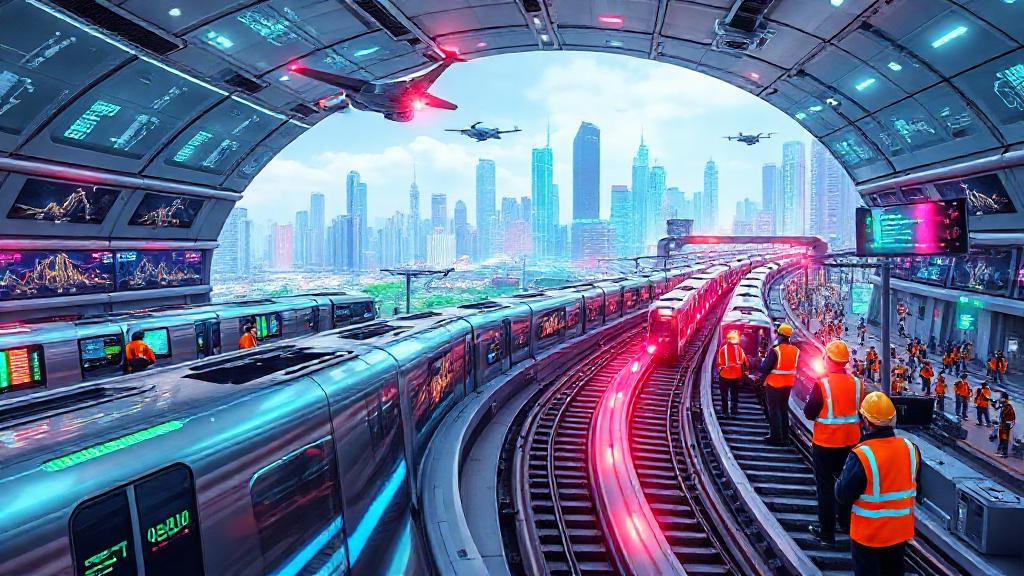
To improve the efficiency and reliability of the MRT system in Singapore, it is essential to implement advanced fault detection and recovery mechanisms.
This can be achieved through the integration of cutting-edge technologies such as artificial intelligence and the Internet of Things (IoT).
By leveraging these technologies, the system can detect potential faults and anomalies in real-time, allowing for prompt intervention and minimising disruptions to train services.
Moreover, the use of data analytics can help identify patterns and trends, enabling predictive maintenance and reducing the likelihood of faults occurring in the first place.
Leading Underground Utilities Contractors in Singapore Offer Comprehensive Civil Engineering Services
Providing essential infrastructure solutions in Singapore, these contractors excel in various fields.
- Managing complex tunnelling projects with precision and care
- Designing innovative pipe systems for efficient water distribution
- Constructing robust sewage networks to prevent environmental hazards
- Maintaining existing infrastructure to ensure public safety and convenience
- Upgrading outdated systems to meet growing urban demands
- Collaborating with government agencies to develop sustainable solutions
These underground utilities contractors play a vital role in Singapore’s urban development, ensuring the city-state’s infrastructure remains reliable and efficient.
Implementing Intelligent Transport Systems to Enhance Road Traffic Safety and Efficiency
Implementing intelligent transport systems can have a significant impact on road traffic safety and efficiency: by leveraging advanced technologies such as real-time data analytics, artificial intelligence, and IoT sensors, cities can optimize traffic flow, reduce congestion, and minimize the risk of accidents — ultimately creating a safer and more sustainable transportation ecosystem.
A system that is efficient and safe can save lives and reduce economic losses due to traffic accidents.
Cities like Singapore are already exploring the potential of intelligent transport systems to enhance their transportation infrastructure: with the use of data analytics and AI-powered traffic management systems, they can respond quickly to changing traffic conditions, identify potential safety hazards, and make informed decisions to improve traffic flow and reduce congestion.
Developing Sustainable and Efficient Transport Solutions through Innovation and Technology
The notion that sustainable transport solutions are inherently expensive and inefficient is a misconception that has hindered progress in this field.
In reality, innovative technologies have made it possible to create environmentally friendly transport systems that are also cost-effective.
This challenges the traditional view that economic growth and environmental protection are mutually exclusive.
“The future of transportation is not just about moving people from one place to another, but about creating a sustainable, equitable, and connected community”
Creating a Convenient and Well-Connected Land Transport System with the Land Transport Master Plan 2040
The Land Transport Master Plan 2040 aims to create a seamless and integrated land transport system in Singapore, focusing on enhancing the overall travel experience through the adoption of innovative technologies and sustainable practices, while also promoting a more efficient and reliable public transportation network.
This initiative seeks to address the evolving needs of commuters, ensuring that the land transport system is not only convenient but also environmentally friendly and well-connected, with a strong emphasis on walking, cycling, and riding as viable modes of transportation.
By leveraging data analytics and intelligent transportation systems, the plan endeavours to optimise traffic flow, reduce congestion, and minimise travel times, ultimately contributing to a more livable and sustainable city.
A well-designed land transport system is crucial for a city’s economic growth, environmental sustainability, and social equity, and the Land Transport Master Plan 2040 is a significant step towards achieving this vision
As we gaze out at the sleek, modern skyline of Singapore, it’s easy to forget the intricate network of roads, bridges, and tunnels that underpin the city’s remarkable growth and development.
The careful planning and precision of civil engineers have enabled the creation of a transport infrastructure that is not only efficient but also sustainable and resilient.
Looking to the future, it’s clear that the innovative spirit and technical expertise of Singapore’s civil engineers will continue to play a vital role in shaping the city’s transport landscape, as they adapt to emerging challenges like climate change and urbanisation.
As the city-state hurtles towards a smarter, more connected future, one thing is certain: the roads, railways, and waterways that crisscross Singapore will remain a testament to the power of human ingenuity and the enduring impact of civil engineering on our daily lives.
Ultimately, the true measure of their success will be the seamless, safe, and sustainable journeys that Singaporeans enjoy for generations to come.