




Introduction
Every monsoon season, thousands of landed homeowners across Singapore face the same frustrating cycle: ceiling stains appear, damp patches spread, and emergency calls to contractors follow. If you want to monsoon proof your landed home roof in Singapore, you need more than a quick patch job-you need an integrated approach that addresses waterproofing, drainage, detailing, and structural integrity before the heavy rain arrives.
Monsoon-proofing means upgrading and reinforcing your roof so it can withstand both the northeast monsoon (November to March) and the southwest monsoon (June to September) without leaks, water damage, or structural distress. It covers everything from membrane replacement on concrete flat roofs to gutter system upgrades and wind driven rain detailing at vulnerable junctions-tailored specifically to Singapore’s tropical climate.
This guide focuses on landed homes-terrace houses, semi detached houses, bungalows, and Good Class Bungalows (GCBs)-with concrete, tile, and metal roofs. HDB flats and condo common roofs fall outside this scope, though some principles overlap. Whether you are a homeowner dealing with recurring leaks or a property manager planning proactive maintenance, this article delivers what you need.
By the end, you will be able to:
-
Assess whether your current roof can survive the next monsoon season without failure.
-
Identify the monsoon-specific risks for your particular roof type-flat RC, pitched tile, or metal deck.
-
Follow a step-by-step action plan to upgrade waterproofing and drainage before heavy monsoon rains start.
-
Understand when you must involve a Professional Engineer (PE) or qualified person for structural changes or BCA approval.
-
Budget realistically with typical 2026 timelines and cost ranges for landed property roof works in Singapore.
Understanding Monsoon-Proofing for Landed Roofs
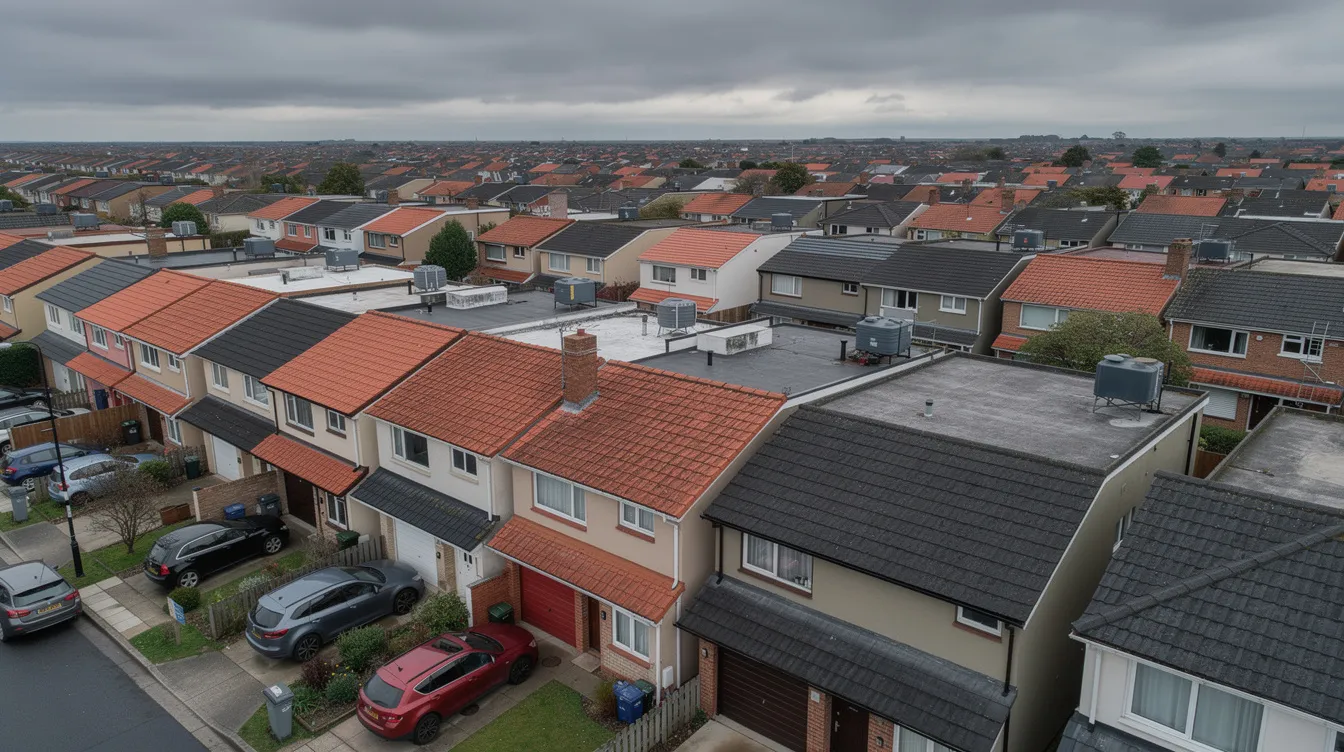
A monsoon-proof roof is not simply one that has been waterproofed-it is a roof where every component, from the roof structure and membrane down to the smallest flashing detail and roof drainage outlets, has been designed and maintained to handle intense rainfall, wind driven rain, sustained humidity, and thermal expansion without allowing water ingress. A multi-layered defense strategy is essential for monsoon-proofing roofs, combining robust materials, correct slopes, adequate drainage, and disciplined upkeep.
Singapore’s two monsoon seasons stress roofs differently than the occasional afternoon thunderstorm. The northeast monsoon brings sustained heavy rain and persistent cloud cover from November through March, while the southwest monsoon (June to September) delivers gusty winds and violent thunderstorms. Back-to-back storm days during these periods raise ambient moisture levels, saturate roofing materials, and expose every weak point in a roof’s defences. Singapore receives over 2,300 mm of rain annually, and short-duration downpours can overwhelm drainage systems that perform adequately during lighter showers.
For homeowners, the practical payoff of monsoon-proofing is straightforward: it turns yearly panic repairs and costly repairs into planned, predictable maintenance. Instead of repeatedly treating the same leak each November, a properly monsoon-proofed roof lets you focus on periodic inspections and minor upkeep rather than emergency interventions.
How Singapore’s Monsoon Climate Attacks Your Roof
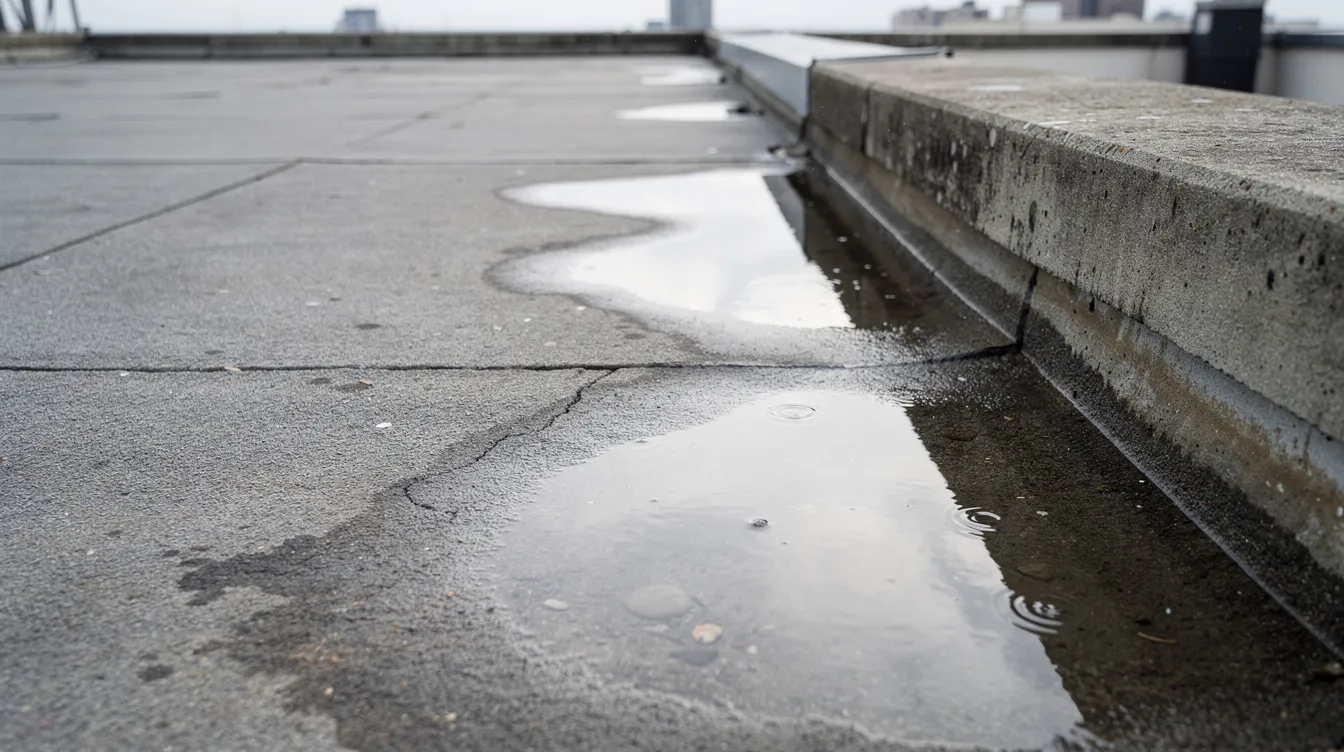
Singapore’s climate attacks landed homes through several mechanisms simultaneously. High hourly rainfall rates during monsoon storms generate large volumes of water that must be shed quickly. When roof drainage outlets are undersized or blocked gutters prevent water flow, standing water accumulates on flat surfaces. Flat concrete roofs require proper drainage slopes to prevent water accumulation, and without adequate fall, even a few centimetres of ponding can saturate membranes, increase dead loads, and accelerate waterproofing degradation.
On pitched roofs, wind driven rain is the primary threat. Strong gusts push rainwater laterally under roof tiles, particularly near eaves and at roof edges. The water finds its way beneath battens and through degraded underlayment-tile roofs develop leaks when underlayment deteriorates, not necessarily when tiles crack. Meanwhile, metal deck roofs suffer from thermal expansion that opens sealed joints, and corrosion that develops at fastener points and cut edges over repeated wet-dry cycles.
The consequences extend well beyond a dripping ceiling. Chronic moisture intrusion drives mould growth in attic voids and along exterior walls, warps built-in carpentry, causes peeling paint, and creates damp patches that signal deeper problems. Water can travel along roof components before appearing inside a room, making the actual entry point difficult to locate without professional assessment. These climate loads make integrated design and detailing especially important-and that starts with understanding the two pillars of monsoon protection.
Design vs. Maintenance: Two Pillars of Monsoon Protection
The design pillar encompasses all the built-in features that resist monsoon loads: correct roof pitch to prevent ponding, structural loading capacity to handle saturated weight, selection of a waterproofing system appropriate to weather exposure, gutter sizing calculated against design storm intensities, overhangs that shield parapet walls, and detailed flashings at every penetration and junction. The Building and Construction Authority emphasizes adequate roof drainage and waterproofing guidelines in Singapore through standards like SS 525:2024.
The maintenance pillar covers everything owners and their contractors do after handover: routine inspections, clearing drainage pathways, renewing coatings and membranes before their service life expires, and addressing hairline cracks and joint failures early. Many recurring monsoon leaks stem not from poor roofing materials but from good materials installed with poor details-or from proper waterproofing that was simply never maintained. Regular maintenance can prevent leaks caused by wind-driven rain far more reliably than premium materials alone.
Understanding which pillar has failed is the first step toward a lasting fix. But before planning upgrades, homeowners need to identify their specific roof type and its typical monsoon weaknesses.
Monsoon Risks by Landed Roof Type in Singapore
Not all landed homes face the same monsoon threats. A three-storey terrace house with a flat RC roof terrace behaves very differently in a storm compared to a bungalow with a pitched clay tile roof or a semi-detached home with a metal deck extension. Monsoon-proofing must be tailored to the specific roof system, its age, and its condition.
This section helps you identify where your roof is most likely to fail during the monsoon season, so you can target your upgrades effectively.
Flat Reinforced Concrete Roofs and Roof Terraces
Concrete flat roofs and roof terraces are among the most common roof types on 2.5 to 3.5 storey terrace and semi detached houses in Singapore. They are also the most exposed to monsoon damage because they collect and hold water rather than shedding it. Concrete flat roofs crack from structural movement and standing water, and flat reinforced concrete roofs require waterproofing every 5–7 years to remain effective.
The typical monsoon failure points include inadequate slope (less than 1:100 gradient), which allows standing water to pond indefinitely. Undersized or clogged roof drainage outlets and downpipes compound the problem. Failed membrane joints around parapet walls and planter boxes are extremely common, especially where previous contractors have applied new waterproofing over old membranes without proper removal-a shortcut that traps moisture between layers and guarantees future failure.
Because these roofs often double as usable spaces-terraces for entertaining, laundry drying areas, or garden terraces-water ingress impacts the rooms directly below. Saturated concrete reduces structural integrity over time, corroding embedded rebar and causing spalling that leads to significant water damage on lower floors.
Pitched Tile Roofs (Clay / Concrete Tiles)
Pitched tile roofs are the traditional choice for older landed houses built before 2000, and they remain popular on many bungalows and conservation properties. Clay or concrete tile roofs last 20–30 years, but their monsoon performance depends heavily on the condition of components hidden beneath the visible tiles.
During heavy monsoon rains, the weak points are cracked or slipped roof tiles, eroded ridge and hip mortar, corroded valley flashings, and degraded underlay beneath the tile surface. Wind driven rain can blow moisture under tiles near eaves, exploiting gaps that appear invisible from ground level. Inspecting and repairing roof flashings is vital for water integrity on these roofs.
A critical point many homeowners miss: roof tiles are not the waterproofing layer. Tiles shed water by gravity, but during intense rainfall driven by wind, only the underlay membrane and flashing details actually prevent water ingress. When underlayment deteriorates-typically well before the tiles themselves fail-water finds its way to the roof structure and into ceilings below.
Metal Deck Roofs and Mixed Roof Systems
Metal deck roofing became standard in Singapore since 2010, appearing on newer landed homes and Additions & Alterations (A&A) projects. Options include insulated panels, colour-coated steel, and standing seam systems. These roofs are lighter and faster to install than tiles, but they introduce distinct monsoon risks.
Common monsoon issues for metal roofs include corrosion at cut edges and screw penetrations, failed sealant at laps, and wind uplift concerns at roof edges during strong gusts. Metal roofs can rust at fastener points after 15–20 years, and thermal expansion causes sealed joints to open and close repeatedly, eventually breaking sealant bonds. Standing water on roofs can accelerate waterproofing degradation on metal surfaces just as it does on concrete.
The most challenging scenario involves mixed roof systems-RC flat sections combined with pitched tile or metal deck areas-common on larger semi detached houses and bungalows. The junctions between these different systems are major leak hotspots because each material moves differently under thermal and moisture stress. Critical junctions and drainage areas are common points for water seepage, making professional detailing at these transitions essential.
Now that you can identify your roof type and its vulnerable areas, the next step is understanding the core technical elements that make a roof genuinely monsoon-ready.
Core Elements of a Monsoon-Proof Landed Roof
Moving from diagnosis to solution, this section defines the four key components that every monsoon-proof landed home roof must incorporate. Each element is explained in homeowner-friendly language, but the technical content reflects current Singapore standards and professional practice.
Robust Waterproofing Systems for Heavy Rain
Waterproofing membranes are critical for preventing leaks during heavy rains, and the right waterproofing system depends on your roof type and exposure conditions.
For concrete flat roofs and roof terraces, torch-on SBS/APP membranes remain the benchmark. Polymer membrane systems last 10–15 years on roofs when properly installed with mineral cap sheets or protective screeds. They handle foot traffic, UV exposure, and ponding loads well-making them ideal for accessible terraces. Liquid-applied polyurethane (PU) membranes offer a seamless alternative, particularly suited to roofs with many penetrations or complex geometries. Use of liquid-applied polyurethane membranes enhances roof resilience against thermal stress. However, PU systems have a shorter service life of 7–10 years on exposed surfaces and require substrate moisture below 6% during application.
Acrylic elastomeric coatings are the most affordable option. Acrylic elastomeric coatings provide 5–8 years of protection, but they are sensitive to UV degradation and perform best as maintenance topcoats on metal roofs already in sound condition. For pitched roofs, under-tile waterproofing membranes (synthetic or bituminous) must be continuous, properly overlapped, and securely fixed beneath the tile layer.
Regardless of system, proper waterproofing depends on detailing: upstand heights at parapet walls should exceed expected water levels, water stops at door thresholds to roof terraces must prevent ingress, and membranes must terminate properly into exterior walls.
Drainage, Gutters and Downpipes Sized for Monsoon Intensity
A waterproofing system can be flawless, but if drainage cannot handle the water flow during a monsoon cloudburst, the roof will still fail. Proper drainage systems prevent water pooling on roofs during intense downpours, and SS 525:2024 governs how gutters, downpipes, and overflow provisions must be sized for Singapore’s design rainfall intensity.
Gutters direct rainwater away from roofs and walls, and proper gutters prevent water damage to foundations and walls. Box gutters manage large volumes of rainwater effectively and are common on landed homes where aesthetics require concealed drainage behind façades. However, these hidden systems are also the most prone to blockage. Aluminium gutters are lightweight and corrosion-resistant, making them a strong choice for Singapore’s humid environment.
Practical monsoon issues include easily blocked terrace floor traps, undersized 75 mm downpipes that overflow during heavy rainfall, and internal downpipes concealed within walls of older terrace houses-which can cause hidden damp when they leak. Clogged gutters can cause water overflow and wall seepage, so regular gutter cleaning is recommended every three to six months. Before the northeast monsoon (around October) and after intense storm events, homeowners should verify that all roof drainage outlets and gutter systems are free-flowing.
Wind-Driven Rain Detailing at Vulnerable Junctions
Monsoon-proofing usually fails at junctions, not in the open field of the roof. The most vulnerable areas include wall-roof intersections, skylight perimeters, solar panel mounts, AC pipe penetrations through the roof, and parapet caps. Each of these represents a potential entry point for wind driven rain.
Good practice requires continuous metal flashings at every junction, with counter-flashings embedded into masonry or wall surfaces. Membrane laps must extend well beyond tile or cladding edges, and sealants must be UV-resistant and compatible with adjacent roofing materials. The BCA’s Good Practice Guide for Wind-Driven Rain emphasises that detailing on exposed surfaces needs particular attention-terminations should always be positioned under the weather layer to prevent rainwater from being pushed behind flashings.
For homeowners, the takeaway is clear: even if your roof surface looks sound, water seepage at junctions can cause significant water damage. This underscores the value of engaging an engineering and architectural consultancy for professional detailing rather than relying on general contractors alone.
Structural Capacity and Fastenings for Extreme Weather
Monsoon-proofing is not just about keeping interiors dry-it is about preventing structural damage and potential safety hazards. Saturated RC slabs are heavier than dry ones, and prolonged ponding increases dead loads that may exceed original design allowances. On pitched and metal roofs, high winds stress rafters, purlins, and fastenings, particularly at roof edges and ridges where uplift forces are greatest.
For older roofs (over 20 years), a Professional Engineer should check for signs of sagging beams, rusted steel purlins with section loss, under-sized purlins, loose or missing fasteners, and degraded anchorage of metal sheets or solar panel racks. Excavating overhanging trees mitigates potential storm damage to roofs and reduces the risk of falling branches puncturing roofing materials or blocking gutters during storms.
Structural checks also matter when homeowners are planning A&A works. Converting an attic to an accessible terrace or switching from heavy concrete tiles to lighter metal roofing changes the load distribution on the roof structure, potentially requiring BCA structural plan approval and a PE’s endorsement.
Step-by-Step: How to Monsoon-Proof Your Landed Home Roof
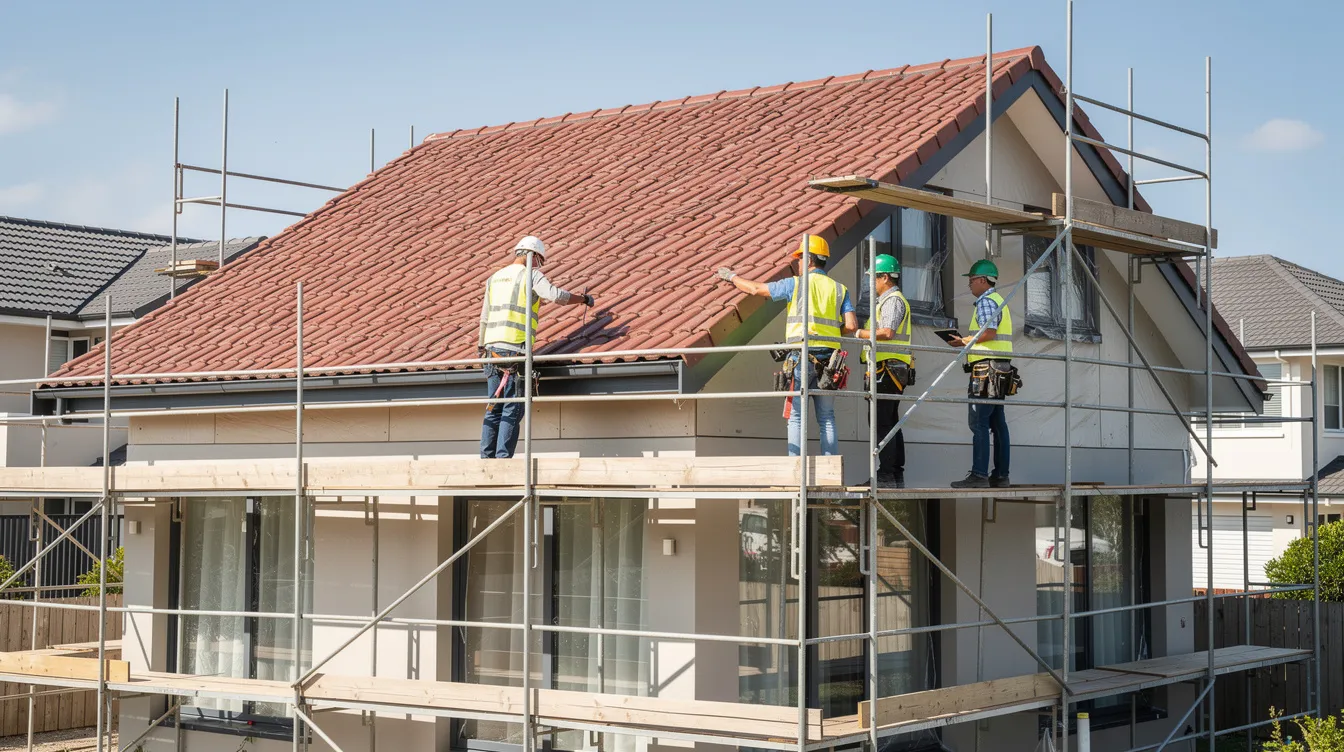
This section provides a practical sequence that homeowners of landed property can follow between now and the next monsoon peak. Some steps are homeowner-led; others require professional involvement. The key is starting early enough to complete critical works before the heavy rain begins.
1. Pre-Monsoon Roof Health Assessment
Start with what you can safely observe from ground level or accessible roof terraces. Inspect for stains, dampness, and mould on top-floor ceilings. Look for efflorescence on parapet walls, overflow marks on gutters, visible cracks in concrete surfaces, and rust stains below metal roof edges. Recurring stains may indicate unresolved moisture sources that a simple repaint will not fix.
A professional inspection from an engineering consultancy adds substantially more. Drone imagery can survey high or inaccessible roof areas safely, moisture meters can detect hidden damp within the roof structure, and a review of structural drawings (where available) reveals whether original drainage and loading were adequate for current monsoon conditions. Professional inspections help detect hidden water seepage in roofing that visual checks miss entirely. Stellar Structures provides independent site inspections for structural safety that include all of these elements.
Schedule your assessment at least 6–8 weeks before expected heavier northeast monsoon rains-ideally by early October. This provides sufficient buffer for contractor lead times, material procurement, and any necessary approvals before work begins.
2. Prioritise Critical Repairs and Upgrades
Not all roof issues carry equal urgency. Rank them: active leaks take priority over cosmetic defects, structural weaknesses over non-critical items, and drainage failures over minor hairline cracks. A roof leak that appears only during heavy monsoon rains may seem intermittent, but the underlying cause is usually progressive.
Typical high-priority works before the monsoon season include:
-
Re-waterproofing flat RC roofs where membranes are approaching end of service life or showing blistering and delamination.
-
Replacing corroded valley gutters and flashings on pitched tile roofs where crack repair and sealant renewal are no longer sufficient.
-
Upsizing or adding extra downpipes where ponding or overflow has been documented during previous storms.
-
Addressing structural concerns such as sagging slabs or compromised fastenings identified during the assessment.
Ask your consultant for a schematic roof plan with marked problem zones and a prioritised scope of works. This document becomes the basis for clear decision-making, accurate contractor pricing, and a record for future maintenance.
3. Implement Waterproofing and Detailing Works
Once priorities are set, the waterproofing and detailing works follow a logical sequence:
-
Surface preparation: Remove all failed membranes, coatings, or loose material down to a sound substrate. Membrane replacement must include full removal of the old system-applying new waterproofing over failed layers is a common shortcut that guarantees future failure.
-
Rectify screed falls: For flat roofs, correct the gradient toward roof drainage outlets. A minimum fall of 1:100 is required to eliminate standing water.
-
Install new waterproofing: Apply the selected membrane, coating, or underlay system according to manufacturer specifications, including correct primer, layer thickness, and overlap dimensions.
-
Upgrade flashings and junctions: Install or replace continuous metal flashings at all penetrations, parapet walls, and wall-roof junctions. Use counter-flashings embedded into walls.
-
Seal all penetrations: AC pipes, vent stacks, solar panel brackets, and antenna mounts each need individual upstand and sealant treatment.
-
Water testing: After adequate curing time, conduct a flood test or controlled spray test, ideally timed around typical afternoon storm conditions. Independent water testing supervised by a consultant provides confidence before monsoon arrives.
Throughout this process, safety and regulatory compliance are non-negotiable. Fall protection and scaffold permits are required for works at height, and adherence to manufacturer system specifications is essential to retain any written warranty.
4. Optimise Drainage for Peak Storm Events
With waterproofing in place, turn attention to the drainage system. An engineering consultancy like Stellar Structures would reassess the hydraulic capacity of your roof gutter, downpipes, and outlets against current expectations for design rainfall intensity under SS 525:2024 and PUB requirements.
Practical improvements homeowners can implement include:
-
Installing leaf guards on gutters where mature trees overhang the roof area, reducing the risk of blocked gutters during storms.
-
Adding easier-access inspection openings for box gutters concealed behind façades.
-
Clearing terrace floor traps and roof drainage outlets every 2–3 months-and always before the northeast monsoon begins.
Pay special attention to internal downpipes concealed in walls of older terrace houses. These pipes are invisible until they fail, and when they do, rainwater leaks into party walls and internal columns, causing damp patches that are easily mistaken for rising damp. CCTV inspection of concealed downpipes can reveal blockages, corrosion, or disconnected joints before the monsoon season exposes them.
5. Set Up a Monsoon Maintenance Routine
Proper waterproofing and drainage upgrades provide long term durability, but only with ongoing maintenance. A simple, calendar-based routine keeps your landed home’s roof monsoon-ready year after year:
-
Pre-monsoon (September–October): Full roof inspection, gutter and outlet clearing, minor sealing of any new hairline cracks or joint gaps, and verification of drainage water flow.
-
Mid-monsoon: Quick visual checks of top-floor ceilings and parapet walls after very heavy storms. Look for new ceiling stains, damp patches, or water marks on exterior walls.
-
Post-monsoon (March and September): Review any new stains, cracks, or mould growth and log findings for the next maintenance cycle.
Keep a photographic log and a simple roof plan annotated with past problem areas. This record is invaluable for future consultants or contractors-it provides context that eliminates guesswork and helps prevent repeatedly treating the same minor issues without addressing root causes. Waterproofing prevents mold growth and improves air quality, so consistent maintenance pays dividends beyond just preventing leaks.
Choosing Monsoon-Ready Roof Solutions: A Practical Comparison
Many homeowners are unsure which waterproofing system or roofing material is most suitable for repeated monsoon cycles on their landed homes. This section provides a high-level comparison to guide initial thinking before detailed design with a consultant.
Waterproofing Systems for Flat and Low-Slope Roofs
|
Criterion |
Torch-On SBS/APP Membrane |
Liquid PU Membrane |
Acrylic Elastomeric Coating |
|---|---|---|---|
|
Typical lifespan (Singapore monsoon conditions) |
10–15 years |
7–10 years |
5–8 years |
|
Approximate 2026 cost (per m², material + labour) |
S$30–S$50 |
S$25–S$45 |
S$8–S$20 |
|
Maintenance frequency |
Low; inspect every 2–3 years |
Moderate; inspect annually |
High; recoat every 5–7 years |
|
Best suited for |
Accessible roof terraces, high foot traffic |
Complex shapes, many penetrations |
Metal roofs in good condition, budget overlays |
|
Monsoon resilience |
Excellent against ponding and UV |
Very good; seamless coverage |
Moderate; weaker under prolonged UV and heavy rain |
For ageing terrace houses with flat RC roofs nearing end of membrane life, torch-on membranes offer the best long term durability despite higher upfront cost. Newer homes planning A&A works may benefit from liquid PU systems where roof geometry is complex. Acrylic coatings are best reserved for sound metal roofs needing a protective topcoat rather than full membrane replacement. Proper waterproofing can save significant repair costs over time compared to repeated emergency patching.
Roof Coverings for Pitched Roofs Under Monsoon Loads
From a monsoon perspective, clay tiles shed water excellently due to their profile and weight, and they resist wind uplift well. However, they are heavy, requiring robust roof structure support, and their ridge mortar erodes over time in Singapore’s climate. Concrete tiles are slightly lighter and cheaper, but they are more porous and may require surface sealing after 15–20 years. Clay or concrete tile roofs last 20–30 years, making them a durable choice when underlay and flashings are maintained.
Metal tile profiles and standing seam systems are the lightest option and fastest to install during roof replacement. They perform well in shedding intense rainfall and can be highly wind-resistant when properly fastened. However, metal roofs can rust at fastener points after 15–20 years, and sealant maintenance is more frequent than for tile roofs. Switching from concrete tiles to a lighter metal system changes the load on the roof structure and may require structural review and possible BCA submissions.
The key takeaway: aesthetics often drive roofing material choices, but monsoon-proofing must prioritise detailing and underlay quality over the visible surface alone. The best roof tiles mean nothing if the underlay beneath them has failed.
Common Monsoon-Season Roof Problems and How to Solve Them
Many landed homeowners see the same problems every November through January. Addressing root causes once is far more cost-effective than repeated patching that never resolves the underlying issue.
Recurring Ceiling Stains After Every Heavy Storm
Ceiling stains that reappear after heavy rain are rarely caused by “porous concrete.” The likely culprits are failed membrane laps, hairline cracks in RC slabs that have propagated through the waterproofing, or flashing defects at junctions. Water can travel along roof components before appearing inside, so the affected area on the ceiling may be metres away from the actual entry point.
The solution: intrusive investigation to trace the leak path, complete removal and reinstallation of proper waterproofing at the identified source, and independent water testing supervised by a consultant before closing up finishes. Simply repainting stained ceilings guarantees the stain returns next monsoon.
Water Ponding on Roof Terraces and Flat Roofs
Standing water on flat roofs after storms indicates inadequate gradient, blocked outlets, or structural slab deflection. During monsoon spells, even shallow ponds persist for days, saturating membranes and adding load to the roof structure. Standing water on roofs can accelerate waterproofing degradation significantly.
Solutions range from re-screeding the surface to achieve correct falls, to adding additional outlets or scuppers at low points. Where slab deflection is suspected-visible as a saucer-shaped depression-a structural engineer should assess whether the roof structure retains adequate capacity before any overlay works proceed.
Overflowing Gutters and Internal Downpipe Leaks
Symptoms include rainwater cascading over eaves during heavy rainfall, damp patches at internal columns or along party walls in older terrace streets, and water staining on exterior walls below the roof gutter line. These indicate that the original gutter system was designed for lower rainfall intensities than current monsoon conditions deliver.
Diagnostics should include CCTV inspection of concealed downpipes, hydraulic reassessment of gutter capacity, and rerouting drainage where the original design is under-capacity. Adding overflow spouts as a safety measure ensures that even if primary drainage is overwhelmed, water is directed away from the building rather than into it.
Mould, Musty Smells and Poor Indoor Air During Monsoon
Chronic moisture from small, untreated leaks drives mould growth in ceiling voids, behind wardrobes near exterior walls, and within poorly ventilated attic spaces. The health implications are real, and waterproofing prevents mold growth and improves air quality when combined with proper ventilation.
Effective solutions combine roof repairs (eliminating the moisture source), improved attic or ceiling void ventilation, and interior dehumidification during the monsoon season. Simply painting over mould or applying anti-mould coatings treats only the symptom-if the roof leak persists, the mould returns.
Regulatory, Safety and Project Planning Considerations in Singapore
Some monsoon-proofing works are straightforward maintenance requiring no approvals. Others-particularly those involving structural changes, changes to roof height or profile, or alterations to drainage systems-qualify as building works and need proper submissions. Understanding the difference saves time and avoids compliance issues.
When Do You Need BCA or URA Approval for Roof Works?
Routine waterproofing renewal, gutter cleaning, sealant replacement, and crack repair are maintenance activities that do not require BCA approval. However, any works that change the roof profile, roof height, roofing materials (structurally different), or modify structural elements usually require a BCA submission endorsed by a qualified person.
BCA approval is mandatory for structural modifications, including adding new roof terraces, converting attics, or replacing roof structure framing. Like-for-like roof replacements need only a contractor’s permit, but homeowners should confirm this with their contractor or consultant. Approximately 7,000 properties require URA approval for external works, and URA permission is required for conservation properties’ roof replacements or any alterations to Good Class Bungalows in designated areas. The URA E-Advisor for landed housing provides guidance on envelope controls.
The BCA approval process takes 3–4 weeks after submission for straightforward cases. URA conservation submissions may take 4–12 weeks depending on complexity. Stellar Structures provides full landed house renovation approval support including BCA and URA submissions.
Access, Safety and Working at Height During Monsoon Season
Roof works during the monsoon season present added safety challenges: slippery surfaces, lightning risk during afternoon storms, and wind gusts that stress scaffolding and create potential safety hazards for workers at height. Works should be carried out by BCA-registered contractors using proper fall protection, harnesses, and guardrails.
Scheduling buffers for weather delays are essential. Membrane systems need dry surfaces and controlled humidity for proper curing-a full day of rain can push timelines by two or more days. For terrace houses, scaffolding often encroaches on neighbouring property or public walkways, so early communication with neighbours and written agreements about roof access and scaffolding placement are advisable.
Typical Timelines and Budget Ranges for 2026
Planning realistic timelines and budgets helps homeowners avoid surprises:
-
Small monsoon-prep jobs (gutter cleaning, sealant renewal, minor crack repair): 1–3 days, typically a few hundred to low thousands SGD.
-
Full flat roof waterproofing on a terrace house (~50–60 m²): 3–5 days of work, approximately S$1,400 to S$5,200 depending on system chosen.
-
Full pitched roof replacement: 1–2 weeks of on-site work (excluding approval time), ranging from SGD 12,000 to SGD 35,000+ depending on roof area, material, and complexity.
-
Comprehensive monsoon retrofit on a multi-level semi-D or bungalow (waterproofing + drainage upgrades + flashings + structural remediation): mid-five-figure SGD budget, with works spanning 2–4 weeks.
View monsoon-proofing as a 10–15 year investment in your landed property, not a yearly expense. The upfront cost of a properly designed and executed waterproofing system is almost always lower than the cumulative cost of repeated emergency repairs and interior reinstatement over the same period.
Conclusion and Next Steps
Monsoon-proofing your landed home roof in Singapore is not a single product or coating-it is an integrated system of robust waterproofing, correctly sized drainage, meticulous wind driven rain detailing at every junction, sound roof structure, and disciplined seasonal maintenance. The homeowners who avoid monsoon panic are those who invest in proper design and follow through with regular upkeep.
The increasing frequency of intense short-duration storms in Singapore means that drainage systems designed under older rainfall intensity tables may already be under-capacity. Waiting for the next roof leak to act means accepting water damage, mould growth, and potentially structural damage that costs far more to remediate than to prevent.
Take these concrete next steps:
-
Schedule a pre-monsoon roof and drainage assessment within the next month-before northeast monsoon rains intensify.
-
Gather existing building plans, photos of past leaks, and any previous contractor reports to provide context for your consultant.
-
Prioritise critical works that must be completed before the monsoon season peaks-active leaks, drainage failures, and structural concerns first.
-
Set up a yearly roof health check routine aligned with the pre-monsoon, mid-monsoon, and post-monsoon calendar outlined above.
-
Engage an independent consultancy for a thorough roof audit rather than relying solely on contractor assessments that may focus on selling a specific product.
Stellar Structures offers independent roof audits, monsoon-proof upgrade design, structural engineering assessments, and full authority submission support for landed homes across Singapore. Whether you own a terrace house needing membrane replacement or a bungalow requiring comprehensive drainage redesign, contact Stellar Structures to discuss your roof before the next monsoon arrives.
Frequently Asked Questions About Monsoon-Proofing Landed Roofs
How early should I start monsoon-proofing my landed home roof in Singapore?
Begin investigations and scheduling by September to allow at least 6–8 weeks before the northeast monsoon intensifies in November. This buffer accounts for contractor lead times, material procurement, and any BCA approval that may be needed for structural changes. Starting earlier also provides dry-weather windows for membrane curing and water testing.
Do I need to replace my entire roof to make it monsoon-proof?
Not necessarily. Targeted repairs-membrane replacement, flashing renewal, drainage upgrades-are often sufficient for roofs in generally sound condition. However, full replacement is justified when a roof is older than 20–25 years with widespread tile failures, when more than 25–30% of flashings or underlay are compromised, or when structural issues such as sagging beams or corroded steel elements are present. A professional assessment determines which approach delivers better long term durability.
Can I monsoon-proof my roof with DIY sealants and coatings?
Homeowners can safely handle minor issues like clearing blocked gutters, replacing simple sealants at accessible joints, and applying basic crack repair compounds on low-level surfaces. However, major waterproofing works, membrane replacement, high-level roof access, and any structural repairs should be left to BCA-registered contractors. DIY sealants applied without proper surface preparation or compatible primers typically fail within one or two monsoon seasons, leading to more costly repairs.
How often should I renew waterproofing on my flat roof or terrace?
Under Singapore monsoon conditions, acrylic elastomeric coatings should be renewed every 5–8 years, liquid PU membranes every 7–10 years, and torch-on SBS/APP membranes every 10–15 years. These are guidelines-actual renewal timing should be based on regular roof inspection findings rather than fixed-year assumptions. A membrane that shows blistering, delamination, or ponding damage may need renewal well before its nominal service life expires.
What value does an engineering and architectural consultancy add vs calling a contractor directly?
A consultancy like Stellar Structures provides independent diagnosis-identifying the true cause of leaks rather than defaulting to the cheapest visible fix. They deliver holistic monsoon-proof design that addresses waterproofing, drainage, detailing, and structural integrity as an integrated system. They also prepare tender documentation so contractors price against a defined scope, conduct structural checks where needed, manage BCA and URA submissions, and supervise works to ensure long-term performance. Contractors excel at execution, but without independent design oversight, homeowners risk minimal-cost patching that fails at the next monsoon.