




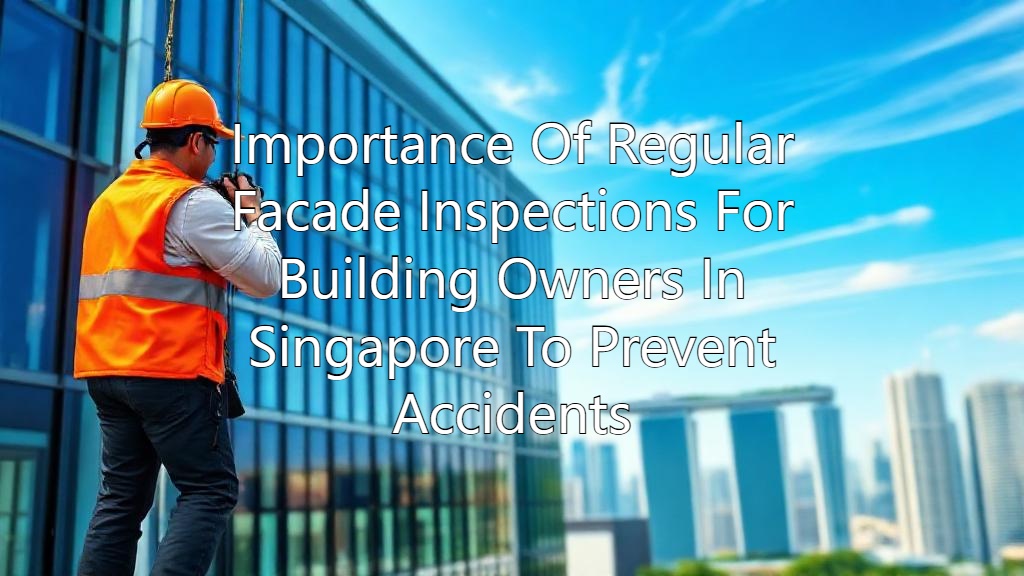
Like a masterfully woven tapestry, a building’s facade is a complex interplay of aesthetics and functionality, with each thread carefully intertwined to create a sturdy and visually appealing exterior.
However, just as a single loose thread can unravel the entire fabric, a neglected facade can lead to catastrophic consequences, compromising the safety of occupants and bystanders alike.
In Singapore, where urban density is high and buildings stand tall, the importance of regular facade inspections cannot be overstated.
As the city-state’s building stock continues to age, the risk of facade-related accidents looms large, prompting the question: can building owners afford to wait until disaster strikes, or should they prioritize proactive maintenance to prevent such calamities?
With the Singaporean government emphasizing the need for building owners to take responsibility for their properties’ maintenance, regular facade inspections have become an indispensable aspect of responsible building ownership.
Understanding Singapore’s Periodic Facade Inspection Regime For Building Owners
The Building and Construction Authority (BCA) of Singapore has implemented a regime of periodic facade inspections to ensure the safety and integrity of building facades.
This regime is crucial for building owners to maintain the structural soundness of their properties and prevent potential hazards.
By complying with these regulations, building owners can mitigate risks and avoid costly repairs.
The consequences of neglecting facade inspections can be catastrophic, resulting in damage to property and loss of life.
Here are some key insights:
- Regular inspections can help identify potential defects and prevent accidents.
- Non-compliance with facade inspection regulations can lead to severe penalties and fines.
- Effective maintenance strategies can significantly extend the lifespan of building facades.
Importance Of Regular Facade Inspections In Preventing Accidents And Ensuring Public Safety

As one walks down a busy street, they might notice the towering buildings surrounding them, their facades a testament to architectural innovation.
But have they ever stopped to think about the potential dangers lurking behind their sleek designs?
The risk of falling debris or collapsing structures is ever-present, posing a threat to safety and that of others.
Regular facade inspections are crucial in identifying and addressing potential hazards, allowing building owners and managers to take proactive measures to prevent accidents.
By doing so, they can ensure the structural integrity of their buildings and maintain a safe environment for occupants and passersby.
This not only helps to prevent injuries and fatalities but also reduces the risk of costly repairs and reputational damage.
Role Of Competent Persons In Facade Inspection And Repair Works For Building Owners
A building owner in Singapore learned the hard way about the importance of facade inspection when a loose cladding panel fell from their high-rise building, fortunately injuring no one but causing significant damage.
This incident prompted them to hire a competent person to conduct regular inspections and repairs, ensuring the safety and integrity of their building’s facade.
The competent person identified several critical issues, including rusted anchors and cracked glass panels, which were promptly addressed to prevent any future accidents.
By taking proactive measures, the building owner was able to avoid potential liabilities and maintain a safe environment for occupants and pedestrians.
Benefits Of Complying With Building And Construction Authority Regulations On Facade Inspection
Complying with Building and Construction Authority (BCA) regulations on facade inspection is akin to wearing a seatbelt while driving – it ensures safety and prevents catastrophic consequences.
This is achieved by identifying potential hazards and defects in the building’s exterior, such as cracks, corrosion, or damaged glass, which can be exacerbated by harsh weather conditions, heavy rainfall, or intense sunlight.
If left unchecked, these issues can lead to costly repairs, reputational damage, and legal liabilities.
Regular inspections and maintenance can help prevent these issues, much like a doctor’s check-up can detect health problems early on, allowing for timely interventions and treatments.
Compliance with BCA regulations can also enhance the building’s overall aesthetic appeal, boost property values, and contribute to a more sustainable and environmentally friendly urban landscape.
Consequences Of Non-Compliance With Periodic Facade Inspection Requirements In Singapore
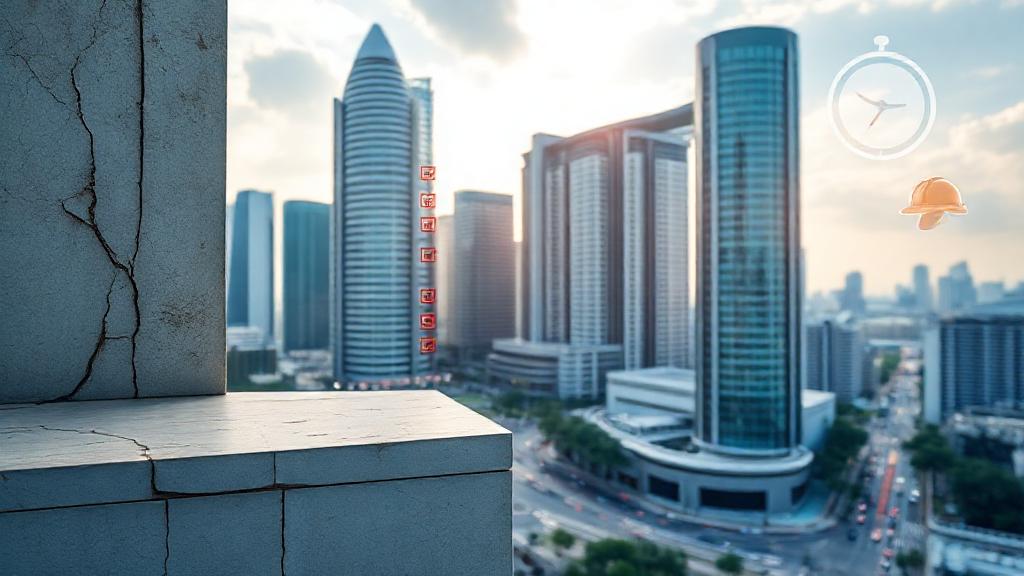
The Building and Construction Authority (BCA) of Singapore mandates regular facade inspections to ensure the safety and integrity of building exteriors.
Non-compliance with these requirements can lead to severe consequences, including fines and penalties, as well as potential harm to occupants and pedestrians.
Furthermore, building owners and managers who fail to comply may also face legal liabilities and reputational damage.
The BCA may issue orders to carry out repairs or maintenance work, which can be costly and time-consuming.
How Regular Facade Inspections Can Help Identify Potential Issues Before They Become Critical
Regular inspections can save building owners from costly repairs and ensure safety.
- Detect early signs of water damage and corrosion to prevent further deterioration
- Identify loose or damaged facade components that can cause accidents
- Assess the condition of seals and joints to prevent air leaks and moisture intrusion
- Evaluate the performance of facade materials and systems to ensure compliance with regulations
- Prioritize repairs and maintenance to extend the lifespan of the building’s facade
By catching potential issues early, building owners can avoid costly surprises and ensure their facade remains safe and functional.
Maintaining Structural Integrity And Safety Of Buildings Through Regular Facade Inspections
Regular facade inspections are crucial for identifying potential hazards.
A building’s exterior — its first line of defense against the elements: wind, rain, sunlight.
Ensuring the structural integrity of a building is essential to prevent accidents and save lives.
Safety risks can arise from damaged or deteriorated facade components, and it’s all about being proactive.
Cracks in the facade, water seepage, and corrosion — these issues can lead to catastrophic failures.
Incorporating regular inspections into a building’s maintenance routine can help identify and address these issues before they become major problems.
Detecting Facade Deterioration Promptly To Prevent Accidents And Costly Repairs In Singapore
Contrary to popular belief, regular facade inspections are not a waste of resources, but rather a crucial investment in building safety and maintenance.
In fact, neglecting facade upkeep can lead to devastating consequences, including structural damage and even loss of life.
Many building owners and managers underestimate the importance of facade maintenance until it’s too late.
“A single facade failure can cost upwards of $100,000 to repair, highlighting the importance of proactive maintenance and regular inspections to prevent such incidents”
Ensuring Compliance With Singapore’s Building Control Act Through Periodic Facade Inspections
The Building Control Act in Singapore mandates regular inspections of building facades to ensure public safety and prevent accidents.
The Building and Construction Authority (BCA) oversees compliance and enforces regulations.
Periodic facade inspections are crucial in identifying potential defects and hazards, allowing building owners and managers to take corrective action and mitigate risks.
The inspections involve a thorough examination of the building’s exterior, including walls, windows, and other components, to detect any signs of damage, deterioration, or distress.
By conducting these inspections, building owners can demonstrate their commitment to maintaining a safe and well-maintained property, while also avoiding potential penalties and liabilities for non-compliance.
As the Singapore skyline continues to evolve, with sleek skyscrapers and historic buildings standing side by side, the importance of regular facade inspections remains a crucial aspect of maintaining the city’s architectural integrity and ensuring public safety.
Building owners in Singapore must prioritize these inspections to prevent accidents and protect the lives of those who live, work, and visit these structures.
By doing so, they not only fulfill their legal and moral obligations but also contribute to the preservation of the city’s unique cultural heritage.
The need for vigilant maintenance and inspection becomes a lasting reminder of the delicate balance between progress and preservation.
Ultimately, the fate of Singapore’s built environment rests in the hands of its building owners, who must remain vigilant in their pursuit of safety and excellence.