




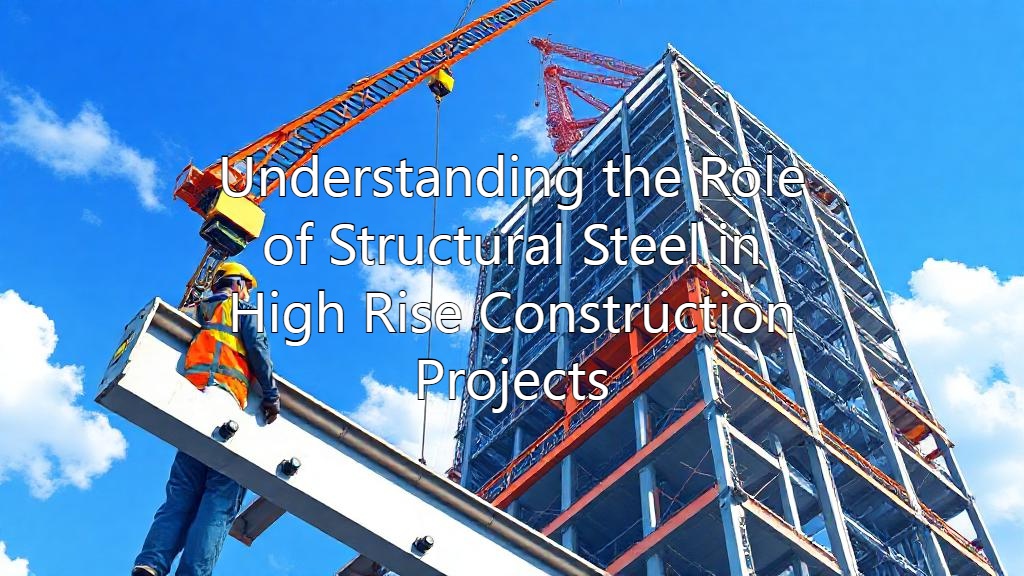
Structural steel plays a vital role in supporting the weight and stability of high-rise buildings, much like the backbone of the human body provides the framework for physical form.
A single flaw in the structural steel framework can have catastrophic consequences for the entire building.
The use of structural steel in high-rise construction projects has become increasingly prevalent, with over 70% of the world’s tallest buildings relying on steel frameworks.
As the demand for sustainable and efficient construction methods continues to grow, the importance of understanding the role of structural steel in high-rise construction cannot be overstated.
By examining the properties and applications of structural steel, a deeper appreciation can be gained for the intricate dance of engineering and architecture that brings these towering giants to life.
Understanding Historical Developments in Structural Steel Production for Construction
The evolution of structural steel production has played a crucial role in shaping the construction industry, with advancements in technology and manufacturing processes enabling the creation of stronger, more durable, and versatile steel materials.
As the demand for sustainable and efficient building solutions continues to grow, understanding the historical developments in structural steel production is essential for informing future innovations.
The construction industry’s reliance on steel has been a driving force behind technological advancements, with significant improvements in steel production methods and applications.
The discovery of the Bessemer process in 1855 revolutionized the mass production of steel, paving the way for the widespread adoption of structural steel in construction.
- Key milestones in steel production have included the introduction of the open-hearth furnace and the basic oxygen furnace, which have significantly improved steel quality and reduced production costs.
- Innovations in steel manufacturing have enabled the development of high-strength, low-alloy steels with enhanced corrosion resistance and weldability.
- The use of advanced materials and manufacturing techniques, such as 3D printing and robotic fabrication, is transforming the construction industry and enabling the creation of complex, customized steel structures.
Evolution of Steel Framing Systems in High-Rise Buildings and Urban Development
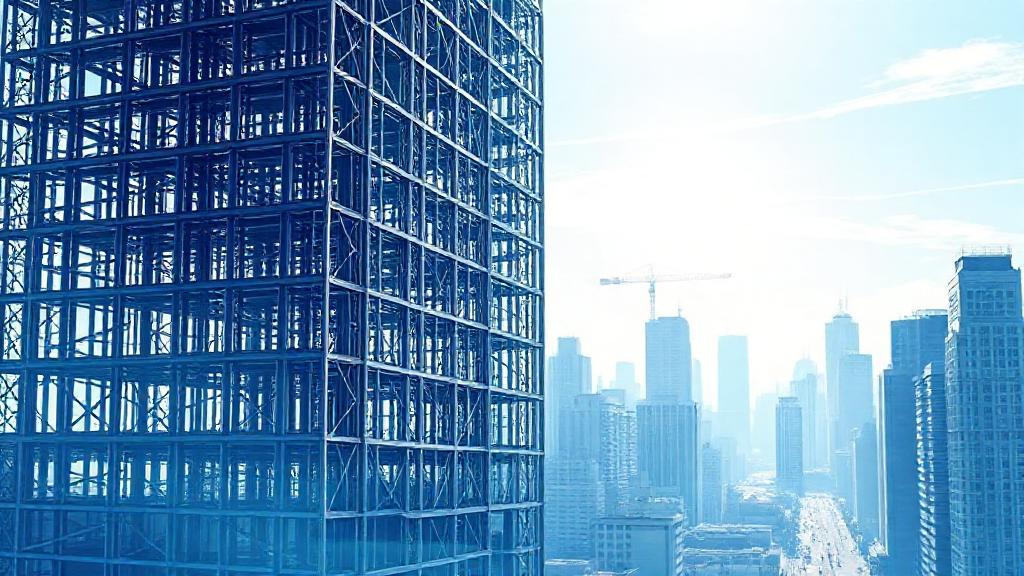
The evolution of steel framing systems has revolutionized the way high-rise buildings are constructed, enabling the creation of more complex and innovative structures.
With advancements in technology and engineering, steel framing systems have become more efficient, cost-effective, and environmentally friendly.
This has enabled architects and builders to push the boundaries of urban development, creating more complex and innovative structures.
The use of steel framing in high-rise buildings has come a long way, from traditional methods to more advanced and sustainable approaches.
Innovative Welding Techniques for Strengthening Steel Connections in Tall Structures
The use of specialized welding techniques, such as friction stir welding and laser beam welding, has enabled the creation of strong and durable joints that can withstand the stresses of extreme weather conditions and heavy loads.
The application of innovative welding techniques in tall structures has numerous benefits, including improved structural integrity and enhanced resistance to seismic activity and strong winds.
By utilizing advanced welding methods, engineers can create stronger and more durable connections that can withstand the stresses of extreme loads and harsh environmental conditions.
The development of new welding technologies has also enabled the creation of more complex and sophisticated steel structures, such as curved and tapered beams, which can be used to create unique and innovative architectural designs.
Importance of Steel Composition and Standardization in Construction Projects Worldwide
The composition and standardization of steel in construction projects are crucial, providing the strength and durability needed to support massive skyscrapers, intricate bridges, and complex highways.
A slight deviation in steel composition can have catastrophic consequences, such as structural failures or corrosion, which can be disastrous and costly.
Standardization of steel ensures that all materials used in construction meet specific requirements, guaranteeing a level of quality and consistency.
The importance of steel composition and standardization cannot be overstated, as it affects not only the safety and longevity of buildings but also the environment.
Role of Steel Structures in Resisting Wind Forces and Natural Disasters Safely

The use of steel structures in construction has become increasingly popular due to their ability to resist wind forces and natural disasters, providing a safe and durable alternative to traditional building materials.
Steel structures are designed to withstand extreme weather conditions, such as hurricanes, earthquakes, and floods, making them an ideal choice for buildings located in high-risk areas.
The flexibility and strength of steel allow it to absorb and distribute external forces, reducing the risk of damage and collapse.
Advancements in Foundation Technologies for High-Rise Buildings on Soft Soil Conditions
Foundation technologies have evolved significantly to support high-rise buildings on challenging soil conditions.
- Utilizing innovative pile foundation systems to transfer loads to deeper, more stable soil layers
- Employing advanced ground improvement techniques, such as deep mixing or jet grouting, to enhance soil properties
- Designing optimized raft foundations to distribute loads evenly and reduce settlement
- Implementing cutting-edge monitoring systems to track foundation performance and detect potential issues
- Developing new materials and technologies, such as self-healing concrete, to improve foundation durability and sustainability
Impact of Technological Innovations on Sustainable High-Rise Construction Practices Globally
Technological innovations are transforming the construction industry, with sustainability being a key consideration.
The integration of advanced technologies, such as Building Information Modelling (BIM) and modular construction, is revolutionizing the way high-rise buildings are designed and constructed.
Innovations in materials science, such as self-healing concrete and kinetic architecture, are pushing the boundaries of what’s possible in high-rise construction.
Comparing Traditional Construction Materials with Modern Steel Framing Systems Efficiently
Traditional construction materials are often considered outdated, with modern steel framing systems offering numerous advantages, including improved durability, sustainability, and cost-effectiveness.
The use of steel framing can reduce construction time by up to 30% and minimize waste by up to 90%, making it a more efficient and environmentally friendly option.
“The use of steel framing can reduce construction time by up to 30% and minimize waste by up to 90%, making it a more efficient and environmentally friendly option”
Optimizing Structural Steel Design for Long-Span Structures and Large-Scale Construction Projects
The design of structural steel for long-span structures and large-scale construction projects requires careful consideration of various factors, including the type of steel used, the structural system employed, and the loads that the structure will be subjected to.
The selection of the appropriate steel grade and section size is crucial, as it can significantly impact the overall performance and durability of the structure.
The use of advanced analysis and design tools, such as finite element methods and building information modeling, can help optimize the design and reduce the risk of errors or omissions.
The careful planning, precision engineering, and meticulous execution that go into crafting steel frameworks are a testament to human ingenuity and the pursuit of innovation.
Looking to the future, it’s exciting to consider the new possibilities that advances in structural steel technology will bring, from taller, more sustainable buildings to innovative designs that push the boundaries of what’s possible.
As the urban landscape continues to evolve, one thing is certain: the role of structural steel in high-rise construction projects will remain a vital, if often unseen, foundation for the towering achievements that inspire and awe.
Ultimately, the next time you step into a high-rise building, remember the hidden skeleton of steel that makes it all possible, silently supporting the weight of human ambition and progress.