




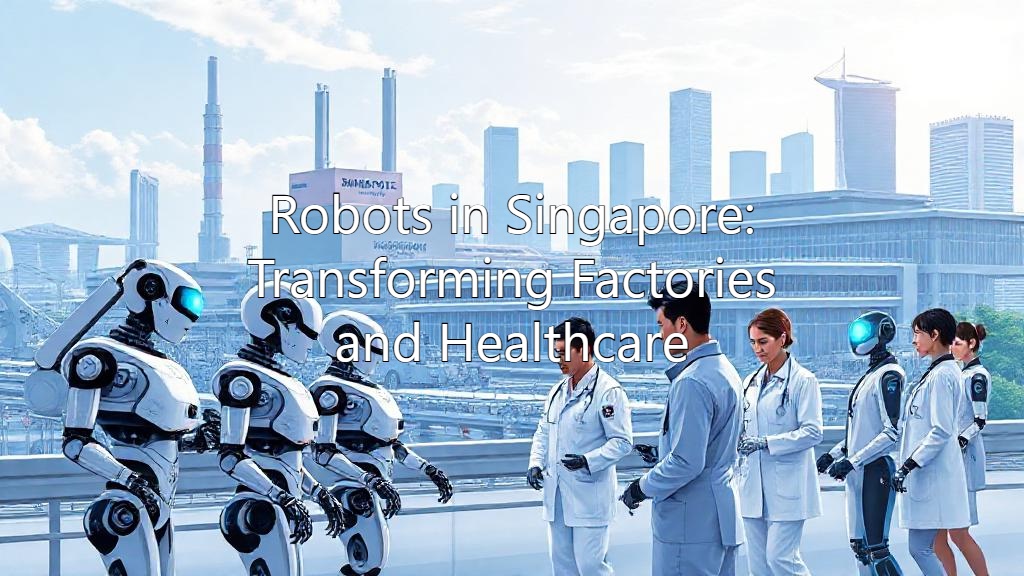
As Singapore’s economy continues to evolve, a new breed of workers is emerging: robots.
Robots are being introduced into Singapore’s factories and healthcare systems, transforming workflows and significantly improving overall efficiency.
With over 600 robotics companies already operating in Singapore, it’s clear that the city-state is poised to become a hub for robotics innovation.
But what does this mean for the future of work in Singapore, and how will robots change the fabric of the country’s industries?
As we delve into the world of robots in Singapore, we’ll explore the exciting developments and innovations that are redefining the manufacturing and healthcare landscapes.
Industrial Robotics in Singapore: Enhancing Manufacturing Efficiency and Productivity
Source: Pexels
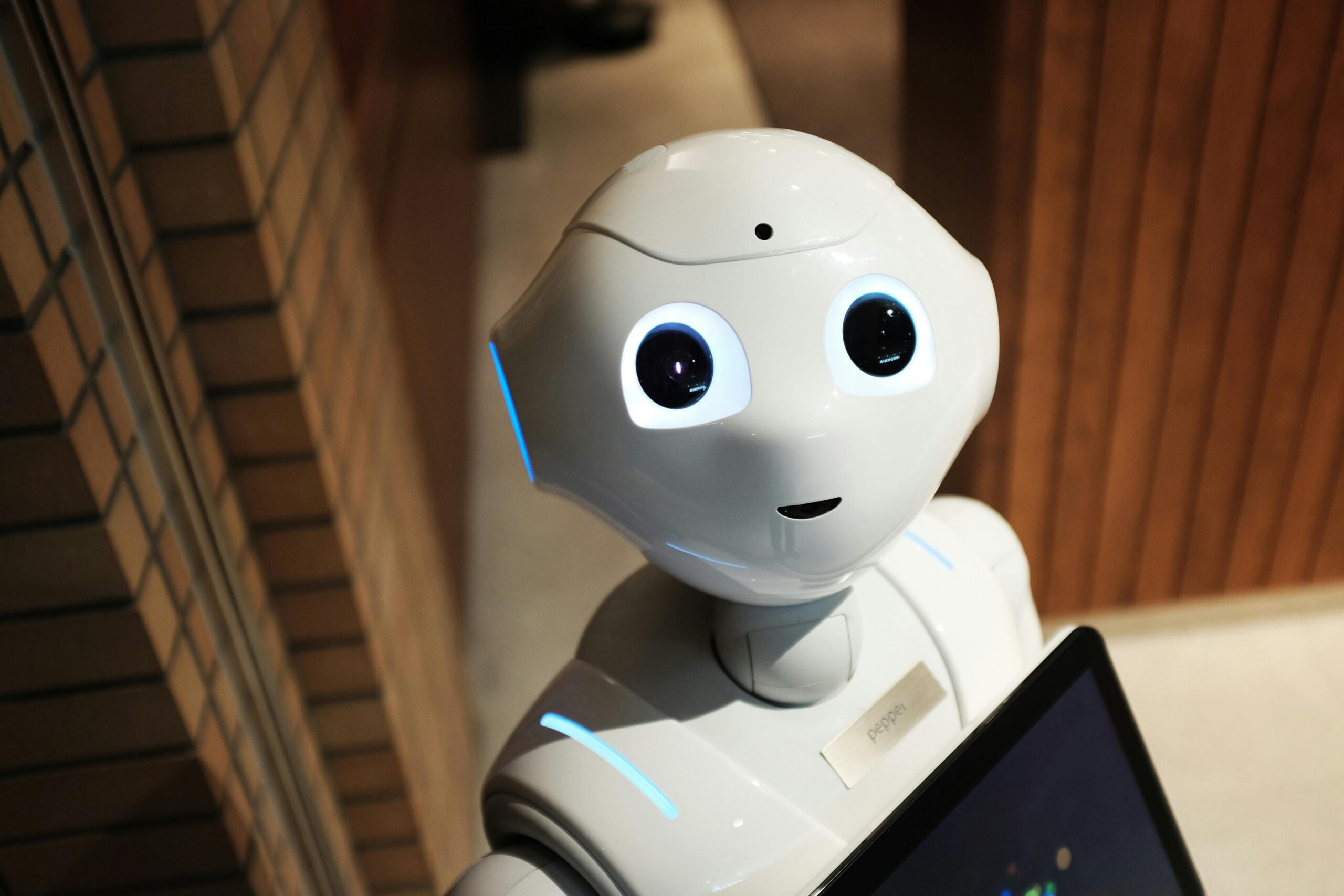
The integration of industrial robotics in Singapore has revolutionised the manufacturing sector, enabling companies to streamline processes and improve productivity.
By leveraging advanced robotic technologies, businesses can enhance their competitiveness and adapt to the evolving market demands.
This transformation has significant implications for the economy and workforce, driving growth and innovation in the region.
Robots in Healthcare Singapore: Improving Medical Manpower and Patient Care Services
In Singapore, robots are being increasingly used in healthcare to enhance patient care and alleviate the workload of medical staff.
For instance, the Singapore-based company, Otto Systems, has developed a robotic nurse assistant that can help with tasks such as taking vital signs and dispensing medication, allowing human nurses to focus on more complex and high-touch care.
This innovative solution has been implemented in several hospitals in Singapore, resulting in improved patient outcomes and increased efficiency.
The use of robots in healthcare has also enabled hospitals to reduce costs and optimise resource allocation, ultimately leading to better healthcare services for patients.
Integration of robots in healthcare has also enabled the development of more personalised and targeted treatment plans, as robots can collect and analyse large amounts of patient data quickly and accurately.
This has led to improved patient outcomes and enhanced quality of care, as medical staff can make more informed decisions and provide more effective treatments.
Automating Repetitive Tasks in Singapore: Freeing Workers for Higher-Value Functions
Automating repetitive tasks in Singapore is like unleashing a skilled conductor in an orchestra, where each musician plays a unique role, and the conductor ensures harmony and efficiency, freeing workers from mundane tasks to focus on higher-value functions that require creativity, problem-solving, and innovation.
By leveraging automation technologies such as artificial intelligence, machine learning, and robotics, businesses in Singapore can streamline processes, reduce errors, and increase productivity.
As workers are freed from repetitive tasks, they can devote their time and energy to tasks that require human intuition, empathy, and critical thinking, such as strategy development, customer engagement, and talent development, which are essential for driving business growth and competitiveness.
Singapore’s Ageing Population: How Robots Can Alleviate Caregiver Shortages and Costs
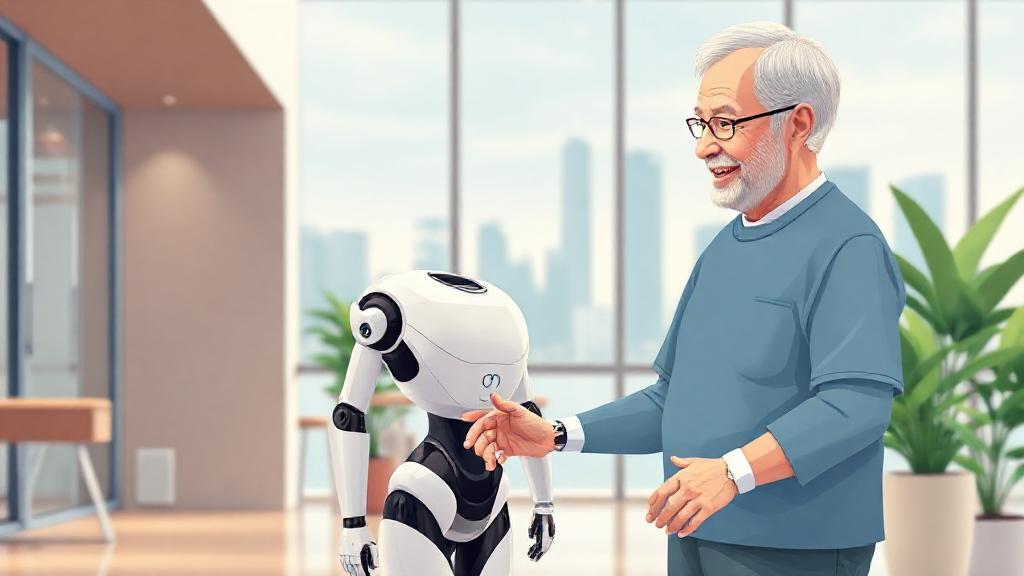
Singapore is facing a significant challenge with its ageing population, which is expected to increase the demand for healthcare services and caregivers.
The current shortage of caregivers is a major concern, and the cost of hiring foreign workers is becoming increasingly expensive.
To address this issue, the use of robots in healthcare is being explored as a potential solution.
Robots can assist with tasks such as patient monitoring, medication management, and mobility assistance, reducing the workload of human caregivers.
Beyond that, robots can also provide companionship and social interaction for elderly patients, which is essential for their mental and emotional well-being.
Transforming Education in Singapore: Robots Teaching Children through Interactive Activities
Innovative learning methods are being introduced to enhance the educational experience.
A new era of education, where robots teach children through interactive activities, games, and simulations: this is the future we are heading towards.
Children’s minds are like sponges, absorbing knowledge and skills at an incredible rate.
The integration of robotics in education has the potential to revolutionise the way children learn and interact with their surroundings.
As technology advances, more schools in Singapore are adopting this innovative approach to education, with robots being used to teach a range of subjects, from mathematics and science to languages and arts.
Dangerous Jobs in Singapore: How Robots Can Enhance Safety and Emergency Response
Contrary to popular belief, robots are not replacing human workers in dangerous jobs, but rather augmenting their capabilities to reduce risks.
Robots are being designed to work alongside humans, enhancing safety and emergency response in high-risk industries.
This collaborative approach is revolutionising the way we think about workplace safety.
For instance, in the construction industry, robots are being used to inspect buildings and identify potential hazards, freeing human workers from dangerous tasks.
Singapore’s National Robotics Programme: Driving Adoption and Development of Robotics Technology
The National Robotics Programme in Singapore has been instrumental in driving the adoption and development of robotics technology, with a focus on creating a vibrant ecosystem that fosters innovation and collaboration among industry players, researchers, and policymakers.
This programme has enabled the development of cutting-edge robotics solutions, addressing key challenges in areas such as manufacturing, healthcare, and logistics, and has also facilitated the creation of new job opportunities and skill sets.
As we look to the future of robotics in Singapore, it’s clear that these machines will continue to play a vital role in transforming industries such as manufacturing and healthcare.
With their ability to learn and adapt, robots will likely become even more integrated into our daily lives, freeing humans from mundane tasks and enabling us to focus on more complex and creative pursuits.
What will the next generation of robots look like, and how will they continue to shape the fabric of our city-state, is a question that only time will tell, but one thing is certain – the future of robots in Singapore is bright and full of possibilities.