




As the city’s lifeblood flows through its underground veins, a silent guardian ensures that the rhythmic pulse of urban drainage systems remains uninterrupted – hydraulic modelling, the unsung hero of urban drainage design.
Like a master conductor, hydraulic modelling orchestrates the complex symphony of water flow, pipe networks, and drainage infrastructure, preventing the discordant notes of flooding and waterborne diseases from disrupting the urban melody.
With over 70% of the world’s population projected to reside in cities by 2050, the importance of efficient urban drainage systems cannot be overstated, and hydraulic modelling plays a vital role in designing these systems.
By simulating various scenarios and predicting the behaviour of water in complex drainage networks, hydraulic modelling helps to create resilient, sustainable, and thriving cities, where the sounds of flooding and chaos are replaced by the harmony of efficient water management.
Simulating Water Flow In Complex Urban Drainage Systems With Hydraulic Modelling
Hydraulic modelling is a crucial tool for understanding and managing urban drainage systems, allowing for the simulation of water flow and the prediction of potential flood risks.
By utilising advanced computer simulations, urban planners and engineers can design and optimise drainage systems to mitigate the impacts of heavy rainfall and other extreme weather events.
This enables the creation of more resilient and sustainable urban infrastructure.
- Urban flooding can be mitigated through the use of advanced hydraulic modelling techniques, reducing the risk of property damage and loss of life.
- Real-time data integration is essential for creating accurate and dynamic hydraulic models that can respond to changing weather conditions and urban infrastructure.
- Effective flood risk management requires a combination of hydraulic modelling, urban planning, and community engagement to create resilient and adaptable urban drainage systems.
Understanding The Importance Of Accurate Predictions In Urban Drainage Design

Understanding the importance of accurate predictions in urban drainage design is crucial for creating resilient and sustainable cities.
Accurate predictions help urban planners and engineers design effective drainage systems, reducing the risk of flooding and ensuring the city’s infrastructure can handle various weather conditions.
This involves using advanced modelling techniques and data analysis to predict rainfall patterns, runoff, and drainage capacity.
By doing so, cities can minimise the economic and environmental impacts of flooding, creating a safer and more livable environment for residents.
TUFLOW’s Advanced Hydraulic Modelling Software For Efficient Workflow Management
The city of Brisbane, Australia, utilised TUFLOW’s hydraulic modelling software to simulate and predict flood events, enabling it to develop effective flood mitigation strategies and minimise damage to infrastructure.
This real-world example demonstrates the power of TUFLOW’s software in enhancing workflow management and decision-making for urban planners and engineers.
By leveraging TUFLOW’s advanced modelling capabilities, Brisbane was able to optimise its flood management systems and reduce the risk of flooding.
TUFLOW’s software offers a range of features that support efficient workflow management, including automated data processing and advanced visualisation tools.
These features enable users to quickly and easily analyse complex hydraulic systems, identify potential issues, and develop effective solutions.
Benefits Of Hydraulic Modelling in Urban Drainage Systems Design And Optimisation
Hydraulic modelling is a crucial component in the design and optimisation of urban drainage systems, offering a plethora of benefits.
By utilising advanced computer simulations, hydraulic modelling enables engineers to test and analyse various scenarios, allowing them to identify potential weaknesses and areas of improvement in the drainage system.
This proactive approach enables the creation of more efficient and effective drainage systems, which can withstand the intense pressures of heavy rainfall and urbanisation.
Furthermore, hydraulic modelling facilitates the optimisation of existing systems, allowing for the identification of areas where upgrades or modifications can be made to improve performance.
Enhancing Emergency Response Planning With Hydraulic Modelling And Simulation
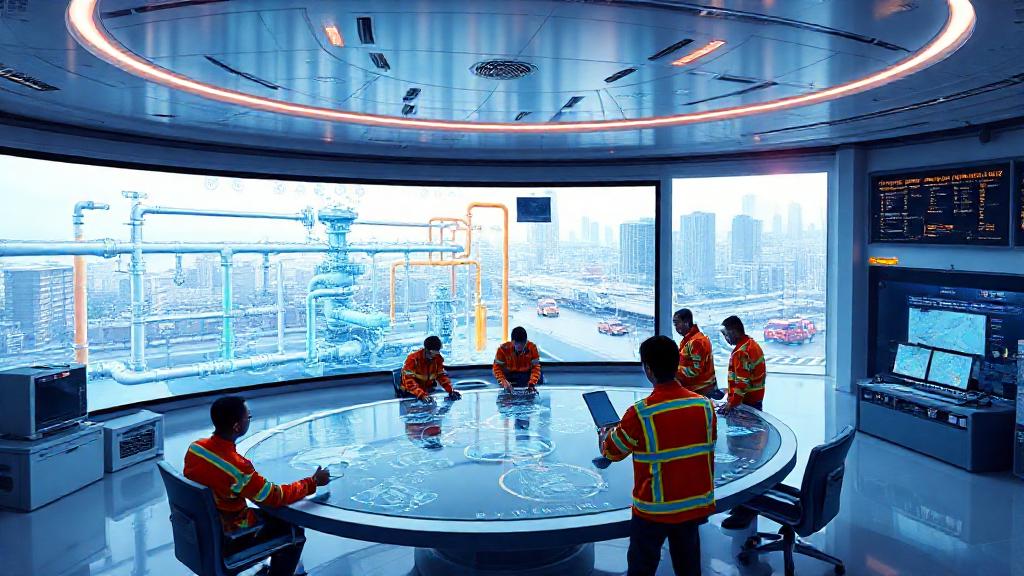
Hydraulic modelling and simulation are crucial tools for emergency response planning, allowing officials to predict and prepare for various scenarios, such as floods and storms.
By utilising these tools, response teams can identify potential vulnerabilities and develop targeted strategies to mitigate damage and ensure public safety.
Effective emergency response planning requires a comprehensive understanding of the underlying hydraulic systems and their potential failure points.
This knowledge enables responders to prioritise resources and develop contingency plans to address potential disasters.
Optimising Infrastructure Design With TUFLOW’s 1D Solver And Dynamic Energy Losses
TUFLOW’s 1D solver is revolutionising infrastructure design with its advanced modelling capabilities.
- Simulating complex hydraulic systems with high accuracy and speed
- Analysing dynamic energy losses to optimise system performance
- Modelling various infrastructure scenarios to predict and prevent failures
- Integrating with other tools to create comprehensive design solutions
- Visualising results to facilitate better decision-making and communication
By leveraging TUFLOW’s 1D solver, designers and engineers can create more efficient and resilient infrastructure systems, saving time and resources in the process.
Improving Urban Drainage Management With Hydraulic Modelling And Advanced Software
Effective urban drainage management is crucial for preventing floods and protecting infrastructure.
A complex issue — requiring a multifaceted approach: combining hydraulic modelling, advanced software, and data analysis to simulate and predict water flow.
Urban planners and engineers can leverage these tools to design and optimise drainage systems.
Floodsare happening everywhere due to climate change: extreme weather events are becoming more frequent, causing chaos and disruption in urban areas, and highlighting the need for reliable and efficient drainage systems.
Applications Of TUFLOW In Flooding Assessments And Coastal Hydraulics Engineering
TUFLOW is not just a one-dimensional modelling tool, but rather a comprehensive platform that can handle complex two-dimensional and three-dimensional simulations.
This misconception has led many to underestimate the capabilities of TUFLOW in flooding assessments and coastal hydraulics engineering.
In reality, TUFLOW has been widely used to simulate and predict flood events with high accuracy.
For instance, TUFLOW has been successfully applied in various coastal engineering projects, such as modelling tidal currents and storm surges, to predict and mitigate the impact of flooding on coastal communities.
Maximising Efficiency And Productivity In Urban Drainage Design With TUFLOW’s Key Features
The integration of TUFLOW in urban drainage design has revolutionised the way engineers approach flood modelling and water management, enabling them to simulate complex scenarios and predict potential flood risks with greater accuracy.
By leveraging TUFLOW’s key features, such as its ability to model complex hydraulic systems and simulate various stormwater management scenarios, engineers can optimise their designs to minimise flood risks and ensure compliance with regulatory requirements.
TUFLOW maximises efficiency in urban drainage design.
The effective use of TUFLOW can significantly reduce the risk of flooding and associated damages, while also minimising the environmental impact of urban drainage systems.
As we look to the future of urban drainage design, the importance of hydraulic modelling will only continue to grow, enabling cities to mitigate the impacts of climate change and urbanisation.
With its ability to simulate and predict the behaviour of complex water systems, hydraulic modelling is poised to play a vital role in shaping the resilience and sustainability of our cities.
As the world’s urban population continues to expand, the need for effective and efficient drainage systems will become increasingly pressing, and hydraulic modelling will be the key to unlocking innovative solutions.
Ultimately, the unsung hero of hydraulic modelling will emerge as a crucial player in the quest to create smarter, more livable cities, where the flow of water is harnessed to nourish and protect, rather than threaten and overwhelm.
By embracing this powerful tool, we can unlock a future where cities thrive in harmony with the forces of nature, and the rhythm of the urban water cycle is a symphony of sustainability and innovation.