




Introduction
Working hours on renovation and construction sites in Singapore are governed by a complex web of noise regulations, employment law, and building-specific rules that every on-site supervisor and Workplace Safety Officer must navigate daily. If you manage live projects in occupied commercial, industrial, or mixed-use buildings, understanding exactly when your crews can perform noisy or disruptive works – and when they absolutely cannot – is the difference between a smooth programme and a costly stop-work order.
The core problem is straightforward but difficult in practice: you must coordinate daily working hours, after-hours noisy works, weekend approvals, tenant expectations, and worker fatigue limits simultaneously, without triggering complaints, NEA enforcement action, or landlord penalties. Getting any one of these wrong can halt your project and damage client relationships.
So, what working hours are typically allowed? For most occupied buildings in Singapore, standard working hours for non-noisy activities run from approximately 9am to 6pm on weekdays. Noisy works such as hacking, coring, and heavy drilling are usually confined to tighter approved slots – often evenings after office hours or specific weekday windows – and are subject to NEA’s maximum permissible noise levels. Weekend and public holiday works face the strictest restrictions, especially for construction sites within 150m of residential buildings.
This comprehensive guide focuses on operational working hours for construction, fitting out, and renovation in commercial, industrial, and mixed-use buildings across Singapore. It draws on NEA’s construction noise control regulations, Workplace Safety and Health (WSH) rules, the Employment Act, and common landlord and MCST building-management requirements. It does not cover general office employment law in detail.
This article is written for supervisors coordinating site activities, safety officers planning shifts, and project managers balancing programme pressure against regulatory and neighbour constraints. Here is what you will learn:
-
Legal and typical contractual limits on daily working hours and weekly site hours in Singapore
-
When and how after-hours or weekend noisy works can be scheduled and approved
-
How to structure shift patterns that meet both NEA noise limits and WSH fatigue rules
-
Steps to avoid tenant disputes via pre- and post-condition surveys and clear communications
-
How Stellar Structures can help design construction programmes that stay compliant yet efficient
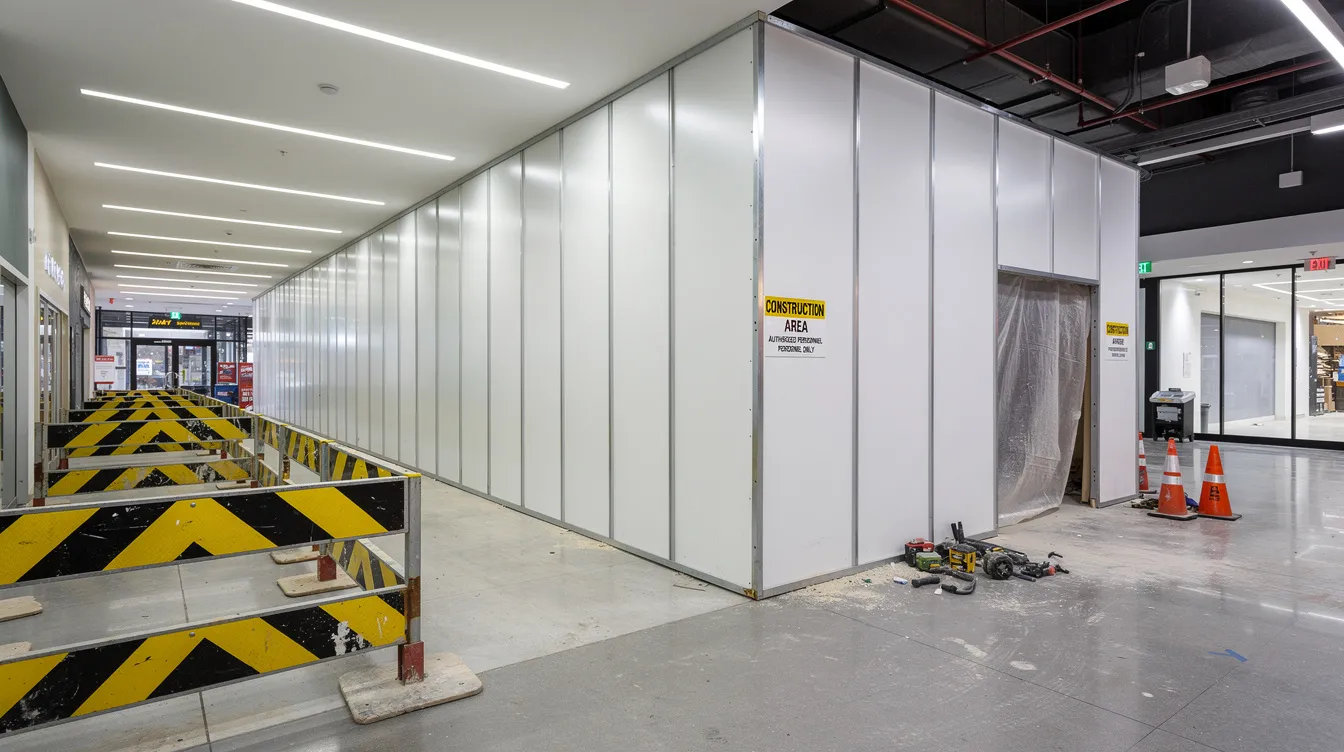
Understanding Working Hours on Live Construction and Renovation Sites
Working hours on a live construction or renovation site refer to the periods during which any physical works – demolition, hacking, drilling, wet works, material deliveries, or installations – may be performed on site. These are fundamentally different from the hours your office-based employees work. On a live site, your working hours are shaped not just by employment contracts but by noise regulations, landlord rules, and the proximity of your site to affected buildings.
This section explains the foundational concepts you need before planning any site schedule.
Core Definitions: Site Working Hours vs Employment Hours for Shift Workers
There are two distinct categories of “working hours” that supervisors must manage simultaneously:
Contractual staff working hours under the Employment Act. Normal working hours in Singapore are capped at 44 hours weekly. Employees cannot work more than 12 hours a day, and overtime is defined as work beyond normal hours excluding breaks. The Employment Act requires that employees must receive at least 1.5 times their hourly rate for overtime, and employers must pay overtime within 14 days after the salary period. Employees can work a maximum of 72 overtime hours monthly. Standard working hours refer to the baseline number of hours an employee is expected to work – the traditional benchmark is 40 hours per week, though in Singapore the cap sits at 44.
Building- or authority-imposed site working hours. These define when noisy and non-noisy works may proceed within a particular building or site. They are set by NEA regulations, landlord handbooks, and MCST by-laws – not by employment law.
To keep things clear throughout this guide, we use these terms consistently:
-
Standard working hours: Typically 8am–6pm or 8.30am–6pm weekdays, when non-noisy administrative or light works (painting, carpentry assembly, cable pulling) are permitted.
-
Noisy works window: The specific time band during which noise-intensive activities like hacking, coring, and heavy drilling are allowed – often narrower, such as 9am–5pm weekdays, or sometimes only during off-peak evening hours in occupied office towers.
-
After-hours works: Any construction work performed outside standard office hours – evenings, nights, weekends, or public holidays – usually requiring additional approvals and noise mitigation.
Specific windows vary significantly by location. An office tower in Raffles Place will impose very different restrictions compared to an industrial facility in the Jurong Innovation District or Cleantech Park. This distinction matters critically when planning manpower, overtime pay, and permits.
Regulatory and Landlord Layers That Shape Working Hours
Three overlapping layers govern when construction work can happen on any given site:
1. National regulations.NEA’s noise regulations set maximum permissible noise levels by time band. Construction noise must not exceed 90 dBA (equivalent continuous noise level over 5 minutes) from 7am to 7pm. The noise limit drops to 75 dBA after 7pm for construction work. No construction work is allowed from 10pm to 7am near residential areas. Regulations apply to construction sites within 150m of residential buildings. These noise regulations are enforced by the National Environment Agency (NEA). Separately, WSH Council fatigue management guidelines limit shifts (including overtime) to no more than 12 hours per day and mandate adequate rest between shifts.
2. Landowner or landlord rules. Major landlords – JTC, CapitaLand, Mapletree – and statutory boards like HDB impose their own renovation control rules. HDB restricts noisy works to weekdays 9am–5pm only. Many CBD office towers include clauses like “no hacking after 5.30pm and on weekends.” Industrial estates may offer wider windows but still enforce NEA compliance at the site boundary, and on JTC-led projects, plan consent may be required as an initial approval before other renovation or statutory clearances proceed.
3. Building management house rules. Individual building managers set specific time bands for hacking, drilling, and heavy deliveries. MCSTs in strata-titled properties may require a lunch pause for noisy works, restrict Saturday hours, and prohibit Sunday works entirely. These rules are often documented in a renovation handbook and enforced through deposits and penalties.
Compliance means aligning all three layers – not just one. Even if a landlord permits evening works, NEA’s stricter decibel limits after 7pm may make those works impossible without significant noise mitigation. The tightest restriction in any overlapping domain always dominates.
With these definitions and regulatory layers established, the next section examines how these concepts play out across a typical working week on a live site.

Typical Working Hour Patterns on Live Sites in Singapore
Now that you understand the regulatory framework, let’s apply it to real scheduling patterns – what actually happens during weekdays, evenings, weekends, and public holidays on live renovation sites across Singapore.
Weekday Working Hours: Quiet vs Noisy Activities and Maximum Permissible Noise Levels
In most commercial buildings, the standard pattern separates quiet and noisy activities:
Light or non-noisy works – painting, carpentry assembly, cable pulling, flooring finishes – are typically allowed from 8.30am to 6.00pm Monday through Friday. These activities fall comfortably within NEA’s daytime noise limits and don’t generate excessive noise that disrupts neighbouring tenants.
Noisy works – wall and floor hacking, concrete coring, heavy drilling, and demolition – are a different matter. In occupied office towers, these disruptive works are usually restricted to off-peak slots: either early morning before tenant arrival (e.g. 7.00am–9.00am) or evenings after business hours (e.g. 7.00pm–10.00pm), subject to prior landlord approval. The rationale is straightforward: excessive noise caused during core business hours makes the building impossible for tenants to occupy productively.
In industrial estates, the noisy works window is typically wider – often 8.00am to 6.00pm – because there are fewer noise-sensitive neighbours. However, sites near dormitories, residential buildings located within 150m, or institutions of higher learning still need to observe NEA’s maximum permissible noise levels at the boundary. A professional engineer or qualified person may need to verify that noise mitigation measures are adequate.
The key coordination challenge on weekdays is balancing what office tenants need (quiet during business hours) against what your main contractor needs (noisy time for demolition, chasing, and slab openings). Getting this wrong leads to tenant complaints and potential stop-work orders from building managers.
After-Hours and Night Work: When Is It Used?
After-hours and night construction work is common in Singapore, but it comes with significant operational constraints. Common use cases include:
-
M&E cut-over works in live data centres or hospitals, typically scheduled from 11.00pm to 5.00am when systems can be safely isolated
-
RC hacking and structural modifications above retail malls, performed after 10.00pm when shops close, subject to NEA noise limits
-
Fire protection and sprinkler tie-ins requiring building-wide system shutdowns that can only occur outside business hours
After-hours works demand additional resources: temporary lighting, dedicated supervision, safe access protocols, and hearing protectors for workers exposed to sound in confined spaces. Shift workers performing night works face heightened fatigue risks. WSH fatigue management guidelines require that no worker exceeds 12 hours in a single day including overtime, and that sufficient rest is provided between shifts.
After-hours works usually require formal written approval from the landlord or building manager for each specific date and time band, advance notification to affected tenants and security, and documented risk assessments covering after-hours conditions. Without these, you risk immediate ejection from the building and contract penalties.
Weekend and Public Holiday Working Hours
Weekends are attractive for contractors – no office users means easier access for noisy works, and material deliveries don’t compete with tenant traffic. But weekend works carry significant regulatory risk, particularly near residential areas.
Typical patterns vary by building type:
-
Some CBD office buildings allow Saturday quiet works from 9.00am to 1.00pm, with no Sunday works permitted
-
HDB common property rules permit general renovation on Saturdays from 9am to 6pm, but noisy works are restricted to weekdays only
-
MCST-controlled condominiums generally prohibit noisy or disruptive works on Sundays and public holidays, with Saturday hours limited
The critical constraint is NEA’s “No Work Rule.” For construction sites within 150m of residential buildings or other noise-sensitive premises (hospitals, homes for the aged sick, schools), no work is permitted from 10pm Saturday to 7am Monday. Similarly, no work is allowed from 10pm on the eve of a public holiday to 7am the following day. This rule has been in effect since September 2011 and is actively enforced.
Before scheduling any weekend works, cross-check three things: the landlord’s weekend policy, NEA construction noise conditions on your project’s permit, and any MCST by-laws for mixed-use developments. Missing any one of these can result in enforcement action and fines.
With typical patterns established, the next section covers how to design and document a working-hours plan that satisfies all parties.
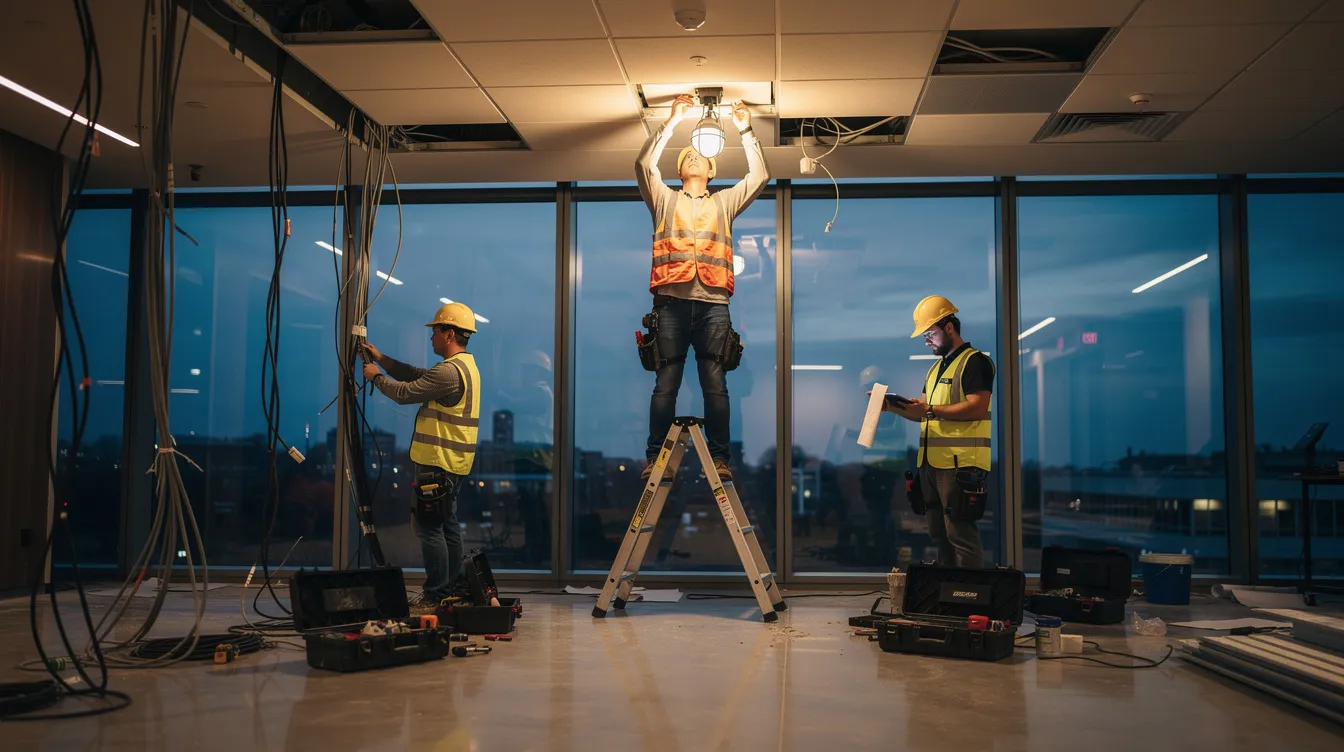
Planning Working Hours for Safe, Compliant Execution and Workplace Safety
Understanding what is allowed is only half the challenge. This section moves to the practical process of designing and documenting a working-hours plan that satisfies authorities, landlords, and tenants – and keeps your workers safe.
Step-by-Step: Setting Up a Compliant Working Hours Plan
Before mobilisation and permit-to-work issuance, every project needs a documented working-hours plan. Here is the process:
-
Collect all constraints. The employer should gather and reconcile all applicable permit, handbook, and shift-rule constraints before scheduling works, including your NEA noise permit conditions, tenancy agreement clauses, landlord or MCST renovation handbook, and MOM/WSH rules on overtime and shifts. For HDB renovation projects, review the Housing & Development (Renovation Control) Rules. For industrial estates like the Punggol Digital District or JTC properties, obtain the facility management brief. Employers must provide 1 rest day per week – a rest day is defined as a whole day from midnight to midnight – and the maximum interval between 2 rest days is 12 days. Rest days can be on Sundays or any other weekday. Shift workers may have a continuous 30-hour rest period instead.
-
Map activities. Classify every task in your construction programme as “noisy,” “vibration risk,” “quiet,” or “off-site” (e.g. prefabrication). Estimate durations for each. This classification determines which time bands each activity can be carried out in. A demolition engineering assessment can help identify which structural works will generate the most noise and vibration.
-
Allocate working windows. Assign each activity to permissible time bands. For example, hacking might only be allowed from 7.00pm to 10.00pm on weekdays in an occupied office tower. Flag activities that require after-hours or weekend approvals, and ensure the extra hours required are calculated before approvals and manpower are finalised. Keep daily working hours within the 12-hour legal maximum, and weekly hours worked within Employment Act limits.
-
Align manpower and safety. Design shift rosters that keep individual weekly hours within Employment Act and WSH limits while still meeting the programme. Plan additional supervision for night works – you cannot run after-hours works with the same skeleton crew as daytime. Breaks must be provided for work exceeding 6 consecutive hours. Many jurisdictions define hours worked beyond the standard as overtime, and in Singapore, overtime pay is at least 1.5 times the hourly rate; Singapore also does not have a general minimum wage law, so compliant pay planning should still be fair and clearly documented for site workers.
Once complete, produce a “Working Hours Matrix” – a weekly schedule showing every trade against its permitted time bands – and attach it to method statements and permit-to-work applications. Ensure alignment with pre-condition survey dates and protection installation schedules (e.g. hoarding and padding during off-hours when corridors are empty).
Coordinating Approvals: From Building Manager to Authorities
The approval chain for special working hours varies by building type:
Private commercial and industrial buildings. Submit an application to building management or the Facilities Management Company (FMC) at least 3–5 working days in advance. Specify dates, times, trade activities, and expected noise and vibration levels. Include risk assessments and method statements referencing after-hours conditions – lighting, emergency response, noise barriers. Attach pre- and post-condition survey records for affected common areas (lobbies, corridors, driveways) and adjacent tenant units.
JTC industrial properties. Comply with JTC’s facility management brief, Renovation Guide forms, and Permit to Work conditions, including declared working hours. Plan consent is often the preliminary JTC approval step before subsequent submissions or site-specific permits. After construction is physically completed, a temporary occupation permit may be required before the premises can be legally occupied pending final clearances. Sites in designated estates must also meet environmental protection requirements specific to the precinct.
Large external construction sites. NEA permit conditions may require a separate application to extend working hours beyond 7pm. For NEA environmental submissions, you may need to demonstrate that noise mitigation measures are sufficient to meet the lower evening thresholds.
For condo alteration projects, MCST approval typically requires a detailed renovation schedule, a refundable deposit, and agreement to specific working-hour restrictions documented in the by-laws.
Stellar Structures can support this process by preparing coordinated construction programmes and justification notes that satisfy facility managers and regulators, particularly for complex projects where multiple regulatory layers overlap.
Comparing Working Hour Strategies for Live Sites
When planning a live-site renovation, supervisors typically choose between three working-hour strategies. Each involves different trade-offs in programme duration, cost, and risk:
|
Criterion |
Option A: Day-Only Work |
Option B: Day + Limited Evening Noisy Works |
Option C: Heavy Weekend / After-Hours Shifts |
|---|---|---|---|
|
Programme duration |
Longest – noisy works compete with tenant activity for limited slots |
Moderate – evenings add 2–3 productive hours per day for noisy trades |
Shortest – maximises productive hours but compressed |
|
Risk of tenant complaints |
Moderate – daytime noise during business hours |
Lower – noisy works shifted to off-peak |
High – weekend and night sound can disturb residential buildings located nearby |
|
Complexity of approvals and permits |
Low – standard building-management approvals |
Moderate – needs after-hours permits for each specified period |
High – NEA permits, landlord weekend approvals, MCST consent |
|
Labour cost and overtime exposure |
Lowest – all work within standard hours |
Moderate – evening overtime at 1.5× hourly rate |
Highest – premium rates for weekends and public holidays, plus additional supervision |
|
WSH risk profile (fatigue, supervision needs) |
Lowest – single daytime shift with normal rest |
Moderate – extended days require fatigue monitoring |
Highest – manual labour across long shifts demands staggered crews and separate supervision |
Day-only work is safest and easiest to manage from a workplace safety perspective, but may significantly extend project duration where heavy demolition is needed. It suits projects where programme pressure is low and tenant disruption must be minimised.
Day plus limited evening noisy works is the balanced option for most office and retail refurbishments. It adds productive hours without the full administrative burden of weekend works and keeps daily working hours manageable.
Weekend and after-hours heavy reliance delivers the fastest programme but is the most administratively complex and costly. It is best suited to critical fast-track fitting out projects where the client accepts the premium – and where the building is far enough from residential areas to avoid NEA’s no-work rule.
Stellar Structures advises clients on choosing the right pattern based on building type, neighbourhood sensitivity, and programme pressure, ensuring the construction programme accounts for every regulatory constraint before the first day of works and supports efficient operations over the building’s service life.
Common Working Hours Challenges and How to Solve Them
Even well-planned schedules face real-world disruptions. Tenant complaints, noise exceedances, safety incidents, and ad-hoc landlord changes are all common on live sites. Here are the problems supervisors encounter most frequently – and how to solve them.
Problem 1: Tenants Complain About Noise During Office Hours
Scenario: Hacking or drilling exceeds expected noise levels during the 9.00am–5.00pm period on a multi-tenant office floor. Tenants call building management. The building manager threatens a stop-work order.
Solution:
-
Prior tenant engagement. Issue circulars with specific dates and time bands for noisy works at least 5 working days in advance. Provide alternative quiet rooms or meeting spaces if possible. Transparency reduces complaints dramatically.
-
Technical controls. Use noise blankets, mobile acoustic screens, and vibration control measures to contain sound at the source. Phase works zone-by-zone so the entire floor is never exposed simultaneously.
-
Operational adjustment. Compress heavy noisy works into tightly defined off-peak slots (e.g. 7.30am–9.00am before tenants arrive, 6.30pm–9.00pm after they leave). Have clear recovery plans if works overrun – including who makes the call to stop and how tenants are notified.
Problem 2: Conflicting Rules Between NEA, Landlord, and Main Contractor’s Programme
Scenario: NEA’s permit restricts night works near a residential block within 150m. But the landlord only allows hacking after 7.00pm because the building is occupied during the day. The contractor’s schedule assumes late-night demolition to meet statutory completion deadlines. The result: an impossible conflict.
Solution:
-
Escalate early. Involve the project’s qualified person or registered architect and consultants like Stellar Structures to re-sequence works or strengthen noise mitigation. It may be feasible to negotiate adjusted windows with NEA if acoustic enclosures can keep the equivalent continuous noise level below evening thresholds.
-
Re-programme. Shift certain heavy works into daytime with extra noise control (e.g. wet cutting instead of dry cutting), and move quiet trades to evenings. This may extend the programme by a few days but avoids the penalty risk of non-compliance.
-
Document decisions. Keep written approvals and updated working-hours matrices for every change. This protects you in disputes and during any enforcement process. A constructability review at the planning stage can prevent many of these conflicts from arising.
Problem 3: Worker Fatigue From Long After-Hours Shifts
Scenario: The same crew has been working from 8.00am to 10.00pm repeatedly to meet a compressed timeline. Accident probability is rising. A near-miss incident occurs during night demolition.
Solution:
-
Enforce maximum shift lengths. Employees cannot work more than 12 hours a day. The Health Act and WSH guidelines are clear: fatigue degrades judgment and motor control. No worker should be pushed into extra hours repeatedly without proper rotation.
-
Use staggered crews. Deploy one daytime team and one evening or night team, each with a clear handover process and separate supervision. This costs more in manpower but dramatically reduces workplace safety risk.
-
Build rest into the plan. Incorporate mandatory weekly rest day allocations and rotation schedules into the working-hours plan and method statements. Industries like construction frequently log higher-than-average weekly hours, making fatigue management even more critical. In the European Union, member states must ensure average working time does not exceed 48 hours per week – Singapore’s construction sector should treat this as a practical benchmark even where regulations allow more.
Problem 4: Damage to Common Areas Discovered After After-Hours Works
Scenario: Weekend material deliveries and late-night hoisting scratch lobby finishes, dent lift doors, and crack corridor tiles. The landlord withholds your deposit and issues a penalty notice.
Solution:
-
Joint pre-condition survey. Before any heavy works begin, conduct and document photo and video records of lobbies, corridors, lift cars, driveways, and façade areas with the building management representative present. These joint inspections establish the baseline condition and protect both parties.
-
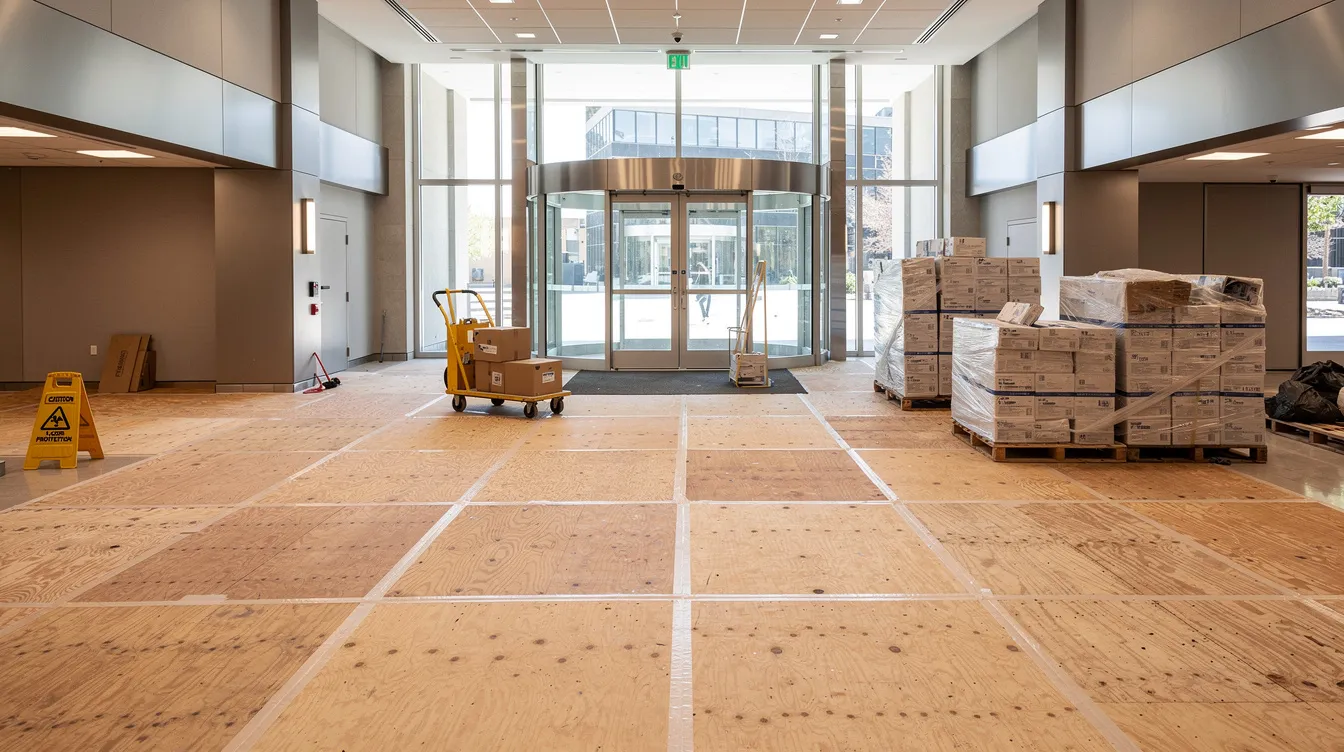
Protective measures. Install plywood and foam padding, corner guards, lift car protection, and temporary coverings before the first heavy move-in. This is non-negotiable for any after-hours delivery.
-
Post-condition survey. Repeat the inspection after completion or at key milestones. Compare against pre-condition records to close off liability questions. Any damage found should be remediated immediately to avoid compounding claims.
Getting these challenges right is what separates experienced supervisors from those who learn the hard way. Early planning, rigorous documentation, and professional support make the difference.
Conclusion and Next Steps
Working hours on renovation and construction sites in Singapore are defined by overlapping employment law, NEA noise controls, and landlord or MCST rules – and the tightest restriction always governs. Thoughtful scheduling of noisy versus quiet works, combined with clear tenant communication and rigorous permit management, prevents stop-work orders, penalties, and disputes. Early planning is always cheaper and less disruptive than firefighting complaints once works are underway. Industries like construction demand this discipline more than most, given the number of stakeholders and the proximity of live operations to occupied spaces.
Your immediate next steps:
-
Audit your current project’s working-hours conditions – NEA permit, landlord handbook, contract – and list every time-based constraint in one document
-
Classify your upcoming activities for the next 4 weeks into noisy versus quiet and match them to compliant working windows
-
Schedule a joint pre-condition survey with building management before starting any after-hours heavy works
-
Review your shift rosters against WSH fatigue guidance and the Employment Act – the employer should ensure no worker exceeds 12 hours per day or 72 overtime hours monthly, and that every employee receives their weekly rest day
-
Engage consultants like Stellar Structures to stress-test your construction programme against working-hours and noise rules, particularly for complex or fast-track projects
Related topics worth exploring next:
-
Noise mitigation design for renovation projects near residential units
-
Hoarding and logistics planning in tight urban sites
-
Fire safety and temporary works planning when working after hours
Additional Resources
-
NEA’s “Maximum Permissible Noise Levels for Construction Work” – the full schedule of noise limits by time band and building type is available on nea.gov.sg under Environmental Protection and Management regulations
-
Ministry of Manpower’s guidelines on working hours and overtime – Part IV of the Employment Act covers salary period rules, overtime caps, rest days, and payment requirements for site workers; it does not generally apply to managers or executives, whose working-hour terms are usually governed by contract, and overtime wages should be paid by the last day allowed after the salary period
-
WSH Council advisories on fatigue and shift work – practical fatigue management guidelines for managers planning extended or night shifts on construction sites
-
JTC Tenant Renovation Guide and sample MCST Renovation Rules – examples of building-specific working-hours rules; check with your estate manager for the latest version applicable to your site
-
Stellar Structures’ Live-Site Renovation Playbook – a downloadable guide covering construction programme design, noise mitigation strategies, and working-hours compliance for occupied buildings, available from the Stellar Structures website
Diagrams such as weekday timelines showing quiet versus noisy windows, and site photographs of hoarding and protection setups, can accompany this guide to help visualise typical working-hour bands in practice.