




Appointing a Design for Safety Professional (DfSP) for Infrastructure Projects: What Owners Need to Know
Introduction
Appointing a Design for Safety Professional (DfSP) for infrastructure projects in Singapore is a regulatory and practical necessity that every developer, asset owner, and public agency should understand before design work begins. Whether your project involves a new expressway viaduct, a deep sewer tunnel, an MRT station upgrade, or large-scale utility corridor works, the DfSP plays a central role in ensuring that safety considerations are embedded into design decisions from the earliest stage through to demolition.
This guide is written for public agencies, developers, asset owners, and main contractors involved in roads, bridges, rail, utilities, and other civil infrastructure in Singapore. It focuses on the requirements of the Workplace Safety and Health (Design for Safety) Regulations 2015 and the expectations of agencies such as LTA, JTC, and PUB. Note that this article is not a full legal opinion – owners should seek professional guidance for project-specific compliance questions.
In short: in Singapore, projects with a contract value of S$10 million or more require a qualified Design for Safety Professional, and the DfSP should be appointed before concept design to maximise their ability to eliminate hazards at source. The DfSP’s core role is to convene DfS review meetings, maintain the DfS Register, and coordinate risk documentation – but developers remain legally accountable for design safety, even when delegating responsibilities to the DfSP.
Here are the key takeaways this article will cover:
- When you must appoint a DfSP – regulatory triggers, thresholds, and special cases for infrastructure
- What a DfSP actually does – from facilitating risk workshops to producing handover documentation
- How to choose and appoint the right DfSP – qualifications, appointment models, and selection criteria
- What documentation owners remain responsible for – even after delegation
- How to avoid common pitfalls – late appointment, tick-box compliance, and poor handover
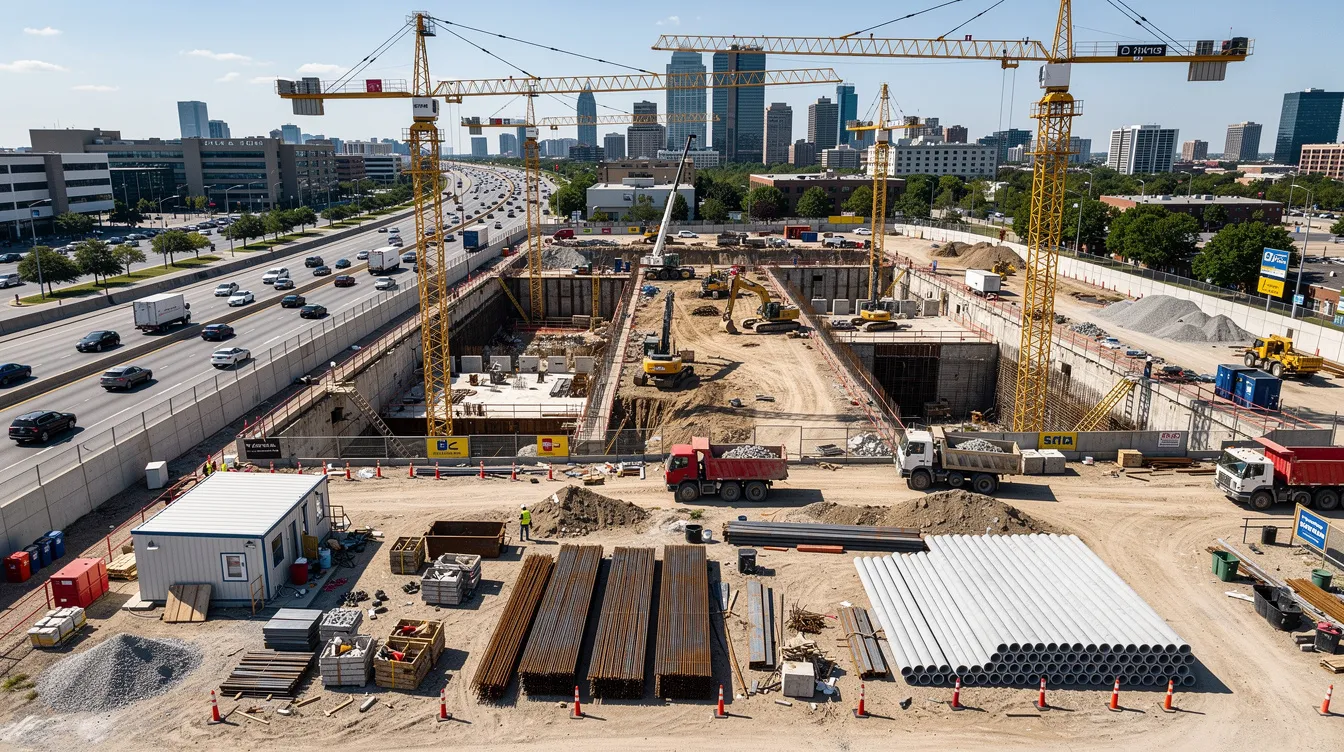
Understanding Design for Safety (DfS) in Infrastructure and Building Development Projects
Design for safety is a systematic process intended to identify, eliminate, or reduce foreseeable safety and health risks through decisions made during the design, planning, and concept phases of a project. For large, complex civil works – where excavation depths, structural loads, live traffic interfaces, and long maintenance lifecycles multiply the risks – DfS matters far more than it does for straightforward building development. Getting it right at the design stage avoids costly rework and, more importantly, prevents serious incidents on site and throughout the asset’s operational life.
What Is Design for Safety under Singapore’s WSH (DfS) Regulations 2015?
DfS, as defined under the WSH (Design for Safety) Regulations 2015, is the process of identifying and addressing foreseeable safety and health risks at every stage of a project – from design through construction, operations, maintenance, and eventual demolition, with practical application of the regulations and risk-management principles across that full lifecycle. WSH (DfS) Regulations were established in 2015, gazetted on 10 July 2015, and came into effect on 1 August 2016. DfS covers the entire building lifecycle from design to demolition.
The regulations apply to infrastructure such as viaducts, tunnels, MRT stations, roadworks, and utility structures – any development under the Planning Act with a construction contract sum of S$10 million or more. They also apply to Alterations and Additions (A&A) works on structures that already have a DfS Register, regardless of contract value.
The core principle is straightforward: integrate safety into design decisions rather than relying only on site supervision and PPE. Where a risk cannot be eliminated, it must be reduced to as low as reasonably practicable (ALARP), with preference for collective protective measures over individual ones. DfS aims to enhance safety and health in construction projects by tackling hazards at their source.
The Role of a Design for Safety Professional (DfSP)
A DfSP is an independent safety design facilitator – distinct from a Qualified Person (QP), Registered Technical Officer (RTO), or site safety supervisor. The Design for Safety Professional is responsible for governance, coordination, and documentation in project safety. Their core functions include leading DfS review workshops, coordinating designers and contractors on risk matters, maintaining an accurate DfS Register that tracks identified risks and mitigation measures, and producing the DfS report for handover.
Candidates must be Professional Engineers or Architects, or have significant construction design experience – at least 10 years of relevant experience including 5 years in design – and must have completed the approved DfS Professional Course. A Design for Safety Professional must possess statutory qualifications and relevant construction experience. DfS training includes risk management insights and safe design principles that equip the DfSP to challenge design decisions constructively.
Critically, the DfSP supports but does not remove the legal duties of the client, developer, and designers. DfS guidelines are crucial for developers, designers, and contractors alike – the DfSP ensures these parties work together effectively, but each retains their own statutory obligations.
How DfS Fits into the Infrastructure Project Lifecycle
DfS must be integrated across every major project stage: feasibility, concept design, detailed design, construction, commissioning, operations, and maintenance. At each stage, the DfSP facilitates structured reviews, ensuring that risks identified early are addressed before they become embedded in locked-down designs or constructed works.
Engaging a DfSP early in the project design phase allows for more effective hazard elimination and risk management. Appointing a DfSP before Preliminary Design or Concept Approval leads to substantially better risk elimination than appointing during construction – once major design decisions are made, the ability to eliminate risks at source diminishes sharply. This is especially true for infrastructure projects where site selection, alignment options, and structural system choices carry enormous downstream safety implications.
The next section dives into the specific legal obligations and thresholds that determine when owners must appoint a DfSP.
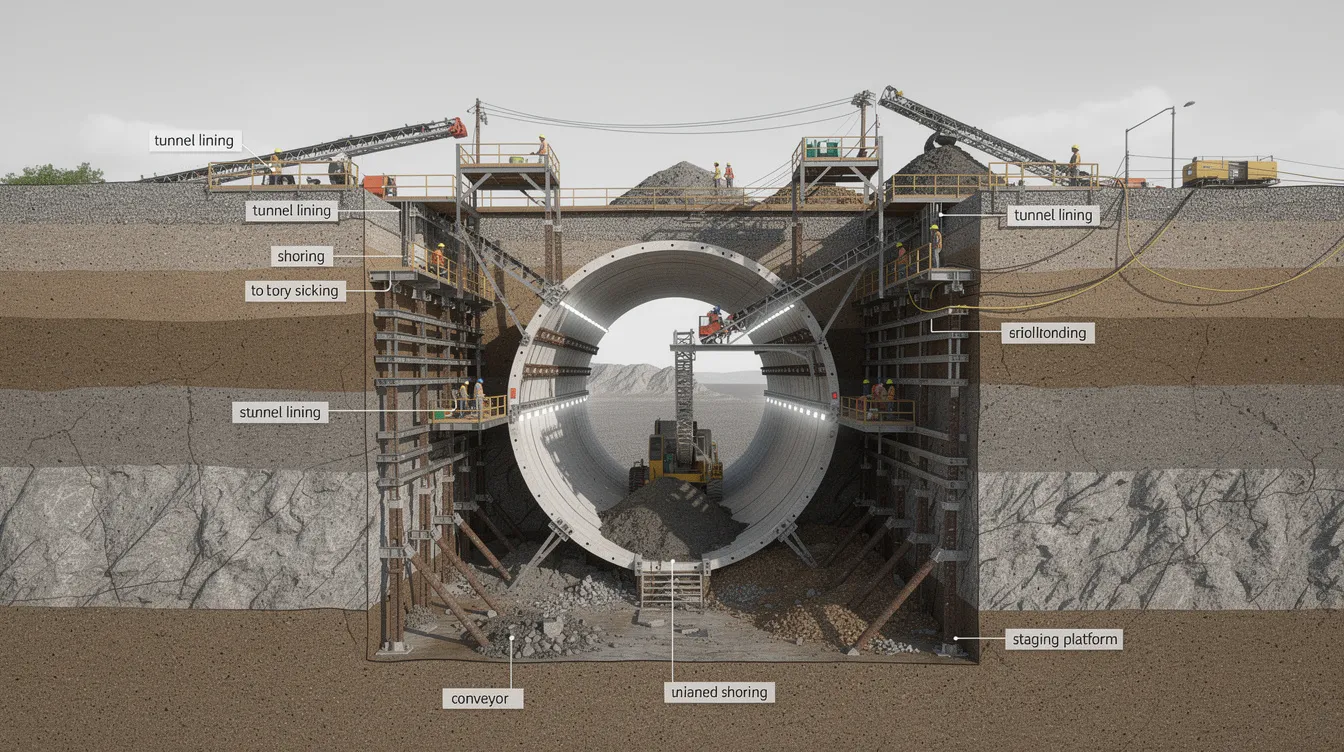
When Must Owners Appoint a DfSP for Infrastructure Projects?
With the foundational concepts established, the practical question for owners is: does my project trigger the mandatory appointment of a DfSP, and what are my duties under the regulations?
Regulatory Triggers, Plan Approval, and Thresholds
Under the WSH (DfS) Regulations 2015, mandatory DfS requirements apply to any project classified as a development under the Planning Act with a construction contract sum of S$10 million or more. Projects with contract value of S$10 million or more contribute to around 80% of fatal accidents and dangerous occurrences in the construction industry – a statistic that directly motivated this threshold.
For infrastructure, common triggers include:
- New expressway flyovers or viaducts
- Deep sewer or stormwater tunnels
- MRT station construction or upgrades
- Large retaining wall systems and deep excavations
- Major utility corridor installations
A special case applies to A&A works: any alterations or additions to a structure that already has an existing DfS Register are subject to the regulations regardless of contract value. In practice, while the regulation is written generically, infrastructure projects often involve greater complexity – geotechnical uncertainty, live traffic interfaces, existing utility networks – making the DfSP role more critical than on many building projects.
Owner and Developer Duties under DfS Regulations
The developer’s duties under the regulations are extensive and largely non-delegable. Under Regulation 4, the developer must ensure all foreseeable design risks are eliminated where reasonably practicable, or reduced ALARP if elimination is not possible. Under Regulation 5, the developer must appoint competent designers and contractors, provide them with all relevant information (site constraints, utilities, ground conditions), and allocate sufficient time and resources for safety design work.
The developer may delegate two specific procedural duties to the DfSP: convening DfS review meetings (Regulation 6) and maintaining the DfS Register (Regulation 7). This delegation must be explicit and in writing. However, developers remain legally accountable for design safety, even when delegating responsibilities to the DfSP – the ultimate legal responsibility for non-delegable duties (risk elimination, competent appointments, adequate resourcing) stays with the developer.
Consequences of non-compliance include enforcement action by MOM, potential fines, and – for major public-sector works – delay or refusal of plan approval. Many agencies such as LTA, JTC, and PUB now expect DfS documentation as part of tender and design submissions, in accordance with both the legislation and their own safety guidelines.
Project Types That Benefit Most from a Strong DfSP Role
A strong DfSP can influence design decisions and facilitate multidisciplinary risk assessment workshops – this adds the most value on projects involving:
- Interfaces with live traffic – where temporary traffic diversions and construction staging create high-risk conditions
- Complex staging and constrained urban sites – near existing buildings, MRT tunnels, or critical utilities
- Deep excavations and tunnelling – where geotechnical risks require early integration between structural, geotechnical, and temporary works design
- Long-lifespan infrastructure assets – bridges, tunnels, and water infrastructure where maintenance access and future modifications must be designed from the start
Even when not strictly mandated – for example, smaller upgrading works below the S$10 million threshold – owners may voluntarily appoint a DfSP to reduce lifecycle risks, lower insurance costs, and demonstrate best practice for public sector tenders where safety is a quality evaluation criterion.
The following section explains what a competent DfSP actually does, day to day, on an infrastructure project.
What Does a DfSP Actually Do on an Infrastructure Project?
Far from a paperwork-only role, the DfSP is a practical contributor whose input directly shapes design and construction decisions. Meeting Workplace Safety and Health regulations, the DfSP must identify and mitigate safety risks in design phases – but their influence extends well beyond compliance documentation.
Core Responsibilities Across Design and Construction
The DfSP’s day-to-day work includes:
- Facilitating DfS review workshops at concept design and detailed design stages, bringing together structural engineers, geotechnical specialists, traffic consultants, and contractors to systematically assess risks
- Documenting hazards and risk controls in the DfS Register, tracking each identified risk from first identification through to resolution or residual risk communication
- Coordinating with QP(Civil/Structural), QP(Geo), and contractors to ensure that safety considerations are addressed in every design discipline
- Reviewing method statements and temporary works proposals – including shoring, formwork, traffic diversion schemes, and construction sequencing
- Ensuring that construction, operation, and future maintenance/demolition risks are considered in each design discussion
A Design for Safety Professional should have experience with complex infrastructure projects, including tunneling and deep excavations, because these are the kinds of works where design decisions carry the highest safety stakes.
Key Deliverables: DfS Register, Safety Guidelines, Risk Assessments, and DfS Report
The role of a DfSP includes maintaining an accurate DfS Register that tracks identified risks and mitigation measures. Typical contents include:
- Identified hazards – for example, working over live traffic, deep excavation adjacent to existing structures, or confined-space maintenance access
- Risk ratings – assessed using a structured risk matrix, with ratings updated as design progresses
- Agreed control measures – ranging from design changes that eliminate the risk to residual risk notes carried forward for the operations team
At completion, the DfSP compiles a DfS report or safety and health file for handover to the owner’s facility management or operations team. This document ensures that residual risks are communicated clearly and that future maintenance or renovation contractors understand what safety considerations apply. The DfS documentation should align with other statutory submissions – BCA structural plans, LTA code compliance, SCDF fire safety requirements, and PUB drainage submissions – to avoid duplication and ensure consistency. Fire safety plans must be submitted to FSSD, and Qualified Persons must prepare fire safety plans in compliance with the Fire Safety Act regulations. Registered Architects or Professional Engineers can submit plans in accordance with these requirements.
Collaboration with Designers, Contractors, and Authorities
The DfSP interacts regularly with architects, civil and structural engineers, traffic consultants, and M&E designers during coordination meetings. They ensure that each discipline’s design output is assessed for safety implications – not just for construction workers, but for all affected persons including maintenance staff, end users, and the public.
Typical touchpoints with regulatory agencies include providing DfS documentation to support submissions where requested by LTA, JTC, or PUB. The DfSP also plays a role in pre-construction reviews and, where incidents occur, in feeding lessons learned back into the design and method statements. The DfSP’s effectiveness can significantly impact long-term safety and operational risks associated with infrastructure projects.
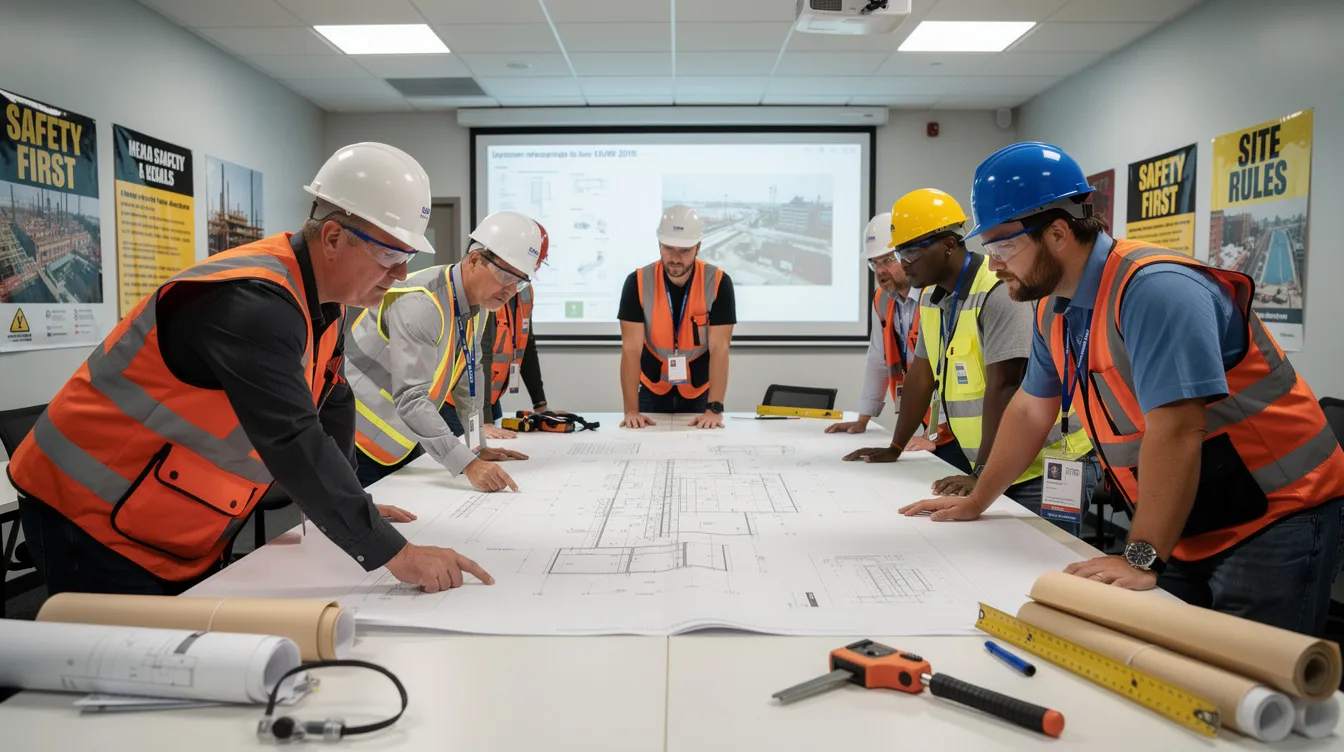
Step-by-Step: How Owners Should Appoint a DfSP
Moving from understanding the DfSP’s role to the practical process of appointment, timing and procurement structure are the two factors that most influence whether the DfS process adds real value or becomes a compliance exercise.
Appointment Process and Timeline
The ideal timing is to appoint the DfSP by the end of feasibility or early concept design stage – before the major design freeze. This ensures the DfSP can influence alignment options, structural system choices, and construction staging before these decisions become locked in. For infrastructure projects, this is especially important because changes to tunnel alignment, viaduct geometry, or retaining wall design after detailed design carry enormous cost and programme penalties.
Owners should decide whether to engage the DfSP directly (independent appointment), include the DfSP within the lead consultant’s team, or allow the design-build contractor to propose a DfSP. Each model has different implications for independence, control, and integration – discussed in the comparison table below.
The DfSP scope should be defined clearly in RFPs and tenders, specifying the number of expected workshops, site visits, design stage milestones, and deliverable formats. This prevents ambiguity and ensures that all parties understand expectations from the outset.
Practical Steps for Appointment
- Define project DfS needs – Assess the project’s complexity, number of interfaces (live traffic, existing utilities, adjacent structures), stakeholder expectations, and regulatory requirements.
- Prepare a DfSP brief and selection criteria – Specify required competencies, infrastructure experience (e.g. similar to LTA roadworks, JTC estates, PUB drain and sewer works), professional registration, and DfS Professional Course completion.
- Shortlist and pre-qualify potential DfSPs – Check training certificates, project track records, and references from projects of similar kind and scale. DfSP candidates should demonstrate proven capability in driving forward safety-focused design changes.
- Evaluate proposals and interview candidates – Focus on case studies, facilitation approach, and how they have challenged designers constructively on past projects. Ask for sample DfS reports (with confidential data redacted) to assess documentation quality.
- Formalise appointment – Define roles, reporting lines, attendance at key design coordination meetings, and a deliverable schedule tied to design milestones. Ensure delegation is documented in writing as required by the regulations.
Comparing Appointment Models for Infrastructure Owners
| Criterion | Option A: DfSP Appointed Directly by Owner (Independent) | Option B: DfSP Provided by Lead Design Consultant | Option C: DfSP Provided by Design-and-Build Contractor |
|---|---|---|---|
| Independence | High – no conflict of interest with design team | Moderate – part of same consultancy | Lower – employed by party whose designs are being reviewed |
| Control by Owner | High – direct reporting line | Moderate – via consultant contract | Lower – via D&B contract |
| Integration with Design Team | Requires deliberate coordination effort | Naturally integrated into design workflow | Fully integrated, but may lack objectivity |
| Cost | Typically higher standalone fee | Bundled into consultancy fee | Bundled into D&B contract |
| Best Suited For | Public agencies, statutory boards, complex projects | Private developers with trusted consultants | Fast-track D&B projects with strong contractor track record |
Design for Safety Professionals should have independent standing to challenge project design decisions without conflict of interest. For statutory boards and public agencies undertaking high-risk construction in urban Singapore, Option A typically offers the greatest assurance. Private developers with long-standing consultant relationships may find Option B more practical. Option C can work for well-managed design-and-build contracts but requires the owner to verify that the DfSP genuinely exercises independence.
The next section addresses what to look for – and what questions to ask – when selecting the right person for the role.
How to Choose the Right DfSP for Your Infrastructure Project
The right DfSP combines technical qualifications, infrastructure-specific experience, and strong facilitation skills. Selection should be based on competence and value – not simply the lowest fee.
Required Qualifications and Experience
Baseline requirements for a DfSP in Singapore include:
- Completion of the approved DfS Professional Course (or equivalent)
- Registration as a Professional Engineer or Architect with a practising certificate, or at least 10 years of relevant construction and design experience (including 5 years in design and specification writing) with a construction-related degree recognised by PEB or BOA
- Thorough understanding of the WSH (DfS) Regulations 2015 and related BCA codes
For infrastructure projects, domain experience matters enormously. A DfSP who has worked on roads, rail, tunnelling, coastal structures, or utilities corridors will understand the specific risks – ground movement, temporary works failure, utility strikes, working near live traffic – that generic building-focused DfSPs may underestimate. Multidisciplinary teams that combine structural, civil, and geotechnical expertise under one roof can add particular value.
Questions Owners Should Ask During Selection
When evaluating DfSP candidates, consider asking:
- What infrastructure projects of similar scale and type have you completed as DfSP?
- How do you approach early risk identification – what tools and workshops do you use at concept design stage?
- Can you give an example where you challenged a designer’s approach and achieved a safer design outcome?
- How do you handle situations where a recommended design change is resisted by the design team or contractor?
- Can you provide a sample DfS report (redacted) so we can assess the quality and clarity of your documentation?
- How do you ensure that DfS information is properly handed over to the operations and maintenance team at completion?
Communication skills are essential – the DfSP must facilitate workshops with diverse stakeholders including engineers, contractors, and authorities. A person who cannot engage a room of senior professionals effectively will not add real value regardless of their technical qualifications.
Balancing Cost, Value, and Independence
Typical fee structures include lump sum per project phase, hourly rates for workshops, or inclusion as part of a design consultancy package. Owners should evaluate value based on:
- Prevented incidents – a single serious accident can cost far more than the entire DfSP fee
- Reduced rework – risks identified early lead to design changes that are cheaper than construction-stage modifications
- Smoother approvals – well-prepared DfS documentation supports authority submissions and avoids delays
- Lower lifecycle maintenance costs – designs that address maintenance access and residual risks from the start reduce long-term operational expenditure
An independent DfSP may carry a higher standalone fee but typically offers more objective risk elimination, less design bias, and fewer conflicts of interest. The trade-off with an in-house DfSP within the design team is better integration but potentially less willingness to challenge the team’s own design decisions.
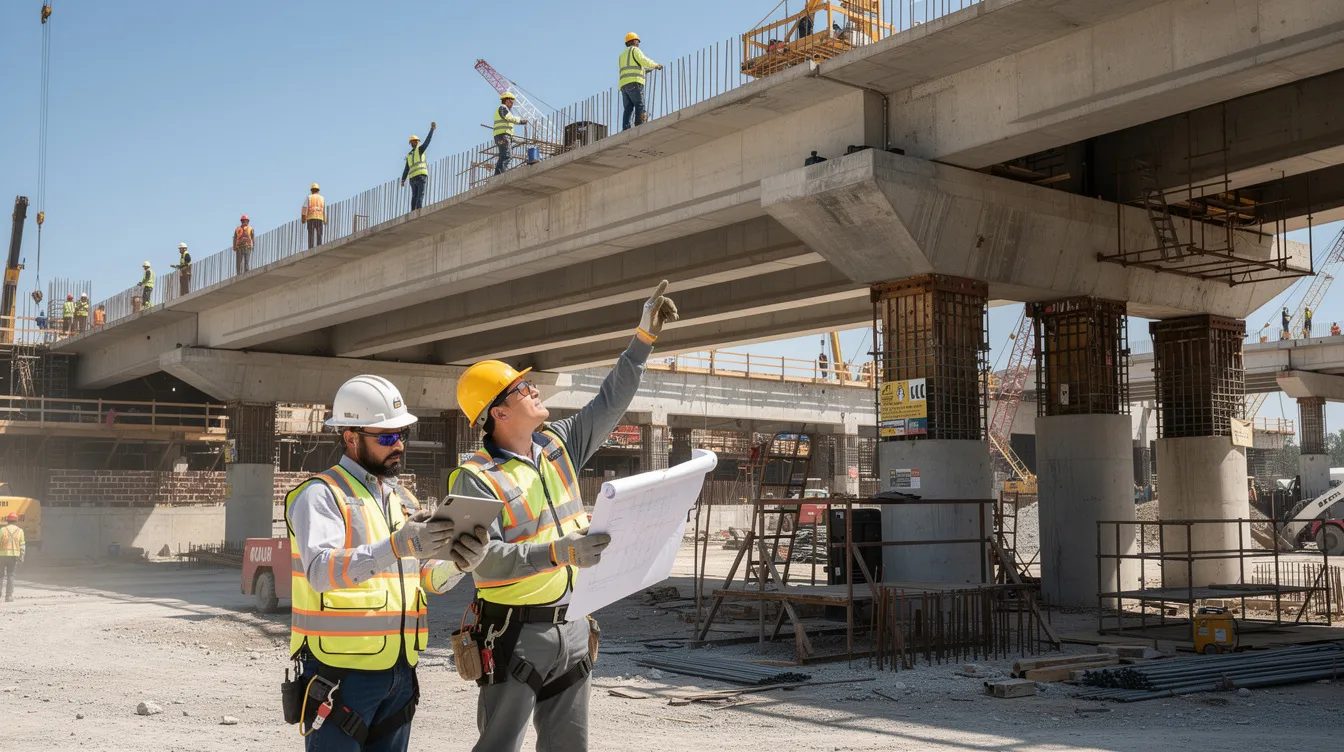
Common Challenges in Appointing and Working with DfSPs
Even experienced owners can struggle with the DfSP appointment and process. The most common issues relate to timing, role boundaries, integration, and handover – all of which are preventable with the right strategy.
Problem 1: Appointing the DfSP Too Late
Late appointment – after the major design freeze or after the construction contract has been awarded – severely limits the DfSP’s ability to remove high-risk design elements. At that stage, the process often becomes a documentation exercise rather than a genuine risk elimination effort.
Solution: Require DfSP appointment as a precondition in consultant RFPs or concept design approvals. Build DfS milestones into the project programme so that the first DfS review workshop occurs before any design freeze. For underground works and deep excavations, where geotechnical input is critical, early DfSP involvement is non-negotiable.
Problem 2: Treating DfS as a Compliance Tick-Box
A common pitfall is conducting minimal workshops and producing generic risk registers that do not actually influence design choices. This satisfies the letter of the law but misses the entire purpose of the regulations.
Solution: Insist on DfS input at key decision gates – alignment options, structural system selection, traffic diversion schemes – and require senior owner representatives to attend workshops. The DfS process should lead to documented design changes, not just a list of risks with boilerplate mitigation measures.
Problem 3: Poor Integration with Design and Construction Teams
When the DfSP is isolated from day-to-day design coordination, their recommendations can become impractical or disconnected from actual project constraints. This leads to frustration on all sides and undermines the DfS process.
Solution: Define in the appointment that the DfSP joins regular design coordination meetings and project safety committees. Assign a single owner point-of-contact who ensures the DfSP has access to current design information and can continue to participate meaningfully throughout the project.
Problem 4: Unclear Handover of DfS Information to Operators
A frequent gap occurs at project completion, where the DfS Register and residual risk information are not properly passed to the operations, maintenance, or facility management team. Under Regulation 11, the person who acquires the developer’s interest – or the MCST – becomes responsible for keeping the DfS Register and making it available for future works.
Solution: Require a structured safety and health file as a completion deliverable, aligned with the asset information model and O&M manuals. The file should clearly explain residual risks in terms that operations staff can understand and act upon. Use of BIM and digital models can enhance this handover by embedding safety information directly into the asset’s digital twin.
Owners can avoid all four of these pitfalls with a clear DfSP appointment strategy prepared before the project enters the feasibility stage.
Conclusion and Next Steps for Infrastructure Owners
Appointing a competent DfSP at the right time is one of the most impactful decisions an infrastructure owner can make. It directly affects whether safety risks are genuinely eliminated through design or merely documented after the fact. The legal framework under Singapore’s WSH (DfS) Regulations 2015 is clear about the developer’s duties, the thresholds that trigger mandatory compliance, and the specific procedural tasks that can be delegated to a DfSP. But compliance alone is not the goal – real value comes from embedding the DfS process into every design decision, from site selection and alignment through to maintenance access and eventual decommissioning.
Here are the next actions infrastructure owners should take:
- Review your upcoming infrastructure portfolio against DfS triggers – confirm which projects exceed the S$10 million threshold or involve A&A works on structures with existing DfS Registers.
- Decide on your preferred DfSP appointment model for each project type – independent, via lead consultant, or via D&B contractor.
- Update your standard RFP and contract templates to include clear DfSP scope, deliverables, and selection criteria.
- Set internal policies on DfS milestones – for example, mandatory DfS review workshop before design freeze.
- Consider engaging a qualified engineering consultancy to review your current DfS practices or to act as DfSP on complex projects – particularly where multidisciplinary infrastructure expertise is required.
Owners may also want to explore related topics: integration of temporary works design into the DfS process, use of BIM for safety reviews, coordination with fire safety submissions, and how public sector tender safety criteria intersect with DfS documentation.
Additional Resources and Owner Checklist
This section provides a quick reference for owners who want to verify their approach against established guidance and ensure nothing is missed during the appointment process.
Key References and Guidance
Key Singapore documents that owners should read and apply include:
- WSH (Design for Safety) Regulations 2015 (as amended by S 434/2024) – the primary legislation governing DfS duties
- MOM and WSHC DfS Guidelines (Revised 2022) – practical guidance on implementing the regulations
- REDAS DfS Good Practice Guide 2024–25 – industry best-practice recommendations for developers
- Sectoral guides from LTA, JTC, and PUB – where available, these address DfS expectations specific to transport, industrial, and water infrastructure
- Industry publications on safe design for maintenance of bridges, tunnels, and roadside structures
For project-specific interpretation of these safety guidelines, please visit a qualified professional or engineering consultancy with infrastructure DfS experience.
Owner’s Quick DfSP Appointment Checklist
Use this checklist early – during budgeting and feasibility – rather than waiting until tender stage:
- ☐ Have we confirmed whether our project triggers mandatory DfSP appointment (contract sum ≥ S$10 million or A&A with existing DfS Register)?
- ☐ Have we defined the DfSP scope to match this project’s risk profile, number of interfaces, and design complexity?
- ☐ Have we selected an appointment model – direct (independent), via consultant, or via D&B contractor?
- ☐ Does our chosen DfSP have proven infrastructure experience, DfS Professional Course certification, and appropriate professional registration?
- ☐ Are DfS milestones clearly integrated into our design and procurement schedule, with the first workshop before concept design freeze?
- ☐ Is there a clear plan for compiling and handing over the DfS report and safety and health file to the operations and maintenance team at completion?
- ☐ Have we allocated adequate budget and programme time for substantive DfS reviews – not just token workshops?
Starting this checklist at the feasibility stage – rather than after design has already progressed – gives owners the best chance of realising the full safety, cost, and programme benefits that the DfS process is intended to deliver.