




Introduction
Underground infrastructure supervision under the Land Transport Authority (LTA) and PUB (Public Utilities Board) is a high-stakes engineering control regime, not routine site oversight. In Singapore, infrastructure underground works under LTA and PUB supervision require specialized engineering oversight, stringent qualifications, intensive inspection, disciplined documentation, and clear liability allocation to manage high-risk works such as MRT tunnels, deep sewerage systems, and other subsurface interfaces with critical public assets. When construction teams bore through complex subterranean geology in a dense urban environment, the margin for error narrows to near zero, with commuters, residents, and operating transport and water systems depending on the integrity of decisions made below ground.
This article is written for Professional Engineers, project managers, design and construction teams, and consultants working on Singapore civil engineering projects who need to understand what LTA/PUB-supervised underground works demand beyond conventional building projects. It focuses on supervisor qualification and registration requirements, how supervision scope differs from standard building works, critical inspection points, documentation and compliance standards, authority coordination, interface management with live systems, daily supervision procedures, liability exposure, and lessons from past incidents. It does not attempt to cover general building supervision in the abstract; the focus is underground public infrastructure where regulatory scrutiny, contractual accountability, and operational risk are materially higher.
In direct terms, LTA and PUB supervision means underground works must be overseen by suitably qualified engineers under strict statutory and contract frameworks, because inadequate supervision can lead to fatalities, service disruption, prosecution, fines, imprisonment, and damage to infrastructure used by thousands of people every day. The stakes are not theoretical: the 2004 Nicoll Highway collapse killed four workers during MRT tunnel construction, and in 2025–2026, LTA fined SMRT S$1.9 million for a fatal rail accident and tunnel flooding incident, both underscoring how supervision failures can escalate into public-safety and system-integrity events.
By the end of this article, you will understand:
-
The qualification and registration requirements for QPs and PEs supervising LTA and PUB underground works
-
How the supervision scope for public infrastructure differs fundamentally from standard building projects
-
Critical inspection points and daily supervision procedures for underground construction
-
Documentation standards, authority submission processes, and compliance requirements
-
Liability implications, including legal penalties and lessons from real incidents
Understanding Qualified Person Supervision for Underground Infrastructure
A Qualified Person (QP) in Singapore’s regulatory framework is a registered Professional Engineer or Registered Architect authorized under the Building Control Act, the Sewerage & Drainage Act, and related legislation to prepare plans, supervise construction works, and certify compliance with statutory requirements. For underground infrastructure projects – where ground settlement, groundwater fluctuations, and proximity to existing structures create compounding risks – QP supervision is the primary mechanism through which regulatory agencies ensure public safety and infrastructure integrity.
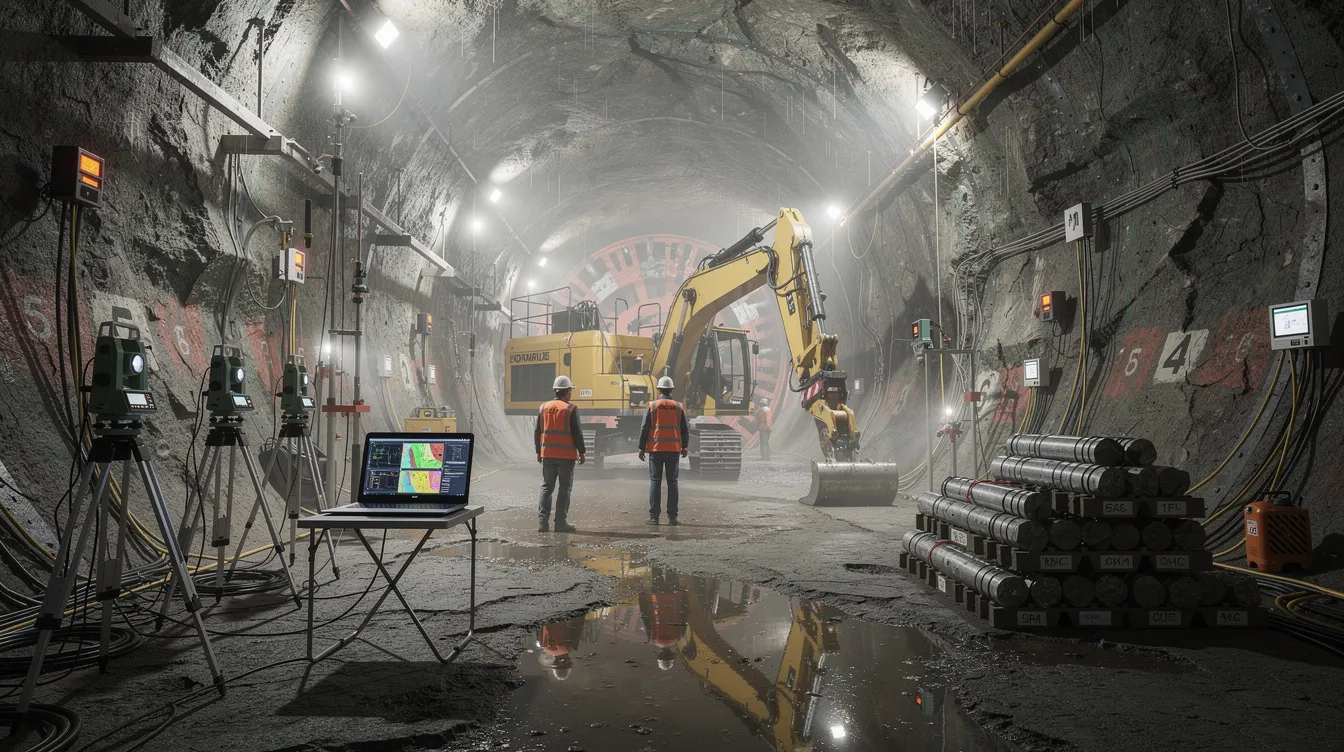
Underground works supervision differs fundamentally from above-ground building projects in several critical ways. Underground construction includes deep excavation and tunneling activities where soil behavior, hydrostatic pressure, and geological variability are often unpredictable. Civil engineering activities involve managing temporary works strategies – shoring, strutting, sheet piling – that are themselves life-critical structural systems. Supervisory responsibility extends beyond paperwork to actual construction practices: verifying face pressures in TBM operations, monitoring real-time instrumentation data, and making immediate engineering judgments that can prevent catastrophic ground collapse. Life safety is the paramount concern in supervising these construction activities.
Land Transport Authority (LTA) Project Supervision Requirements
For projects under the Land Transport Authority, supervision requirements reflect the critical nature of rail infrastructure and road networks that serve millions of commuters daily. A Professional Engineer registered with the Professional Engineers Board must meet the minimum baseline requirements of an approved engineering degree, at least four years of relevant experience working under a registered PE, and passes in both the Fundamentals of Engineering and Professional Practice examinations.
For underground or geotechnical works, the Building Control (Amendment No.2) Regulations 2008 impose additional duties. Under Regulation 24A, any tunnel exceeding 2 meters in width, height, or diameter triggers mandatory appointment of both a Design QP and a Supervising QP. When the structural QP lacks competence in geotechnical aspects, a separate Design QP (Geotechnical) and Supervising QP (Geotechnical) must be engaged – a requirement that reflects the technical complexity of managing soil mechanics, groundwater regimes, and tunneling pressures simultaneously.
Works near operating MRT lines fall within the railway protection zone, requiring specific LTA forms – such as the LTA DBC Rail S3, which demands the signature of the PE supervising drilling works near rail assets. The PSR (Project Safety Review) framework mandates safety assurance in LTA projects, with safety submissions tied to critical project lifecycle phases under the relevant contracts. The Civil Design Safety Submission is essential before construction begins, while the Handover Safety Submission occurs one month before project completion. LTA’s specifications are regularly updated: the newest Standard Details of Road Elements reached Rev I in March 2026, and Materials & Workmanship Specifications reached Rev A2 in December 2025.
PUB Civil Engineering Infrastructure Supervision Standards
PUB’s qualified person requirements for drainage, water supply, and sewerage infrastructure projects operate under the Sewerage & Drainage Act. QPs must prepare and supervise plan submissions, ensuring compliance with PUB’s Codes of Practice and standard drawings for sanitary, drainage, and sewerage works. The qualification demands specialized knowledge of underground utilities, water table management, and the interaction between new construction and existing drainage infrastructure.
PUB’s submission process follows a structured path: Development Control (DC) clearance, Detailed Plan (DP) clearance, and Temporary Occupation Permit / Certificate of Statutory Completion (TOP/CSC) clearance – all of which must be conducted by a QP. PUB’s service commitment targets 14 working days for typical DC, DP, and TOP/CSC responses. For minor alterations, PUB allows simplified submissions through QP declarations, but anything beyond small A&A works requires full detailed plan and DC/DP clearance.
Singapore’s infrastructure projects require deep coordination among multiple agencies – a theme that connects LTA and PUB requirements. The Design Gateway involves agencies like LTA, PUB, and NParks as clients or asset owners, meaning that underground works supervision must coordinate their approvals and requirements across overlapping but distinct regulatory regimes, each with its own standards, specifications, and approval timelines.
Supervision Scope: Public Infrastructure vs Standard Building Works
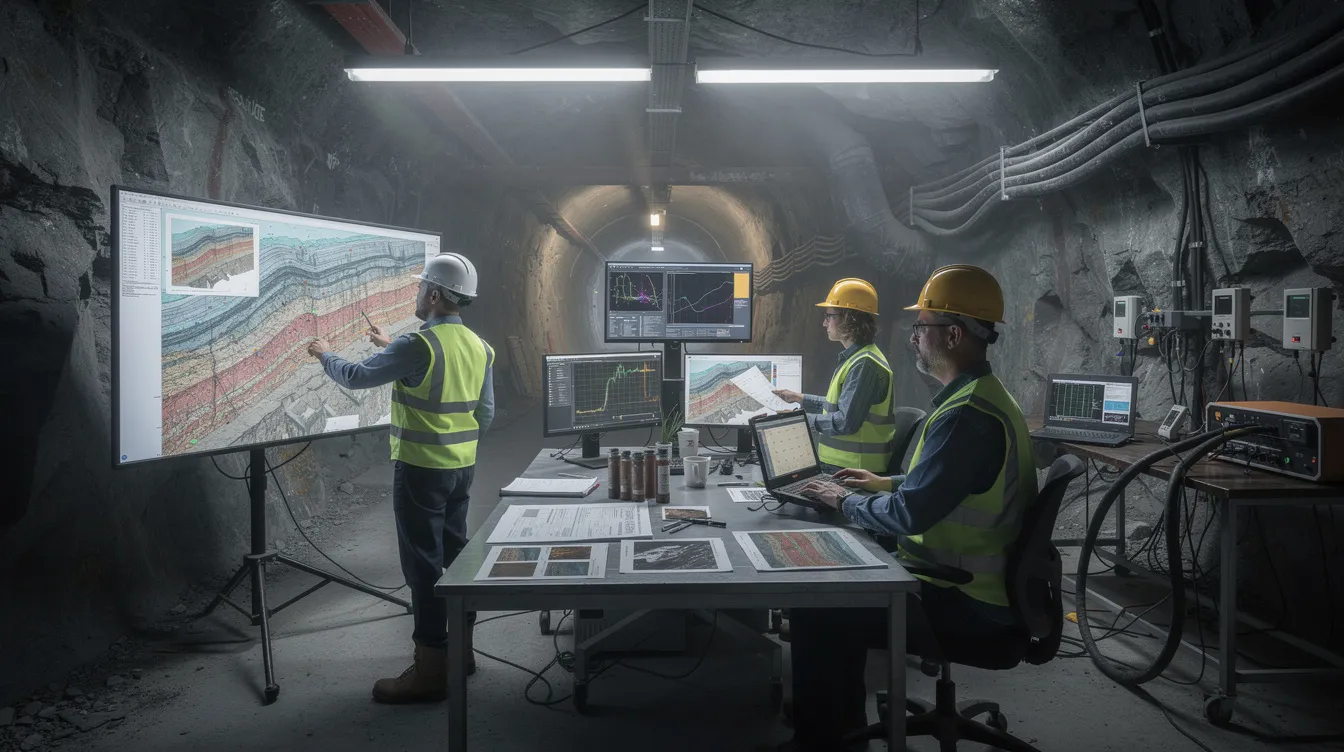
The supervision scope for public infrastructure underground works is orders of magnitude more demanding than standard building projects. Where a typical above-ground structure might require periodic site inspections at key milestones, underground construction demands continuous monitoring, real-time decision-making, and coordination across multiple stakeholders – all while managing risks that can propagate from construction disturbances into larger infrastructure failures.
Critical Inspection Points for Deep Excavation and Underground Works
Geological condition verification begins before any excavation and continues throughout construction. A comprehensive geotechnical site investigation – including boreholes, laboratory soil strength testing, consolidation analysis, and groundwater monitoring – establishes the baseline parameters against which all subsequent work is measured. During active excavation, supervisors must conduct real-time soil assessment, verifying that actual ground conditions match the geotechnical model. Unexpected geological conditions – pockets of weak soil, boulders, voids, or fill material – demand immediate engineering judgment.
Ground settlement and groundwater fluctuations must be monitored during construction through mandatory instrumentation plans. Instruments including inclinometers, extensometers, piezometers, and strain gauges track ground movements, vibration levels, groundwater pressure, and structural deflections. The Building Control Regulations prescribe alarm thresholds and corrective actions: if readings approach limits, the Supervising QP is responsible for determining whether works may continue or whether mitigation is required. High-density urban environments require careful utility mapping to prevent damage, and tight urban spaces complicate excavation and increase risks to existing structures.
Proximity monitoring for existing MRT tunnels and utility lines is particularly critical. For the Thomson-East Coast Line Phase 3, bore tunnels passed just 1.8 meters below the existing East-West Line, requiring pre-condition surveys and hybrid construction methodologies combining TBM and cut-and-cover approaches. Structural integrity checks for both temporary works and permanent installations – tunnel linings, segmental rings, shotcrete, piling, and diaphragm walls – must confirm compliance with LTA’s Infrastructure Design Criteria. Tunneling methods include TBM and NATM for underground projects, each with distinct supervision requirements for face pressure control, over-excavation monitoring, and support system verification.
Interface Management with Operating Systems
Supervisors need to manage operational interfaces to prevent disruptions during construction. Working near active MRT lines requires coordination with SMRT and SBS Transit, including demonstration of non-impact through surveys, buffer zones, and controlled face pressures. Underground construction projects in urban areas often work within tight spatial corridors, meaning that noise, vibration, and ground movement must be carefully managed to protect commuters and pedestrians using stations and infrastructure above.
PUB coordination for works affecting water supply and drainage infrastructure involves verifying that construction activities do not compromise existing pipe networks, drainage channels, or water treatment assets. Supervisors must check that construction activities do not harm existing public assets or services. Earth Control Measures are enforced to prevent silty wastewater discharge during construction, and environmental discharge and flooding risks must be managed throughout. The RMF (Risk Management Facilitator) ensures safety is integrated into project design, facilitating safety and health risk management sessions across all involved parties.
Documentation and Compliance Standards
The documentation burden for LTA/PUB underground works reflects their public safety implications. Under the Eighth Schedule of the Building Control Regulations, the Design QP must submit geotechnical plans that include: site investigation extent (layout, depth, tests), geotechnical parameters (soil shear strength, consolidation coefficient), tunnel excavation method and support system, construction sequence, face pressure calculations, modelling under water/seepage conditions, and loadings including surcharge and accidental loads.
Mandatory reporting frequencies depend on project type and phase. During critical tunneling operations, instrumentation data may be required hourly or in real-time; during non-critical construction phases, daily reporting is typical. All reports – monitoring data, method statements, inspection records, deviation logs – must be compiled into a supervisory report set and kept available as a clear review trail for authority review. Infrastructure projects require approvals from multiple regulatory agencies, and inadequate documentation leads to non-compliance, legal exposure, and potential project delays. The RMF prepares critical safety submissions for LTA projects and is responsible for maintaining the Hazard Register and closing out hazards during construction phases.
Civil engineering projects require compliance with Workplace Safety regulations, including the WSH (Design for Safety) Regulations 2015, which transformed construction safety by requiring hazard analysis at the design stage. Excavations deeper than 1.5 meters, or those with undercut banks, require adequate shoring or PE certification that the excavation is safe without it.
Practical Implementation of Underground Infrastructure Supervision
With the regulatory framework and supervision scope established, the practical question becomes: what does effective supervision look like on a daily basis, and how does it vary across project types? The answer depends on the specific underground works being carried out, but certain procedures are universal across all large infrastructure projects supervised by LTA and PUB.
Daily Supervision Procedures for the Project Manager
Daily supervision for underground infrastructure works follows a structured sequence designed to catch problems before they escalate. These procedures are critical for public safety because construction disturbances can propagate into larger infrastructure failures if not identified early.
-
Pre-work safety briefings and geological condition assessment: Before any shift begins, the resident engineer and site supervisors conduct briefings covering current ground conditions, instrumentation readings from the previous shift, weather conditions affecting groundwater, and any outstanding hazards. The RMF monitors and updates the Hazard Register during construction, ensuring that newly identified risks are communicated to all workers and subcontractors on site for safety and health awareness.
-
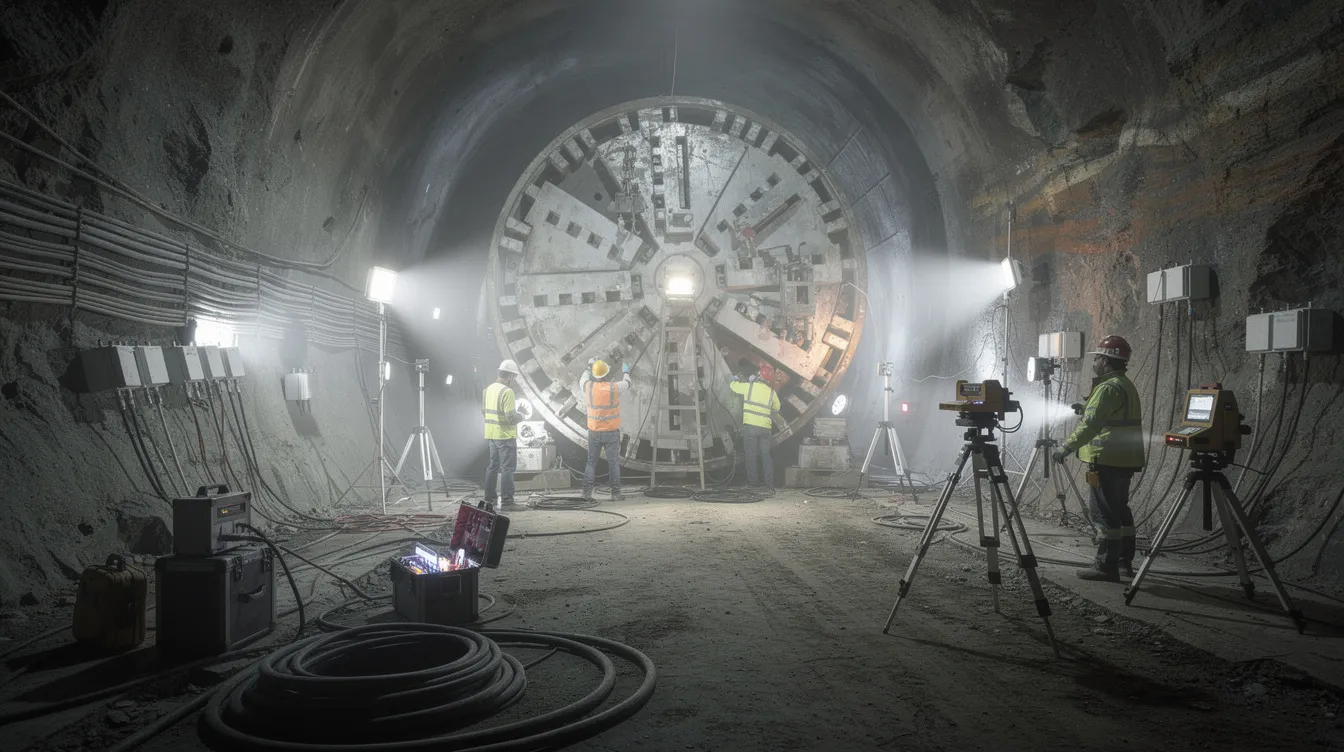
Real-time monitoring of excavation progress and structural conditions: During active deep excavation or tunneling, supervisors verify that face pressures, excavation volumes, and cutter head parameters remain within design limits. For TBM operations, continuous KPI monitoring is mandatory under BCA’s Specific Conditions of Permit. Piling and diaphragm walls are essential for underground structures, and their installation must be verified against design specifications at every stage. Temporary works – shoring, strutting, earth retaining structures – are checked to confirm they remain stable and properly loaded.
-
Interface verification with existing underground utilities and structures: Supervisors must coordinate with utility owners and confirm that construction activities remain within approved spatial envelopes. IMDA’s earthworks requirements mandate a 9-step process for works near underground telecommunications cables. Effective supervision is essential to avoid utility strikes and ground settlement that could affect existing buildings and infrastructure.
-
End-of-shift documentation and progress reporting to authorities: At shift end, monitoring data is compiled, compared against design predictions, and logged. Any deviations trigger QP involvement in approving changes or implementing corrective measures, while records are kept in a form that can support later review of claims related to variations, delays, or disputes. LTA and PUB supervise to protect existing and future infrastructure from construction activities, and this documentation forms the audit trail that demonstrates compliance.
Project Type Comparison
Different underground infrastructure projects demand different supervision approaches. The table below summarizes key differences that a project manager must understand when developing supervision strategies, including how supervision resources and manpower needs vary by project type:
|
Criterion |
MRT Tunneling |
Drainage Infrastructure |
Road Viaducts |
|---|---|---|---|
|
Supervision Frequency |
24/7 during TBM operations |
Daily during construction |
Daily with milestone inspections |
|
Key Risk Areas |
Ground settlement, tunnel stability, noise and vibration near stations |
Water table management, environmental discharge |
Traffic disruption, structural load on existing buildings |
|
Authority Interface |
LTA, SMRT coordination, BCA for geotechnical building works |
PUB, NEA approvals, BCA for structural submissions |
LTA, URA compliance, traffic management agencies |
|
Instrumentation |
Inclinometers, extensometers, piezometers, strain gauges – continuous |
Piezometers, settlement markers – periodic |
Settlement markers, load cells – milestone-based |
|
Typical PE Roles |
Design QP (Structural + Geotechnical), Supervising QP, Accredited Checker |
Design QP, Supervising QP, RMF |
Design QP, Supervising QP, Resident Engineer |
The choice of supervision approach must match the risk profile. For MRT tunneling through the Deep Tunnel Sewerage System corridor, for instance, the convergence of rail infrastructure, sewerage assets, and high groundwater creates a risk density that demands the most intensive oversight. The RMF oversees the Project Safety Review process for all these project types, ensuring that hazard identification evolves as construction progresses.
Infrastructure projects face public safety impacts and critical service continuity challenges that standard building projects rarely encounter. A ground settlement event near an operating MRT line doesn’t just affect the construction site – it can shut down rail services for hundreds of thousands of commuters. This is why rigorous supervision by authorities helps prevent structural failures and utility disruptions across Singapore’s dense urban environment.
Common Challenges and Solutions in Underground Infrastructure Supervision
Underground infrastructure supervision in Singapore presents challenges that are unique to the island’s geology, urban density, and regulatory complexity. Understanding these challenges – and developing systematic solutions – is what separates competent supervision from the kind that leads to incidents, delays, and legal liability.
Unexpected Geological Conditions
Singapore’s geology varies dramatically across short distances: marine clay in the east, Old Alluvium in the northeast, Bukit Timah Granite in the central region, and Jurong Formation sedimentary rocks in the west. Unexpected soil conditions – boulders in otherwise uniform clay, perched water tables, voids from decomposed limestone – require immediate assessment and response.
The solution involves robust geotechnical impact assessment during design, combined with flexible supervision protocols during construction. When unexpected conditions are encountered, the Supervising QP (Geotechnical) must immediately suspend operations in the affected zone, reassess soil parameters through additional investigation, and work with the Design QP to modify ERSS designs, face pressures, or support systems. Method statements must be updated, and the revised approach approved before work resumes. The RMF facilitates hazard identification sessions to ensure newly discovered risks are captured and mitigated – and the RMF ensures risks are mitigated before project completion.
Coordination with Multiple Authorities
Large infrastructure projects in Singapore routinely require simultaneous approvals from LTA, PUB, BCA, NEA, NParks, IMDA, and URA. Each agency has its own submission format, review timeline, and compliance standards. Without a collaborative and systematic approach, conflicting requirements can create gridlock that causes costly delays.
The solution is establishing a dedicated authority coordination function – often managed by the project manager or a senior resident engineer – that maintains a master submission schedule, tracks approval status across all regulatory agencies, manages interface and approval expectations with clients, monitors obligations and submission milestones arising under project contracts, and arranges joint inspections where possible. Safety submissions are critical for LTA project progression, and missing a submission window can delay construction by weeks and trigger downstream claims. PUB’s 14-working-day response target for DC/DP clearance provides a planning baseline, but complex underground works often require pre-consultation meetings with PUB and LTA technical officers to align expectations before formal submission.
Public Safety During Active Operations
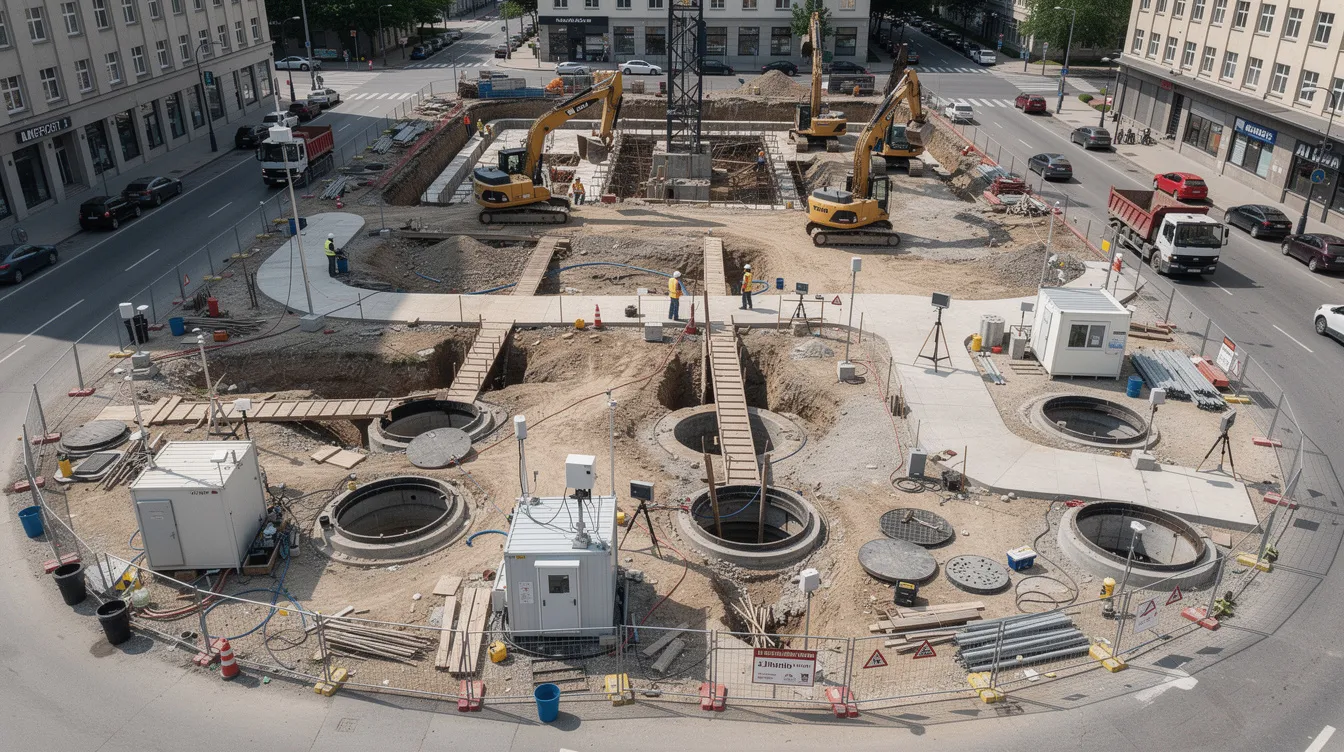
Working near operating MRT lines, active water mains, or busy road networks creates safety challenges that go beyond the construction site boundary. Vibration from piling can affect nearby stations; groundwater drawdown can cause settlement under existing buildings; a burst water main during excavation can flood a tunnel under construction.
Real-time monitoring systems – increasingly incorporating IoT sensors and digital dashboards – provide continuous data feeds that allow supervisors to detect threshold approaches before they become incidents. Emergency response procedures must be developed, rehearsed, and coordinated with SMRT, SBS Transit, and PUB operations teams. The RMF’s role is crucial for compliance with safety regulations, ensuring that emergency scenarios identified during risk assessment translate into actionable response plans with clear chains of responsibility and a clearly responsible lead during emergency response.
BCA’s September 2024 circular specifically reminded Design QPs and Supervising QPs (both structural and geotechnical) to fulfill their Eighth Schedule duties for safe tunneling works, including pipe jacking – an indication that the authorities are maintaining pressure on industry safety and health compliance. Looking ahead, PUB’s new Code of Practice on Coastal Protection (CPCOP), developed in 2026 under the forthcoming Sewerage, Drainage & Coastal Protection Act and effective from 2028, will add new requirements for underground works near coastal zones as Singapore addresses rising sea levels.
Conclusion and Next Steps
LTA PUB supervision for underground infrastructure represents the highest-stakes discipline in Singapore’s construction industry. The combination of complex geology, dense urban environments, proximity to critical operating systems, and stringent regulatory requirements creates a supervision challenge that demands specialized knowledge, continuous vigilance, and systematic documentation. Incidents like the Nicoll Highway collapse and the SMRT tunnel flooding fines demonstrate that the consequences of inadequate supervision extend far beyond budget overruns – they threaten lives, disrupt essential services, and carry severe legal penalties.
For Professional Engineers, contractors, and consultants involved in underground infrastructure projects, the immediate actionable steps are:
-
Verify PE qualifications meet LTA/PUB requirements – confirm registration status, specialist PE (Geotechnical) appointment where required, practising certificate validity, and minimum qualification and experience thresholds
-
Establish authority coordination protocols – develop a master submission schedule covering LTA, PUB, BCA, and all relevant agencies to avoid delays in approvals
-
Implement robust documentation and monitoring systems – ensure instrumentation plans, reporting frequencies, threshold response procedures, and each authority-ready report meet Eighth Schedule requirements
-
Develop emergency response procedures – coordinate with rail operators, utility companies, and safety stakeholders on incident response, with clear parties responsible for escalation and regular rehearsals
Related topics worth exploring include temporary works design for underground construction, BCA structural design approvals and submission processes, the role of the Accredited Checker in complex projects, and ongoing professional development requirements for PEs working in underground civil engineering.
Additional Resources
-
LTA Transport Infrastructure Design Criteria and Specifications: The primary reference for design and construction teams working on LTA projects, including the latest Civil Design Criteria, Materials & Workmanship Specifications (Rev A2, December 2025), and Standard Details of Road Elements (Rev I, March 2026)
-
PUB Qualified Person Submission Guides: Step-by-step guides for DC, DP, and TOP/CSC clearance processes, including simplified submission criteria for minor works
-
PEB Professional Engineer Registration Requirements: Details on the four-year experience pathway, examination requirements, and practising certificate obligations for engineers seeking registration
-
Building Control (Amendment No.2) Regulations 2008: The statutory basis for Design QP and Supervising QP duties in underground geotechnical building works, including the Eighth Schedule requirements for tunnels exceeding 2 meters
-
Singapore Standards for Geotechnical Investigation: Updated SS ISO 17892 series and SS EN 1997 (Eurocode 7) adoption for geotechnical design parameters and laboratory testing standards