





Most homeowners reach a point where their living space looks acceptable but does not actually function for them. The furniture is fine, the colors are inoffensive, and yet daily life still generates friction. Dishes end up in the wrong room, natural light hits no surface that needs it, and nothing feels intentional. Designing purposeful interiors requires more than picking a style from a catalog. It means choosing interior design styles purposeful spaces can be built upon, where every material, color, and layout decision supports how you genuinely live. This article examines the styles and principles that accomplish exactly that.
Table of Contents
- Key Takeaways
- 1. Key criteria for evaluating interior design styles
- 2. Japandi style as a model for purposeful minimalism
- 3. Scandinavian style prioritizing functional clarity
- 4. Designing aging-in-place interiors with warmth and flexibility
- 5. Intentional living through interior design
- My perspective on purposeful interior design
- Take the next step with professional design guidance
- FAQ
Key Takeaways
| Point | Details |
|---|---|
| Function precedes aesthetics | A purposeful space supports daily habits and reduces friction before it pursues visual appeal. |
| Style selection is personal | The right interior design style aligns with your lifestyle, values, and sensory preferences, not current trends. |
| Lighting defines atmosphere | Multiple layered light sources at varied heights shape mood and comfort more than any single fixture can. |
| Clutter affects physiology | Cluttered spaces correlate with elevated cortisol levels, making decluttering a health decision, not just an aesthetic one. |
| Adaptability extends longevity | Spaces designed with spatial generosity and flexible layouts continue to serve occupants as needs change over time. |
1. Key criteria for evaluating interior design styles
Before committing to any particular aesthetic direction, it helps to apply a consistent evaluative framework. Not all styles that look appealing in photographs translate into functional, intentional living spaces when you actually inhabit them day to day.
A function-first mindset treats every design decision as a hypothesis. Does this sofa placement support conversation or obstruct movement? Does this shelf height work for the person who uses it most often? These are the questions purposeful design demands.
Four criteria are worth applying to any style you consider:
- Sensory integration: Does the style account for natural light, acoustic comfort, and material texture in ways that feel restorative rather than stimulating?
- Spatial adaptability: Can the layout accommodate changing needs without requiring structural intervention?
- Cognitive clarity: Does the style’s visual language reduce clutter and allow the eye to rest, rather than creating constant visual demands?
- Personal alignment: Does the style reflect how you actually live, not the version of yourself you aspire to on design platforms?
Intentional spaces reduce friction and mental noise, directly aiding cognitive function and wellbeing. That is a measurable outcome, not a decorating preference.
Pro Tip: Before selecting any interior design style, spend one week noting where friction occurs in your home. Which surfaces collect clutter by default? Which areas feel uncomfortable at different times of day? Those observations are more reliable guides than any mood board.
Avoiding visual and cognitive clutter also connects to functional home decor principles applied in professional environments. Homes that follow the same logic, where each object earns its place, consistently outperform visually busy spaces in terms of occupant wellbeing and daily ease.
2. Japandi style as a model for purposeful minimalism
Japandi is arguably the most discussed modern interior style of the past decade, and for legitimate reasons. Search interest grew over 4,000% between 2019 and 2023, reflecting a documented cultural shift toward functional, nature-inspired spaces.
The style combines Japanese wabi-sabi philosophy, which finds value in imperfection and impermanence, with Scandinavian hygge, which prioritizes warmth and sensory ease. The result is a design approach that resists excess without feeling cold.
Core Japandi characteristics include:
- Restricted warm neutral palette: Clay tones, warm whites, muted greens, and dark charcoal replace both stark white and pattern-heavy color schemes.
- Natural and handcrafted materials: Bamboo, rattan, linen, and raw ceramic introduce organic texture that no synthetic material can replicate.
- The three-object surface rule: No surface holds more than three objects. This single discipline eliminates most of the visual noise that makes rooms feel unsettled.
- Low-level layered lighting: Floor lamps, table lamps, and pendant lighting replace single overhead fixtures to create atmosphere through varied sources.
Practically, Japandi works particularly well in smaller residential units where the effective use of small spaces requires every piece to carry functional weight. A low-profile oak bed frame with integrated storage, a single ceramic bowl on a console table, and a linen curtain filtering morning light are all the room needs.
Pro Tip: Start a Japandi conversion by removing everything from one surface and returning only what you actively use. Resist the impulse to fill the gap. The empty space itself becomes a design element.
3. Scandinavian style prioritizing functional clarity
Scandinavian design is frequently misread as “lots of white with some wood.” That description misses the actual logic driving it. True Scandinavian minimalism is a rigorous editing process: every item selected must serve a clear purpose, making rooms easier to read, inhabit, and maintain.
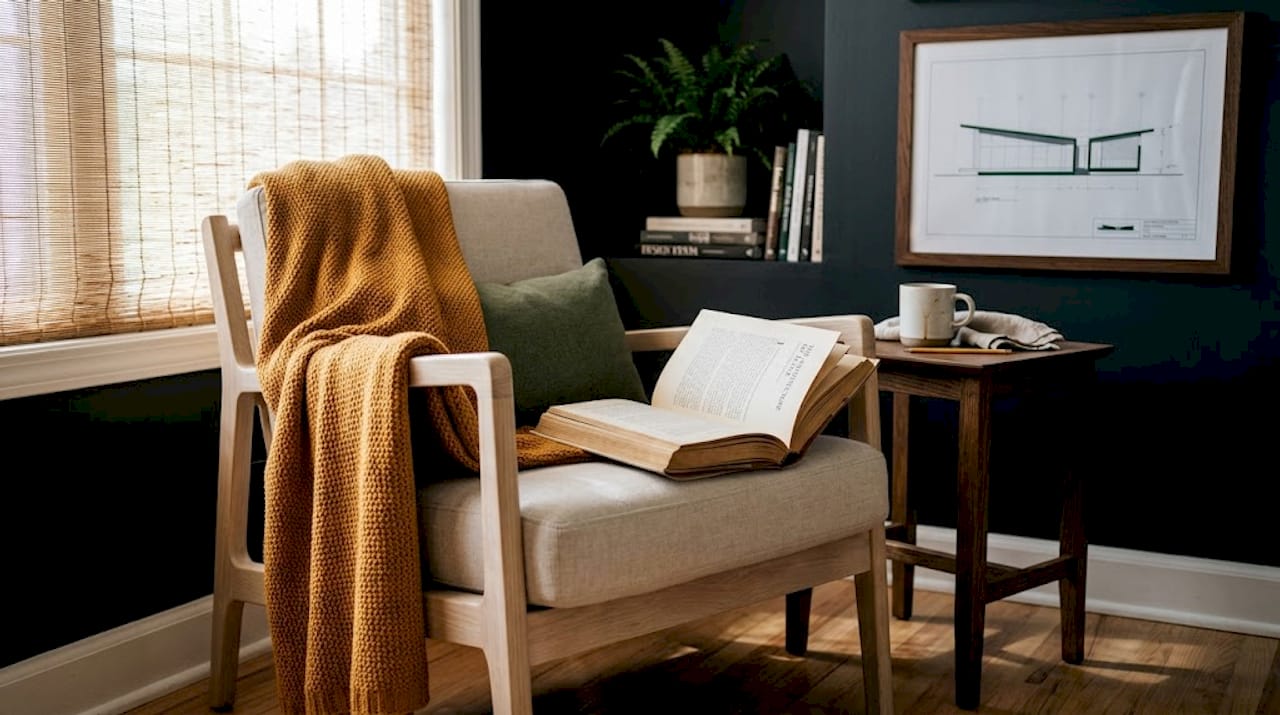
The style emerged from climates where winters are long and dark. That context explains two of its most deliberate characteristics: material honesty and lighting strategy.
Material honesty means selecting wood, wool, linen, and leather because these materials age well, feel good under the hand, and improve with use rather than degrading. They connect occupants to sensory experience in ways that flat, synthetic surfaces do not.
Lighting in Scandinavian interiors is a studied discipline. Layered lighting at varied heights creates a physical sense of ease that a single overhead fixture cannot produce. A floor lamp in the corner, a pendant above the dining table, and a candle on a side table create an environment that signals rest and comfort.
| Design Element | Scandinavian Approach | Common Mistake |
|---|---|---|
| Color palette | Warm whites, pale grays, natural wood tones | Stark, cold whites that flatten the space |
| Furniture selection | Durable, honest materials with clean lines | Trendy pieces that deteriorate quickly |
| Lighting | Multiple layered sources at different heights | Single overhead fixture for all tasks |
| Spatial layout | Deliberate negative space supporting flow | Filling every corner to maximize use |
| Textiles | Wool throws, linen cushions, natural rugs | Synthetic fabrics that reduce tactile warmth |
Furniture arrangements in Scandinavian spaces prioritize conversation and traffic flow over symmetry. Sofas face each other rather than facing the television. Dining tables are sized for actual use, not aspirational entertaining. The style addresses real living conditions with practical solutions.
4. Designing aging-in-place interiors with warmth and flexibility
Purposeful design must account for how needs evolve over time. Aging-in-place design applies this principle formally, but its lessons are relevant to any homeowner who plans to remain in their space for more than a decade.
The most common failure in this category is defaulting to clinical aesthetics: grab bars that look institutional, oversized clearances that disrupt visual proportion, and materials chosen purely for compliance rather than comfort. This approach treats accessibility as a problem to solve rather than a design quality to integrate.
FELT’s Home for Life project demonstrated what dignified aging-in-place design actually looks like: spatial generosity, warm material choices, and flexible layouts that support evolving needs without announcing themselves as adaptive.
Key principles for intentional, adaptable living spaces:
- Wider doorways and circulation paths designed into the original layout rather than retrofitted later
- Lever handles and push-pull hardware that function for occupants across all age ranges and mobility conditions
- Material warmth over clinical neutrality: Timber floors, textured walls, and layered soft furnishings maintain emotional resonance while supporting practical function
- Flexible room designations: Spaces designed without rigid single-use purposes can shift from home office to guest room to care room as circumstances require
“Accessibility in home design should be flexible and dignified, avoiding clinical aesthetics and supporting the evolving needs of its occupants.”
Intergenerational needs can be incorporated naturally when the design philosophy starts from spatial generosity rather than minimum compliance. Stellar Structures addresses this principle through adaptable design strategies that balance long-term function with architectural quality.
5. Intentional living through interior design
Intentional living is not a design style in the traditional sense. It is an operating principle that governs how you interact with your space day to day. The physical environment either supports that operating principle or actively undermines it.
The physiological dimension is documented and specific. Cluttered spaces elevate baseline cortisol throughout the day, meaning that visual noise is not just aesthetically unpleasant. It is a biological stressor affecting mood, focus, and emotional regulation.
Designing intentional living spaces involves five concrete practices:
- Assign restoration zones. Designate at least one area in the home where no work objects, screens, or task-related items are permitted. The nervous system responds to spatial cues as reliably as to behavioral ones.
- Design for energy flow across the day. Morning spaces benefit from east-facing natural light and hard surfaces that promote alertness. Evening spaces benefit from warm artificial light, soft textures, and reduced visual complexity.
- Apply possession limits by category. Setting a maximum count for items in each category, cookware, books, linens, prevents gradual accumulation that eventually overwhelms the space.
- Anchor daily routines spatially. Placing everything required for a morning routine within a single, well-organized zone removes the decision-making friction that erodes motivation before the day has started.
- Practice mindful consumption before acquisition. Daily micro-habits and spatial limits prevent clutter from forming in the first place, which is substantially less effort than periodic purges.
Personal alignment sits underneath all of these practices. A space that reflects your actual values and habits, rather than an aspirational identity assembled from design references, will always function better than one that does not. Exploring sustainable, intentional materials is one path toward building that alignment into the physical fabric of a home.
Pro Tip: Walk through your home at the end of a typical day and note which areas feel settled and which feel chaotic. The pattern reveals where your current layout is working against your habits rather than supporting them.
My perspective on purposeful interior design
I’ve spent considerable time observing how people actually inhabit designed spaces, and the gap between what looks good in a photograph and what supports genuine daily life is wider than most design coverage acknowledges.
The most common misconception I encounter is that purposeful design means stripped-down spaces with very little in them. Purposeful does not mean empty. It means that everything present earns its place, whether through functional utility, emotional significance, or sensory contribution. A room with twenty well-chosen objects can be more purposeful than a room with three objects selected only for visual effect.
What I’ve found actually makes the largest difference in day-to-day quality of life is lighting. Not the fixtures themselves, but the layered combination of sources. People underinvest in lighting consistently, spending significant money on furniture and almost nothing on building a lighting system that makes the furniture worth looking at.
The other insight worth stating plainly: start smaller than you think you need to. Pick one room, apply the principles of clarity and intentionality with discipline, and live in it for a month before touching anything else. That iterative approach produces better results than whole-home transformations that never quite settle into coherent function.
— Aman
Take the next step with professional design guidance
Translating these principles into your actual home requires more than inspiration. It requires precise spatial analysis, material specification, and an understanding of how architectural decisions affect daily function over years, not just at handover.
Stellar Structures brings engineering precision and design expertise together for residential and commercial projects across Singapore. Their architectural and interior design services address the full spectrum from structural layout to material selection, with a consistent focus on functional harmony and long-term adaptability. Whether you are working through a rebuild, a retrofit, or a new build, the team at Stellar Structures applies the same purposeful design methodology this article describes. For clients who want spaces that genuinely serve their lives, professional guidance makes the difference between a space that looks right and one that actually works.
FAQ
What makes a space “purposeful” in interior design?
A purposeful space is one designed to actively support its occupants’ daily habits, comfort, and emotional wellbeing, rather than simply meeting aesthetic standards. Every element, from layout to materials to lighting, serves a defined functional or sensory role.
Which interior design style is most practical for small spaces?
Japandi and Scandinavian styles both perform well in smaller units because their editing disciplines prevent visual overcrowding and prioritize multi-functional furniture. The three-object surface rule and layered lighting techniques are particularly effective for the effective use of small spaces.
How does lighting affect the function of interior spaces?
Lighting shapes both mood and utility. Multiple light sources at varied heights create atmosphere and support different activities throughout the day, while a single overhead fixture provides neither the flexibility nor the comfort that purposeful spaces require.
Can aging-in-place design be aesthetically pleasing?
Yes. Projects like FELT’s Home for Life demonstrate that accessible design integrated with warmth and natural materials can meet functional requirements without any clinical appearance. The key is designing adaptability into the original layout rather than adding it as a retrofit.
How do I start designing a more intentional living space?
Begin by auditing friction in your current home: where clutter accumulates, where light falls short, and where daily routines break down. Address the highest-friction point first with targeted layout and storage changes before revising the broader aesthetic.
Recommended
- Interior Design for Office Space That Works – Stellar Structures
- Architectural Design for Commercial Buildings – Stellar Structures
- Best Architectural Residential Design – Stellar Structures
- Case Study: Converting High-Ceiling Industrial Units into Functional Mezzanine Offices.