




Introduction
When BCA issues a PFI Stage 2 letter for your building, it means the periodic facade inspection has identified defects classified as “Require Repair” or “Unsafe”-and your MCST or building management must now engage a certified Competent Person (CP) to oversee detailed investigation, manage façade repairs, and submit compliance reports to the Building and Construction Authority. This is not optional. It is a legally mandated process under the Building Control Act, and delays can result in fines, stop-work orders, or legal proceedings.
This guide covers everything MCSTs and building owners in Singapore need to know about PFI Stage 2: what triggers it, how to select and appoint the right competent person CP, the full repair management process, BCA submission requirements, and how to manage costs and timelines. Whether you manage residential buildings, non residential buildings, or industrial buildings, this guidance applies to any structure caught by the periodic façade inspection PFI inspection regime.
A direct answer: A PFI Stage 2 inspection requires the immediate appointment of a registered professional engineer (civil or structural) or registered architect who holds BCA’s Certificate in Façade Inspection. This appointed competent person must conduct a full façade investigation, specify and supervise repair works, and submit a compliance report to BCA certifying that all critical defects have been rectified and the building facade is safe.
By reading this guide, you will understand:
-
What triggers a Stage 2 inspection and how it differs from Stage 1
-
Legal obligations and timeline pressures for MCSTs and building owners
-
How to evaluate and appoint a qualified CP for Stage 2 remedial work
-
The step-by-step repair management process from investigation to BCA certification
-
Budget planning, timeline management, and solutions for common challenges
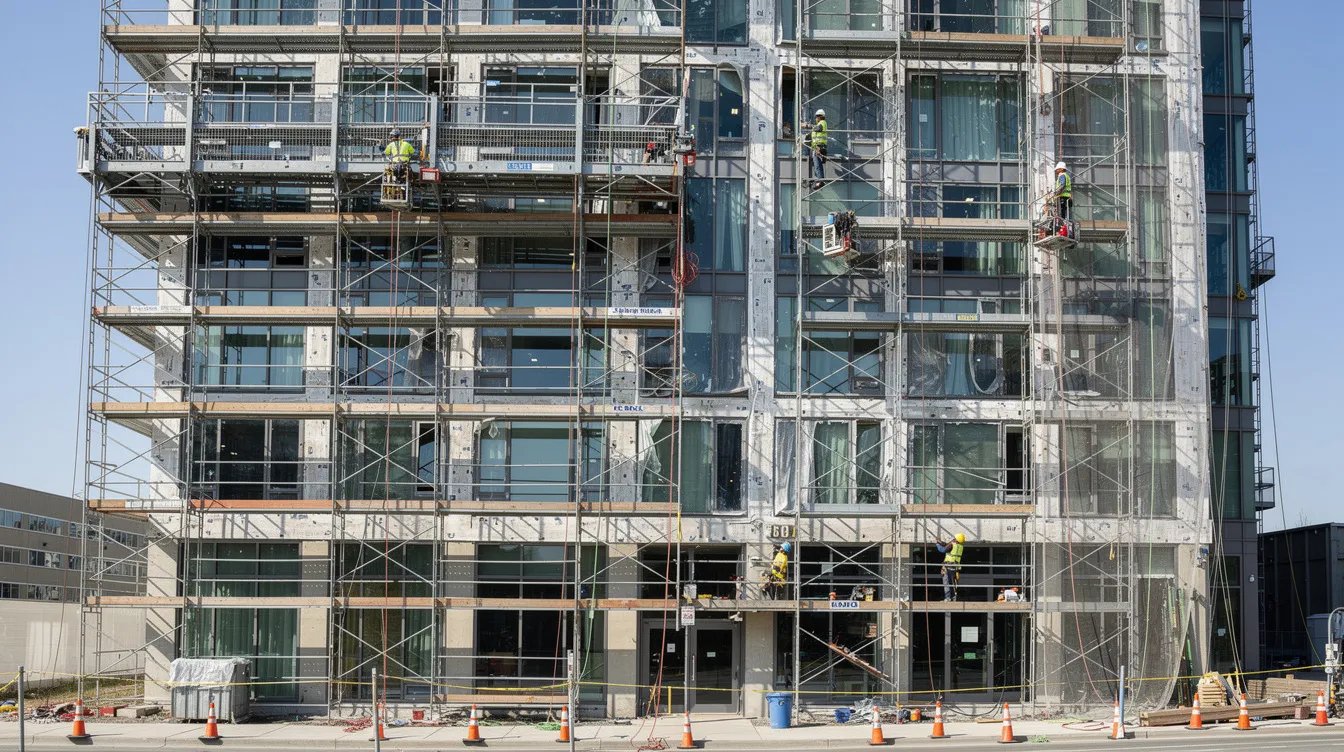
Understanding Periodic Façade Inspection (PFI) Stage 2 Inspection Requirements
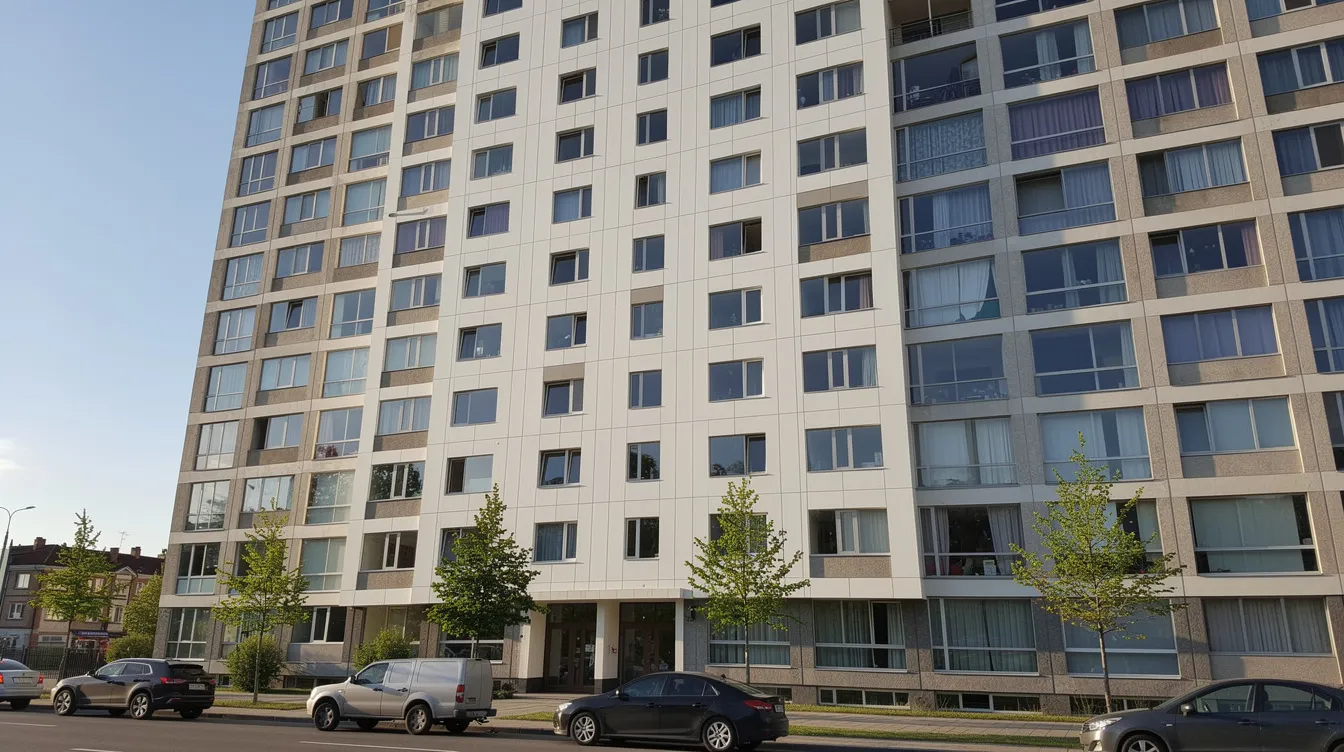
The periodic facade inspection PFI regime was mandated by Singapore’s construction authority BCA in 2021 and became mandatory on January 1, 2022. Under this comprehensive framework, buildings over 20 years old and taller than 13 metres must undergo facade inspections every seven years. The PFI regime applies broadly across Singapore’s built environment-covering condominiums, commercial towers, industrial buildings, and mixed-use developments. Excluded are terraced or linked houses, semi detached houses, and temporary buildings.
Stage 1 involves a full visual inspection of all building façades (100% coverage) combined with a close range inspection of at least 10% of each elevation. Inspectors use tactile and non-destructive tools like rubber mallets, metal detectors, and borescopes to identify visible defects and concealed issues such as hollowness or internal corrosion. Inspectors must classify findings as Safe, Require Repair, or Unsafe.
Stage 2 is triggered when those Stage 1 inspection findings reveal advanced facade deterioration or other defects that are extensive, systemic, or pose immediate risk to public safety-requiring a full façade investigation and supervised repair works before the building can achieve compliance.
When BCA Issues a Stage 2 Notice
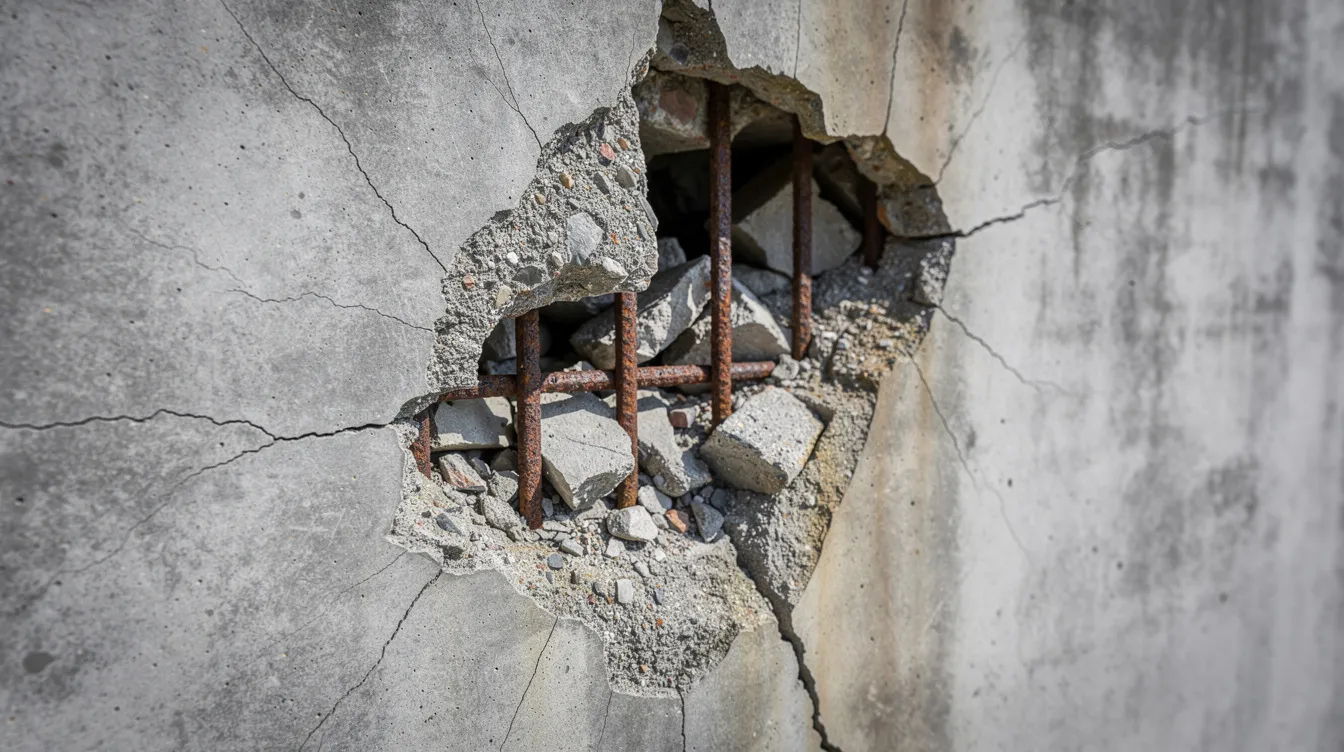
BCA issues a Stage 2 requirement when the CP’s Stage 1 report identifies critical defects: widespread spalling concrete, failed anchorages, significant tile delamination, corroded metal fixings that can release cladding panels and facade elements, or any condition posing a falling debris hazard. Nearly 30 reports of falling façade elements are received annually by BCA, underscoring why the regulatory authority takes these findings seriously.
Specific circumstances that escalate to Stage 2 include:
-
Multiple façade areas with defects identified as “Require Repair” or “Unsafe”
-
Evidence of systemic failure patterns (e.g., adhesive failure across entire elevations)
-
Inadequate Stage 1 reporting that leaves safety questions unresolved
-
Unsafe conditions that must be reported immediately to authorities
Upon receiving a Stage 2 notice, building owners must act without delay. CP appointment should follow within days-BCA sets strict deadlines, and where unsafe conditions exist, emergency timelines apply. The BCA inspection notice will specify compliance deadlines that your MCST must meet.
Legal Obligations for Building Owners and MCSTs
The Building Control Act mandates façade inspections in Singapore and places the burden of regulatory compliance squarely on building owners. Building owners are legally responsible for facade safety compliance-this responsibility cannot be delegated or deferred.
Key statutory obligations include:
-
Immediate action is required if an unsafe condition is found-the CP must notify the Commissioner of Building Control and implement safety measures such as cordoning off zones and installing protective covers
-
Building owners must appoint a BCA-Approved Competent Person to manage the entire Stage 2 process
-
Owners must submit inspection reports to the BCA after assessments, and completion reports after remedial works
-
Non-compliance can lead to stop-work orders, and building owners face fines for failing to comply with inspections
-
Failure to rectify defects can lead to legal proceedings under the Building Control Act
For MCSTs, decision-making for emergency repairs may require expedited council resolutions. Waiting for an AGM is not acceptable when public safety is at stake. The MCST must be prepared to authorize CP appointment and initial repair budgets through emergency provisions.
Selecting and Appointing a Competent Person for Stage 2 Inspections
Stage 2 work demands more than a routine inspection-it requires a CP with deep expertise in remedial façade engineering, contractor coordination, and BCA compliance reporting. The quality of your CP selection directly determines the efficiency and outcome of the entire process.
CP Certification Requirements for Stage 2 Work
A Competent Person must be a registered Professional Engineer (civil or structural engineering) with the Professional Engineers Board, or a Registered Architect with the Board of Architects. Beyond this baseline registration, inspectors must hold a Certificate in Façade Inspection from BCA Academy. Without this certification, a professional engineer or architect cannot legally carry out periodic facade inspection work.
A facade inspector assists under the Competent Person’s supervision as part of the inspection team. These façade inspector professionals are accredited via the IES-ACES-BCA Joint Accreditation Committee and must also pass the Certificate in Façade Inspection course. Together, the CP and the inspection team form the professional assessment structure required for Stage 2 compliance.
Critically, the CP should have no professional or financial interest in the building-they must not be the original designer, constructor, or have any vested financial conflict that could compromise their thorough assessment.
Evaluating CP Experience with Remedial Works
For Stage 2 specifically, prioritize CPs with proven track records in managing façade repair projects. Key experience indicators include:
-
Portfolio of completed Stage 2 investigations on buildings of similar age, height, and construction type
-
Hands-on expertise with specific defect categories: concrete spalling occurs due to reinforcement corrosion and moisture exposure, tile delamination is a major risk from adhesive failure in Singapore’s climate, sealant failure allows water infiltration causing internal damage, and corroded metal fixings present falling hazard risks
-
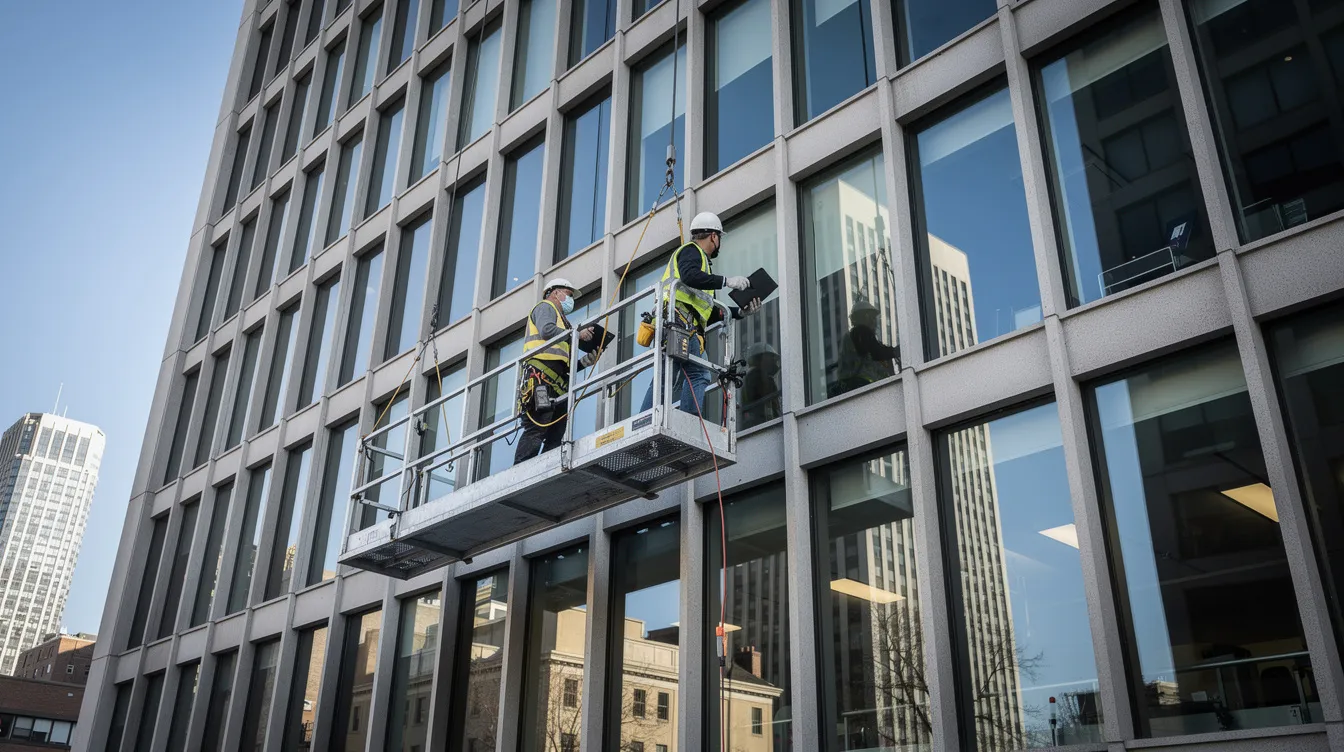
Contractor coordination experience, including managing rope access technicians, MEWP operators, and specialized repair teams
-
Familiarity with aging building stock-since buildings requiring PFI are 20+ years old, the CP must understand material deterioration patterns common to Singapore’s tropical climate
-
Track record of BCA submission approvals without significant revision requests
Professional Indemnity and Insurance Coverage
Stage 2 CP appointments carry significant liability. The CP must carry Professional Indemnity Insurance (PI) that covers errors in inspection findings, remedial specifications, and any liability arising from façade failure post-certification. Request evidence of current PI coverage before appointment.
Additionally, any contractors engaged for repair works should maintain public liability insurance and workmanship warranties-particularly important for works near public areas where facade elements could pose falling hazards at ground level and beyond.
The Stage 2 Inspection and Repair Management Process
Stage 2 differs fundamentally from initial assessment. Where Stage 1 identifies problems, Stage 2 is an inspection process that moves from detailed investigation through engineered repair supervision to compliance certification. The appointed competent person manages this entire system from start to finish.
Detailed Defect Investigation and Assessment
The CP begins by compiling all available documentation. Historical repair logs and architectural drawings should be compiled before inspections, along with approved building plans, previous inspection reports, and maintenance records. Where records are missing-common with older buildings-the CP must reconstruct structural details through survey, selective removal of facade elements, or non-destructive testing.
The full investigation then proceeds with:
-
Material testing: Laboratory testing of concrete cores, metal corrosion analysis, adhesive bond strength testing on tiles, and sealant integrity analysis
-
Structural analysis: Assessment of structural elements, load-bearing capacity of façade supports, and analysis of surrounding concrete condition
-
Anchor and fixing tests: Pull-tests and load tests for brackets, anchors, and mechanical fixings
-
Selective removal: Where specialized tools like borescopes cannot adequately inspect concealed supports, selective removal of panels or cladding sections may be necessary
-
Evidence mapping: All defects should be mapped including cracks and sealant separation, with each defect photographed, location-tagged, and severity-rated
A minimum of 10% of each facade must undergo close-range inspection during the investigation phase, though the CP typically inspects a much higher percentage for Stage 2 given the known severity of defects. The CP must then submit an interim report and application for full investigation approval to the Commissioner of Building Control.
Repair Specification and Contractor Selection
Based on investigation findings, the CP prepares detailed repair specifications and method statements. Repair specifications should cover material removal, substrate preparation, and waterproofing details for each defect type encountered. Typical repair scopes for Stage 2 include:
-
Concrete spall patching and reinforcement treatment
-
Anchor and fixing replacement or supplementary installation
-
Sealant strip-out and reapplication
-
Waterproofing membrane installation
-
Panel or tile replacement for delaminated sections
-
Corrosion treatment for structural elements and exterior walls
Contractor pre-qualification is essential. The CP should evaluate contractors based on:
|
Criterion |
What to Verify |
|---|---|
|
Façade repair track record |
Completed projects of similar scope and building type |
|
Access capability |
Rope access, MEWP, scaffolding competency and certifications |
|
Safety record |
Workplace safety certifications and incident history |
|
Material sourcing |
Ability to source compliant repair materials with warranties |
|
Insurance coverage |
Public liability and workmanship insurance |
|
Capacity and timeline |
Crew size and ability to meet project schedule |
The CP oversees contractor selection but does not typically engage the contractor directly-the MCST or building management holds the contractual relationship, with the CP providing professional assessment and quality oversight.
Construction Supervision and Progress Monitoring
Inspection and repair processes must adhere to guidelines from the Building and Construction Authority throughout the construction phase. The CP’s supervision responsibilities include:
-
Regular site inspections of high-risk repair areas, with particular attention to anchor installations and structural fixings
-
Progress documentation through dated photographs with location tagging, annotated drawings, and interim inspection reports
-
Safety measures verification: Confirming scaffolding integrity, safety nets, public cordons, and falling object protection are maintained throughout
-
Quality control: Testing repair materials on-site, verifying application methods match specifications, and ensuring workmanship meets required standards
-
Interim safety measures: Owners must provide safe physical access to all elevations during facade inspections and repair works, and temporary protection must remain in place until permanent repairs are completed
The CP should coordinate with building management to minimize disruption to residents or tenants. For high-rise buildings, this often means sequencing work by elevation to keep some building access points operational at all times.
Compliance Testing and Final Certification
After all repair works are completed, the CP conducts post-repair verification:
-
Integrity testing of new fixings and anchors (pull-tests, load tests)
-
Visual and tactile inspection of all repaired areas
-
Verification that every item in the repair specification has been executed
-
Assessment of structural integrity of the overall façade system
The CP then prepares the final façade safety compliance report using BCA’s prescribed templates and submits it to the Commissioner of Building Control. This report must demonstrate that all defects identified during Stage 2 investigation have been rectified to the required standard and that the building facade no longer poses risks to public safety.
Upon BCA’s acceptance, the building achieves compliance-and the seven-year periodic inspection cycle resets.
Managing Costs and Timeline for Stage 2 Repairs
Stage 2 repairs represent a significant financial and logistical commitment. Proactive planning by MCSTs and building owners prevents cost escalation and compliance deadline breaches.
Budget Planning for Emergency Repairs
Cost estimation for Stage 2 work should account for:
-
Investigation costs: Material testing (laboratory testing of concrete cores, metal analysis), access equipment rental, CP professional fees
-
Repair construction costs: Vary significantly based on defect severity, materials involved, building height, and access difficulty. Concrete repair, metal fixings replacement, and waterproofing typically carry higher unit costs
-
Contingency budget: MCSTs should budget a 10–20% contingency because investigations frequently reveal hidden defects not visible during Stage 1-façade deterioration often extends deeper than initial findings suggest
-
CP supervision fees: Ongoing professional fees for construction oversight and compliance reporting
MCSTs must navigate their own approval processes for funding. For urgent facade repairs where public safety is at risk, emergency funding mechanisms should be invoked rather than waiting for standard budget approval cycles. The MCST approval process should be streamlined for these situations.
Project Timeline Management
A typical Stage 2 timeline from CP appointment through BCA compliance submission can span several months to over a year, depending on scale:
-
CP appointment and mobilization: 1–2 weeks
-
Detailed investigation and interim report: 4–8 weeks
-
BCA approval for full investigation: 2–4 weeks
-
Repair specification and contractor tendering: 4–6 weeks
-
Construction and repair execution: 8–24 weeks (varies significantly)
-
Post-repair testing and final CP certification: 2–4 weeks
-
BCA submission and acceptance: 2–4 weeks
Weather significantly impacts timelines-Singapore’s tropical climate with monsoon seasons can halt exterior works for extended periods. Access constraints in dense urban surroundings, building height, and adjacency to public areas also cause delays. The CP should build these factors into the critical path from the outset, ensuring that compliance can be achieved in a timely manner.
Common Challenges and Solutions
MCSTs and building owners frequently encounter predictable obstacles during Stage 2 compliance. Early detection of these issues and pre-planned solutions dramatically improve outcomes.
Delays in CP Appointment and Contractor Mobilization
The most common delay occurs at the very start-MCSTs struggling to identify, evaluate, and formally appoint a qualified CP while simultaneously sourcing contractors.
Solution: Maintain a pre-approved panel of CPs and façade repair contractors for emergency response. If your building is approaching its periodic inspection cycle (buildings over 20 years old require inspections every seven years), begin shortlisting CPs before the BCA notice arrives. Streamline MCST approval processes so that urgent repair decisions can be authorized within days, not weeks.
Cost Overruns During Repair Works
Stage 2 projects are particularly prone to cost escalation because the full extent of material deterioration is often unknown until façade elements are removed and structural elements exposed.
Solution: Require detailed cost breakdowns in all contractor proposals, with clearly defined change order approval processes. For major repair projects, engage an independent Quantity Surveyor to verify pricing and manage variations. The CP should provide realistic cost scenarios-including worst-case projections-during the investigation phase so the MCST can secure adequate funding upfront.
BCA Submission Delays and Documentation Issues
Incomplete or poorly organized documentation is a frequent cause of rejected or delayed BCA submissions, extending the compliance timeline and potentially exposing building owners to enforcement action.
Solution: Establish clear documentation standards and submission checklists with the appointed competent person from day one. The CP should use BCA’s official templates (PFI Report Template, Completion of Remedial Works Report template) and maintain a comprehensive defect register with high-resolution photographs, annotated drawings, and dated records throughout the entire process. Schedule regular progress reviews-monthly at minimum-to ensure inspection reports and remedial documentation are being compiled concurrently with the work, not retrospectively.
If a CP change occurs mid-process, formal notification to BCA must be made within seven days, and the incoming CP must review all existing documentation before continuing.
Conclusion and Next Steps
Successful PFI Stage 2 compliance hinges on two factors: the speed of your initial response and the quality of your appointed competent person. Periodic façade inspections prevent falling debris hazards, and façade inspections help maintain property value and public safety-but only when building owners treat Stage 2 requirements with the urgency they demand.
Your immediate action steps:
-
Verify CP credentials – Confirm registration as a professional engineer or registered architect, Certificate in Façade Inspection, Professional Indemnity Insurance, and relevant remedial works experience
-
Authorize emergency budget – Secure MCST approval for investigation costs and initial repair estimates, including contingency
-
Compile building records – Gather approved building plans, architectural plans, previous inspection reports, and maintenance histories for the CP
-
Ensure safe access – Coordinate with building management to provide access equipment and clear access to all elevations
-
Establish documentation protocols – Agree on reporting standards, submission timelines, and progress review schedules with your CP from the outset
For broader context on maintaining your building’s structural integrity beyond façade compliance, explore guidance on structural retrofitting of aging infrastructure and the relationship between periodic structural inspections and façade safety. Early detection through proactive building lifecycle management remains the most cost-effective strategy for Singapore’s aging building stock.
Additional Resources
-
BCA Periodic Façade Inspection guidelines and submission forms – Official templates, e-forms (BCA_BR_PFI01), and compliance checklists
-
BCA CP Guidelines PDF – Detailed requirements for Competent Persons conducting façade inspections
-
Facade inspection standards for Singapore buildings – Current 2026 standards and compliance requirements
-
Drone facade inspection guidance – BCA-accredited UAS operators and Technical Reference TR78:2020 specifications for drone-assisted inspection
-
Reportable Matters Regulations (2025) – Require reporting of falling exterior features within six hours, with a follow-up form within 24 hours