




Introduction
Appointing a qualified person for GCB construction supervision in Singapore is a statutory obligation that every good class bungalow owner must fulfil before structural building works begin on site. Whether you are planning a brand-new build, a full reconstruction, or major additions and alterations to an existing GCB, the Building Control Act requires you to engage a registered Professional Engineer or Registered Architect to supervise the construction – and the consequences of getting this wrong range from stop-work orders and fines to the inability to obtain your Temporary Occupation Permit (TOP) or Certificate of Statutory Completion (CSC).
This article is written for Singapore GCB owners and families embarking on construction from 2026 onwards. GCB projects face tight environmental and regulatory constraints that go well beyond those applied to typical landed houses. Plot sizes of 1,400 m² or more, strict envelope controls, basement setback rules, and URA-designated Good Class Bungalow Area guidelines all create a level of technical complexity that demands rigorous professional oversight. The financial stakes are correspondingly high: a multi-million-dollar asset can be compromised by a single supervisory lapse during piling works, basement excavation, or structural steelwork installation.
The direct answer: You must appoint a supervision QP – a Professional Engineer (PE) or Registered Architect (RA) registered with BCA – before any structural work commences on your GCB. Qualified Persons must be registered with BCA. If you fail to do so, BCA can issue stop-work orders, refuse TOP/CSC, direct rectification, or prosecute under the Building Control Act.
This article covers the supervision QP role, the process to appoint one, what to expect during construction, and common pitfalls. It does not cover interior styling, project financing, or detailed URA planning guidelines.
Key takeaways you will gain:
-
The legal duties GCB owners carry under Singapore’s building control framework
-
The critical differences between QP(Plan) and QP(Supervisor) – there are two distinct QP roles
-
A realistic supervision timeline for a typical 18–30 month GCB build
-
Practical selection criteria and questions to ask before appointing a QP
-
How early engagement of professionals prevents costly design changes and delays
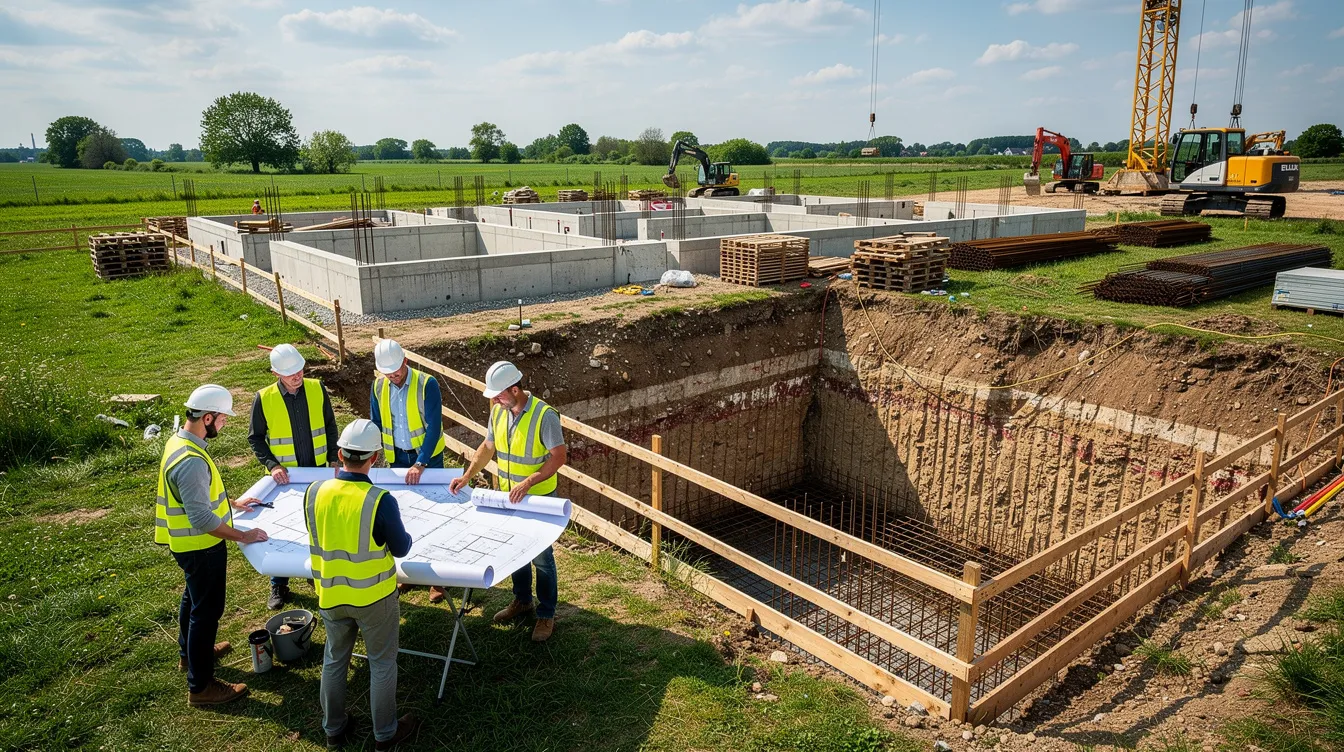
Understanding Qualified Person (QP) Supervision for Good Class Bungalow (GCBs)
Qualified person supervision, in the Singapore context, refers to the statutory obligation under the Building Control Act for a registered professional to oversee and certify that structural building works are carried out in accordance with approved plans, codes of practice, and regulatory requirements. For good class bungalow projects – where construction complexity, land values, and regulatory scrutiny are at their highest – this supervision is far more than a formality.
GCBs are not ordinary landed houses. They occupy plots within URA-designated Good Class Bungalow Areas, subject to specific development controls covering height, setbacks, site coverage, and basement construction. Authorities expect stricter professional oversight because the scale of works, proximity to neighbouring high-value properties, and the architectural ambitions of GCB owners all amplify structural and regulatory risk.
QP supervision fits into the broader project lifecycle as follows: after concept design and authority approvals (URA planning permission, BCA structural plan approval, PUB drainage clearance), the supervision QP takes charge of verifying that what gets built on site matches what was approved on paper – from first pile to final roof slab – and ultimately signs the certificates needed for TOP and CSC.
What Is a Qualified Person in Singapore Construction?
A qualified person in Singapore construction is a Professional Engineer (PE) registered with the Professional Engineers Board (PEB), or a Registered Architect (RA) registered with the Board of Architects (BOA), who holds a valid practising certificate and is authorised to prepare plans and supervise building works under the Building Control Act. For structural supervision of GCB construction, the QP is usually a Professional Engineer in the civil or structural discipline. For architectural aspects, a separate RA may be involved.
It is essential to understand that a QP carries statutory responsibility – a legal obligation that builders, contractors, interior designers, and project managers do not bear. A general builder or specialist builder executes the physical work; the QP certifies that it complies. Clarifying roles between contractors, supervisors, and Qualified Persons is essential for project success.
Stellar Structures provides QP services through Singapore-registered Professional Engineers experienced in GCB and high-end landed residential projects, offering both design and supervision capabilities under one consultancy.
GCB-Specific Regulatory Context under the Building Control Act
URA’s development control guidelines for Good Class Bungalow Areas and BCA’s building control requirements intersect in ways that make GCB projects distinctly demanding. URA controls the planning envelope – site coverage (now capped at 45% overall following the March 2025 revision, with a 35% sub-control for building bulk), height limits (generally two storeys), setbacks from boundaries, and basement constraints (minimum 2 m setback for fully submerged basements within GCBA). BCA controls the structural safety and compliance of the built works.
QP supervision ensures the built work actually matches the URA-approved and BCA-approved plans for the specific GCB plot – not just in broad terms, but down to every column position, slab thickness, and retaining wall detail. Professional oversight ensures compliance with BC(FI) Regulations 2025, which tighten expectations around fire safety, structural integrity, and documentation.
Regulatory tightening in the 2020s – including the phased rollout of CORENET X (mandatory for all new projects from 1 October 2026), stronger enforcement of digital submissions, and risk-based inspection frameworks – means ad-hoc or “informal” supervision is no longer acceptable. QP roles are now digitally traced, and omissions are more visible to the Commissioner of Building Control.
Design QP vs Supervision QP: Two Distinct Roles
One of the most important distinctions GCB owners need to grasp is the conceptual and legal split between QP(Plan) and QP(Supervisor). QP(Plan) verifies design compliance before installation begins. QP(Supervisor) must be present during all installation activities and issues certification after successful installation testing.
For a typical GCB, the same firm – such as Stellar Structures – may act as both design and supervision QP, but legally the responsibilities are distinct and must be separately discharged.
Design QP (QP Plan) main functions:
-
Prepare structural plans, calculations, and submissions to URA, BCA, SCDF, and PUB
-
Coordinate multi-agency clearances and respond to authority queries
-
Obtain building plan approval before construction begins
Supervision QP (QP Supervisor) main functions:
-
Conduct site inspections at critical stages and hold points
-
Certify that structural elements are built in accordance with approved plans
-
Respond to site changes and endorse amended drawings where needed
-
Sign statutory forms (C-Forms) and certificates required for CSC/TOP
Understanding these two roles is foundational – because it is the supervision QP’s work during construction that ultimately determines whether your GCB can be legally occupied.
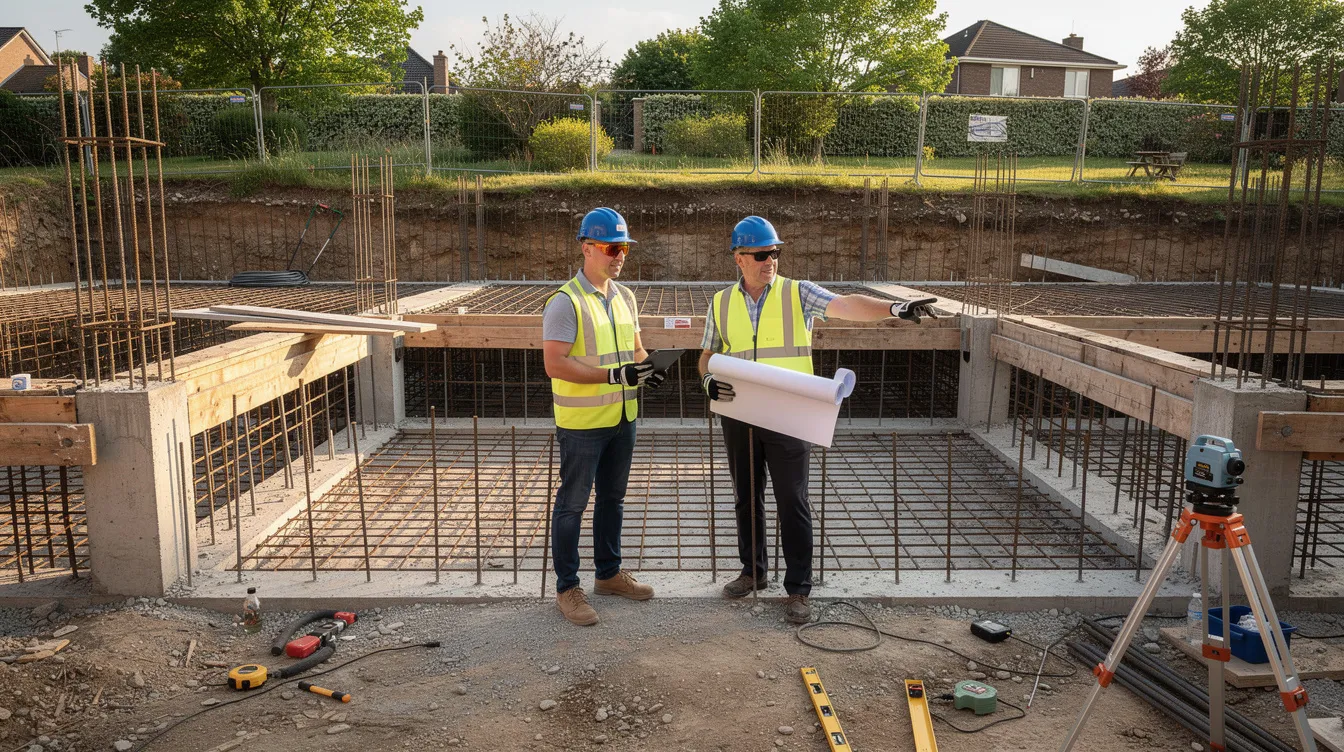
Why QP Supervision Matters for GCB Construction
The distinction between roles becomes vivid when translated into outcomes. For GCB owners, the supervision QP is the professional standing between your multi-million-dollar asset and the risks of structural failure, regulatory non-compliance, and years of costly rectification. Errors in structure, drainage, or fire safety are extremely expensive and hard to reverse once built – and in a GCB, the scale of every element amplifies every mistake.
Legal and Regulatory Compliance with the Commissioner of Building Control
Under BCA regulations, the responsibility for appointing a qualified person for structural works rests on the owner (the “developer” in statutory language), not the contractor. This is a point many GCB owners miss: you cannot delegate this obligation to your builder and assume it is handled.
The supervision QP must sign a series of statutory forms and certificates over the life of the project. These include Form C1 (Certificate of Supervision of Piling Works), Form C2 (Certificate of Supervision of Structural Works), and Form C3 (Certificate of Record Structural Plans/Calculations), submitted to BCA at completion. Without these endorsed documents, your project cannot obtain TOP or CSC – meaning you cannot legally occupy your new home.
Potential consequences of inadequate supervision include stop-work orders from the Commissioner of Building Control, refusal of CSC/TOP, rectification directives requiring demolition and reconstruction of non-compliant elements, and in serious cases, fines or prosecution under the Building Control Act. Strong QP supervision also helps demonstrate due diligence if disputes or defects claims arise later with your contractor or neighbours.
Structural Safety and Site Risks
GCB projects routinely involve structural and geotechnical risks that demand physical supervision identifies compliance issues in real-time. Consider these common scenarios:
-
Deep basements requiring earth retention systems – without careful oversight, adjacent properties may suffer settlement, water ingress, or structural damage. Independent Accredited Checkers are required for complex excavation and engineering works of this nature.
-
Retaining walls on sloping sites where drainage design, shoring, and temporary works are critical for safety
-
Swimming pools constructed near boundary walls, where waterproofing and structural loading must be precisely controlled
-
Heavy cantilevers, large-span beams, and post tensioning work that require continuous supervision during stressing and concrete pours
A supervision QP sets out inspection hold points – for example, requiring sign-off before a foundation concrete pour, during piling works, or before backfilling around retaining walls. Inspection and testing are crucial for ensuring compliance with safety standards and regulatory requirements at each of these stages. Daily site monitoring tracks progress against construction plans to ensure quality, while compliance verification occurs before installation begins to avoid errors.
What can go wrong when supervision is treated as paperwork only: Imagine a scenario where a contractor shifts a column position by 200 mm to accommodate a drainage pipe, without QP review. The change creates an eccentric loading condition on a transfer beam, which goes undetected until cracking appears months later. Rectification now involves propping, demolition, redesign, and reconstruction – at a cost many times the original element, with months of delay.
Cost, Timeline and Quality Control
Early and consistent QP supervision helps avoid rework, abortive works, and redesigns that can add months to a GCB build. The supervision QP acts as a technical counterweight to cost-driven shortcuts by builders, protecting the owner’s long-term interest. Quality control requires meticulous oversight of construction detailing and finishes – particularly relevant for GCB projects where tolerances are tighter and finishes more demanding.
On a typical 18–30 month GCB construction programme, targeted site inspections by the QP can prevent cumulative delays from small but critical mistakes. Professional oversight enhances safety management throughout project lifecycle, from first earthworks to final handover.
Key points:
-
Supervision prevents costly rework and protects schedule
-
The QP provides independent technical assurance the builder cannot self-certify
-
Documentation produced during supervision is essential for TOP/CSC and dispute resolution
When Must GCB Owners Appoint a Supervision QP?
The question most owners ask first is simple: “Do I need a supervision QP for my specific GCB project?” The answer depends on whether your intended works involve structural elements – and for GCB projects, they almost always do.
New GCB Builds and Full Reconstruction
Any new GCB construction or full reconstruction (demolish and rebuild) requires a supervision QP by law for all structural building works. This is non-negotiable. Typical structural elements triggering mandatory supervision include:
-
Piling works and soil improvement
-
Basement slabs, walls, and waterproofing systems
-
Columns, beams, transfer structures, and floor slabs
-
Cantilevered balconies and large roof spans
-
Swimming pools and water features with structural implications
-
Large retaining walls and slope stabilisation works
-
Structural steelwork and post tensioning work
The supervision QP is usually engaged together with the design QP, well before BCA plan approval and tender award. This early engagement is not just good practice – it is increasingly expected by authorities. Banks and insurers often expect formal QP involvement as part of risk assessment for high-value GCB developments; a project without credible QP supervision may face higher financing costs or even rejection.
Major Additions & Alterations (A&A) to Existing GCBs
Major A&A works that affect structural elements also require a supervision QP. In practice, “major A&A” for a GCB includes:
-
Adding new storeys or a roof terrace with structural implications
-
Inserting a basement under an existing house
-
Significant wing extensions or new annexes
-
Structural removal of load-bearing walls
-
Major façade reconfiguration affecting structural integrity
-
Constructing a lap pool adjacent to a neighbour’s retaining wall
Such works typically require structural submissions to BCA and therefore a supervision QP, even if the property remains “the same house” on the title. For a practical guide on when A&A projects trigger QP requirements, see our detailed explainer on A&A and renovation projects.
Cosmetic renovations that do not alter structure – such as repainting, re-tiling, or replacing kitchen fittings – generally do not need a supervision QP, but any work touching structural members does.
Minor Works, Interiors and Non-Structural Changes
Common minor works GCB owners ask about include cabinetry, non-load-bearing partitions, finishes, and basic M&E upgrades. These usually do not require a supervision QP. However, careless alterations – such as drilling through post-tensioned slabs, modifying roof structures, or altering external drainage – can damage waterproofing or structural members.
Having a QP review is often wise even for seemingly minor works. Consult your existing QP or an engineering firm like Stellar Structures when in doubt, especially where works involve penetrations through structural elements, roof modifications, or changes to external drainage paths.
With clarity on when supervision is required, the next step is understanding how to actually appoint and work with a supervision QP for your GCB.
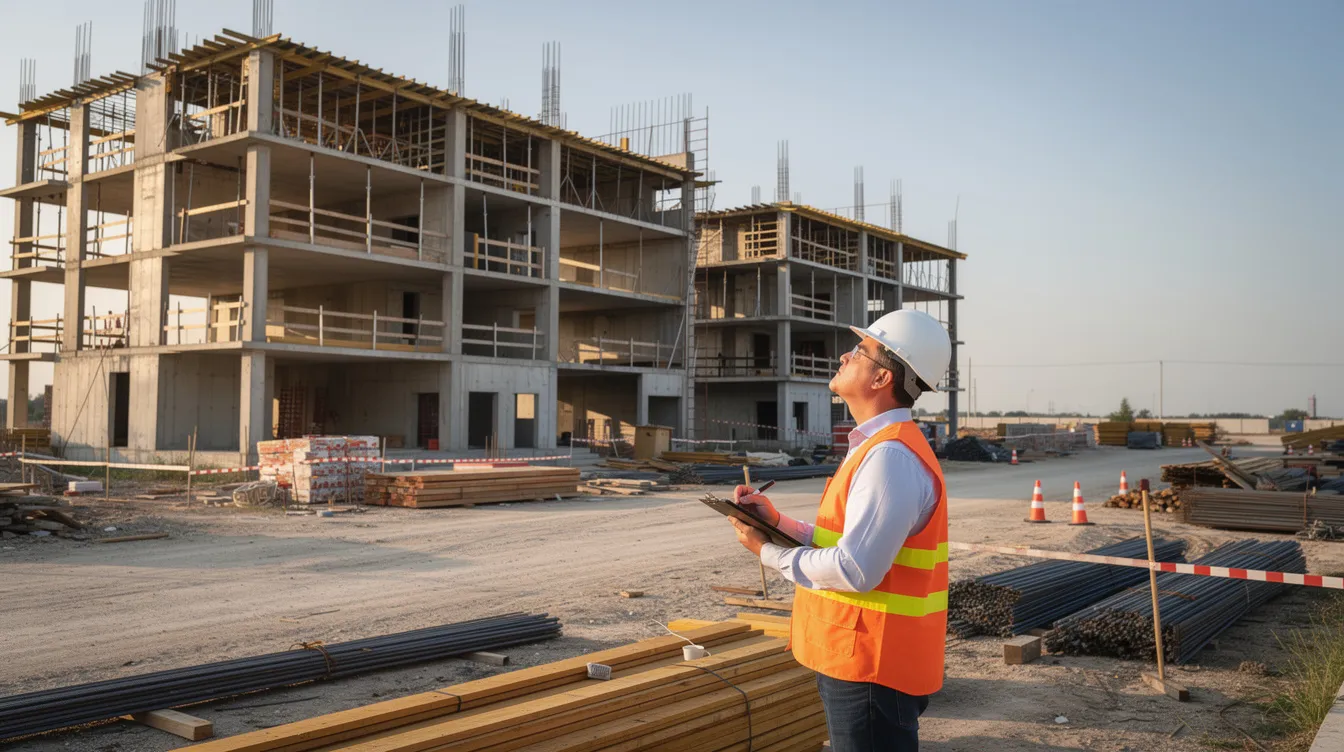
How to Appoint a Qualified Person (Supervision) for Your GCB
The appointment process is straightforward if approached early and systematically. Stellar Structures typically guides GCB owners through each step, from initial scope clarification to formal engagement and BCA registration.
Step-by-Step Appointment Process
Here is a clear, owner-friendly process overview:
-
Define project scope – Clarify whether your project is a new build, full reconstruction, or major A&A. Document estimated gross floor area, basement presence, target completion date (e.g. mid-2028), and any special features (pools, large cantilevers, sloping site).
-
Shortlist firms – Select 2–3 Singapore-registered PE or architectural practices with proven GCB experience. You can review the PEB and BOA registers to confirm valid practising certificates. A useful starting point is our checklist for choosing the right QP(S) and supervision team.
-
Verify credentials – Confirm the individual PE or RA’s registration status, discipline (Civil/Structural for structural supervision), and track record with similar GCB plots – sloping sites, corner lots, basement construction, and high-end residential finishes. Experience with high-end finishes is crucial for supervisors managing GCB projects.
-
Clarify scope and roles – Ensure contracts clearly separate design QP and supervision QP duties, especially when provided by the same firm. This avoids ambiguity about who is responsible for what – a frequent source of disputes.
-
Agree on supervision regime and fees – Discuss expected site visit frequency, key inspection stages, reporting format (dated photos, checklists, written reports), and how variations will be handled. Supervisory requirements scale with the valuation and complexity of works, so fees should reflect the actual level of supervision your project demands. For guidance on costs, see our guide on QP(S) hiring costs.
-
Execute formal appointment – Sign the consultancy agreement and any BCA-required appointment forms. Ensure the builder and all construction personnel know who the supervision QP is before any work starts.
What to Look for in a Supervision QP for GCBs
Beyond formal registration, GCB owners should assess a QP’s practical fit for high-end residential work. Key selection criteria include:
-
Technical experience: Track record with GCB basements, retaining walls, pool construction near boundaries, complex façade systems, and structural steelwork
-
Regulatory knowledge: Familiarity with URA envelope controls, site coverage rules, BCA submission processes, and CORENET X digital workflows
-
Coordination ability: Proven capacity to work alongside architects, interior designers, landscape architects, and specialist builders on high-end projects
-
Soft skills: Responsiveness, willingness to explain technical issues in plain language, availability for site meetings at critical times, and comfort with digital reporting (cloud photo logs, marked-up drawings, PDF inspection reports)
-
Accredited site supervisors: The QP should appoint site supervisors accredited with the Joint Accreditation Committee (JAC), and appropriate safety certifications are mandatory for site supervisors involved in construction
Stellar Structures positions itself as an integrated engineering and architecture consultancy offering authority submissions, structural design, and QP supervision under one roof for GCB clients – reducing the coordination burden on owners.
Appointment Timing and Integration with Design & Tender
The supervision QP should ideally be engaged during concept or schematic design – at least several months before demolition or piling works begin. Early engagement of professionals prevents costly design changes: a supervision QP involved during design can advise on feasible spans, practical foundation schemes, and temporary works plans, improving buildability before the project goes to tender.
During construction, the QP coordinates with the main contractor’s site team and any specialist subcontractors handling piling, pool construction, façade installation, or slope stabilisation. Statutory site supervisors must oversee structural works under a Qualified Person’s control, and establishing this chain of command early prevents confusion and delays once building works are underway.
What QP Supervision Looks Like During GCB Construction
QP supervision is structured, documentation-heavy, and stage-based – not ad-hoc “drop by whenever.” For GCB owners, understanding what to expect at each phase helps set realistic expectations and ensures you can hold your supervision QP and contractor to clear standards.
Key Stages and Site Inspections
The QP prepares a Site Supervision Plan (SSP) listing critical stages for inspection, hold points where work cannot proceed without QP sign-off, and the documentation required at each milestone. For a typical new GCB build, supervision milestones include:
-
Pre-construction briefing: Review of shop drawings, method statements, and contractor qualifications. The QP confirms that what the contractor proposes to build matches the approved plans.
-
Foundation and piling inspections: Verification of pile positions, depths, and load test results. A supervisor must document inspections and maintain communication about non-compliance issues at this critical early stage.
-
Basement excavation and retaining walls: Monitoring of earth retention systems, waterproofing installation, and structural concrete quality. For GCBs with basements, this stage often involves the most intensive supervision.
-
Ground floor and upper floor slabs and beams: Checking reinforcement placement, formwork dimensions, and concrete grade before each pour. Physical supervision identifies compliance issues in real-time.
-
Roof structure and major cantilevers: Verifying structural connections, loadbearing details, and compliance with envelope controls.
-
Pools, decks, and external structures: Ensuring waterproofing integrity, structural adequacy, and boundary setback compliance.
At each stage, the QP inspects, photographs, and documents findings. Where issues are identified, the QP issues written instructions to the contractor with a clear timeline for rectification.
Documentation, Certificates and Communications
The supervision QP produces or endorses several categories of documents throughout the project:
-
Inspection reports with dated photographs and observations
-
Test result reviews – concrete cube test results, pile load test reports, structural steelwork connection checks
-
Statutory forms – C-Forms (C1 for piling works, C2 for structural works, C3 for record plans) submitted to BCA
-
RTO/RE supervision records where applicable for larger-value works
Digital tools – PDF markups, cloud photo logs, shared document platforms – give owners transparency even without attending every site visit. A supervisor must document inspections and maintain communication about non-compliance issues through these channels.
Regular coordination meetings between QP, builder, and sometimes the owner or owner’s representative address emerging site constraints early. For TOP/CSC, the QP’s certification of compliance is a key prerequisite, so documentation quality throughout the build directly affects whether you can move into your home on schedule.
Handling Changes, Variations and Unforeseen Conditions
GCB projects frequently encounter unexpected ground conditions or owner-driven changes – a deeper basement, a revised pool design, a wider cantilever. The correct workflow is:
-
Contractor flags the issue or owner requests a change
-
QP reviews structural implications and proposes design adjustments
-
Updated drawings are submitted to BCA if the change is material
-
Supervision QP checks that revised details are built accordingly and documents the as-built condition
“Site adjustments” made without QP involvement – moving columns, reducing reinforcement, altering foundation depths – are among the most dangerous shortcuts in construction. They can void the QP’s certification, trigger enforcement action, and create structural risks that are invisible until failure occurs. A supervisor must document inspections and maintain communication about non-compliance issues – this is the safeguard against undocumented changes.
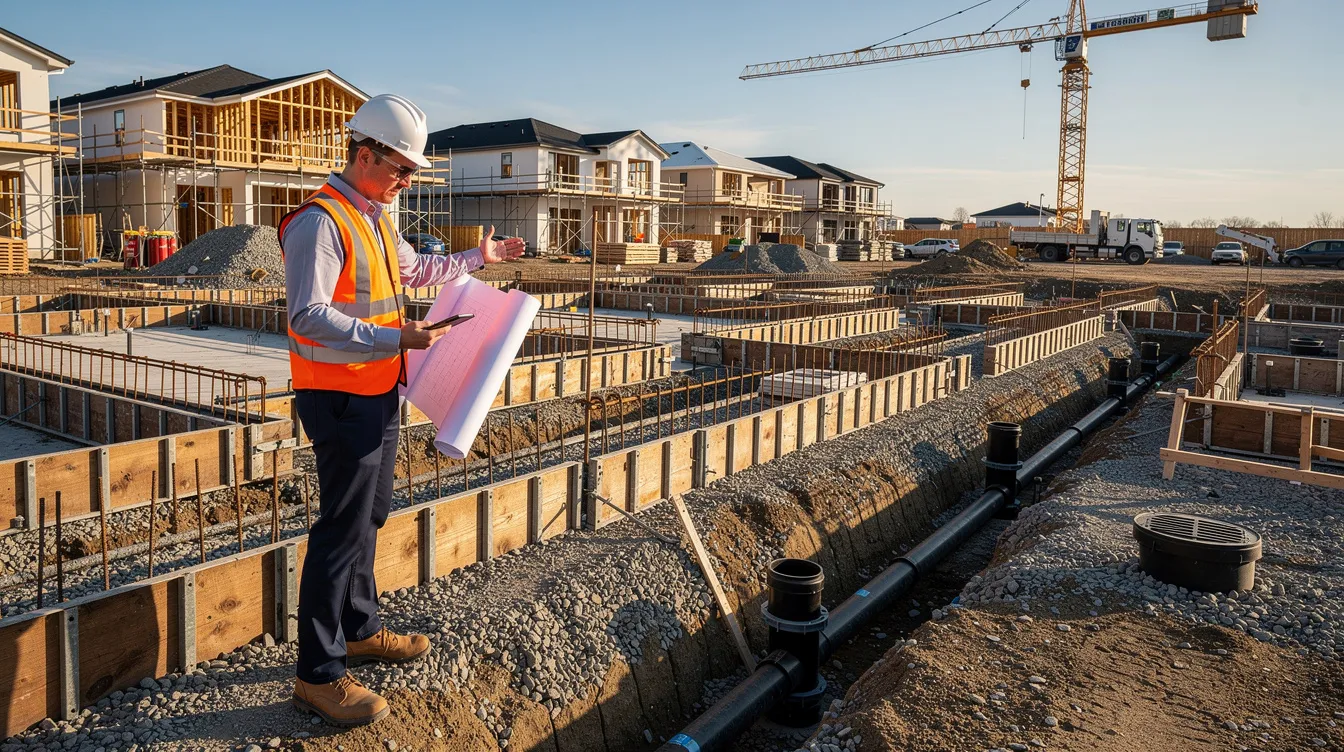
Common Challenges and How Owners Can Avoid Them
Many GCB supervision issues stem from misunderstandings of roles, cost pressures, or late involvement of professionals. The following problems are owner-controllable – and the solutions are practical.
Problem 1: Treating QP Supervision as a Box-Ticking Exercise
Some owners or contractors expect the QP to “just sign off” on work done, without adequate site presence. This approach defeats the purpose of supervision and exposes the owner to all the risks outlined above.
Solution: Insist on a documented supervision plan with agreed minimum visit frequencies at each construction stage. Budget realistically for proper supervision fees – they are a fraction of your total build cost. Ask firms like Stellar Structures for sample past supervision reports to gauge the thoroughness you should expect. Content measurement audience research confirms that owners who understand what thorough supervision looks like make better-informed decisions.
Problem 2: Appointing the QP Too Late
When a supervision QP is brought in only after demolition or early structural work has already started, they cannot verify foundation conditions, piling test records, or early concrete quality. This creates gaps in the certification chain that may be impossible to close without rework.
Recommendation: Appoint both design and supervision QPs before tender or, at the very latest, before any structural work commences. Include clear supervision requirements in the construction tender documents to avoid disputes later. Early engagement of professionals prevents costly design changes – and prevents the even costlier scenario of having to prove compliance retroactively.
Problem 3: Poor Coordination Between QP and Contractor
Missed inspections, concrete pours proceeding without QP clearance, and critical information stuck in email backlogs are common coordination failures.
Practical measures:
-
Establish agreed communication channels – a shared messaging group for urgent notifications plus formal email for records
-
Require the contractor to give advance notification (typically 48–72 hours) before critical works
-
Set up a simple escalation path involving the owner when deadlines are at risk
-
Consider appointing a lead consultant (like Stellar Structures) to align expectations between QP and general builder
Problem 4: Underestimating Temporary Works and Site Safety
For deep GCB basements or tight urban plots, temporary earth retaining systems, shoring, and crane foundations can be as structurally critical as permanent works. Owners should ensure the appointed QP is comfortable reviewing temporary works designs – or that a specialist PE is engaged where required.
Ignoring temporary works can lead to soil collapse, damage to neighbouring properties, neighbour disputes, damage claims, and BCA intervention. An approved person or specialist PE for temporary works is not an optional extra on complex GCB sites – it is a necessity.
Conclusion and Next Steps for GCB Owners
For good class bungalow projects in Singapore, proper appointment and use of a supervision QP is essential – not optional, not negotiable, and not something to defer. It is the mechanism through which legal compliance, structural safety, and protection of a multi-million-dollar asset are achieved.
Owners carry ultimate responsibility under Singapore law for appointing a qualified person to supervise structural building works. A competent QP and integrated consultancy like Stellar Structures can shoulder the technical and regulatory burden, providing confidence that your project will meet BCA requirements, pass authority inspections, and reach TOP/CSC without avoidable delays.
Immediate next steps:
-
Clarify your intended GCB project scope and timeline
-
Check whether your existing or planned works require a supervision QP (structural works almost always do)
-
Prepare basic information: site address, survey plan, existing approvals, and architectural concept drawings
-
Schedule a consultation with Stellar Structures to review your options and proposed supervision scope
Related topics you may want to explore:
-
Understanding the stages of new build construction in Singapore
-
QP Design vs QP Supervision – why one engineer might not be enough
Additional Resources and Owner Checklists
This section provides practical references and quick-check items rather than full explanations.
Regulatory and Reference Links (for Singapore GCB Projects)
-
BCA – Building Control Act and QP requirements: The primary legislation governing structural supervision obligations in Singapore
-
URA – Good Class Bungalow Area guidelines: Development control rules for GCBs including envelope, setbacks, site coverage, and basement constraints
-
PEB and BOA registers: Verify that your prospective QP holds a valid practising certificate in the relevant discipline
-
CORENET X Code of Practice: Digital submission requirements mandatory for all new projects from October 2026
Quick Checklist for Appointing a Supervision QP
-
☐ Confirm my project type (new build / reconstruction / major A&A)
-
☐ Confirm whether structural submissions are required (check with QP or BCA)
-
☐ Verify QP’s registration with PEB or BOA and confirm GCB experience
-
☐ Ensure supervision scope, site visit frequency, and reporting format are written into the appointment agreement
-
☐ Clarify how design changes and variations will be managed, documented, and certified
-
☐ Confirm that site supervisors will be JAC-accredited and deployed as required by BCA’s risk-based framework
-
☐ Agree on digital documentation standards compatible with CORENET X requirements
Ready to discuss your GCB project? Contact Stellar Structures for a preliminary review of your plans and supervision needs. We can prepare diagrams and visual supervision stage maps tailored to your site to help you understand exactly what the process involves.