




How Much Does PE Endorsement for Pallet Racking Systems Cost in Singapore? (2026 Cost Guide)
Introduction
PE endorsement for pallet racking systems in Singapore typically costs between SGD 1,500 and SGD 5,000 for standard warehouse installations, though complex or high-bay projects can push fees to SGD 8,000–15,000 or more. The exact cost depends on rack height, loading intensity, structural complexity, and whether authority submissions to the Building and Construction Authority (BCA) or SCDF are required.
This 2026 cost guide is written for industrial warehouse owners, logistics managers, and contractors who need to budget accurately for professional engineer endorsement on pallet racking projects in Singapore’s warehouse and logistics industry. We focus exclusively on industrial pallet racking in warehouses, factories, and logistics hubs across Singapore – residential storage racks and overseas regulatory contexts fall outside this scope. PE endorsement serves as a formal check on safety and compliance for pallet racking projects, and is a crucial step for insurance coverage, landlord approvals, and protection against rack collapse incidents that could have severe consequences for workers and operations.
By the end of this article, you will:
- Understand typical price ranges for PE endorsement of pallet racking systems in Singapore in 2026.
- See what drives endorsement fees up or down – rack height, loading, configuration, seismic/bracing needs, and more.
- Know what is usually included in a PE endorsement scope versus what is billed separately.
- Learn how to budget accurately and avoid surprise variation orders from engineers or contractors.
- Gain practical tips for streamlining the endorsement process and reducing unnecessary costs.
Understanding PE Endorsement for Pallet Racking in Singapore
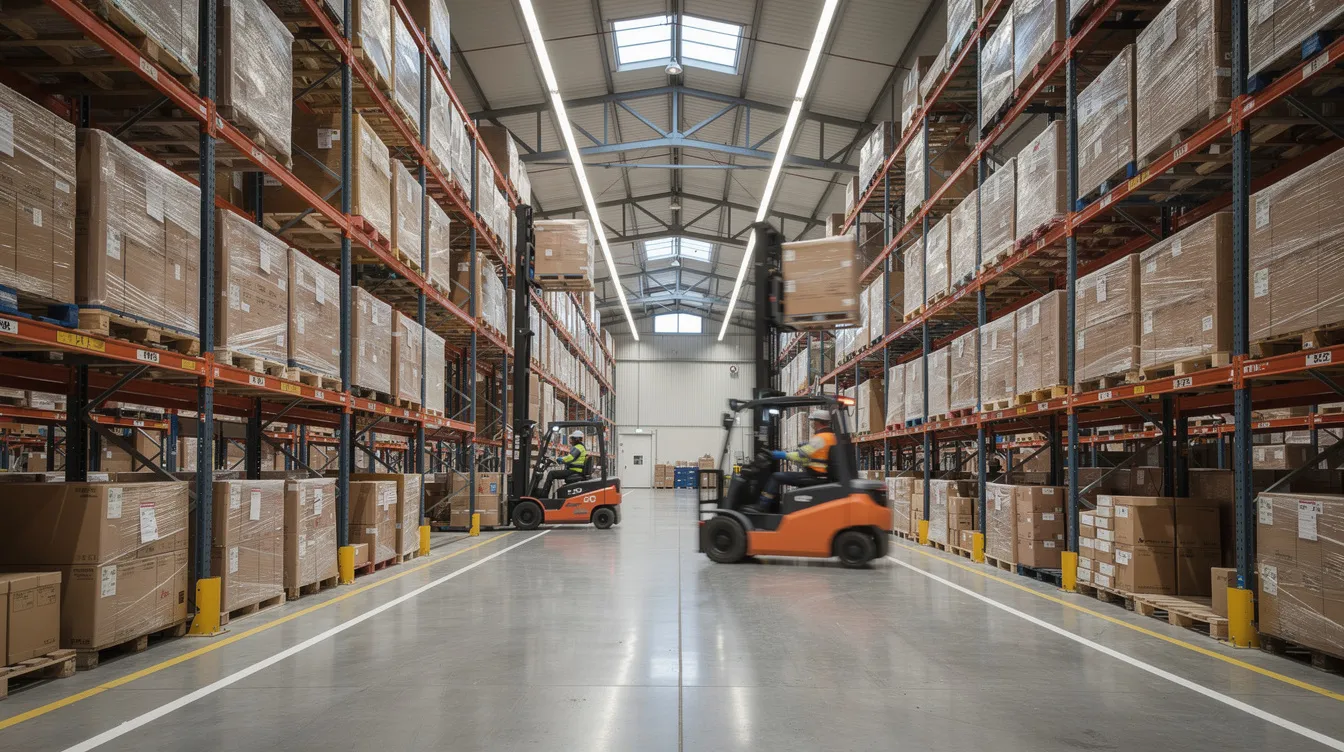
In the context of pallet racking and industrial storage, PE endorsement refers to the formal review, verification, and certification of a racking system’s structural design by a Professional Engineer registered with Singapore’s Professional Engineers Board (PEB). This is not simply a rubber stamp – licensed engineers are accountable for designing and reviewing safety-critical warehouse structures to a high level of professional responsibility, ensuring that racking installations are structurally sound, code-compliant, and safe for daily warehouse operations.
Pallet racking systems that store heavy loads, reach high-bay heights, or support mezzanine platforms frequently require a professional engineer to review and endorse the structural design before the system can be put into use. The Building and Construction Authority oversees the PE endorsement process for such projects, while relevant regulations like the Building Control Act, SS EN 15512, and BC1:2008/2023 set the engineering standards that must be met, and coordination with regulatory bodies may be needed when submissions or fire-safety issues arise. Fire Code considerations under SCDF also come into play when racking height or stored goods affect sprinkler clearance and egress routes.
What Is Professional Engineer (PE) Endorsement for Pallet Racking?
PE endorsement is the formal review, design check, and signing of structural calculations and drawings by a Singapore-registered Professional Engineer in the civil or structural discipline, including developing or checking the structural solution where supplier information is incomplete or coordination changes are needed. The endorsement process goes well beyond paper-stamping – it involves specialized expertise and professional liability that the engineer accepts on behalf of the project.
A typical professional engineer endorsement for pallet racking covers:
- Verification of loading assumptions – pallet weight per bay position, number of storage levels, forklift impact loads, and any dynamic or accidental loading scenarios.
- Check of racking member capacities – uprights, beams, bracings, and base plates are verified against design codes to confirm structural integrity under operating conditions.
- Assessment of anchorage and floor slab adequacy – load transfer from base plates into the warehouse floor slab is checked for punching shear, crushing, and overall slab capacity.
- Stability under accidental loads – forklift impact, uneven loading, and lateral forces (including seismic provisions where applicable) are assessed to prevent accidents and ensure the required safety margins are maintained.
Because the PE takes professional responsibility for the endorsed design – and is expected to uphold the highest standards of safety and professional conduct – the endorsement fee reflects genuine engineering work, not administrative formality. PE endorsement safeguards against structural instability in buildings and provides a seal of approval for the installation works.
When Is PE Endorsement Required for Pallet Racking?
PE endorsement is required for complex renovation projects in Singapore, and pallet racking installations frequently trigger this requirement. Here are the most common practical triggers:
- Racking height above certain thresholds – pallet racking systems over 6 metres typically need PE endorsement for safety compliance. Systems above approximately 9 metres generally require BCA structural design submissions with PE-stamped calculations.
- Very heavy pallet loads – dense storage of metals, liquids, or industrial goods exceeding 1,000 kg per pallet position imposes high point loads that demand rigorous engineer assessments for compliance with structural safety regulations.
- Integration with mezzanine floors or platforms – when racks support mezzanine levels, walkways, or office pods, the system becomes a structural element of the building, making endorsement mandatory.
- Change of use or A&A works – converting warehouse space, altering load-bearing elements, or applying for FSSD/BCA clearances as part of a factory renovation triggers the need for PE involvement.
- Existing outdoor racking systems – these may require additional inspections for safety compliance due to exposure to weather and environmental loads.
Contrary to popular belief, even when BCA plan submission is not explicitly mandated, many landlords, REITs, and insurers still require a PE’s letter for risk management purposes. This means PE endorsement remains relevant across a wide range of warehouse projects – not just the largest or tallest installations.
Understanding what is included in the endorsement scope and what costs extra is the crucial next step once you know endorsement is needed.
Typical Cost Ranges for PE Endorsement of Pallet Racking Systems
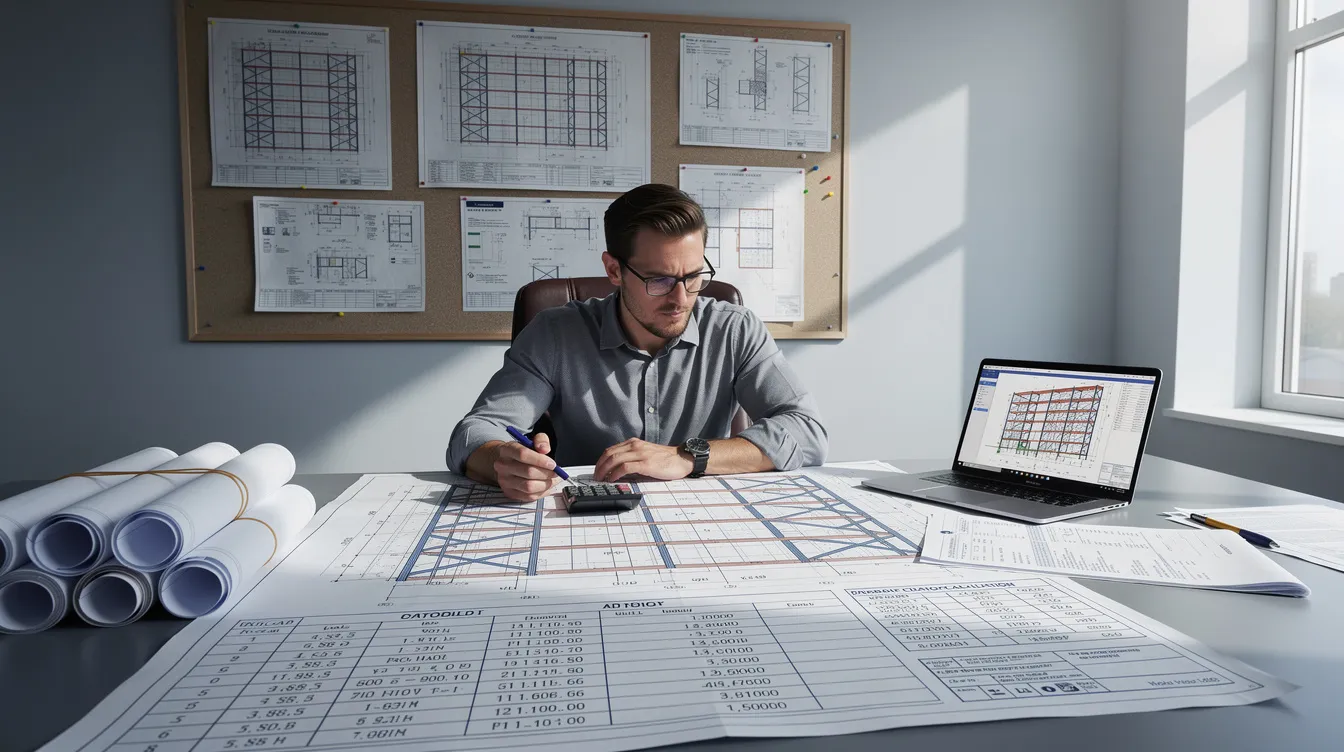
This section provides concrete Singapore-dollar figures based on typical market conditions and recent industrial warehouse projects from 2024–2026. PE endorsement costs for standard warehouse installations usually range from SGD 800 to SGD 5,000+, though the cost of PE endorsement varies by the complexity of the racking system, and larger or more specialised projects can cost significantly more.
Cost Range by Project Scale and Complexity
The design and complexity of racking systems impact the total cost of endorsement. Here are realistic fee bands based on common project scenarios:
| Project Type | Example Scale | Likely PE Endorsement Fee (SGD) | Key Cost Drivers |
|---|---|---|---|
| Small SME warehouse – selective pallet racking, height ≤6–7 m, light to moderate loads | 20–50 bays; known slab condition; supplier drawings available | $1,500 – $3,500 | Simple load cases; one site visit; no authority submission; complete supplier data provided |
| Medium logistics hub – selective plus drive-in or heavy-duty sections, heights 8–10 m | 100–300 bays; multiple beam levels; moderate point loads; possibly VNA sections | $3,500 – $8,000 | More detailed calculations; anchorage design; possible BCA or SCDF submission; multiple site checks |
| Large high-bay / multi-tier / rack-supported mezzanine – drive-in/drive-through, heavy loads, multiple authorities | 300–500+ bays; heights >10 m; mezzanine or platforms; tight deadlines | $8,000 – $15,000+ | Slab testing; multiple site visits; authority submissions; complex detailing; possibly Accredited Checker involvement |
Fees are usually quoted as a lump sum per project or per site. For multi-site corporate contracts, economies of scale may apply, but each location still requires its own endorsement and site inspection. When scope is limited – for example, endorsing only pre-existing supplier drawings for a simple, low-height system – fees can occasionally fall below $1,500, though this is uncommon for genuine structural endorsement of industrial racks.
Real-world experience shows that projects which under-budget PE work often incur surprises: needing $3,500–$5,000 when they had planned for $2,000. Building an accurate budget from the outset avoids project delays and unnecessary cost escalation.
What Is Usually Included in PE Endorsement Fees?
Understanding what you are paying for is essential because these deliverables give clients a more comprehensive understanding of what the engineer has reviewed and certified. A typical full-scope endorsement package includes:
- Desktop review of racking supplier drawings and load calculations – the professional engineer verifies the racking vendor’s design data against local engineering standards and codes (SS EN 15512, BC1:2008/2023).
- Structural calculations – independent check or preparation of calculations for beam, upright, bracing, anchorage, deflection, lateral stability, and dynamic/impact loads.
- PE-stamped structural drawings – general arrangement (GA) drawings, base plate details, anchor layouts, and bracing configurations, all signed and sealed.
- One site visit – to verify slab condition, as-built dimensions, and (if applicable) installation compliance against endorsed drawings.
- PE endorsement letter – a signed certification stating assumptions, limitations, and confirmation of structural adequacy.
Complete and accurate technical documentation from the racking supplier can reduce engineering costs, as it shortens the review and verification cycle. When proposals are structured as a bundled design-and-endorse package, all of the above is typically covered under one fee.
Common Additional Costs Beyond PE Endorsement
Several cost items are often excluded from the basic PE fee but still affect overall budget. The process includes inspections and assessments for compliance, and some of these carry separate charges:
- Slab assessment and testing – if floor loading capacity is unknown, coring tests, rebar scanning, or non-destructive testing may be required, adding several hundred to a few thousand dollars.
- Re-design cycles – if operational requirements change mid-way, layout revisions and recalculations attract additional fees, often adding 10–30% to the initial engineering cost.
- Multiple site visits – phased installations, non-conformities, or night-work inspections beyond the standard single visit are billed separately.
- Authority submissions – regulatory submissions to BCA and SCDF may increase the cost of endorsement. Plan fees, documentation preparation, and coordination with SCDF fire safety requirements are separate from the PE’s professional fee.
- Rush or accelerated services – compressed timelines typically attract a 30–50% surcharge.
Clarifying which items are included and which are excluded upfront is the simplest way to prevent disputes and budget overruns.
Key Factors and Engineering Standards That Influence PE Endorsement Cost
Two warehouses with identical floor areas can attract vastly different PE fees. The difference comes down to technical risk, structural complexity, and regulatory compliance requirements. Below are the main cost drivers that determine where your project falls on the pricing spectrum.
Rack Height, Load and Structural Complexity
Load intensity can significantly affect the engineering calculations needed for PE endorsement. Taller racks – particularly those above 8–9 metres – require more intensive stability analysis, including checks for slenderness, second-order effects, lateral loads, and bracing adequacy. Heavy pallets storing materials like steel coils, drums of liquid, or dense industrial goods impose high point loads on base plates and floor slabs, adding significant complexity.
Configuration matters enormously as well. Free-standing selective pallet racking is the simplest to endorse. Configurations like VNA (Very Narrow Aisle), drive-in, drive-through, push-back, or cantilever racking involve more complex load paths and require the specialized knowledge of an experienced structural engineer. Multi-tier catwalk systems or rack-supported mezzanines that support platforms, walkways, or additional storage levels demand analysis of dynamic loads, vibration, and egress routes – all of which increase engineering hours and fees.
Condition and Capacity of Existing Warehouse Structure
The condition of your existing warehouse structure is a major cost variable. Older buildings with unknown slab thickness, missing structural drawings, or visible signs of cracking can trigger:
- Additional investigations – slab coring, rebar scanning, non-destructive testing – each adding cost and time.
- More conservative design checks, as the PE must account for uncertainty in slab capacity and structural condition.
- Possible strengthening works if the existing floor cannot support the proposed racking loads.
When structural drawings are available and slab design is well-documented, the PE can proceed more efficiently. Conversely, if slab loading capacity is uncertain, the engineer must spend more time verifying safety, which directly increases endorsement fees. A structural feasibility study before leasing or purchasing a warehouse can help identify these issues early.
Regulatory Compliance and Client Requirements
Different stakeholders impose varying documentation standards. MNC tenants, government agencies, REITs, and JTC often require higher levels of documentation than the legal minimum set by the construction authority. PEs ensure projects meet local, state, and federal safety regulations – in Singapore’s context, this means alignment with BCA, MOM/WSH, and SCDF requirements simultaneously.
Extra documentation that increases effort includes:
- Integration with BCA submissions for Addition & Alteration works.
- Fire safety coordination for rack height limits, sprinkler coverage, and aisle widths under SCDF Fire Code requirements.
- Detailed risk assessments and method statements for installation in operational environments.
Tighter regulatory requirements generally mean more engineering hours and higher professional fees. Ensuring compliance from the outset, however, avoids the severe penalties and potential risks associated with non-compliant installations.
Programme, Site Constraints and Number of Locations
Compressed timelines are a common cost escalator. Rush projects – where endorsement is needed within days rather than weeks – typically attract premium charges. Night works or installations in operational warehouses where racks are being installed while business runs increase site coordination effort and thus cost.
Multiple warehouses or separate sites under one corporate contract may benefit from economies of scale in engineering review, but each site still requires its own endorsement, site visit, and documentation. For such projects, consolidating phases and standardising rack configurations across locations is the most effective way to manage total cost.
How PE Endorsement for Pallet Racking Works in Practice
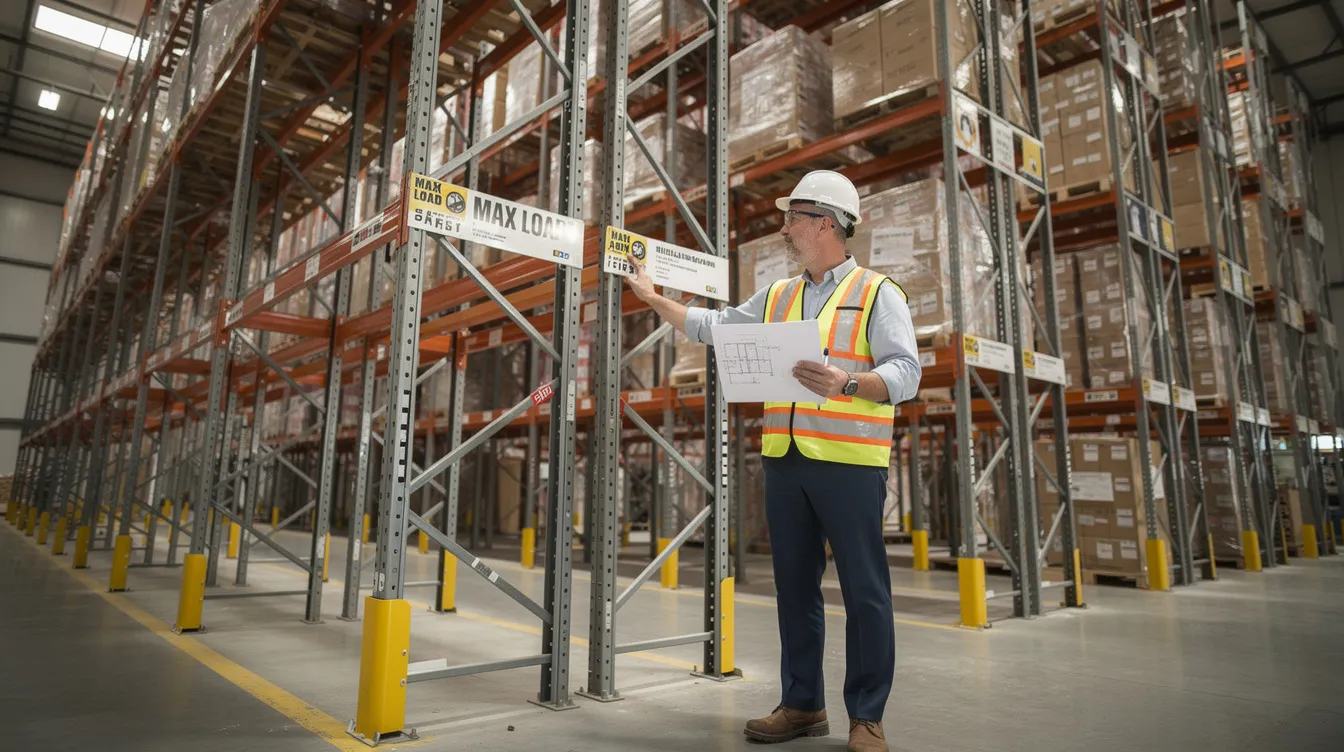
Understanding where costs arise within the endorsement process helps industrial clients budget more accurately and avoid unnecessary surprises. Here is the typical process flow from initial enquiry to completed endorsement.
Step-by-Step Process from Quotation to Endorsement
The PE endorsement process for pallet racking generally follows these steps:
- Enquiry and information sharing – the client provides the warehouse layout, racking vendor drawings, pallet weights, proposed rack heights, and any available building structural drawings.
- Preliminary risk and complexity assessment – the PE firm evaluates whether the project triggers BCA/SCDF submissions, assesses slab condition requirements, and determines the scope of engineering work needed.
- Fee proposal issuance – a fixed-fee or range-based quotation is issued, with clear inclusions and exclusions. This is where most of the upfront cost clarity is established.
- Engineering review and structural calculations – the PE reviews or independently prepares load calculations, checks member capacities, anchorage design, stability, and compliance with relevant regulations and Singapore standards.
- Coordination with racking supplier and client – design queries, RFIs, and any layout adjustments are resolved collaboratively, and project success often depends on timely coordination and complete supplier data. This step can extend timelines if supplier data is incomplete.
- Site inspection – after installation (or at a critical stage), the PE visits the site to verify that the as-built installation matches endorsed drawings, checking anchorage, member profiles, beam levels, and bracing.
- Issuance of endorsed documents – signed drawings, structural calculation report, and PE endorsement letter are issued, confirming the racking system’s structural integrity and compliance.
For simple racking endorsements with no authority submission and clear slab documentation, the process typically takes 3–7 working days. More complex process timelines – involving authority submissions, slab testing, or multiple revisions – can extend to 2–6 weeks or more.
Typical Deliverables for Racking PE Endorsement
Clients typically receive a comprehensive set of documents upon completion:
- PE-signed general arrangement (GA) drawings of the pallet racking layout, including elevations, plan views, and key dimensions.
- Structural calculation report referencing Singapore standards (SS EN 15512, BC1:2008/2023) and documenting all loading assumptions, member checks, and safety factors.
- Endorsement letter stating the PE’s certification of structural adequacy, along with assumptions, limitations, and scope boundaries.
- Site inspection report with photographs documenting the as-built condition and confirming that installation matches endorsed drawings.
These deliverables serve as the formal record for landlord approvals, insurance submissions, and regulatory compliance. They also remain relevant for future audits or if modifications to the racking system are proposed.
Cost-Saving Tips Without Compromising Safety
Reducing PE endorsement costs should never mean cutting corners on safety or compliance. Instead, focus on better planning and coordination, while engineering teams and in-house technical staff often rely on continuous learning to stay abreast of changing standards and stay ahead of costly mistakes by sharpening the right skills:
- Engage the PE early in the concept stage – involving the engineer before racking procurement avoids multiple re-design cycles and reduces total engineering hours.
- Standardise rack types and bay dimensions – using uniform configurations across the warehouse simplifies calculations and drawings, lowering fees.
- Consolidate endorsement for multiple phases – if your project has staged rollouts, bundling endorsement work into fewer engagement rounds reduces mobilisation and review costs.
- Ensure the racking supplier provides complete technical data – certified test reports, beam/upright profiles, material specifications, and connection details allow the PE to work efficiently rather than filling information gaps.
- Provide accurate as-built drawings of the warehouse – missing or inaccurate building documentation is one of the most common causes of cost escalation, as the PE must spend additional time on verification.
- Plan endorsement lead time into the project schedule – avoiding rush fees by factoring in 2–4 weeks for engineering review is one of the simplest ways to control cost.
For companies building internal technical capability, training support may sometimes be available through employer support, and in some cases scholarships.
Common Cost-Related Challenges and How to Avoid Them
Many industrial clients underestimate endorsement scope and only discover additional costs late in the construction project. The following challenges are drawn from common real-world situations and represent the most frequent sources of budget overruns.
Underestimating Total Budget for Racking Compliance
A common mistake is budgeting only for racking hardware and installation while overlooking PE endorsement, slab assessment, and authority submission fees. For a medium-scale warehouse project, engineering and compliance costs (including endorsement, testing, and submissions) can represent 5–15% of total racking installation cost – a figure that catches many stakeholders off guard.
How to avoid this: At planning stage, add a fixed allowance of at least SGD 3,000–8,000 for engineering and compliance costs, scaling upward for complex or high-bay systems. Request a detailed PE cost estimate before committing to racking procurement.
Last-Minute Requests and Rush Fees
A frequent scenario: racks are already installed, and a landlord or safety auditor suddenly asks for a PE certificate. At this point, the engineer must assess an already-completed installation – often without drawings – and may discover non-conformities that require rework. Urgent reviews, weekend inspections, and compressed timelines typically attract higher fees, sometimes 30–50% above standard rates.
How to avoid this: Factor in endorsement lead time when scheduling your project. Engage the PE before installation begins, not after. This ensures the endorsement process runs in parallel with procurement and installation rather than becoming a last-minute bottleneck causing project delays.
Non-Compliant Installations Requiring Rework
Deviations between endorsed drawings and actual installation – such as extra beam levels added, different beam sections used, or anchor bolts omitted – can invalidate the endorsement entirely. This triggers additional PE checks, re-endorsement fees, and potentially rework of the physical installation. The severe consequences can include voided insurance coverage, landlord enforcement action, or BCA compliance notices.
How to avoid this: Set up internal quality control with the racking contractor to ensure installation matches endorsed drawings precisely. A simple comparison checklist – verifying beam positions, upright profiles, anchorage, and bracing against GA drawings – reduces repeat visits and extra cost. PE endorsement is required for complex renovation projects, and maintaining alignment between design and installation is essential to guarantee compliance.
Conclusion and Next Steps
PE endorsement for pallet racking systems in Singapore typically costs a few thousand dollars for standard installations, with fees ranging from approximately SGD 1,500 for small, straightforward projects to SGD 15,000 or more for large, complex, or multi-tier systems. The exact fee depends on rack height, loading complexity, building condition, regulatory requirements, and project timeline.
These fees represent a small fraction of the overall warehouse investment but play a vital role in ensuring public safety, regulatory compliance, and insurance protection. Skipping or under-scoping the endorsement to save a few hundred dollars can lead to severe penalties, project delays, and – most critically – potential risks to worker well being.
Here are your next steps:
- Gather your documentation – assemble your current or proposed racking layout, pallet weights, rack heights, and any available warehouse floor structural drawings.
- Define your operational constraints – confirm rack height requirements, forklift types, fire egress routes, and any landlord or JTC requirements that may affect scope.
- Request a preliminary cost estimate – contact a qualified PE firm for a no-obligation scope discussion and fee proposal. Providing complete information upfront ensures the most accurate quote.
- Coordinate early between all parties – align your landlord, racking supplier, and professional engineer before procurement to streamline approvals and avoid rework.
- Budget for the full compliance picture – include PE endorsement, slab assessment, authority submissions, and a contingency for revisions in your project budget from day one.
Related topics worth exploring next include floor loading checks for industrial building modifications, industrial platform design and approval requirements, and the differences between PE endorsement and structural inspection – each of which can affect your overall project cost and compliance strategy.
Additional Resources
The following resources help warehouse owners and logistics professionals dive deeper into the standards, regulations, and planning considerations that influence endorsement cost:
- BCA advisories on structural safety – the Building and Construction Authority publishes guidelines on structural submissions, building works definitions, and permit requirements that directly affect whether your racking project needs formal approval.
- Singapore Standard SS EN 15512 – the primary structural design standard for adjustable pallet racking systems, referenced by professional engineers during the endorsement process.
- WSH Council warehouse safety guides – practical guidance from the Ministry of Manpower on preventing warehouse accidents, including rack collapse prevention measures.
- SCDF fire safety submission guide – a step-by-step walkthrough for industrial warehouse fire safety submissions, relevant when racking height affects sprinkler systems or egress.
- Mezzanine floor cost and approval guide – for projects where pallet racking integrates with mezzanine platforms, this resource covers budgeting for construction costs and engineering fees together.
For project-specific cost advice tailored to your warehouse configuration and timeline, reach out to a qualified structural engineering firm with experience in industrial racking endorsements across Singapore’s regulatory landscape and a track record of maintaining innovative solutions for industrial compliance and rack-safety challenges.