




Introduction
Er. Aman Aboobucker resolved complex structural challenges in Singapore infrastructure through systematic analysis, innovative design solutions, and close stakeholder coordination across MRT works, viaduct strengthening, and foundation settlement issues. Over nearly two decades in civil and structural engineering, he has applied advanced soil-structure interaction modelling, targeted ground improvement measures, and project-specific design optimisation to deliver safe, cost efficient outcomes in Singapore’s constrained urban and geotechnical conditions.
This case study is written for developers, contractors, statutory boards, and property owners involved in Singapore projects where technical risk, authority compliance, and budget pressure must be managed together. It focuses on Er. Aman’s work across MRT systems, viaducts, housing development board (HDB) developments, and jurong town corporation (JTC) industrial projects from 2007–2024, including his engineering methodologies, authority approvals coordination, value engineering decisions, and practical lessons from solving problems that conventional approaches may not address well.
For readers assessing how similar challenges can be handled, the short answer is that his results came from combining rigorous structural assessment with buildable remedies and proactive multi-agency coordination, so issues were resolved without compromising safety, compliance, or programme. In Singapore’s dense urban environment and difficult soil conditions, that approach matters because delays, redesigns, and settlement or load-path errors can quickly become costly across public and private infrastructure works.
Readers of this case study will gain:
-
An understanding of Er. Aman’s technical methodologies and how they apply to Singapore’s unique soil and regulatory conditions
-
Three detailed case study examples illustrating specific problem-solving approaches
-
Insight into multi-agency authority approvals coordination that prevents costly redesigns
-
Practical lessons applicable to similar projects in Singapore’s dense urban environment
-
Knowledge of value engineering strategies that reduce costs by 10–30% without compromising structural integrity
Understanding Er. Aman Aboobucker’s Structural Engineering Foundation
Er. Aman’s ability to resolve complex structural challenges stems from a dual foundation: rigorous academic training in civil and structural engineering and extensive field exposure on both sides of the design-construction divide. As a professional engineer (PE Civil) with over 17 years of experience, he has spent half his years in consultancy and half in contractor environments-a combination that gives him rare insight into how designs perform under real construction pressures.
Corporate Experience with Leading Firms
Er. Aman’s career began with positions at globally recognized consultancies. His tenure at AECOM focused on large-scale infrastructure design and master planning, where he developed expertise in coordinating multi-disciplinary teams across complex civil engineering programs. At Mott MacDonald, he gained direct exposure to underground rail infrastructure and transportation systems-experience that would prove critical in later MRT-adjacent projects.
His time at Meinhardt further broadened his structural engineering capabilities across commercial, office, and residential developments. Across these tier design consultancy firms, Er. Aman built competence in finite element modelling (FEM), soil-structure interaction analysis, and the nuanced geotechnical impact assessments required for Singapore’s challenging ground conditions.
This consultancy background provided the theoretical rigour and analytical sophistication essential for tackling projects where soft marine clay and reclaimed land present unique engineering challenges-conditions that define much of Singapore’s construction landscape.
Major Contractor Project Leadership
What distinguishes Er. Aman from many consulting engineers is that he spent half his years on the contractor side. His involvement with Lum Chang Group exposed him to the practicalities of residential and commercial construction delivery. Work with China Railway Construction Group (CRCC) and China Communications Construction Company (CCCC) immersed him in MRT and public infrastructure projects at scale-programs where Singapore’s infrastructure projects can range from SGD 300 million to SGD 2 billion.
This contractor experience was formative. Er. Aman gained valuable construction experience understanding how designs translate into buildable sequences, where temporary works fail, and why constructability must inform structural decisions from the earliest feasibility stage. A PE must assess proposed works early in the project, and Er. Aman’s contractor background ensures those assessments account for field realities that purely desk-based engineers often miss.
The connection between design theory and field implementation challenges became the cornerstone of his own engineering practice. When he established Stellar Structures, which provides civil and structural engineering services alongside architectural and interior design services, he embedded this dual perspective into every project the firm undertakes.
Major Infrastructure Projects: Categories and Challenges
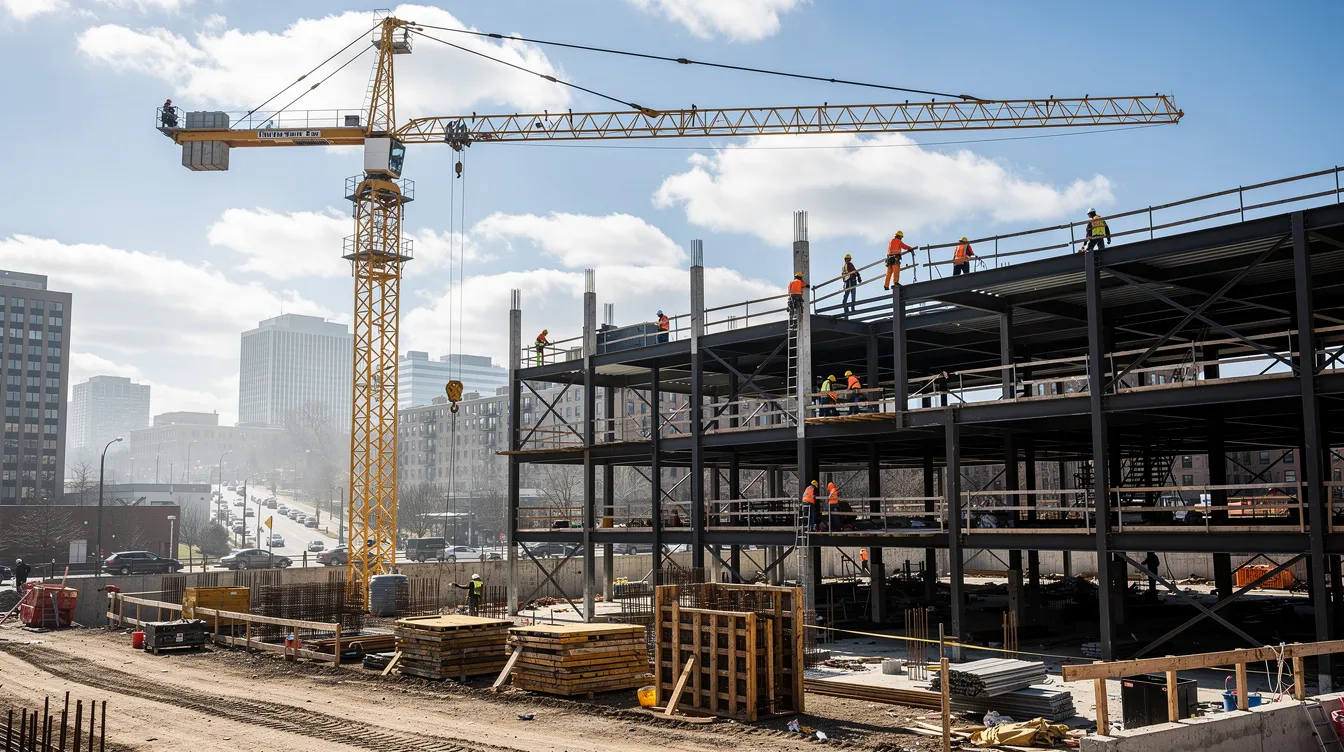
Singapore’s construction demand is projected between $47B and $53B for 2026, and the complexity of that pipeline reflects a city-state where construction in Singapore faces severe spatial constraints due to its dense urban environment. Er. Aman’s diverse project portfolio spans the full breadth of this landscape, and each category presents distinct structural challenges that demand specialized engineering solutions.
MRT and Underground Rail Systems
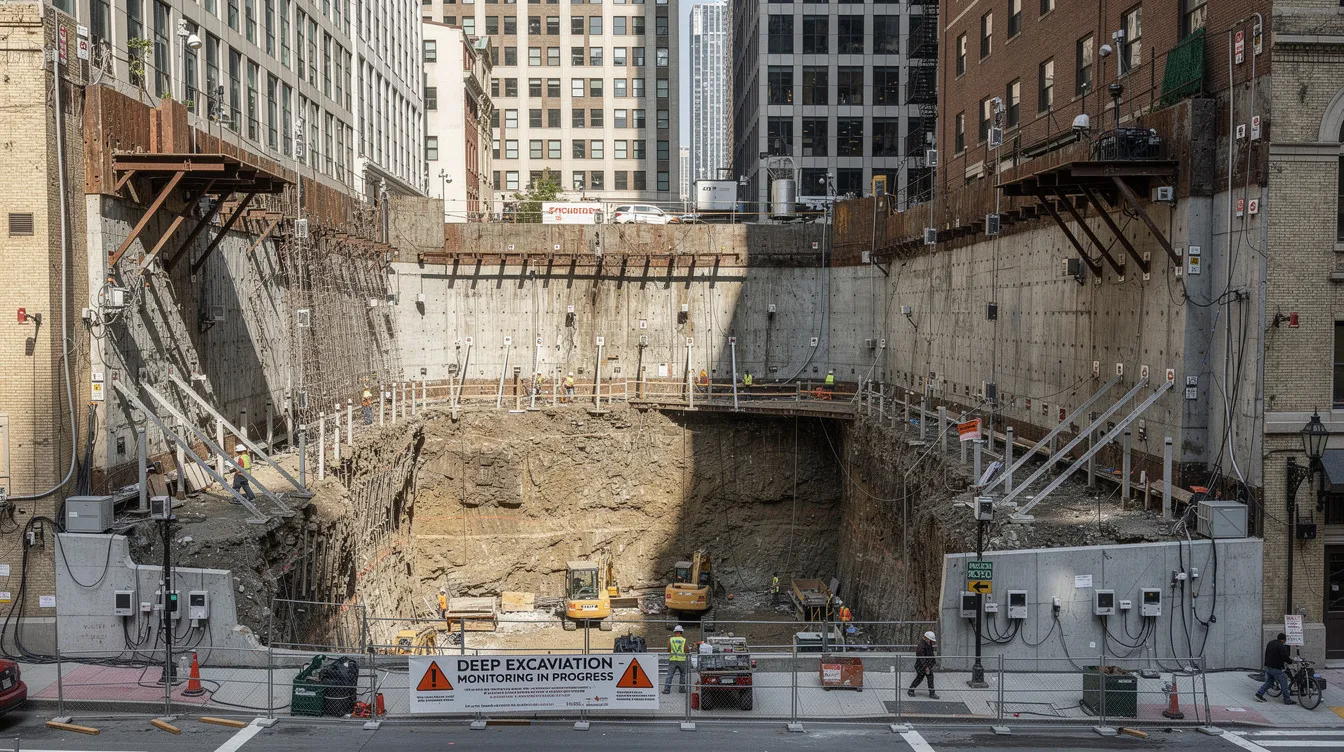
Underground rail construction in Singapore requires deep excavations adjacent to existing structures-a challenge compounded by the prevalence of Kallang Formation marine clay with undrained shear strength often below 25 kPa and SPT N-values less than 2. Civil engineering projects in Singapore include MRT works and public developments, and these rail projects represent some of the most technically demanding work in the industry.
Er. Aman’s MRT-related experience encompasses structural integration challenges where new tunnel alignments pass beneath or adjacent to existing infrastructure and utilities. Precise tolerances for rail alignment and station construction coordination require millimetre-scale monitoring-inclinometers, tiltmeters, and settlement markers-throughout excavation and construction phases. Structural integrity must be maintained during deep underground construction to ensure safety, and the consequences of failure in these environments are catastrophic.
Viaduct and Bridge Projects
Elevated infrastructure presents a different set of complexities. Span optimization must account for urban constraints and continuous traffic flow maintenance, while dynamic loading considerations for heavy rail and vehicular traffic demand rigorous analysis under both serviceability and ultimate limit states. Integration with existing road networks and utility corridors frequently constrains pier placement, requiring creative bridge engineering approaches to maintain structural performance within tight geometric envelopes.
Architectural and engineering designs must account for seismic and heavy civil safety pressures-particularly relevant for viaducts carrying both vehicular and rail loads simultaneously. Er. Aman’s experience with these systems spans design verification, load path analysis, and the temporary works required to construct such structures over live corridors.
HDB and JTC Development Complexities
High-density residential structural systems present a challenge of scale: hundreds of dwelling units per block, each requiring cost-effective solutions that still meet Singapore’s building codes, which govern every major construction decision. Over 70% of Singapore’s buildings require PE endorsement for renovations, and new HDB developments demand even more rigorous structural certification.
JTC industrial projects introduce heavy loading and specialized requirements-crane loads, vibration isolation, chemical exposure resistance-that standard residential or commercial designs cannot accommodate. JTC requires prior written consent for new developments on industrial land, and the authority approval process demands detailed structural submissions demonstrating compliance with both industrial loading standards and environmental requirements.
Authority compliance across multiple agencies (BCA, URA, singapore civil defence force, public utilities board) creates a web of statutory requirements that, if not managed proactively, leads to regulatory rejections that can cause costly redesigns in Singapore projects. Effective planning prevents costly delays in major infrastructure projects in Singapore, and Er. Aman’s firm has developed systematic approaches to address this challenge.
Detailed Case Study Analysis: Signature Project Solutions
The following three case studies demonstrate Er. Aman’s problem-solving methodology across Singapore’s most challenging infrastructure categories. Each illustrates how a multidisciplinary approach is essential for addressing complex infrastructure challenges in urban settings.
Case Study 1: Downtown MRT Extension Structural Integration (2018–2020)
Challenge: A section of the Downtown MRT extension required new tunnel structures to pass within metres of existing operational MRT tunnels. The site was underlain by Upper Marine Clay of the Kallang Formation-several metres thick, with SPT N-values below 2 and undrained shear strength under 25 kPa. Adjacent commercial buildings and active utilities created severe spatial constraints. Any excessive ground movement risked disrupting existing rail service and compromising the structural integrity of neighbouring foundations.
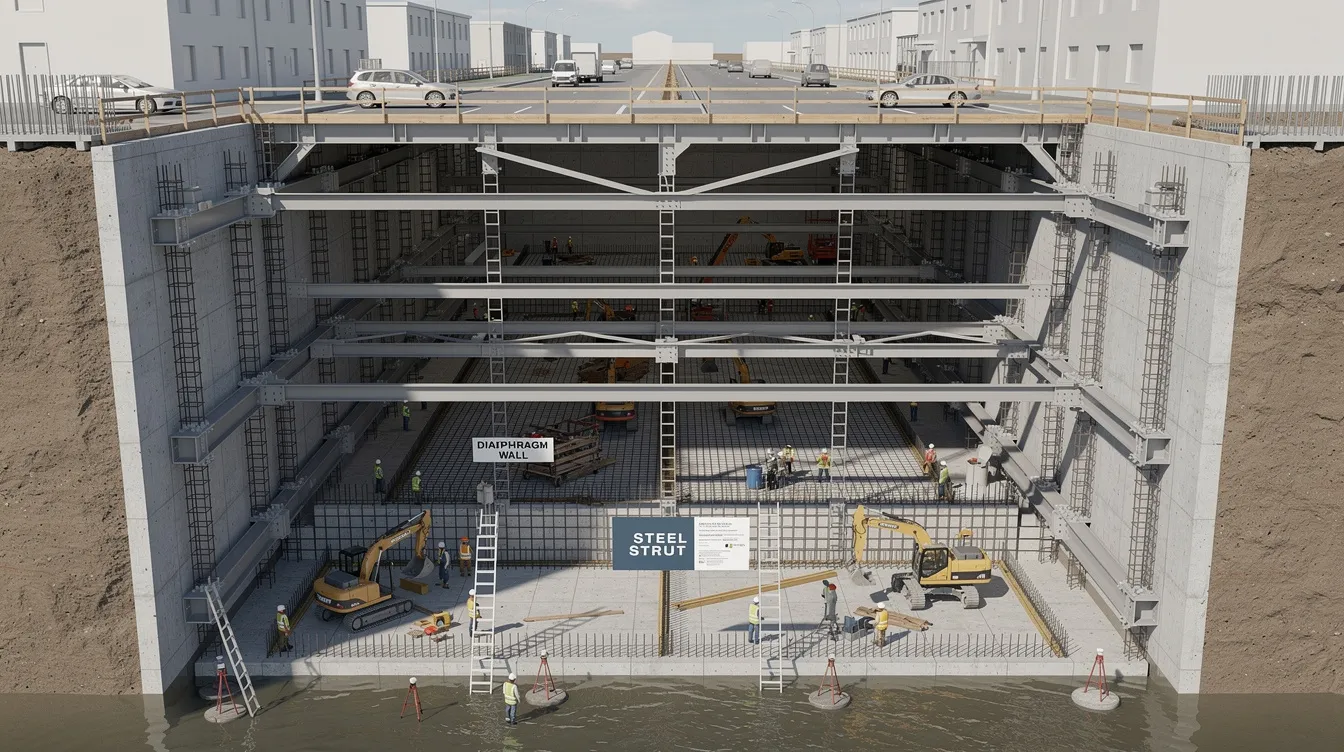
Solution approach: Er. Aman’s team conducted advanced soil-structure interaction analysis using 3D finite element modelling, recognizing that 2D FEM often fails to capture wall deflection behaviour accurately in geometrically complex excavations. The analysis informed the selection of a diaphragm wall earth retaining and stabilising system (ERSS) with internal steel struts, combined with a deep soil mixing (DSM) block at excavation base to prevent basal heave. Jet grouting sealed the interface between the diaphragm wall panels and the improved soil block, controlling groundwater ingress.
Technical innovations: A custom underpinning system transferred loads from adjacent building foundations before excavation commenced. Real-time monitoring protocols-inclinometers in the retaining walls, settlement markers on adjacent structures, and tiltmeters on the existing tunnel lining-provided continuous data feeds. Alert thresholds were set at conservative levels (wall movement limited to 15 mm, adjacent ground settlement capped at 12 mm), with predetermined remedial actions if limits approached.
Measurable outcomes: The project achieved zero service disruption to the existing MRT line. Wall deflections measured during excavation remained below design predictions, with maximum recorded deflection of approximately 11 mm-well within the 15 mm threshold. Value engineering in the strut layout and DSM column spacing delivered approximately 15% cost savings versus the original conservative design, without compromising safety or code compliance. PE endorsement was obtained before construction began, and the required professional sign-off was secured before works proceeded, with BCA submissions including a qualified person’s endorsement as mandated.
Technical Methodology Comparison
|
Parameter |
Conventional Approach |
Er. Aman’s Approach |
|---|---|---|
|
Soil modelling |
2D plane-strain FEM; conservative parameter assumptions |
3D FEM with back-analysis calibration; site-specific soil parameters from comprehensive geotechnical site investigation |
|
Ground improvement |
Full-depth bored piling (higher cost, longer programme) |
Targeted DSM + jet grouting block at excavation base (cost efficient, reduced programme) |
|
Monitoring strategy |
Periodic manual readings at weekly intervals |
Real-time automated instrumentation with live dashboards and predetermined trigger responses |
This comparison illustrates how Er. Aman’s dedicated engineers apply construction-informed design thinking to achieve a practicable solution that balances technical performance, programme, and cost.
Case Study 2: Jurong Industrial Viaduct Load Optimization (2019–2021)
Challenge: An elevated viaduct serving a JTC industrial zone required a 50% increase in design live load capacity after the original structural engineering design was completed. A new industrial tenant’s heavy equipment-exceeding the original loading assumptions-necessitated structural upgrading without demolishing or replacing the existing structure. The viaduct carried active vehicular traffic and provided access to surrounding industrial facilities, making prolonged closure impractical.
Solution: Er. Aman’s team conducted a detailed load path analysis of the existing structure, identifying specific elements where capacity deficits existed. Rather than wholesale strengthening, targeted interventions were designed: fibre-reinforced polymer (FRP) wrapping of critical beam sections to increase flexural and shear capacity, combined with the addition of two supplementary piers at mid-span locations to reduce effective spans and redistribute loads.
Structural retrofitting was sequenced to maintain single-lane traffic flow throughout the works. Design for Safety Professional (DfSP) principles were integrated from the outset-design for safety reduces construction-related fatalities by 21%, and the phased approach eliminated the risk of working under heavily loaded spans. Prevention through Design (PtD) integrates safety into early project phases, and this project exemplified that philosophy.
Stakeholder coordination: LTA, JTC, and PUB are key stakeholders in Singapore’s public infrastructure projects, and aligning their requirements simultaneously was essential. Early coordination with authorities is crucial to comply with regulatory requirements in construction. Er. Aman’s team prepared parallel submission packages for JTC (structural and land-use), BCA (building plan approval with PE endorsement), and SCDF (fire safety compliance for the modified access routes). SCDF enforces fire safety regulations under the Fire Safety Act, and a fire safety submission must be made before construction begins-requirements that the integrated submission strategy addressed concurrently.
Results: The load upgrade was completed within an 8-week construction timeline. Traffic disruption was limited to single-lane closures during off-peak hours. The strengthened viaduct met full Eurocode loading requirements with adequate safety margins, and the FRP system provided a 30-year design life with minimal maintenance requirements.
Case Study 3: Tampines HDB Foundation Settlement Resolution (2020–2022)
Challenge: A 240-unit HDB residential block in the Tampines area experienced unexpected differential settlement exceeding serviceability limits. Post-construction monitoring revealed ongoing consolidation in a pocket of soft marine clay that had not been fully characterized during the original site investigation. Visible cracking appeared in ground-floor units and common areas. A hairline crack can indicate serious structural issues if it widens, and the rate of crack propagation raised concern among residents and the Housing Development Board.
Solution: Er. Aman’s team was engaged for emergency structural assessment. Structural diagnostics utilized certified inspection frameworks to identify hidden issues-comprehensive crack mapping, level surveys across all floors, and borehole investigations to characterize the previously undetected soft clay pocket (approximately 8 m thick, with SPT N-values below 5).
The remediation proceeded in two phases. Phase 1 involved emergency stabilization: micro-piling was installed through the existing raft foundation to transfer loads to competent bearing strata below the marine clay. Hydraulic jacks re-levelled affected structural elements to within acceptable tolerances. Phase 2 comprised permanent foundation reinforcement through deep soil mixing columns installed around the building perimeter, achieving an average unconfined compressive strength of approximately 3 MPa and modulus of approximately 390 MPa-sufficient to arrest ongoing consolidation settlement.
Resident safety management: Design decisions significantly impact safety outcomes in construction, and Er. Aman’s team implemented a safety professional’s risk assessment that allowed continued occupancy of upper floors while ground-level remedial works proceeded. Incorporating safety in design can prevent costly project delays, and the phased approach avoided full building evacuation-a significant achievement for a 240-unit block.
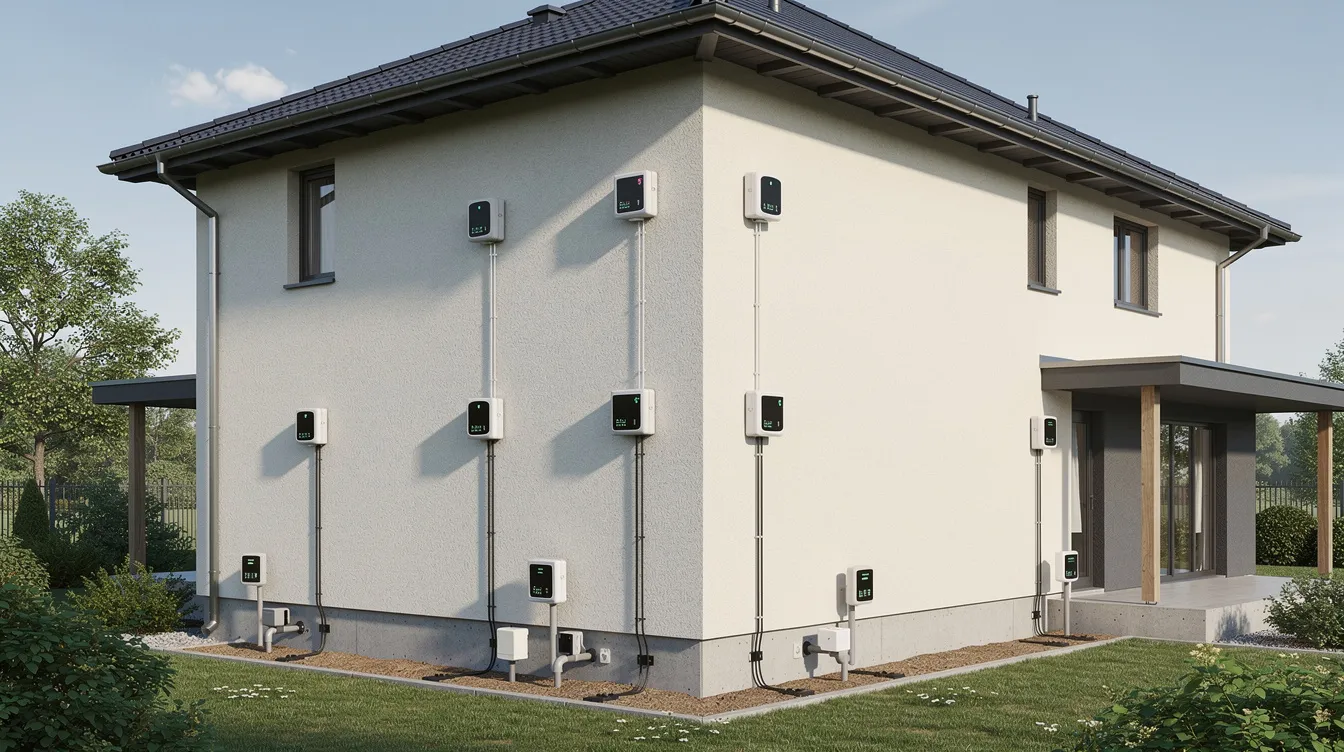
Long-term monitoring: A permanent structural health monitoring system was installed, comprising settlement markers at all four corners of the building, crack gauges across identified fracture planes, and tiltmeters on the building façade. Periodic Structural Inspections are mandated for buildings over 30 years old, but Er. Aman recommended accelerated inspection intervals for the first five years post-remediation. The monitoring data confirmed settlement stabilization within 6 months of completion, with total residual movement below 2 mm.
Common Structural Challenges and Er. Aman’s Solutions
Rigorous compliance with local regulatory frameworks is essential in Singapore’s construction projects, and Er. Aman’s vast experience across project types has revealed recurring patterns in the challenges that developers, contractors, and statutory boards face.
Soft Marine Clay and Settlement Issues
Singapore’s Kallang Formation marine clay-with undrained shear strength often below 25 kPa-underlies many development sites, particularly in eastern and southern coastal areas. Er. Aman’s approach begins with comprehensive soil investigation protocols that go beyond minimum regulatory requirements, characterizing clay thickness, consolidation parameters, and groundwater conditions with sufficient resolution to inform foundation selection.
Advanced foundation design solutions include micro-piling to competent strata, deep soil mixing to stiffen soft zones (achieving UCS values of 2.5–4 MPa), and hybrid raft-pile systems that optimize cost against settlement performance. Value Engineering aims to reduce structural member sizes while ensuring code compliance, and Er. Aman’s foundation designs consistently demonstrate that the most expensive solution is not always the most appropriate one.
Urban Space Constraints and Existing Infrastructure
Construction in Singapore faces severe spatial constraints due to its dense urban environment, and nearly every significant project involves working adjacent to existing buildings, utilities, tunnels, or roadways. Building Information Modelling (BIM) enhances coordination across structural, architectural, and mechanical services, and Er. Aman’s team employs 3D through 6D BIM modelling to identify spatial clashes before they become site problems.
Phased construction approaches-including top-down construction methods and carefully sequenced excavation-minimize disruption to existing structures and utilities. Real-time monitoring during construction provides the feedback loop necessary to verify that predicted movements remain within acceptable limits, with predetermined contingency actions if thresholds are approached.
Multi-Agency Authority Compliance and Design for Safety
BCA requires formal design approval for all retaining wall projects. URA manages Singapore’s 55 planning areas and development control. NEA approval is mandatory for environmental compliance in construction. Fire safety compliance is mandatory for all construction projects in Singapore, with the SCDF requiring a Qualified Person for fire safety submissions. Fire safety certificates must be renewed every three years in Singapore.
Navigating this regulatory landscape requires more than technical competence-it demands strategic submission planning. Er. Aman’s team prepares integrated submission packages that address each agency’s requirements concurrently, reducing the iterative back-and-forth that delays projects. PE endorsement is mandatory for BCA submissions in Singapore, and PE endorsement must be obtained before construction begins. By understanding the distinct expectations of BCA, URA, LTA, SCDF, PUB, and other statutory boards, the firm minimizes resubmission cycles and keeps projects on programme.
Stellar Structures supports regulatory approval processes for projects across residential, commercial, and industrial sectors. The company focuses on addition and alteration works in Singapore, and this breadth of experience means the team understands the nuances of JTC submission requirements, HDB renovation works approvals, and BCA certified construction productivity standards across project types.
Conclusion and Next Steps
Er. Aman Aboobucker’s approach to Singapore’s most challenging infrastructure projects reflects a systematic methodology: begin with thorough site investigation and soil characterization, model rigorously using 3D FEM and BIM tools, design for constructability informed by his decade of contractor experience, coordinate proactively with all regulatory authorities, and monitor continuously to verify performance against predictions. Effective design for safety can lower project costs by minimizing risks, and this principle runs through every project Stellar Structures undertakes.
His career trajectory-from the national university of Singapore through AECOM, Mott MacDonald, Lum Chang, CRCC, and CCCC to establishing his own engineering practice-has produced a chartered engineer and asean professional engineer whose dedication to solving complex problems serves developers, contractors, and clients across Singapore’s built environment.
For developers and contractors facing complex structural challenges, the immediate next steps are:
-
Engage a qualified professional engineer early-before design concepts are finalized. A PE must assess proposed works early in the project to identify risks and optimize solutions from the outset.
-
Invest in comprehensive site investigation-particularly in areas with known marine clay or reclaimed land. Inadequate soil data is the single largest source of cost overruns and programme delays.
-
Coordinate authority submissions proactively-prepare parallel packages for BCA, URA, SCDF, and relevant statutory boards to prevent sequential approval delays that compound across project timelines.
-
Implement monitoring from day one-real-time instrumentation is not a luxury but a risk management necessity for any project involving deep excavation or work adjacent to existing infrastructure.
Related areas worth exploring include advanced geotechnical assessment methods, sustainable infrastructure design incorporating reduced-carbon ground improvement techniques, and emerging digital construction technologies that are reshaping how Singapore delivers its infrastructure pipeline.
Additional Resources
-
Stellar Structures project portfolio and technical capabilities: The firm offers consultancy for residential and commercial projects, structural diagnostics, façade inspection (CP façade qualified erosion control professional and façade inspector services), and periodic structural inspection for industrial buildings. Drone technology is used in façade and structural inspections to meet regulatory requirements. Common signs of facade deterioration include cracks and rust staining, and structural inspections assess load paths and existing capacity changes.
-
Singapore authority submission guidelines: BCA submissions must include a qualified person’s endorsement. The design check process and PE endorsement requirements apply across structural works, renovation works, alteration works, and new construction. Façade inspections help identify risks from environmental exposure across commercial and residential portfolios.
-
Project consultation: Er. Aman Aboobucker (BEng Hons, MSc Structural Engineering, National University of Singapore) and his team of dedicated engineers, including electrical engineers and mechanical specialists, advise and serve clients across residential, commercial, and industrial sectors. The team’s vast experience across similar projects-from large townships to individual building maintenance-ensures every project receives the technical depth and construction-informed perspective that Singapore’s demanding infrastructure environment requires. Contact Stellar Structures for structural engineering, building engineering, and civil engineering consultation across Singapore’s infrastructure projects.