




Fire Safety Certificate (FSC) Application for Transport Infrastructure Buildings Made Simple: A Step‑by‑Step Walkthrough
Introduction
A Fire Safety Certificate (FSC) is the final approval issued by the Singapore Civil Defence Force (SCDF) confirming that every permanent fire safety installation inside a transport infrastructure building-MRT station, bus interchange, road tunnel, depot, or elevated viaduct station-has been installed, tested, and found fully compliant with approved fire safety plans and the applicable codes: Fire Code 2023, the Code of Practice for Fire Precautions in Rapid Transit Systems (CPFPRTS) 2022, and the Code of Practice for Fire Precautions in Road Tunnels (CPFPRT) 2025. A Fire Safety Certificate is mandatory for building occupancy; occupying a building without a valid fire safety certificate is illegal and can lead to legal penalties under the Fire Safety Act.
This article is a practical, step‑by‑step walkthrough of the fire safety certificate application process specifically for transport infrastructure projects in Singapore-from early concept design through SCDF site inspection and certificate issuance. It covers every submission type, every responsible party, and every document you need along the way.
How do you apply for an FSC for a transport infrastructure building in Singapore? In short: appoint a qualified person (QP), secure fire safety plan approvals through CORENET / CORENET X, complete all fire safety works, obtain registered inspector sign‑off, then submit the FSC application electronically to SCDF.
This walkthrough is written for LTA project officers, transport developers, main contractors, design‑and‑build consortia, and building owners responsible for MRT, LRT, bus hub, depot, and tunnel facilities in Singapore. By the end, you will:
- Understand the regulatory requirements governing fire safety for transport infrastructure
- Know exactly which documents, forms, and certifications are needed at each stage
- See each stage mapped against typical timelines for a new station or tunnel
- Recognise common pitfalls that delay FSC issuance-and how to avoid them
- Learn how Stellar Structures can support end‑to‑end authority submissions, from concept fire strategy through FSC and beyond
Understanding the Fire Safety Certificate (FSC) for Transport Infrastructure
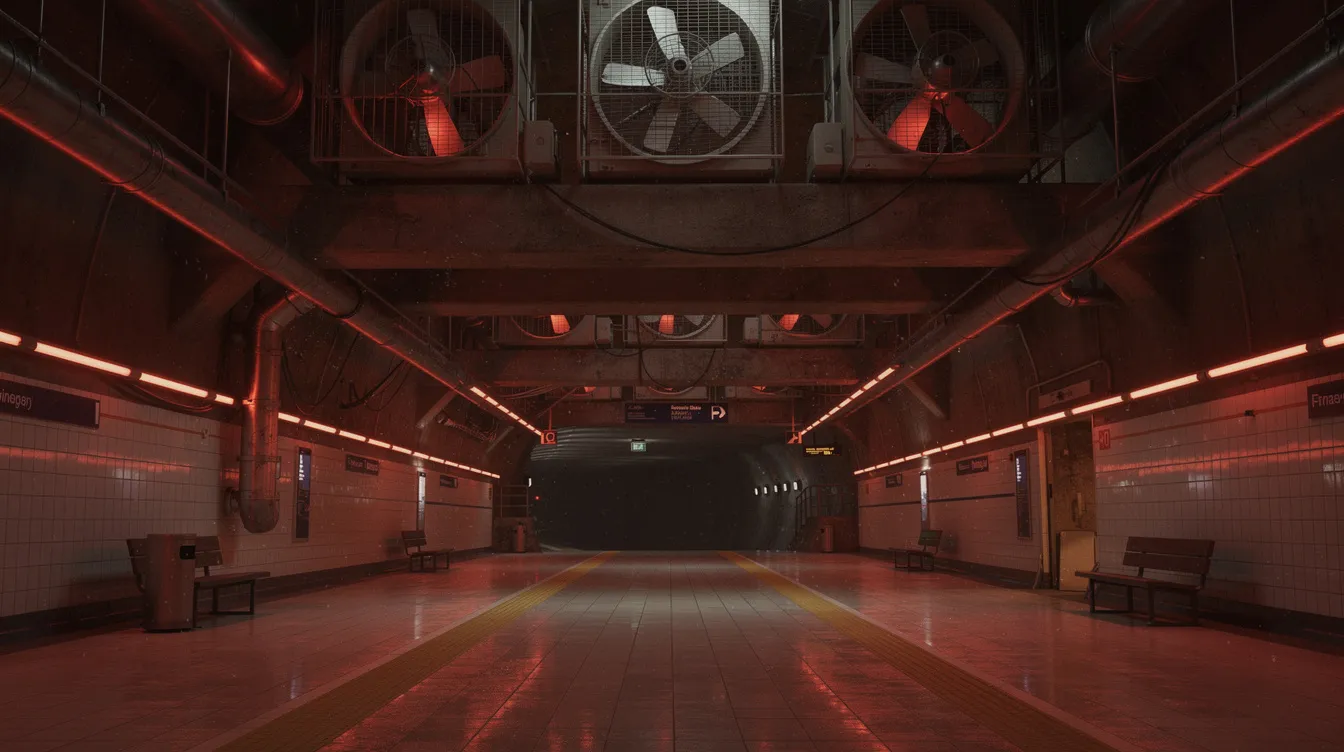
The fire safety certificate FSC is the one‑time gateway that must be crossed before a new rail line, station, interchange, depot, or tunnel segment can open to passengers or vehicles. Unlike a safety certificate for a standard commercial building, an FSC for transport infrastructure certifies compliance within environments that present uniquely severe fire risks: high passenger density at peak hours, enclosed underground spaces where smoke behaviour is unpredictable, long tunnels with limited escape points, and multi‑level interchanges that may integrate retail, bus, and rail under one roof.
Complex passenger flows necessitate stricter fire safety measures for transport facilities. A deep underground station might serve tens of thousands of commuters per hour, with evacuation routes constrained by geology, structural elements, and the operational need to keep trains running. These factors make the SCDF fire safety certificate process for transport projects more demanding in scope, documentation, and testing than for most other designated buildings.
The FSC is distinct from the Fire Certificate (FC), which focuses on operational maintenance. Once a transport facility opens, ongoing maintenance, annual inspections, and system reliability checks fall under the Fire Certificate regime. But the FSC itself is the critical checkpoint: without it, no passengers board, no vehicles pass through.
What the FSC Actually Certifies in a Transport Context
The FSC certifies that all permanent fire safety systems in the station, tunnel, interchange, or depot have been installed, tested, and found compliant with approved plans and applicable codes-Fire Code 2023, CPFPRTS for rapid transit, or CPFPRT 2025 for road tunnels. The FSC is issued after all fire safety works are completed and verified.
Fire safety installations include systems like sprinklers, fire alarms, and smoke control. For transport infrastructure specifically, the building’s fire protection systems subject to FSC verification typically include:
- Platform‑level sprinkler systems or water mist suppression systems
- Tunnel ventilation systems (TVS) and smoke control systems for underground stations and tunnels
- Fire detection, fire alarm systems, public address (PA), and fireman intercom systems
- Emergency lighting, directional signage, and refuge area provisions
- Fire compartmentation elements: fire‑rated walls, floors, fire doors, and fire shutters
- Hydrants, hose reels, dry rising mains, and fire engine access road infrastructure
- Emergency power supplies, standby generators, and electrical redundancy for critical fire protection systems
- Pressurisation systems for escape staircases and fire‑fighting lobbies
For multi‑station projects, SCDF can issue phased FSCs for individual stations, depots, or tunnel sections, provided each segment is fire‑separated and independently compliant. This phased approach is routine for new MRT lines where some stations open before others. However, phased certification must be planned early, with clear demarcation boundaries agreed with SCDF.
The FSC does not replace the Fire Certificate (FC) required for ongoing maintenance once the facility is in operation.
FSC vs Fire Certificate vs Temporary Fire Permit for Transport Projects
Understanding the differences between these three instruments prevents confusion and misaligned planning:
Fire Safety Certificate (FSC): A one‑time certificate issued per phase before opening each station, interchange, depot, or tunnel section to public traffic. Only qualified professionals can apply for a Fire Safety Certificate. A Fire Safety Certificate is valid for 12 months and must be renewed annually; where SCDF issues the first FSC before full project completion, that validity timeline may be referenced against the Temporary Occupation Permit depending on SCDF approval arrangements. Ongoing compliance includes applying for a recurring Fire Certificate (FC) within 12 months of obtaining the FSC.
Fire Certificate (FC): An annual or periodic renewal for major transport hubs-MRT interchanges, integrated bus‑rail hubs, large depots-once in operation. Fire certificate renewal verifies maintenance standards, system reliability, and continued fire safety compliance. Fire Safety Certificates must be renewed annually in Singapore.
Temporary Fire Permit (TFP): A temporary fire permit allows limited occupancy before full FSC issuance. TFP is issued when fire safety works are mostly complete but minor non‑critical items remain. TFP is valid until minor fire safety issues are resolved; the timeframe to obtain FSC after TFP depends on project complexity. In transport contexts, TFP supports trial operations, non‑revenue testing of a new platform, or partial opening of a depot.
| Criterion | Fire Safety Certificate (FSC) | Temporary Fire Permit (TFP) | Fire Certificate (FC) |
|---|---|---|---|
| When Issued | Full completion of fire safety works | Near‑completion, minor items outstanding | During operations (annually) |
| Validity | 12 months (then transitions to FC) | Limited and temporary | Annually renewable |
| Typical Transport Use | Opening a station, tunnel, or depot | Trial running, partial opening | Ongoing operation certification |
Regulatory Framework for Transport Infrastructure Fire Safety
The regulatory framework rests on several interlocking instruments. The Fire Safety Act mandates obtaining an FSC before occupancy and empowers SCDF’s Fire Safety & Shelter Department to approve plans, inspect works, and enforce fire safety compliance; that requirement also applies across other designated building classes, including industrial buildings and private residential buildings, although this guide focuses only on transport infrastructure. The Fire Code 2023, which became effective on 25 August 2023, establishes baseline fire safety standards for design, construction, and management of buildings.
The Fire Code includes various standards specific to types of transport infrastructure, such as the CPFPRTS. For rapid transit systems-MRT and LRT stations, trainways, and depots-CPFPRTS 2022 sets requirements that are typically stricter than the baseline fire code, particularly for means of escape, fire compartmentation, and smoke control. Where CPFPRTS and the Fire Code conflict, CPFPRTS prevails for transit facilities. SCDF issued a 2nd batch of amendments to CPFPRTS on 1 September 2025, with a six‑month grace period-QPs must verify which clauses apply based on their submission date.
For road tunnels, CPFPRT 2025 replaced reliance on NFPA 502. As of 1 March 2026, all new road tunnel designs must comply with CPFPRT 2025. Projects submitted before certain dates with valid URA Planning Permission may qualify for a grace period.
Key authorities and roles:
- SCDF Fire Safety & Shelter Department: The primary fire authority that issues FSC, TFP, and FC; approves fire safety plans; inspects completed works
- Qualified Person (QP): Either a registered architect or professional engineer who designs fire safety works, submits plans via CORENET / CORENET X, and certifies compliance
- Registered Inspector (RI): Independent from design and construction roles; inspects and certifies works before FSC/TFP through formal inspection certificates and RI inspection report documents
- LTA: Project owner for public rail and road tunnel infrastructure
- BCA / URA / JTC: Parallel agencies involved in building control, planning permissions, and CORENET / CORENET X submissions
Specialist rapid transit and tunnel codes override the baseline fire code where conflicts arise-a critical point when designing and justifying fire engineering strategies. With this regulatory backdrop established, the next section focuses on the specific submission types and documents needed to eventually obtain the FSC.
Types of SCDF Fire Safety Submissions on the Road to FSC
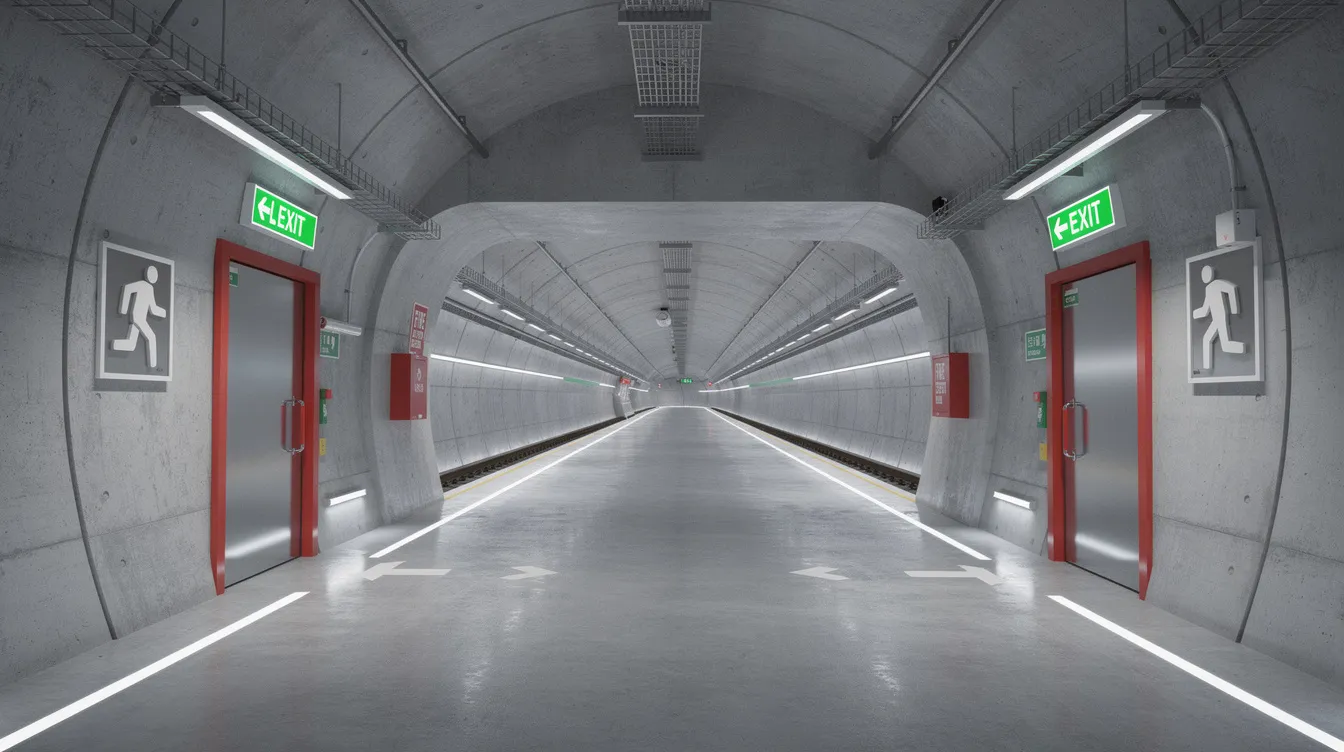
The FSC is the end of a long chain of submissions, not a standalone application. For transport infrastructure, SCDF processes multiple packages across the design–construction lifecycle: conceptual consultations, fire safety plans, fire engineering reports, building plan submissions, amendment packages, TFP/FSC applications, and eventually Fire Certificates.
Understanding these submission types-and their sequencing-prevents gaps that cause delays at the critical FSC stage.
Design‑Stage Fire Safety Plans and Fire Safety Reports
Early design submissions, typically aligned with 30%, 60%, and 90% design milestones, establish the fire safety framework for platforms, concourses, tunnels, plantrooms, egress routes, and fire compartments. FSC applications require detailed fire safety plans and reports, and these documents originate here.
The fire safety plans for transport infrastructure go well beyond typical building layouts. They include platform cross‑sections with marked evacuation paths, refuge areas sized at approximately 0.3 m² per person based on occupant load, emergency egress shafts, TVS shaft locations, and fireman access routes from street level to the deepest station levels.
The fire safety report serves a distinct purpose: it documents the analytical justification behind the design. Transport infrastructure projects typically require performance‑based Fire Safety Reports. These reports include occupant load calculations for peak‑hour crowds, evacuation modelling results, and smoke movement assessments for long tunnels and deep stations. Buildings must have at least two unobstructed emergency exits, but transport projects often require many more, and the FSR demonstrates their adequacy.
Qualified Persons (QPs) and specialist fire engineers prepare and endorse these documents. Architectural and Mechanical & Electrical (M&E) fire safety plans must be submitted by the QP as prerequisites for later building plan approval and, ultimately, the FSC.
Building Plan (BP) and Fire Safety Submission via CORENET / CORENET X
QPs submit integrated building plan packages through CORENET (and CORENET X for large or post‑2026 projects), categorising them under rail, transport, or tunnel facility types. FSC applications must be submitted electronically via CORENET.
Transport‑specific drawings typically required include:
- Longitudinal tunnel sections and cross‑passage layouts
- Emergency escape route diagrams at every level
- Depot yard plans with fire engine access road details
- Bus bay and driveway layouts for interchanges
- Ventilation plantroom plans with TVS capacities
- Emergency vehicular access (EVA) plans meeting the minimum 4 m width and 4.5 m overhead clearance
SCDF’s plan approval of the BP is mandatory before major structural works and tunnel fit‑out proceed. Review durations vary: expect 4–6 weeks for straightforward prescriptive stations, but 8–12+ weeks for complex interchanges and long tunnels involving heavy performance‑based content and potential peer review. These timelines directly affect the overall FSC schedule.
Completion‑Stage Submissions: TFP, FSC and Fire Certificate
Near completion, the project team may first apply for a temporary fire permit to support phased testing, trial running, or partial opening. A Temporary Fire Permit allows limited occupancy before FSC issuance while remaining minor items are rectified.
The FSC application itself relies on as‑built documentation, RI inspection certificates and reports, integrated test results, and updated approved fire safety plans. FSC applications require as‑built fire safety plans that accurately reflect what has been physically installed. A Fire Safety Instruction Manual must be included in the FSC application for railway stations-an item frequently overlooked.
For major hubs such as large MRT interchanges or integrated transport hubs, a valid fire certificate kicks in after FSC issuance, requiring annual renewal.
The path in summary:
- BP approval → confirms design compliance
- Construction → build to approved plans, manage variations
- Testing & commissioning → integrated system tests
- RI inspections → independent verification, RI inspection certificates issued
- TFP (if needed) → trial operations under limited occupancy
- FSC → full opening authorised
- FC (annual) → ongoing maintenance certification, applied for within 12 months of FSC
Step‑by‑Step Walkthrough: From Concept to FSC for Transport Infrastructure
This is the core section: a chronological, practical walkthrough from feasibility study to FSC issuance for a typical new MRT station or road tunnel in Singapore. Each step identifies clear actions, typical timing, and responsible parties-the qualified person QP, project owner, main contractor, registered inspector, and fire engineer.
Stellar Structures typically steps in at multiple stages, from early fire engineering design briefs through to FSC application coordination.
Step 1: Pre‑Design Strategy and Early Authority Engagement
Timing: 3–5 years before line opening
Activities at this stage include feasibility studies, concept design reviews, and identification of all transport components: stations, ventilation shafts, depots, tunnels, and interchanges. The project team must appoint a QP and fire engineer early-this is not optional for projects of this complexity.
Arranging pre‑consultation meetings with SCDF (and LTA/BCA) confirms which codes will apply: Fire Code 2023 as the baseline, CPFPRTS for rapid transit elements, or CPFPRT 2025 for road tunnels. Complying with the fire code is essential for transport facilities in Singapore, and locking in the applicable edition and amendments early prevents costly redesigns.
The initial fire safety strategy should address egress philosophy, smoke control concepts, evacuation routes in tunnels, redundancy in power and communication systems, and fire compartmentation principles. Stellar Structures can help compile a Fire Engineering Design Brief at this stage to align SCDF expectations from day one.
Step 2: Concept Design and Preliminary Fire Safety Plan (Around 30% Design)
Timing: 2–3 years before opening
At approximately 30% design, the project team sketches preliminary fire safety plans for platforms, concourses, and tunnels, respecting basic fire code egress distances, door widths, and fire resistance rating requirements.
Typical tasks include:
- Sizing and positioning emergency staircases and escape shafts
- Locating cross‑passages in tunnels at code‑compliant intervals
- Designing fireman access routes from street level to the lowest platform
- Planning fire engine access road geometry near tunnel portals and station entrances (minimum 4 m width, 4.5 m overhead clearance, hydrants within 50 m of every access point)
Preliminary evacuation calculations and crowd modelling validate stair widths and exit capacities during peak passenger loadings. This stage establishes fire safety as an integral part of the architecture-not something “added on” during fit‑out. For underground stations, constraints are particularly severe: geological conditions may limit staircase locations, and deep box structures create long vertical escape distances.
Step 3: Detailed Design, Performance‑Based Analysis and Final FSR (60–90% Design)
Timing: 1–2 years before opening
Between 60% and 90% design, the fire engineer refines calculations and runs detailed simulations: egress modelling for crowded platforms, CFD smoke simulations in deep shafts and tunnels, and heat release assessments for train fire scenarios. Smoke control design often fails in deep underground stations if not rigorously analysed at this stage.
Design deliverables at this milestone include:
- Finalised sprinkler or water mist layouts, detection and alarm zoning
- TVS and smoke extraction capacities, including redundancy under fault scenarios
- Pressurisation details for escape stairs and fire‑fighting lobbies
- Emergency lighting design and refuge area provisions
- Fire compartmentation schedules with confirmed fire resistance ratings
Deviations from prescriptive fire code requirements-such as slightly longer travel distances or non‑standard ventilation arrangements-must be justified in a comprehensive fire safety report with peer review if required by SCDF. Only qualified professionals can submit these justifications.
Stellar Structures typically coordinates between architectural, structural, and M&E teams at this stage so that all drawings reflect the agreed fire strategy before BP submission. This cross‑discipline coordination is critical: late design changes can invalidate approved fire safety plans, triggering amendment submissions that push the entire FSC timeline back.
Step 4: CORENET / CORENET X Building Plan Submission and SCDF Review
Timing: 12–18 months before opening
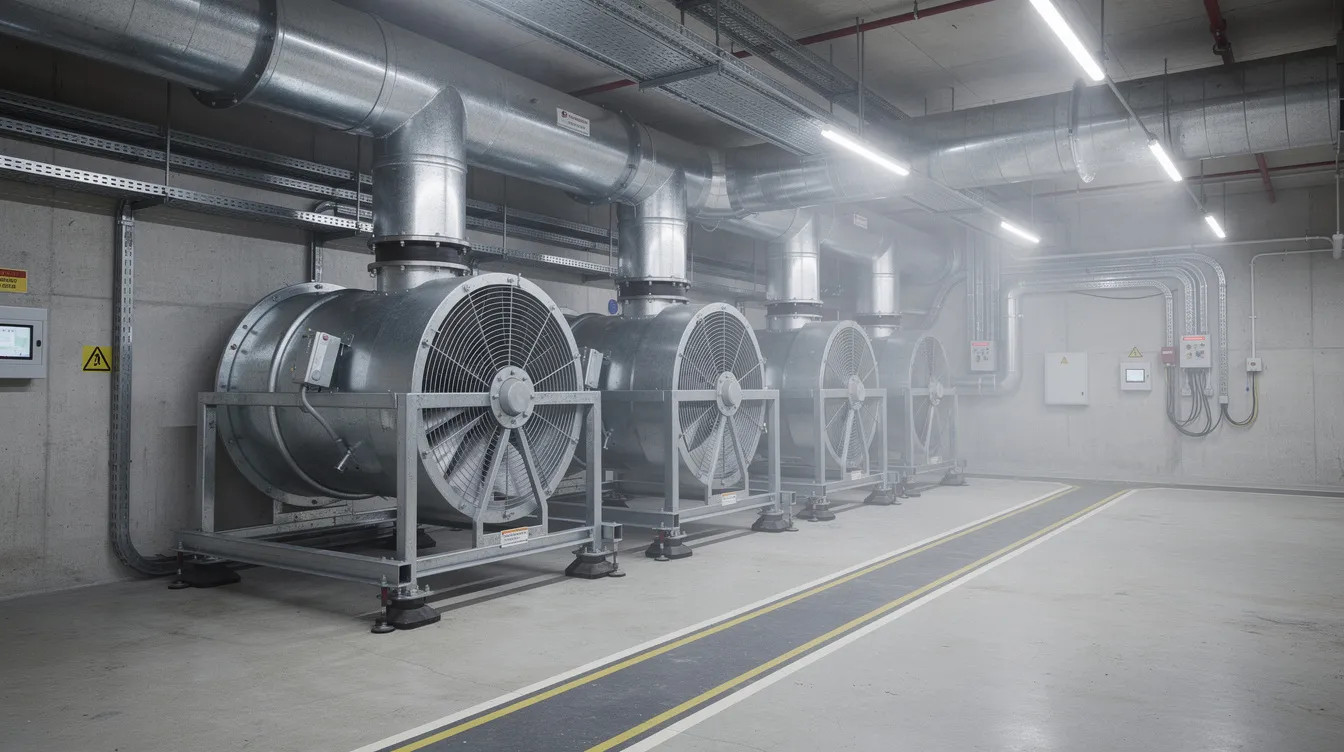
The QP consolidates all final design documents into a coordinated BP submission through CORENET or CORENET X, including architectural plans, M&E layouts, fire protection layouts, and the fire safety report. Supporting information typically includes design basis reports for TVS, tunnel cross‑passage spacing justifications, maximum evacuation time calculations, and system redundancy concepts.
SCDF’s review behaviour follows a predictable pattern: 4–6 weeks for conventional prescriptive stations, 8–12+ weeks for complex interchanges and long tunnels with extensive performance‑based content. SCDF reviews applications and may request additional documents or conduct site inspections during this process.
Best practices for this stage:
- Respond promptly and comprehensively to SCDF clarifications
- Consolidate replies from the QP team rather than sending piecemeal responses
- Track all “assumptions” agreed during review-SCDF will verify these again at FSC stage
- Ensure regulated fire safety products specified in the design have valid Certificates of Conformity (CoC), with test reports within the required age limits (generally 5 years for discrete systems, up to 10 years for certain non‑discrete systems)
Step 5: Construction Stage Controls, Variations and Interim Testing
Timing: Throughout construction (typically 2–4 years)
During multi‑year construction, design changes inevitably arise. Revised retail layouts in interchanges, relocated plantrooms, added security provisions, or new back‑of‑house rooms can all impact fire compartmentation, egress routes, and smoke control systems. Coordination gaps among contractors lead to compliance issues if changes are not properly managed.
A structured change‑control process is essential:
- Internal design review of every proposed change
- Assessment of fire safety impact by the QP and fire engineer
- Preparation of amendment submissions to SCDF for significant changes
- Updated fire safety plans reflecting the as‑built condition
During construction, temporary fire safety measures must be installed for deep excavation and long tunnels: temporary fire alarms, hose reels, emergency lighting, and safe egress routes for workers. These are separate from the permanent installations but reflect good practice and regulatory expectations.
Early off‑site and factory testing of major systems-TVS fans, fire pumps, control panels-reduces the risk of failure during final integrated tests. Sectional testing allows problems to be identified and resolved well before the RI inspections begin.
Step 6: Pre‑FSC Testing, Commissioning and Registered Inspector Inspections
Timing: 6–12 months before expected opening
This is where the project moves from “built” to “certified.” Full integration testing covers all fire and life‑safety systems: fire alarms, PA, emergency lighting, sprinkler systems, hydrants, TVS, smoke extraction, pressurisation fans, and emergency power switchover.
Registered Inspectors (Architectural and M&E) verify compliance against approved plans and fire code requirements. They must be independent from design and construction roles-any conflict of interest disqualifies them. RI appointment documentation must be submitted to SCDF within 14 days of appointment, and the appointment letter is typically issued on the owner’s letterhead with the required signature and company stamp. Registered Inspectors (RIs) validate compliance with approved plans after construction and testing, issuing formal inspection certificates (Form 1 for full compliance, Form 2 for minor non‑compliance acceptable for TFP) and RI inspection report documents.
Meticulous documentation is non‑negotiable at this stage: test reports with dates and signatures, cause‑and‑effect matrices, as‑built drawings reflecting what is physically installed, and certificates for all regulated fire safety products. FSC applications must include RI inspection certificates and reports.
Stellar Structures often organises “mock” inspections-walkthrough rehearsals with the project team to catch issues before the formal RI and SCDF visits. These dry runs consistently reveal discrepancies that, if left unaddressed, would delay FSC issuance.
Step 7: Submitting the FSC Application and Managing SCDF Site Inspection
Timing: 4–8 weeks before planned opening
The QP submits the electronic fire safety certificate application through GoBusiness / CORENET with the following package:
- FSC/TFP application form
- RI inspection certificates (Form 1) and RI inspection report letter
- Accessway RI inspection certificates
- As‑built fire safety plans (architectural and M&E)
- Test reports for all fire safety systems
- Certificates of Conformity (CoC) for regulated fire safety products
- Fire Safety Instruction Manual (mandatory for railway stations)
- Updated cause‑and‑effect matrices
- Photographs of key installations
SCDF typically responds to FSC applications within 3 working days for a completeness check. Large transport infrastructure projects may require an SCDF site inspection after the FSC application, typically scheduled within roughly 10 calendar days.
SCDF site inspections in transport contexts involve a comprehensive walkthrough from street level to the deepest platform, verification of egress routes, and live demonstration of fire alarms, PA broadcasts, TVS operation, smoke control systems activation, and emergency power supply switchover. Inspectors verify that the fire safety works comply with approved plans.
Post‑inspection actions typically include rectification of minor findings, submission of updated photographs and records, and final issuance of the SCDF fire safety certificate-which authorises passenger or vehicular operation. The building owner or project owner should retain the issued certificate and a digital copy for future reference during inspections, audits, renewals, or related submissions.
Design Approaches for Transport Fire Safety: Prescriptive vs Performance‑Based
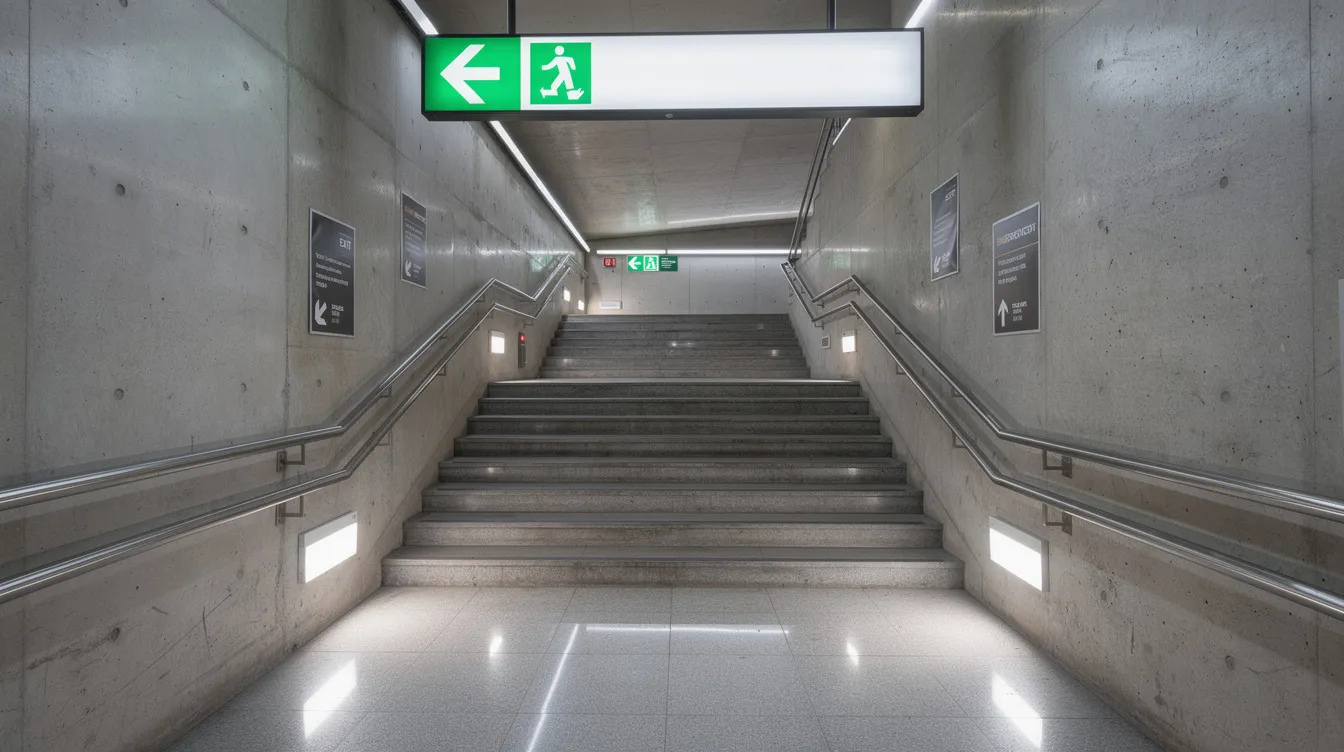
Transport infrastructure often cannot rely purely on prescriptive fire code rules. Space constraints, operational requirements, and the sheer complexity of underground or tunnel environments push many projects toward performance‑based fire engineering. Choosing the right approach early affects both design flexibility and FSC timeline.
Most projects sit on a spectrum: a small at‑grade bus terminal may achieve full prescriptive compliance, while a deep, multi‑line underground interchange almost certainly requires performance‑based design.
Prescriptive Fire Code Compliance for Simple Transport Facilities
Prescriptive design is usually sufficient for small bus terminals, simple at‑grade LRT stops, short underpasses connecting stations, and ancillary depot buildings. Designers follow Fire Code 2023 tables for travel distances, stair widths, fire resistance ratings, and apply standard layouts for sprinkler systems, fire alarm systems, and emergency lighting.
Benefits are clear: shorter SCDF review times, simpler fire safety works certification, easier RI inspections, and streamlined FSC documentation. The trade‑off is less flexibility for non‑standard layouts or architectural expression-but for straightforward facilities, this rarely matters.
Performance‑Based Fire Engineering for Complex Stations and Tunnels
Situations that typically require performance‑based design include:
- Deep underground interchanges with stacked platforms
- Long road tunnels exceeding 1 km
- Constrained city‑centre stations with limited surface access points
- Integrated retail‑transport hubs combining commercial and transit occupancies
Key analyses include evacuation simulations, CFD smoke modelling, tenability criteria for smoke and heat in tunnels, redundancy assessments for TVS fans and power feeds, and staged evacuation strategies. SCDF usually requires early agreement on performance‑based scope, peer review of fire safety reports, and sometimes additional demonstration tests-all of which impact FSC preparation time.
Stellar Structures provides integrated structural, M&E, and fire engineering inputs to ensure performance‑based solutions remain buildable and acceptable to SCDF.
Choosing the Right Strategy for Your Transport Project
Start with the prescriptive approach. Test it against your project’s physical constraints. Layer in performance‑based elements only where prescriptive compliance is impossible or highly inefficient.
Consider the contrast: a prescriptive bus terminal might move from BP submission to FSC in 12–18 months with minimal SCDF queries, while a performance‑based deep interchange could require 8–12+ weeks of SCDF review for the BP alone, plus additional peer review cycles and demonstration tests. The cost, timeline, and approval risk differences are substantial.
Early workshops with SCDF, LTA, and the consultant team-including Stellar Structures-help lock in the strategy before committing to detailed design. Regardless of approach, several common pitfalls routinely delay FSC, which the next section addresses.
Common FSC Challenges in Transport Infrastructure (and How to Solve Them)
Large, multi‑agency transport projects routinely face FSC delays due to a small set of recurring issues. The solutions below are field‑tested and targeted at MRT, bus, and tunnel contexts-not generic building advice.
Challenge 1: Exits and Travel Distances in Constrained Stations and Tunnels
Tight urban footprints or geological constraints frequently produce longer escape paths or fewer feasible stair locations than fire code tables allow. When travel distances cannot meet prescriptive limits, the project faces either costly redesign or a lengthy performance‑based justification process.
Solutions: Conduct early 3D circulation modelling, consider re‑stacking station levels, add intermediate cross‑passages or refuge areas in tunnels, and prepare performance‑based justification proactively. Addressing this at concept or 30% design is far cheaper and faster than reworking fit‑out just before FSC.
Challenge 2: Smoke Control and Tunnel Ventilation System (TVS) Integration
Coordinating TVS with architectural space constraints and M&E plantrooms is a persistent challenge. Miscoordination causes failed integrated tests close to FSC-by which point remediation is expensive and time‑critical. Smoke control system design requires early and sustained attention.
Solutions: Hold early multi‑discipline workshops, develop clear cause‑and‑effect matrices, conduct mock‑up or partial testing of TVS modes during construction, and plan realistic maintenance access. Stellar Structures often leads interface coordination between TVS designers, structural engineers, and contractors to prevent late rework.
Challenge 3: Inconsistent Documentation Between Disciplines
Misalignment between documents leads to SCDF queries-and delays. Typical inconsistencies include door schedules not matching fire safety plans, tunnel cross‑section labels differing between civil and M&E drawings, and mismatched zoning of alarms and TVS between narrative reports and schematics. Incomplete documentation causes delays in FSC applications.
Solutions: Use a centralised BIM model as the single source of truth, run pre‑submission QA checklists across all disciplines, and hold coordination meetings immediately before BP and FSC submissions. Fire compartmentation drawings deserve particular scrutiny, as they interface with almost every other discipline.
Challenge 4: Late Operational Changes and Security Requirements
Last‑minute requests from operations or security teams-extra control room partitions, access‑control gates, new back‑of‑house rooms-routinely break established fire compartments and egress plans. Late design changes can invalidate approved fire safety plans, requiring amendment submissions that push back the FSC timeline.
Solutions: Implement formal change management with mandatory fire safety sign‑off for every change. Batch changes periodically into coordinated amendment submissions rather than processing them one at a time. Train operations and security staff on fire safety implications early. Internal discipline here is one of the easiest ways to avoid FSC delays in the final year.
Challenge 5: Underestimating Time Needed for Integrated Testing and RI Inspections
Large interchanges and long tunnels can require weeks of night‑time testing windows and multiple retests before RI inspections and SCDF are satisfied. Systems frequently fail first tests-emergency lighting interlocks, alarm and PA sequences, fan shutdown modes, power failure switchovers-requiring retests that consume schedule contingency.
Solutions: Lock in test schedules 6–9 months ahead. Involve the registered inspector in early “dry runs.” Ensure all contractors are present and systems are powered and commissioned before inviting RI and SCDF. Build contingency into the master programme so FSC issuance does not slip past the planned revenue service date. Failure to obtain an FSC on time can delay line opening with significant commercial consequences.
Conclusion and Next Steps
FSC for transport infrastructure is achievable and predictable when fire safety regulations are understood from the outset, the design strategy is agreed early with SCDF, documentation is coordinated across disciplines, and testing is properly planned and scheduled. The process spans years, but each stage has clear deliverables and responsible parties-there are no mysteries, only execution risks that can be managed.
Immediate next steps for your building project:
- Map your current project stage against the step‑by‑step process outlined above
- Verify which codes apply-Fire Code 2023, CPFPRTS 2022 (with latest amendments), or CPFPRT 2025 for road tunnels
- Compile a preliminary FSC document checklist aligned to your project’s specific transport components
- Schedule early discussions with your QP, fire engineer, and SCDF
Stellar Structures offers end‑to‑end support for transport infrastructure FSC applications: concept fire strategy, performance‑based fire engineering, CORENET / CORENET X submissions, RI coordination, and FSC / FC advisory. Whether you are planning a new MRT line, extending an existing depot, or constructing a road tunnel, contact Stellar Structures for a project‑specific FSC roadmap.
Related topics worth exploring: tunnel fire safety optimisation under CPFPRT 2025, integrating security and fire design in transport interchanges, and digital twins for ongoing fire system monitoring in operational stations.
Additional Resources and Practical Tools
Key reference documents:
- SCDF Fire Code 2023 (effective 25 August 2023)
- CPFPRTS 2022 for rapid transit systems, plus 2nd batch amendments (September 2025)
- CPFPRT 2025 for road tunnels (effective September 2025; mandatory for new designs from March 2026)
- Relevant Singapore Standards for fire alarms, sprinkler systems, and emergency lighting
Online portals:
- SCDF website for circulars, forms, and fire safety product directories
- CORENET / CORENET X guidelines for electronic fire safety submission
- GoBusiness Licensing portal for FSC, TFP, and FC workflows
Downloadable tool: Stellar Structures’ “Transport FSC Document Checklist – 2026 Edition” consolidates all required plans, reports, test certificates, RI forms, CoC declarations, and TFP/FSC application forms into a single trackable register.
Always check the latest SCDF circulars just before major submissions. Fire safety requirements for transport projects periodically tighten, and newly published amendments-such as the CPFPRTS 2nd batch-can change clause applicability based on submission date.
Frequently Asked Questions (FAQ) on FSC for Transport Infrastructure Buildings
This FAQ addresses common questions from LTA officers, developers, design‑and‑build consortia, and main contractors about fire safety certificate applications for MRT, LRT, bus, and tunnel facilities.
How early should the FSC pathway be planned for a new MRT line or transport hub?
FSC planning should begin during concept design, typically 3–4 years before opening and at least 2–3 years before the first station structure tops out. The FSC strategy is tightly linked to decisions made at 30% and 60% design-exit locations, tunnel cross‑passage spacing, TVS plantroom locations, and fire compartmentation boundaries all influence what will be tested and certified later.
Early SCDF pre‑consultations and a documented fire strategy help protect occupants by embedding fire safety provisions into the design rather than retrofitting them. Stellar Structures can facilitate these early workshops and develop an FSC‑focused milestone plan mapped to your revenue service date.
Can SCDF issue partial FSCs for segments of a rail line or only for complete projects?
SCDF can and regularly does issue phased FSCs for individual stations, depots, or tunnel sections, provided each segment is fire‑separated and independently compliant. This is standard practice for multi‑year rail lines where some stations open before others.
Phased FSC must be planned early, with clear demarcation of fire boundaries and temporary fire protection measures during partial operation. Confirm the phasing strategy with SCDF at least a year before the first intended opening-late requests for phasing rarely succeed without significant additional work.
What documents cause the most delays at FSC stage for transport projects?
Typical culprits include incomplete integrated system test reports for TVS and fire alarms, inconsistent as‑built plans across disciplines, missing Certificates of Conformity for regulated fire safety products, and unsigned RI inspection report documents.
Create and maintain a live FSC document register from mid‑construction onwards, assigning each item to a responsible party with a deadline. Conduct a pre‑FSC “document dry run” 2–3 months before the official submission to identify gaps. Stellar Structures routinely leads these audits to de‑risk the formal fire safety certificate application and ensure completeness before submission.
How long does it usually take to secure an FSC for a new station or tunnel in Singapore?
Indicative durations: 3–6 weeks from complete FSC submission to issuance for straightforward stations, with longer timelines for complex interchanges and road tunnels that require multiple SCDF site inspections or clarifications.
This assumes all design approvals are in place, integrated tests have been passed, and RI certification is ready before submission. Factors that extend timelines include significant defects identified during the SCDF site inspection, uncoordinated documents, and unresolved performance‑based issues. Build contingency into your revenue‑service date and involve consultants early to protect your schedule.
How can Stellar Structures support my next transport infrastructure FSC application?
Stellar Structures supports the full FSC lifecycle: fire engineering concept and performance‑based design, coordination of fire safety plans and fire safety reports, CORENET / CORENET X submissions, and multi‑agency liaison with SCDF, LTA, BCA, URA, and JTC.
During construction and testing, Stellar Structures provides hands‑on support: design change assessments, test and commissioning planning, RI coordination, mock inspections, and preparation of complete FSC application bundles. With experience across MRT stations, integrated transport hubs, depots, and tunnels in Singapore, the team can deliver a project‑specific FSC roadmap or diagnostic review of your existing designs. Contact Stellar Structures to get started.