




Design for Safety Professional DfSP for Projects Valued at 10 Million and Above Cost Guide
Introduction
A Design for Safety Professional (DfSP) is mandatory for projects valued at S$10 million and above in Singapore, and understanding the cost of engaging one is essential for accurate project budgeting. If you are planning a building or infrastructure development that crosses this regulatory threshold, the DfSP appointment is not optional-it is a legal requirement under the WSH (Design for Safety) Regulations 2015. This guide provides a clear, detailed breakdown of design for safety professional DfSP for projects valued at 10 million and above cost, covering fee structures, cost drivers, and practical budgeting advice across multiple building segments.
This article focuses specifically on Singapore’s construction market-both private and public sector projects-and addresses DfSP consultancy fees, the elements that determine those fees, and how to procure DfSP services cost-effectively. It does not cover overseas fee scales or the cost of construction safety coordinators, which are separate roles. The target readers are developers, main contractors, project managers, QS teams, and owners’ representatives responsible for mid- to large-scale developments who must define and budget for DfSP engagement early.
Here is the direct answer many readers are looking for: engaging a DfSP typically incurs a small fraction of 1% of the total project cost-commonly between 0.2% and 1.0% of construction value-with absolute fees ranging from approximately S$50,000 for simpler S$10M–S$30M projects up to S$600,000–S$1,200,000 for highly complex mega-developments above S$80M. Fees are typically structured as lump sums, percentage-based models, or hybrid arrangements depending on scope and risk.
By the end of this guide, you will understand:
- How DfSP scope changes once project value exceeds S$10M
- Typical cost ranges and fee structures for DfSP services in the Singapore market
- Main drivers that increase or reduce DfSP fees
- How to budget, procure, and evaluate quotes for DfSP services
- How Stellar Structures approaches DfS for large projects
Understanding Design for Safety (DfS) and the Role of the DfSP
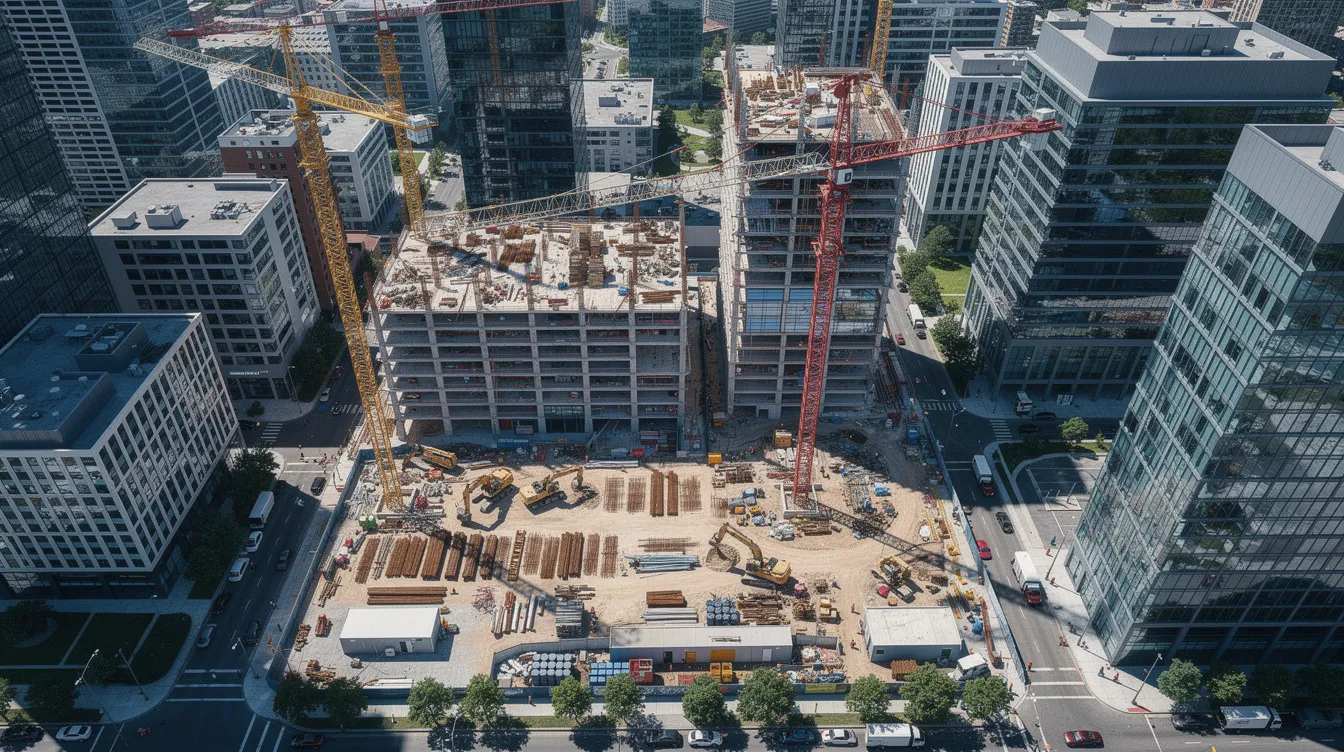
Design for Safety aims to eliminate risks during project design rather than manage them during construction. The DfS framework in Singapore shifts safety management from reactive on-site controls to proactive measures embedded in design decisions. For projects valued at S$10 million and above, the WSH (Design for Safety) Regulations 2015 make this framework mandatory, requiring developers to appoint qualified professionals who can facilitate structured safety reviews throughout the project lifecycle.
The high-level objectives are clear: integrating safety into design reduces lifecycle risks across construction, operation, maintenance, and demolition. Incorporating safety during design reduces long-term maintenance costs and operational risks, producing better outcomes for every stakeholder involved. Early hazard identification significantly reduces costs compared to late-stage modifications-a point that directly connects to why understanding DfSP fees matters from the very first budget line.
What Is a Design for Safety Professional (DfSP)?
A DfSP is a person recognised under Singapore’s WSH (Design for Safety) Regulations 2015 and BCA/WSHC guidance, appointed by the Developer to facilitate, coordinate, and document the design safety review process. Qualification requirements typically include years of relevant design or site experience, completion of an accredited DfS training course (the WSQ course full fee is approximately S$1,000 excluding GST, with nett payable around S$300 after subsidies), and in many cases professional registration such as PE or Architect.
The DfSP’s functional role centres on facilitating DfS reviews, coordinating with designers and contractors, preparing DfS reports and registries, and documenting risk mitigation measures. Critically, a DfSP’s role does not include authoring designs or acting as the site safety officer. The DfSP coordinates safety reviews at multiple project stages including concept design, detailed design, and pre-construction, ensuring that hazards are identified, recorded, and tracked to closure. The DfSP maintains a DfS Register documenting design risks and safety measures throughout the project lifecycle.
There is an important distinction between an in-house DfS lead and an external DfSP consultant. External consultants like Stellar Structures bring independent perspective and cross-project experience, which can be especially valuable on complex developments where the design team may lack specialist safety review capability.
Regulatory Thresholds and When DfSP Becomes Mandatory
The WSH (Design for Safety) Regulations 2015 came into effect on 1 August 2016 and established precise triggers for mandatory DfSP appointment. A project requires a formally appointed DfSP when all three conditions are met: the developer undertakes the development in the course of their business; the contract sum is S$10 million or more (inclusive of GST); and the development falls under Section 3(1) of the Planning Act.
For projects above S$10M, especially complex developments such as hospitals, industrial plants, high-rise residential towers, and MRT-linked developments, a formally appointed DfSP is almost always required. When cumulative contract value for phased works crosses S$10M, duties under the Regulations begin to apply-meaning developers must deliberate early on project value based on QS estimates or incremental contracts. Proper compliance with safety regulations can prevent fines up to S$50,000 for breaches.
Submission and coordination points with BCA, URA, SCDF, JTC, and PUB are integral to this process. Authority approvals are essential for construction project compliance, and DfSP involvement is expected at multiple approval stages. Construction projects require multiple authority submissions for approval, and the DfSP’s documentation feeds directly into these processes.
This regulatory mandate is precisely why cost planning for DfSP early in the project budget is critical-and why the following sections break down what you are actually paying for.
How DfSP Scope Scales for S$10M+ Projects
Larger and more complex projects require broader and longer DfS engagement, which directly affects fee levels. A S$12M residential block demands a fundamentally different scope of DfSP work than a S$120M healthcare campus. This section breaks down scope components so readers can see exactly what they are paying for and determine how their project’s characteristics influence cost.
Core Services Included in a Typical DfSP Appointment
A standard DfSP appointment for S$10M+ projects includes the following core services:
- Project commencement briefing to align the design team on DfS objectives and regulatory requirements
- Hazard identification and risk assessment workshops at concept, detailed design, and pre-construction stages
- Coordination with architects, C&S engineers, and M&E consultants to review design decisions for safety implications
- DfS Register preparation and maintenance, documenting all identified risks, mitigation measures, and residual risks
- Design Risk Records capturing decisions and their safety rationale
- Meeting minutes compilation for all DfS review sessions
- Action tracking to closure, ensuring identified risks are addressed before construction
- Residual risk communication to contractors and facilities management teams
- Close-out documentation and Register handover upon Temporary Occupation Permit
For a typical S$10M–S$30M project, expect approximately 3 key review workshops (concept, detailed, pre-construction) with associated documentation cycles. For projects exceeding S$100M, review sessions can multiply to 8–15 or more, with interim reviews, follow-up workshops after design changes, and multiple design iteration cycles. Required deliverables always include a DfS report, risk register, records of design decisions, and formal sign-offs. Structured safety reviews can improve project documentation and enhance accountability across the entire project team.
Extended Scope and Optical Quality Considerations for Complex or High-Risk Developments
Beyond core services, large and complex developments typically require extended DfSP scope that significantly increases consulting hours and therefore cost:
- Multiple phase reviews for developments constructed over several years
- Specialist workshops covering façade access and maintenance, fire and life safety interfaces, process hazard analysis, and temporary works design
- Site-walks during construction to verify that design intent for safety is being implemented correctly
- Interface meetings with SCDF, BCA, and other authorities to resolve design-safety conflicts
Project types where extended scope is typical include petrochemical plants, data centres, mega-malls, multi-tower mixed-use complexes, and healthcare campuses. For example, a healthcare campus with sterile zones, labs, high fire load areas, and process risks will require deep, repeated DfS analysis across many specialist disciplines. Each added activity layer-extra workshops, more detailed reporting, additional interface meetings-increments consulting hours and therefore cost. Proactive risk elimination can reduce workplace accidents by 40% to 60%, making this extended scope a worthwhile investment.
DfSP Coordination with Wider Project Team
The DfSP works closely with the Lead Architect, C&S PE, M&E consultants, fire safety engineers, and safety officers throughout the project. DfSP practices enhance stakeholder collaboration and communication in complex projects, ensuring that safety considerations are not siloed within any single discipline.
Typical coordination touchpoints occur at concept design, schematic design, design development, and pre-TOP stage. More design iterations mean more DfSP input-a critical point for projects with evolving briefs or multiple user groups. The DfSP helps identify and mitigate design-related safety risks throughout construction, ensuring that residual risks are communicated clearly to those who inherit them.
In summary, scope complexity is the first major fee driver-often more influential than pure project value in determining what you will pay.
Typical Cost Structures for DfSP on S$10M+ Projects
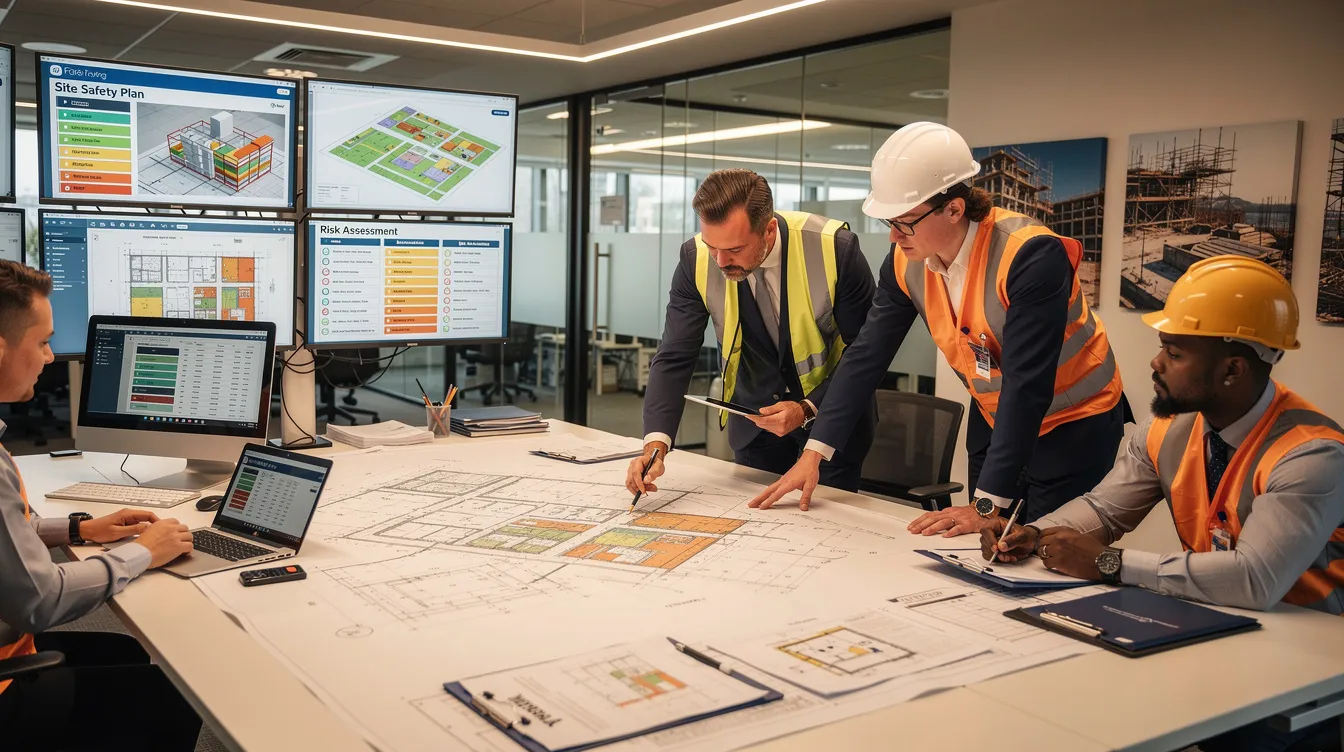
Understanding how DfSP fees are structured helps developers and QS teams budget with confidence and compare proposals on a like-for-like basis. The values stated here are indicative ranges reflecting 2024–2026 market conditions in Singapore and may differ by provider. Transparency and predictability are essential-so this section explains not just the numbers but the logic behind them.
Fee Models Used in the Singapore Market
Lump-sum fee per project is commonly used for straightforward S$10M–S$20M developments such as standard residential blocks with well-defined scope. This model provides cost certainty but requires a clear specification of deliverables and anticipation of potential variations.
Percentage-of-construction-cost model applies a small percentage band to the total contract sum. This approach fits large, evolving-scope projects where DfSP effort scales with project value. The base cost must be clearly defined, along with variation triggers and what the percentage covers.
Time-charge or hourly/per-workshop model suits unusual, high-risk, or fragmented scopes where the total effort is difficult to predict upfront. Hourly rates are often used for out-of-scope or variation work such as additional site visits or specialist risk workshops.
Hybrid models combine a base lump sum for core scope with provisional sums or unit rates for extras-for example, a fixed price for three DfS workshops plus an agreed hourly rate for additional review cycles triggered by design changes. This approach manages uncertainty while giving both parties a framework for cost control.
Indicative Fee Ranges for Expensive Scopes by Project Value Band
The following table summarises typical DfSP fee ranges for S$10M+ projects. These are professional fees only, excluding design or structural architect roles.
| Project Value Band | Typical Complexity | Indicative DfSP Fee Range | Approximate % of Construction Cost | Typical DfS Workshops Included |
|---|---|---|---|---|
| S$10M – S$30M | Single building, standard residential or commercial, conventional M&E, no deep basement | S$50,000 – S$150,000 | 0.2% – 0.7% | 3–5 workshops |
| S$30M – S$80M | Cluster of buildings, mixed-use, special façades, heavier temporary works, partial BIM integration | S$150,000 – S$400,000 | 0.4% – 0.8% | 5–10 workshops |
| S$80M and above | Campus-scale, healthcare, industrial plants, metro infrastructure, integrated developments | S$400,000 – S$1,200,000 | 0.5% – 1.0% | 10–15+ workshops |
Public-sector projects may adopt procurement guidelines or fee scales that influence these numbers, often pushing costs toward the higher end of each range due to stricter documentation standards and additional review rounds.
How Stellar Structures Prices DfSP Engagements
Stellar Structures defines a core scope of DfSP services upfront-identifying the design team, number of review meetings, authority requirements, and whether temporary works are included-to establish a base fee. Cost proposals are broken down by design stage (concept, schematic, detailed, construction support) with deliverables tied to each stage, plus optional line items for additional reviews, site visits, or specialist workshops.
For recurring clients or programme-based developments, framework or retainer arrangements provide predictable cost across multiple projects, reducing mobilisation costs and standardising the DfS approach. Stellar also distinguishes between work strictly fulfilling DfS Regulations obligations and expanded scope (deeper documentation, BIM risk tagging, enhanced stakeholder management) to avoid underpricing and scope creep.
Understanding these fee structures sets the stage for examining what actually drives costs up or down on individual projects.
Key Factors That Influence DfSP Cost for S$10M+ Projects
Two S$20M projects can have vastly different DfSP fees depending on their risk profile, design complexity, and team dynamics. This section helps QS teams and project managers understand why quotes from different consultants may vary-and what to focus on when comparing them.
Project Complexity and Risk Profile
Complex geometries, deep basements, long-span structures, or integrated transit links raise design risks and require more intensive DfS analysis. Consider the contrast: a straightforward 15-storey residential block versus a hospital with operating theatres, labs, and ICU wards at a similar contract value. The hospital will require significantly more specialist workshops, deeper risk documentation, and longer coordination cycles. Structural engineering designs ensure safety and stability of buildings, but the DfSP must assess how those designs translate into construction, maintenance, and operational safety.
Higher inherent risk-high fire load, hazardous materials, confined spaces-increases the depth of DfS review and fee. The DfSP supports developers in maintaining compliance with the Workplace Safety and Health Regulations, and that support scales directly with risk.
Number of Stakeholders and Decision-Makers
Large multi-owner or JV developments typically require more DfS workshops to align stakeholders on safety decisions. Frequent design changes arising from multiple user groups-different retail tenants, institutional departments, or separate building operators-compound the coordination effort. More coordination time equals higher professional hours equals higher fee. This is a cost driver that many developers underestimate at the outset.
Project Timeline and Phasing
Compressed timelines in fast-track or design-and-build arrangements-where design and construction stages overlap-demand more intensive DfSP effort over shorter periods. Multi-phase projects such as campus developments constructed over many years require DfS continuity across stages, with the DfSP maintaining involvement and documentation consistency throughout. Re-starts or prolonged suspensions often incur added DfSP cost when works resume, as the consultant must re-familiarise with design changes and update the Register.
Documentation, BIM Integration, Multi Coated Systems, and Digital Deliverables
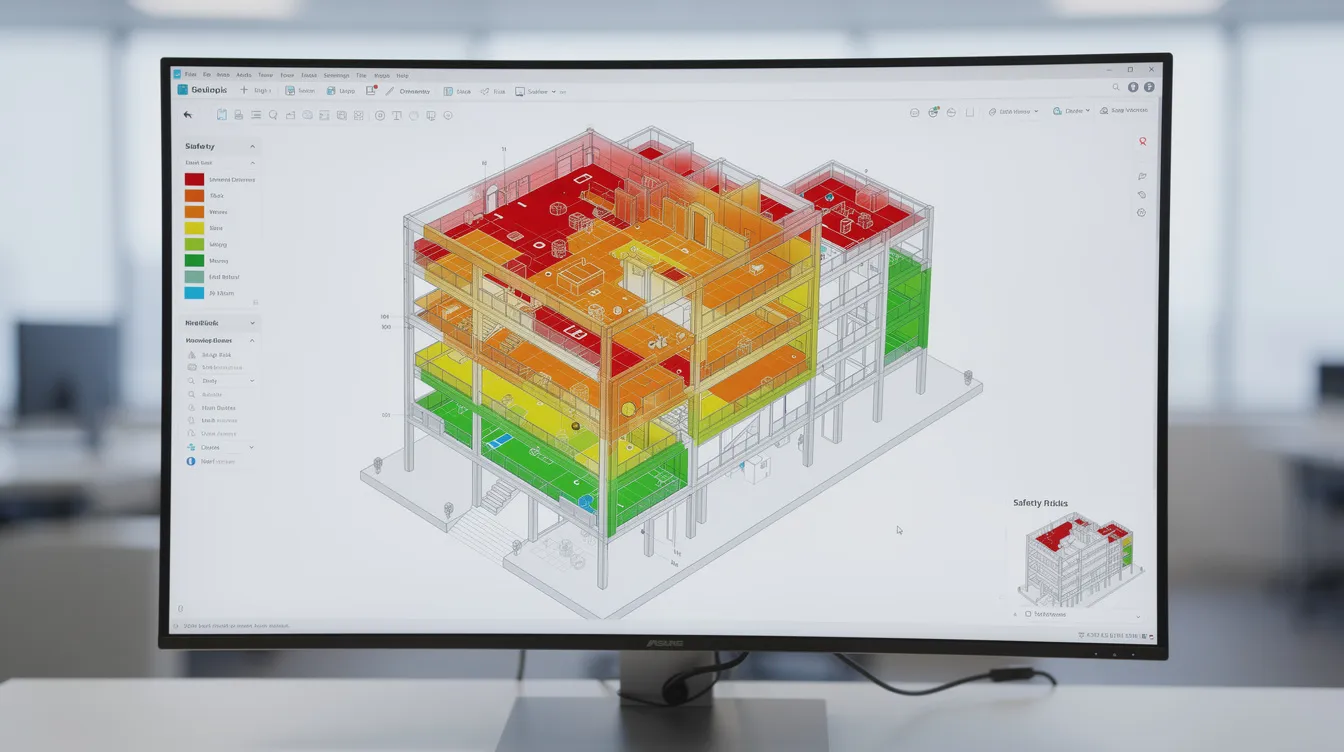
Projects requiring DfS issues embedded into BIM models, clash-detection workflows, and Common Data Environment platforms will incur additional DfSP cost. Clients who require detailed risk tagging within BIM objects or customised digital reporting templates should expect fee uplifts of 10–25% above standard documentation scope. However, such investment often pays off with better traceability, easier facilities management, and stronger audit trails for regulatory compliance.
Practical Budgeting and Procurement for DfSP Services
Understanding cost drivers is only useful if you translate that knowledge into concrete budgeting and procurement actions. This section provides step-by-step guidance for developers and project managers who want to set realistic DfSP budgets and procure effectively from the concept stage onward.
Planning Your DfSP Budget from Concept Stage
Include a DfSP budget allowance as soon as the preliminary construction value exceeds or approaches S$10M, even at feasibility stage. Use the percentage-of-construction-cost benchmarks from the table above-or comparable past projects-as a starting point. For a S$25M commercial development with moderate complexity, budgeting S$80,000–S$120,000 for DfSP services provides a realistic initial estimate.
Early discussion with shortlisted consultants like Stellar Structures for ballpark estimates is advisable. This avoids the common problem of discovering at detailed design that the DfSP budget is inadequate for the actual scope required.
Steps to Procure a DfSP Consultant
Follow these steps to procure a DfSP consultant effectively:
- Define internal expectations and minimum regulatory scope. Clarify whether you need core compliance only or extended services such as BIM integration and specialist workshops.
- Prepare a concise DfSP brief including project description, construction programme, known hazards, and authority submission requirements.
- Issue RFP/RFQ to 2–4 qualified DfSP providers, requesting fee breakdowns by design stage and clear deliverable lists.
- Evaluate proposals based on scope completeness, competence, and team CVs-not fee alone. Weighted scoring is recommended.
- Clarify assumptions and provisional items before award to avoid variation disputes during the engagement.
Evaluating and Negotiating DfSP Proposals
Look beyond price when evaluating proposals. Key indicators of quality include evidence of similar S$10M+ projects, understanding of your specific building type, integration capability with BIM workflows, and responsiveness to authority requirements.
Specific questions to ask bidders:
- How many DfS workshops are included in the base fee?
- How are design changes by the client or designer treated-additional fee or included?
- What site visit allowances are provided?
- What is the hourly rate for out-of-scope work?
Sensible negotiation points include aligning deliverables to project milestones, agreeing caps on additional meetings, and setting clear variation triggers in the appointment letter.
Cost vs Value: Why Investing in a Qualified DfSP Matters
The cost of a DfSP is small relative to total project value but can significantly impact safety, lifecycle costs, and regulatory smoothness. For owners and main contractors, this is fundamentally an ROI discussion.
Reducing Construction and Maintenance Incidents
Good DfS design decisions reduce fall-from-height risks, fire exposure, and hazardous access scenarios for maintenance. For example, specifying permanent roof anchor points during design eliminates the need for costly temporary edge protection every time maintenance is performed. Similarly, designing façade cleaning systems with safe access provisions from the outset avoids expensive retrofitting. Regular inspections can reduce accident risks on construction sites, but preventing hazards through design is far more effective and cost-efficient. Safety inspections ensure compliance with building codes, while certifications verify that structures meet safety standards-both are supported by thorough DfSP documentation.
Minimising Rework and Compliance Delays
Proactive DfSP involvement during design prevents late-stage authority comments or contractor claims related to unsafe design details. For S$10M+ projects, even a week’s delay or a minor redesign triggered by safety non-compliance can cost more than the DfSP fee uplift required for thorough reviews.
Consider the ROI example from the Singapore market: in a S$20M project, spending approximately 1% (around S$200,000) on comprehensive DfSP engagement early can avoid costs including moderate injury costs (~S$150,000), rework (~S$300,000), insurance premium savings (~S$100,000), and improved reputation and bid margins (~S$100,000)-total avoided costs of approximately S$650,000 for an investment of S$200,000, suggesting an ROI of roughly 225%.
Supporting ESG and Corporate Safety Culture
DfS connects directly to broader ESG, CSR, and WSH performance goals increasingly required by investors and public agencies. Independent DfSP documentation and risk registers support audits, certifications, and public tender scoring-where safety and quality weightings can determine whether your firm wins the next contract. Renovation can increase property value by 10–15%, and the same principle applies to safety investment: projects with robust DfS documentation command greater confidence from buyers, tenants, and regulators.
Common Challenges When Budgeting for DfSP-and How to Avoid Them
Having worked with developers and contractors across residential, commercial, industrial, and infrastructure segments, Stellar Structures commonly encounters these pitfalls when clients approach DfSP cost planning for the first time.
Underestimating Scope on “Straightforward” Projects
Many developers treat mid-sized S$10M–S$15M projects as low-effort engagements, ignoring hidden complexities such as tight urban sites, deep excavation requirements, or mixed uses that introduce multiple risk categories. A project initially valued at S$9.8M may cross the S$10M threshold through subsequent variation orders, retroactively activating DfSP obligations.
Solution: Conduct a brief risk scan at concept stage with an experienced consultant to right-size the DfSP budget. Even for projects just below the threshold, voluntary engagement is often prudent for risk mitigation.
Appointing the DfSP Too Late
Onboarding a DfSP only at detailed design means many major design decisions are already locked in. The DfSP’s ability to influence cost-effective safety outcomes is severely limited, leading to redesign costs or compromised safety provisions. Alterations may require permits depending on local regulations, and late-stage changes triggered by safety reviews compound both time and cost.
Solution: Appoint the DfSP at or before schematic design and include DfS as a standing agenda item in regular design coordination meetings. The earlier the engagement, the greater the influence on design decisions-which are always cheaper to change early.
Focusing Only on Lowest Fee
Selecting a DfSP purely on price often results in minimal engagement, superficial “tick-box” documentation, and poor integration with the design team. One proposal may include site walks, specialist risk workshops, and BIM integration; another may offer bare-minimum review and documentation just to satisfy legal compliance. The scope difference can be enormous.
Solution: Use weighted scoring that values relevant experience, scope clarity, and demonstrated competence alongside fee when evaluating proposals.
Unclear Assumptions and Variations
Typical disputes arise from extra workshops, client-driven design changes, or extended project durations not covered in the original fee agreement. Absence of clear deliverables in the terms of reference leads to scope creep and additional fees that surprise both parties.
Solution: Insist on a clear schedule of assumptions, inclusions, and exclusions in the appointment letter, with agreed hourly rates for additional services and defined variation triggers. A typical kitchen renovation costs between $12,000 and $35,000-and even at that scale, unclear scope causes disputes. At S$10M+ project scale, the financial consequences of ambiguity are proportionally severe.
How Stellar Structures Delivers DfSP Services for S$10M+ Projects
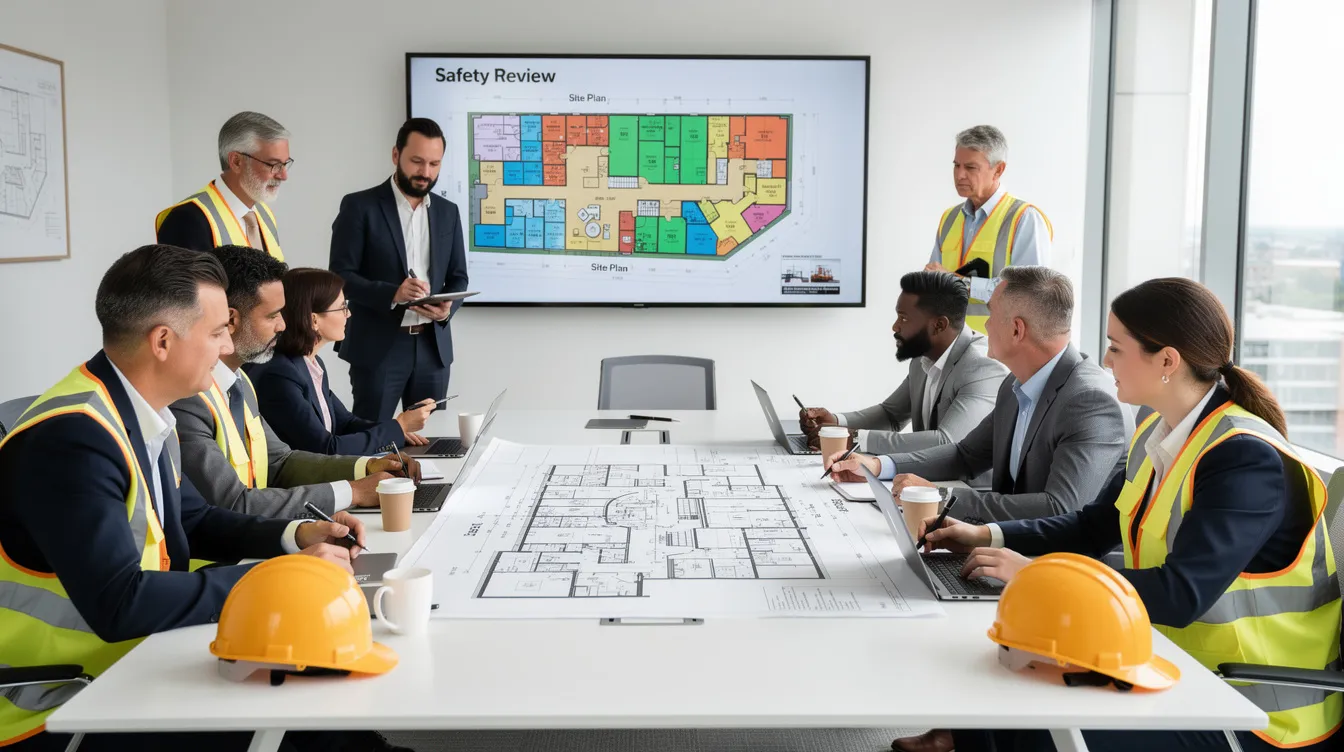
Stellar Structures is an engineering and architectural consultancy in Singapore offering integrated DfS services alongside structural, civil, architectural, and fire safety expertise. This section explains the firm’s approach and value-add for S$10M+ developments.
Integrated Engineering, Light Transmission, and DfS Approach
Stellar Structures’ in-house structural, civil, and architectural teams streamline DfS discussions by implementing safety recommendations directly within design models-eliminating the communication gap that often exists when DfSP and design functions sit in separate organisations. Structural engineers use advanced software for design simulations, and this technical depth informs practical, buildable DfS recommendations rather than generic risk commentary.
Familiarity with authority submissions to BCA, URA, SCDF, PUB, and JTC reduces friction between DfS recommendations and regulatory compliance, ensuring that safety provisions align with what authorities will accept. Civil engineering focuses on infrastructure projects like roads and bridges, and Stellar’s cross-disciplinary capability means DfS reviews address civil, structural, and architectural risks holistically.
Experience Across Multiple Building Segments
Stellar Structures brings experience across residential, industrial, commercial, and public infrastructure projects above S$10M. This multi-segment exposure means the DfS approach is adapted to each client profile-whether private developers managing condominium projects, statutory boards overseeing public facilities, or SMEs upgrading existing industrial premises.
The ability to calibrate DfSP effort to actual project risk-rather than applying a one-size-fits-all template-results in more precise scoping and fair pricing for clients.
Transparent Costing and Communication
Proposals from Stellar Structures are structured with clear line items per design stage, reporting requirement, and optional add-ons. Clients see exactly what is included in the base fee and what triggers additional cost. Regular progress updates, shared risk registers, and digital collaboration tools keep stakeholders informed throughout the engagement, supporting the accountability that modern construction projects demand.
Conclusion and Next Steps
DfSP engagement for S$10M+ projects is both a regulatory requirement and a sound investment. Fees typically range from S$50,000 to over S$1,000,000 depending on project value, complexity, and risk profile-generally representing 0.2% to 1.0% of construction cost. The main cost drivers are project complexity, number of stakeholders, timeline pressures, and documentation depth. Early, well-scoped appointments consistently deliver better safety outcomes and lower total project costs than late or minimal engagements.
Take these steps to move forward:
- Review your current or upcoming project pipeline and identify those exceeding or approaching S$10M in construction value.
- Set an initial DfSP budget based on the indicative ranges discussed in this guide, adjusted for your project’s complexity.
- Prepare a brief project description and risk notes to share with potential DfSP consultants for accurate scoping.
- Reach out to Stellar Structures for a tailored DfS cost proposal or preliminary discussion on your specific development.
Related topics worth exploring next include authority submission strategy for SCDF fire safety compliance, integrated safety and fire engineering, and structural value engineering for safer constructability.
Frequently Asked Questions About DfSP Costs for S$10M+ Projects
These FAQs address the most common cost-related queries from developers and contractors in Singapore.
Is a DfSP always required for projects above S$10 million in Singapore?
A Design for Safety Professional (DfSP) is mandatory for projects over S$10 million in Singapore when all three conditions under the WSH (Design for Safety) Regulations 2015 are met: the developer undertakes development in the course of their business, the contract sum is S$10M or more inclusive of GST, and the development falls under Section 3(1) of the Planning Act. Most commercial, residential, and industrial developments above S$10M satisfy all three conditions, making DfSP appointment effectively mandatory for the vast majority of projects at this scale.
What percentage of total project cost should I allocate for DfSP fees?
A realistic allocation is 0.2% to 1.0% of total construction cost, depending on complexity and building type. For standard residential or commercial projects in the S$10M–S$30M range, 0.2%–0.5% is typical. For high-complexity developments with deep basements, special hazards, or extensive BIM integration, budget toward 0.5%–1.0%. These percentages translate to absolute fees from roughly S$50,000 to over S$1,000,000 for the largest, most complex projects.
Can DfSP services be bundled with other consultancy scopes to save cost?
Yes-bundling DfSP with structural, architectural, or fire safety consultancy can reduce total fees through shared design knowledge and reduced mobilisation. Stellar Structures, for example, offers integrated structural and architectural services alongside DfS, which eliminates duplication in design coordination. However, for projects where regulatory independence is preferred or where the DfSP must review the work of the same design team, an independent appointment may be more appropriate.
How early should I appoint a DfSP on a S$10M+ project?
Appoint by the end of concept design at the latest-ideally during feasibility or schematic design. Early appointment allows the DfSP to influence major design decisions when changes are least expensive. Projects that delay DfSP appointment until detailed design often face more costly redesigns, compromised safety outcomes, and slower authority approvals.
Do DfSP costs differ significantly between public and private sector projects?
Yes, they typically do. Public-sector projects often have stricter documentation standards, more review rounds, and standardised procurement conditions that increase DfSP scope and therefore cost. Government agencies may also apply framework contract rates or quality-weighted evaluation criteria that influence fee levels. Private-sector projects generally offer more flexibility in scope definition but can still be demanding depending on the developer’s internal standards and authority requirements.
Additional Resources and Visual Materials
Visual aids help non-specialists understand where DfS adds value and why it affects project cost. Consider including the following in your project planning:
- DfSP involvement timeline infographic showing how engagement spans from concept design through schematic design, detailed design, and construction stages-with key deliverables at each milestone
- Annotated building diagram illustrating typical DfS interventions such as safe roof access design, plantroom layouts for maintenance access, and façade maintenance provisions
- Sample DfS risk register page (redacted) demonstrating the documentation deliverables a DfSP produces
- DfSP quote evaluation checklist summarising what to verify when requesting and comparing proposals
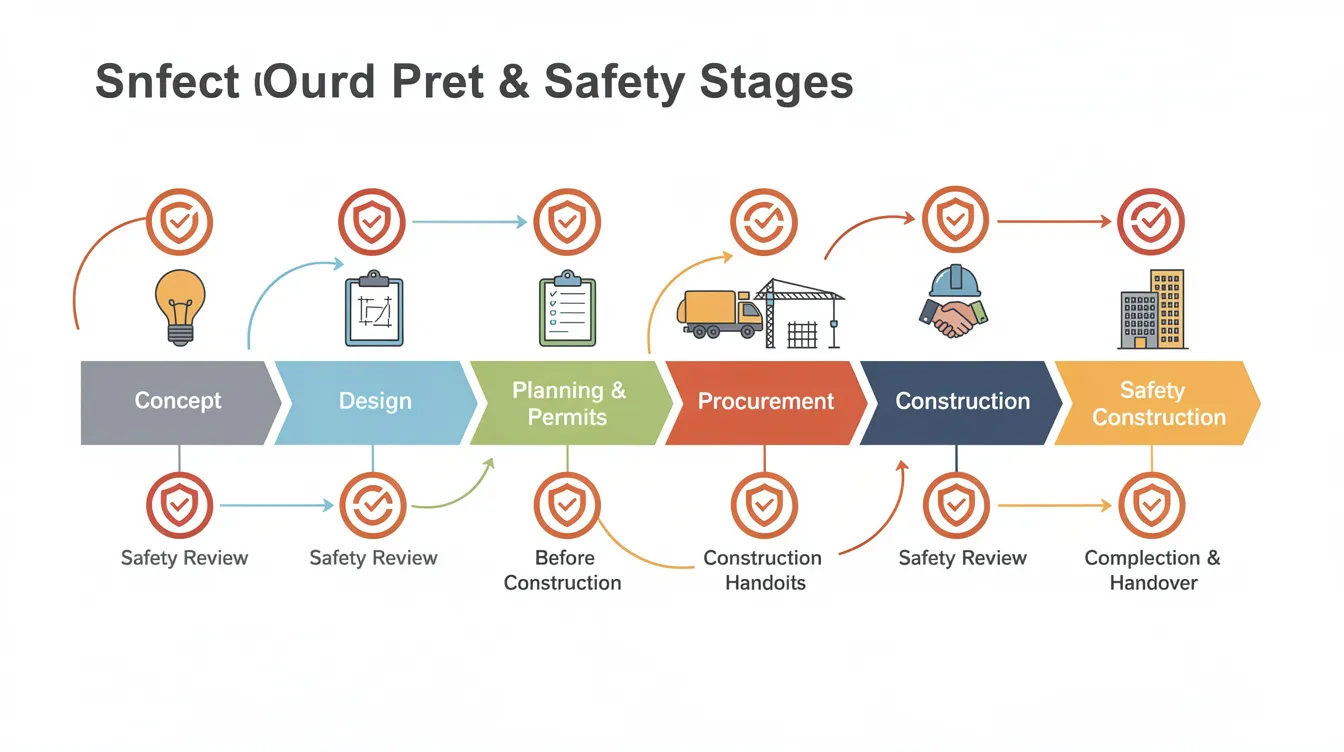
For further reference:
- WSH (Design for Safety) Regulations 2015 guidelines – official WSHC practice guidance
- Managing High-Risk Construction in Urban Singapore – related guidance on QP(S) oversight and site risk management
- Stellar Structures’ engineering and DfS services – contact and service information for Design for Safety and related engineering support