




Introduction
A Professional Engineer (PE) endorsement in Singapore is the formal sign-off by a PEB-registered Civil or Structural engineer who takes legal responsibility for the structural safety of your building works. This includes reviewing or producing structural calculations and drawings, submitting plans to authorities like BCA, URA, and SCDF, conducting site inspections, and issuing completion certificates. If you are an SME owner fitting out a commercial unit or a landed homeowner planning renovations, understanding how much a PE costs in Singapore is crucial for realistic budgeting.
Here is a direct answer: a typical PE endorsement for small SME projects starts around S$800–S$1,500 for straightforward work. More complex SME fit-outs involving structural changes can range from S$2,000–S$5,000 or more. For landed property owners, minor additions and alterations (A&A) generally fall between S$2,000–S$4,000, while major A&A with substantial structural work runs S$5,000–S$15,000. Full new-build landed houses can command S$15,000–S$40,000+ depending on scope and complexity. PE endorsement fees generally range from S$500 for minor modifications to over S$25,000 for major changes.
This article focuses exclusively on Singapore fees for structural and civil PE services-design endorsement, authority submissions, and inspections-for two core audiences: SME owners altering or fitting out small commercial and industrial units, and landed property owners undertaking A&A, rebuilding, or major renovations. This guide does not cover business setup items such as licenses, corporate secretary services, accounting, taxes, or bank account setup. We will not cover mega developer projects, M&E PE fees, or overseas pricing in detail, though these exist as separate categories.
By the end, you will understand:
-
Typical PE cost ranges for common SME fit-out and landed A&A scenarios in 2024–2026
-
Main factors that push PE fees up or down, including risk, complexity, authority submissions, and inspections
-
How PE pricing is usually structured-lump sum, per submission, per inspection, or as a percentage of works
-
Practical tips to budget total project spend without compromising safety or compliance
-
When it makes sense to work with a full consultancy rather than just seeking a “signature”
Understanding Professional Engineer (PE) Endorsement in Singapore
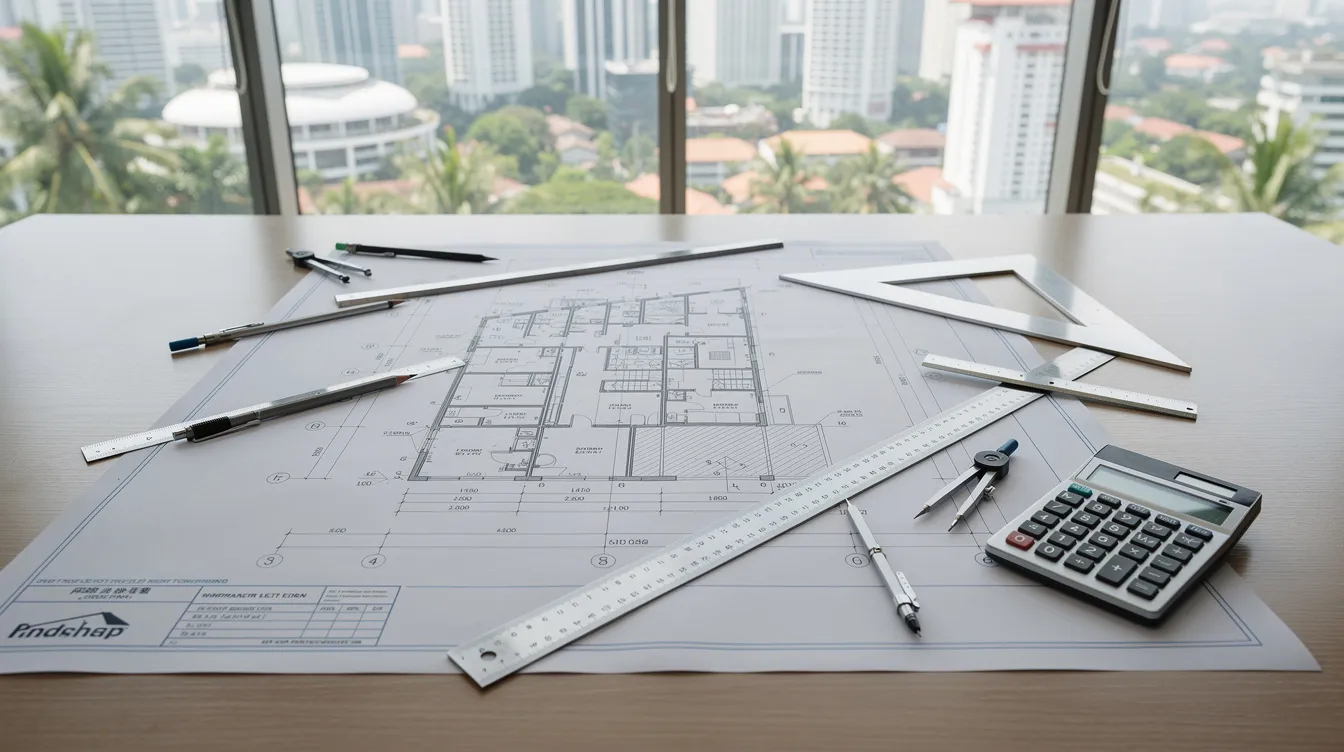
A Professional Engineer in Singapore is registered under the Professional Engineers Act and regulated by the Professional Engineers Board (PEB). Authorities such as BCA, URA, SCDF, JTC, and HDB require PE endorsement for any works that affect the structural integrity of a building. This is not optional-it is a legal requirement. The “PE cost” you pay covers the engineer taking personal liability for the adequacy of the design, calculations, drawings, supervision records, and submissions associated with your project.
What a PE Actually Does for SMEs and Landed Owners
In simple terms, a PE’s core responsibilities include:
-
Assessing structural safety of proposed works-whether you are cutting openings in walls, installing mezzanines, adding heavy equipment, building a pool, or extending a landed home
-
Producing or reviewing structural calculations and drawings to verify that the proposed design meets code requirements
-
Preparing and submitting documents to BCA and other agencies, then responding to any queries or requests for clarification, including landlord or authority requirements for leased premises such as layout approvals, tenancy conditions, or paperwork tied to a rental deposit
-
Conducting periodic or one-off site inspections during and after construction to verify that works follow the approved design
-
Issuing certificates such as structural completion letters, forms for CSC or TOP, or endorsement letters for landlords and management corporations
Engaging a PE may include services like structural assessments, site inspections, and drawings-all bundled or billed separately depending on the firm, while non-structural office fit-out items such as partitions used to form meeting rooms are usually scoped separately. The more responsibility and time involved, the higher the fee needs to be, because the PE carries legal liability and must maintain professional indemnity insurance that covers the works.
Types of PE Services for Limited Liability Partnership Projects that Drive Different Fees
Not all PE work is the same. Different service categories carry different fee patterns:
-
Simple endorsement of minor works: A small opening in a non-structural wall, racking certification under a certain height, or a straightforward assessment letter. Typical fees for SMEs involve costs for minor endorsements ranging from S$300 to S$900 at the low end.
-
Full design and submission for landed A&A: Adding a room, rear extension, attic, or lift shaft requires comprehensive structural design, multiple drawings, and BCA submissions.
-
Fit-out works for SME shops, offices, F&B, or small factories: Change of use, added loading, floor openings, or mezzanine platforms that need structural sign-off.
-
Periodic inspections and regulatory checks: Such as BCA periodic structural inspections on a 5- or 10-year cycle, or QP inspections during construction.
The same PE may charge differently when acting as a Qualified Person (QP) for submissions versus simply providing a one-time opinion letter. Because the nature of service differs, fee calculation methods and ranges also differ-which the next section breaks down systematically.
Typical PE Fee Ranges in Singapore (Quick Reference)
Professional Engineer services in Singapore vary based on project complexity and regulatory requirements. The figures below represent realistic working ranges observed in 2024–2026 across multiple PE firms. They are not fixed tariffs-PE fees are not regulated and depend on project-specific requirements. Service fees are often broken down based on the type of engineering work and regulatory approval needed.
Common PE Cost Ranges for SME Projects
Here are the most common SME scenarios with indicative fee ranges and what is typically included:
-
Light commercial, retail, or office fit-out with minor structural input
-
Typical PE fee: S$800–S$2,000
-
Usually covers: basic review, endorsement letter, simple calculations (if needed), one submission. This is common for a light renovation of an office or retail space where no load-bearing elements are affected, including layouts with partitions forming private rooms or meeting rooms.
-
Small F&B outlet requiring structural checks for heavier kitchen equipment or platform
-
Typical PE fee: S$1,500–S$3,000
-
Includes: assessment of floor loading, endorsement, authority queries, 1–2 site checks. Renovation costs for F&B outlets often include this as a separate line item.
-
Industrial unit racking or mezzanine platform design and endorsement
-
Typical PE fee: S$1,800–S$5,000
-
Includes: structural design of racking or mezzanine, drawings, calculations, BCA submission. Equipment loads and floor capacity verification are central to this scope.
-
Temporary works for events or construction (small scale)
-
Typical PE fee: S$1,200–S$4,000 depending on risk and duration
-
Covers: hoarding, scaffolding, or temporary structures requiring endorsement.
Note that fees trend higher if the PE becomes the QP-in-charge for the whole submission set or if agencies like JTC, SCDF, or PUB are involved alongside BCA. Projects involving multiple agencies increase coordination efforts and associated costs, but PE-related overhead is usually tied to the project scope rather than a fixed per month charge.
Common PE Cost Ranges and Renovation Costs for Landed Homeowners
Landed property modifications can involve structural checks that require a PE. Here are realistic 2024–2026 fee bands for common residential scenarios:
-
Minor structural alterations (e.g., removing a non-load-bearing wall, small opening in an RC wall subject to verification)
-
Typical PE fee: S$1,200–S$3,000
-
Covers: site visit, limited structural check, endorsement plus one revision round.
-
Standard A&A to a 2–3 storey terrace or semi-detached house (extensions, stair relocation, new openings)
-
Typical PE fee: S$5,000–S$12,000
-
Includes: full structural design, drawings, calculations, BCA submissions, 2–3 inspections.
-
Major reconstruction or new-build of landed property (e.g., rebuilding a detached house, GFA 300–600 m²)
-
Typical PE fee: S$15,000–S$35,000+ depending on GFA and complexity
-
Often structured as a percentage of structural works cost (e.g., 1.5–3%) with a minimum fee. Major renovations may require complex submissions and extensive structural designs.
-
Swimming pool, attic, lift shaft, or cantilever balcony addition to existing structure
-
Typical PE fee (for the additional element only): S$3,000–S$10,000 on top of base structural scope.
Be cautious of discount “signature-only” services priced significantly below these ranges. They may mean limited PE involvement and higher risk for you as the property owner—a mistake that could prove far more expensive if BCA rejects the submission or if structural issues surface during construction. For owners planning to purchase or rebuild, PE fees are only one part of total ownership and construction costs.
How PE Fees Are Usually Structured
Understanding pricing structures helps you compare quotes accurately:
-
Lump sum per project: The most common ones for SME fit-outs and standard landed A&A packages. You get a fixed price for a defined scope.
-
Per submission or per drawing: Used for simple endorsements and discrete tasks where the PE reviews and stamps specific documents.
-
Percentage of structural works cost: More common for full landed house builds or larger industrial jobs-typically 1.5–3% of the structural component of construction cost.
-
Per inspection or attendance: Separate line items for additional site visits required by BCA or requested by the client. Each visit adds cost.
-
Hourly or retainer basis: Rare for SMEs and homeowners, but sometimes used for expert opinion, dispute resolution, or ongoing advisory work.
The next section explains what drives these numbers up or down within the ranges quoted above.
What Affects the Total PE Cost Most?
Two projects of the same size can have very different PE fees because of differences in risk level, documentation depth, and agency requirements. Here are the primary cost drivers.
Project Complexity, Risk and Scope
PE liability increases directly with structural risk. The following scenarios push fees toward the upper end of any range:
-
Heavy loads: Warehouse storage, rooftop gardens, water tanks, pools, or industrial equipment that test slab or beam capacity
-
Cutting into beams, columns, or load-bearing walls: These require detailed analysis and carry significant risk if done incorrectly
-
Deep excavation, basement works, or soil-retaining structures: Earth-retaining and stabilisation systems (ERSS) require geotechnical investigation and specialised design
-
Irregular or long-span designs: These require advanced analysis such as finite element modelling or soil-structure interaction studies, which demand more engineering hours
Structural endorsements are required for significant modifications and alterations in building projects-this is non-negotiable under Singapore’s Building Control Act. The more complex the analysis, the higher the capital investment in engineering time, and the higher the fees.
Authority Submissions and Coordination Needed
Different agencies add layers of work and cost:
-
BCA structural submissions and clearances: Mandatory for most structural works and the baseline cost driver
-
URA planning compliance: GFA issues, conservation requirements, or planning conditions that need structural inputs add a separate submission layer
-
SCDF fire safety works: Where PE coordinates with Fire Safety and Shelter Department submissions
-
JTC or HDB landlord approvals: Industrial tenants in JTC buildings or HDB commercial units need landlord approval on top of authority submissions
Each round of queries, resubmissions, and coordination with architects, interior designers, or contractors adds billable effort. Digital submission platforms like CORENET-X can increase the complexity of project costs, particularly for firms adapting to new workflows.
Site Conditions, Existing Information and Timeframe
Several practical factors directly affect what you pay:
-
Availability and quality of existing structural drawings: Missing as-built structural drawings may necessitate additional verifications and increase costs, and this is more common after an older property purchase where documents were not passed to the new owner. If existing plans are inaccurate or unavailable, the PE needs more site investigation and must adopt a more conservative-and expensive-design approach.
-
Site accessibility and constraints: Tight sites, live operating premises, or night-only access demand more planning and logistical effort.
-
Timeline pressure: Urgent works or submission deadlines may attract a rush premium-typically 30–50% above standard fees. Expect higher prices if you need turnaround in under one week.
-
Number of site inspections required: Periodic structural inspections are necessary for landed properties and can cost between S$2,500 and S$5,000 depending on scope. Structural inspection costs are typically between S$500 and S$2,000 for minor projects, which should be budgeted separately from ongoing ownership costs such as a home loan.
Understanding these drivers helps you estimate where your project falls within the typical ranges and budget accordingly.
PE Costs for SMEs as a Separate Legal Entity vs Landed Owners: How They Typically Differ
The same PE can serve both corporate SME clients and individual homeowners, but expectations, scope, and fee structures differ meaningfully between these two segments.
SME Use-Cases and Typical Cost Patterns
SMEs usually engage PEs during specific, bounded situations:
-
During tenancy fit-out for shophouses, malls, offices, and flatted factories-often as part of broader commercial interior approvals
-
For compliance checks to satisfy a landlord (e.g., JTC, Mapletree, Ascendas) or insurance requirements
-
When installing heavy machinery, racking, or mezzanines needing structural sign-off
For most SMEs, PE fees represent a relatively small line item compared to overall renovation costs, rent, and M&E fit-out expenses. However, PE involvement can prevent costly delays due to failed inspections or rejected submissions-protecting both your business operations and your lease. Whether you operate as a sole proprietorship, a limited liability partnership, or a Pte Ltd company, the PE requirement applies equally.
For context, businesses can easily register online in Singapore, but they still need to choose the right entity and budget for setup and compliance items. Registering a business in Singapore costs S$115 for locals, while incorporation fees for a Pte Ltd start at S$315. A Pte Ltd is a separate legal entity, which matters for liability and when dealing with investors. Foreigners should budget S$5,000–S$8,000 for business setup, which may include a corporate secretary, a local director, and registration. Annual compliance costs range from S$2,000 to S$6,000, and recurring costs may also include accounting support and filing taxes. Opening a business bank account may require an initial deposit, and some banks may expect a minimum balance before extending credit or other financing. Against this backdrop, PE endorsement fees for SME fit-outs-typically S$800–S$5,000-should be weighed against wider operating costs, revenue planning, and what an SME can realistically fund.
SMEs frequently seek predictable package fees per outlet or unit, and consultancies can often bundle structural assessment and authority submissions into one service to simplify budgeting.
Landed Homeowners’ Use-Cases and Typical Cost Patterns
Landed homeowners typically encounter PE fees through these common journeys:
-
Engaging an architect or design-and-build firm first, with the PE (as QP) brought in for structural design and BCA submissions
-
Having a contractor or interior designer ask the owner to “find a PE to sign off” after the design is already done-a situation that often leads to surprises
-
Wanting to remove walls or add an attic without realising that BCA requires PE endorsement for structural works
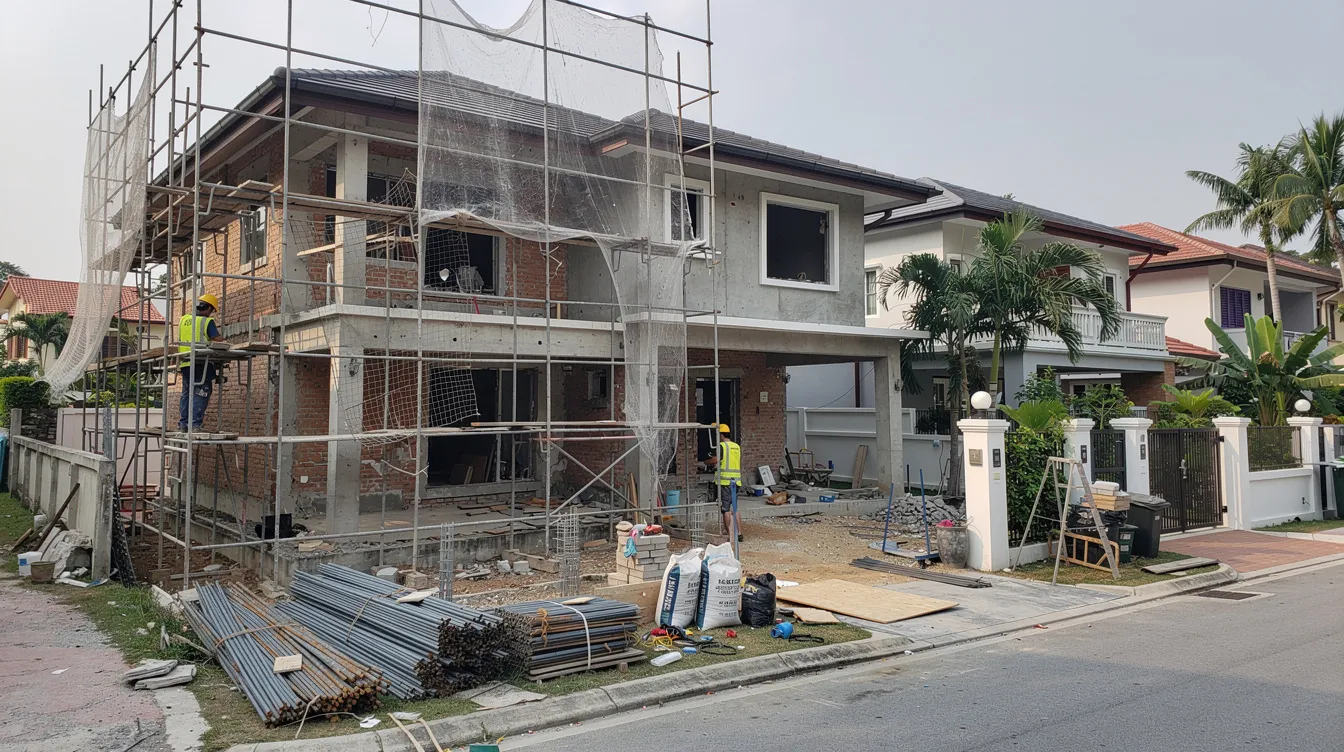
PE fees can feel high to homeowners because the engineer becomes legally responsible for the entire structure, not just the drawings. This liability extends beyond construction completion, so professional indemnity insurance and risk pricing are built into every fee. Unlike an SME fit-out that might be a light renovation, landed A&A often involves the owner’s personal assets and family home-the stakes are inherently different.
It is also worth noting that property ownership itself carries significant costs beyond the property’s purchase price. Buyer’s Stamp Duty can reach $24,600 for a $1 million property, and monthly mortgage repayments are typically the largest ongoing expense. Financing choices also affect total holding costs for an owner or investor, while property tax and insurance remain essential ownership costs. Unexpected maintenance can significantly reduce rental profits if you are an investor, so it is wise to set aside a maintenance fund. Against these figures, allocating a proper budget for PE structural work is a sound investment in protecting your property’s value. Renovated units can command 10–15% higher monthly rent, which means owners should budget every cent of structural and ownership costs before expecting higher rent.
Comparison Table: SME vs Landed Owner PE Fees
The table below summarises how PE costs typically compare between SME and landed homeowner projects. Use it as a quick reference when planning your budget:
|
Client Type |
Typical Project Example |
Usual PE Role |
Indicative Fee Range (SGD) |
Key Cost Drivers |
|---|---|---|---|---|
|
SME |
Office or retail fit-out, minor structural input |
Endorsement letter, basic calculations, 1 submission |
S$800–S$2,000 |
Scope of structural change, landlord requirements; usually a one-off project fee rather than a recurring per month operating cost |
|
SME |
F&B outlet with heavy equipment, floor opening |
Load assessment, endorsement, 1–2 site visits |
S$1,500–S$3,000 |
Equipment loads, authority queries, number of agencies |
|
SME |
Warehouse mezzanine or racking platform |
Full structural design, drawings, BCA submission |
S$1,800–S$5,000+ |
Design complexity, GFA, JTC/SCDF involvement |
|
Landed Owner |
Minor wall removal or small opening |
Site visit, limited structural check, endorsement |
S$1,200–S$3,000 |
Availability of existing drawings, revision rounds |
|
Landed Owner |
Standard 2–3 storey A&A (extension, stair relocation) |
Full design, BCA/URA submissions, 2–3 inspections |
S$5,000–S$12,000 |
Number of structural changes, authority coordination |
|
Landed Owner |
New-build detached house (300–600 m² GFA) |
Complete structural package, multiple inspections |
S$15,000–S$35,000+ |
GFA, foundation type, basement, number of storeys |
|
Landed Owner |
3-storey + basement, large GFA (500–1,000 m²) |
Complex structural design, deep foundation, extensive submissions |
S$25,000–S$60,000+ |
Geotechnical work, ERSS, multiple authority submissions |
The key pattern: SMEs often pay less per project but engage PEs more frequently (per outlet, per lease cycle), while landed owners pay more per project but less often. Understanding this difference helps both types of clients separate one-time project fees from recurring overhead for SMEs and ongoing ownership costs for landed owners.
How a PE Engagement Usually Works (and Where Costs Occur)
Understanding the workflow helps you see what you are paying for at each stage and how to manage scope and expenses effectively.
Typical PE Engagement Steps
For most SME fit-outs and landed A&A projects, the process follows these steps:
-
Initial consultation and review of drawings – Often free or low-cost for high-level advice. The PE reviews your proposed plans to determine whether structural endorsement is needed and what the likely scope will be.
-
Scope definition and fee proposal – The PE clarifies what is and is not covered, including the number of submissions, revision rounds, and inspections. This is where you should demand clarity to avoid surprises.
-
Detailed design and structural calculations – After appointment, the PE produces or verifies structural calculations, load analyses, and member sizing. This is typically the most labour-intensive phase.
-
Preparation and submission of documents – Plans are submitted to BCA and relevant agencies via platforms such as CORENET-X. Queries from authorities are addressed during this phase.
-
Site inspections during and after construction – The PE visits the site at mandated stages to verify works match the approved design. Each inspection is a distinct cost event.
-
Issuance of certificates or completion documents – Structural completion letters, forms for CSC/TOP, or endorsement letters for landlords and management corporations are issued upon satisfactory completion.
Cost “peaks” typically occur during the design phase and the submission/queries phase, followed by any additional inspections beyond what was originally scoped.
Worked Cost Examples
These concise examples illustrate what real-world PE engagements look like:
Example 1 – SME office in an industrial building:
-
Scope: Remove one non-structural partition, add partitions for meeting rooms, add light storage racking, no change of use
-
PE role: Confirm structural adequacy, endorse drawings, one BCA submission
-
Indicative fee: S$1,000–S$1,500
Example 2 – F&B outlet in a mall:
-
Scope: New kitchen with heavy equipment, new floor trap positions, possible opening in slab for services
-
PE role: Check slab capacity, endorse opening details, coordinate with landlord and mall consultant
-
Indicative fee: S$2,000–S$4,000These are typically one-off project fees, not recurring per month operating costs.
Example 3 – Landed terrace A&A:
-
Scope: Rear extension at 2 storeys, internal stair repositioning, partial removal of existing wall, new balcony
-
PE role: Full structural design, BCA submission as QP, 3 site inspections, completion certification
-
Indicative fee: S$8,000–S$15,000
Consulting engineers often provide services for both residential and commercial projects, so the same firm can handle your office fit-out and your home renovation with consistent quality. Reputable firms can provide upfront estimates before design is finalised so you can decide what to spend before committing to larger renovation budgets.
Common Pricing Pitfalls and How to Save Money and Avoid Overpaying (or Under-buying)
The “cheapest quote” and the “most expensive firm” can both represent poor value. What matters is proper risk management, clear scope, and a fee that reflects the actual work and liability involved. Here is how to protect yourself.
Pitfall 1: Only Paying for a Signature
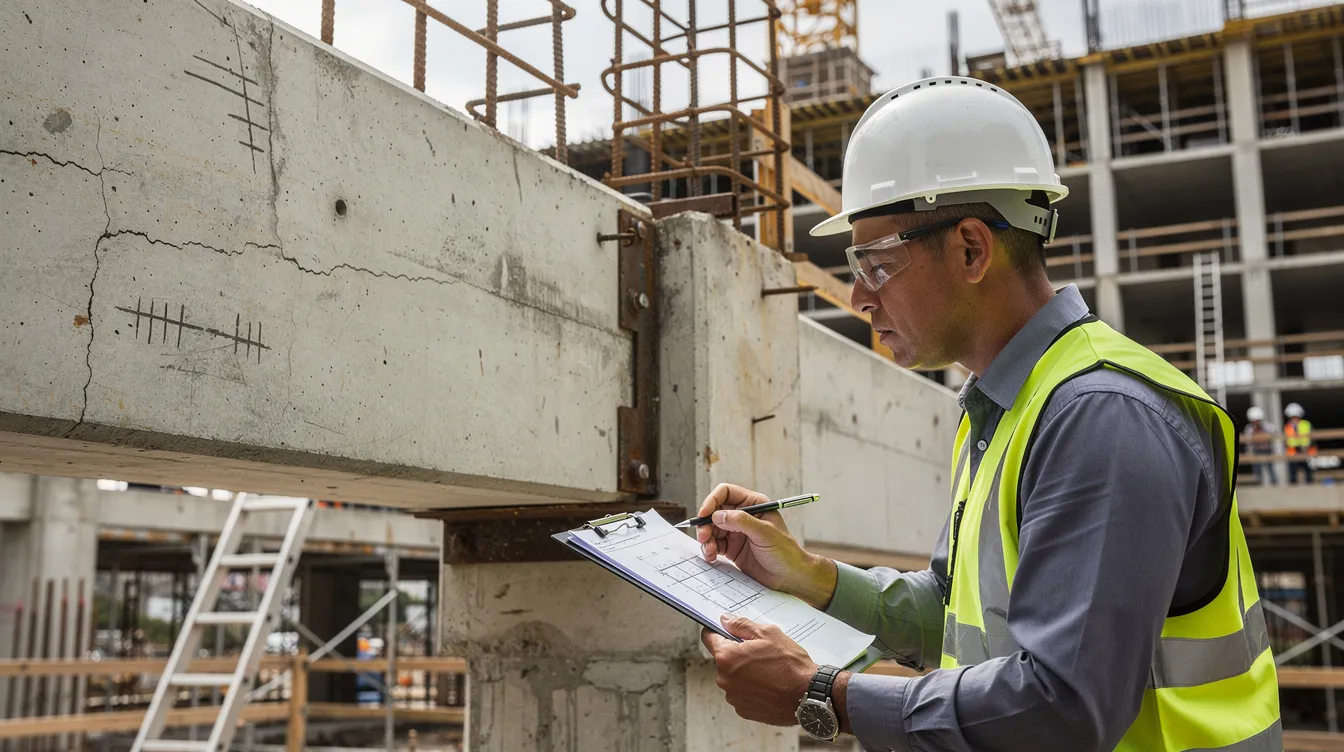
Engaging a PE only at the end to “rubber stamp” someone else’s design is a common mistake that can prove expensive:
-
The PE may discover non-compliance or an unsafe design and refuse to endorse, causing redesign and delay
-
Limited site involvement means structural problems may surface only during inspection-or worse, after construction
-
Higher fees are often charged later when urgent rescue engineering is needed to regularise unauthorised works. Early plan submission is almost always cheaper than fixing problems after the fact.
Solution: Involve the PE early at concept stage. Getting advice before you confirm the layout with your interior designer or contractor lets you integrate structural requirements into the design rather than working around them.
Pitfall 2: Unclear Scope Leading to Variations
Vague quotations-for example, “PE endorsement for works”-frequently lead to:
-
Additional charges for each resubmission or extra agency query that the owner assumed was included
-
Separate billing for site visits that were not explicitly scoped
-
Unpleasant balance discussions at the end of the project
Practical tips to avoid this:
-
Ask for an itemised scope: how many submissions, revision rounds, and inspections are included in the fee
-
Clarify whether authority resubmissions and landlord comments are covered or billed separately
-
Get confirmation in writing of what triggers additional charges
Pitfall 3: Not Aligning Budget with Project Ambition
Trying to push an aggressive design-deep cantilevers, large wall openings, dramatic double-volume spaces-while squeezing the PE budget creates friction:
-
The PE may adopt a more conservative design (heavier structural members, thicker slabs) because the fee does not support the time needed to optimise
-
Turnaround times lengthen as both sides negotiate scope boundaries
-
The profit from an elegant design is lost to unnecessary structural bulk
Recommendation: If design ambition is high, align what you spend on engineering with the complexity of the design. Consider integrated design–engineering–authority packages that deliver better overall value by aligning architectural vision with structural efficiency from the start.
A clear, well-scoped engagement with a reputable PE usually results in the best cost–benefit balance for any project type.
Conclusion and Next Steps
PE fees for SMEs and landed owners in Singapore typically fall within well-defined ranges, driven mainly by structural risk, project complexity, and submission workload. Engaging a PE is not just a regulatory checkbox-it is protection of your asset, your tenants, and your family. Transparent scope definition, early involvement, and realistic budgeting prevent surprises, rework, and the kind of expensive delays that erode both savings and project timelines, so fees should be weighed against total project spend rather than viewed in isolation.
Here are your practical next steps:
-
List your planned works and identify whether they affect structure, loading, or spatial layout-this determines whether PE endorsement is needed
-
Gather existing structural drawings or past approval documents before approaching a PE, as missing documentation increases costs
-
Request an itemised PE quote that matches your project type (SME fit-out, landed A&A, or rebuild) with clear deliverables and revision limits, and place it within the wider budget for licenses, taxes, financing, or purchase-related costs only where those items are already relevant to your project planning
-
Contact a qualified structural engineering firm with your floor plans and photos for a no-obligation PE fee estimate
You may also find it useful to explore related topics such as the difference between A&A and reconstruction, when you need a QP submission, or why engaging a structural engineer early matters for your landed home.
FAQs on PE Costs in Singapore
Below are answers to the questions most frequently asked by SME owners and landed homeowners about PE fees in Singapore.
Is there a standard PE fee schedule in Singapore?
No. There is no government-fixed scale of fees for PE services in Singapore. Rates are entirely market-driven and vary by firm, the engineer’s experience, the project’s risk profile, and the scope of work involved. This is why getting itemised quotes from at least two to three firms is the best way to benchmark prices for your specific project.
Can I avoid hiring a PE if my contractor says the works are “simple”?
For any works that affect the structure of a building or require a BCA structural plan submission, a PE or Qualified Person is typically mandatory regardless of how “simple” the contractor considers the job. Even seemingly minor changes like cutting an opening in a reinforced concrete wall can require PE endorsement. The approval is a legal requirement, not a discretionary expense.
Are PE fees refundable if the authority rejects my proposal?
In standard practice, design and submission work that has been completed is billable. Most firms include a limited number of resubmissions (typically one round) within the base fee, but they do not refund fees if the overall concept is rejected by the authority. Discuss resubmission terms upfront when you receive the fee proposal to manage your expectations and budget.
Do PE fees include BCA, URA, or SCDF government charges?
Professional fees are separate from statutory submission fees and any government processing charges. You should budget for both. Ask your PE firm to clearly distinguish between their professional fees and any other costs such as government submission charges, survey fees, or third-party testing.
How early should I engage a PE for my landed renovation?
The ideal time is at the concept or schematic design stage, alongside your architect or interior designer-typically 3–6 months before your planned construction start. Early engagement allows the PE to influence the structural layout, avoid costly redesigns, and identify any compliance issues before they become expensive problems.
Can one PE handle both structural and M&E endorsements?
Structural PEs and M&E (Mechanical & Electrical) PEs hold different registrations under the Professional Engineers Board. A civil/structural PE cannot endorse M&E works and vice versa. However, many consultancies coordinate with partner M&E engineering firms to provide a seamless service if your project requires both disciplines.
Why are some quotes from solo PEs much cheaper than from consultancies?
Solo practitioners typically have lower overhead, smaller insurance policies, and limited support staff, while structured consultancies carry higher operating costs partly because they also coordinate compliance support functions familiar to SMEs, such as accounting or corporate secretary liaison, alongside engineering delivery. Structured consultancies also offer benefits including multi-disciplinary input, dedicated project management, robust authority handling, and the ability to manage complex projects with multiple agency touchpoints. For straightforward, low-risk tasks, a solo PE may deliver adequate service. For projects with significant structural complexity or multiple authority submissions, the additional investment in a consultancy typically pays for itself in smoother approvals, fewer rejections, and better risk management.